If you're shopping for your next lens, one of the biggest decisions is whether to buy used or new. This guide is for photographers who want to stretch their budget, upgrade image quality, try a new focal length, or invest in specialty glass without making the wrong purchase. The good news: both used and new lenses can be excellent choices. The right option depends on your budget, shooting style, tolerance for cosmetic wear, and how important warranty coverage and the latest features are to you.
In many cases, buying used can open the door to better optics, faster apertures, or hard-to-find legacy lenses that would otherwise be out of reach. On the other hand, buying new often makes more sense if you need the latest autofocus performance, manufacturer support, or simply want peace of mind. Below, we'll break down the key factors to consider and highlight several used lens options available at Unique Photo that show where buying used can be especially compelling.
Used vs. New Lenses: The Main Factors to Compare
| Factor | Buying Used | Buying New |
|---|---|---|
| Price | Usually lower cost and better value | Higher upfront investment |
| Condition | Varies by item grade; may show cosmetic wear | Factory fresh condition |
| Warranty | May be limited depending on seller and item | Typically includes manufacturer warranty |
| Availability | Great for discontinued and legacy lenses | Best for current models |
| Technology | Can mean older AF systems or designs | Latest autofocus, stabilization, coatings, and compatibility |
| Value Retention | Often strong if purchased at a fair used price | Takes the biggest depreciation hit early |
When Buying Used Makes the Most Sense
Used lenses are especially attractive if you care most about optical value per dollar. For many photographers, lenses matter more than camera bodies in the long run, and a used lens can let you step into a higher tier of image quality for the same money. Used is also ideal if you're exploring vintage character, manual-focus shooting, or niche formats like medium format and legacy SLR systems.
Another advantage is access to lenses that are no longer in production. Many classic manual-focus and medium format optics still produce stunning results, and buying used may be the only realistic way to get them. If you shop from a trusted retailer like Unique Photo and pay close attention to condition ratings such as Good or Excellent, you can often buy confidently.
When Buying New May Be the Better Choice
New lenses are often the smarter pick if you need modern autofocus speed, advanced image stabilization, weather sealing, or full manufacturer warranty support. Event photographers, working professionals, and hybrid shooters who depend on consistent AF tracking for fast action may prefer new models for reliability and current-camera compatibility.
Buying new can also be worthwhile if you're purchasing a lens you plan to use heavily for years and want the reassurance of untouched glass, fresh mechanics, and return support. For beginners who don't want to evaluate used condition, new can be the simpler path.
What to Inspect When Buying a Used Lens
Before purchasing a used lens, focus on a few critical areas. Check the glass for scratches, haze, fungus, and excessive internal dust. Verify that the focus ring turns smoothly and that the aperture blades are clean and responsive. On autofocus lenses, make sure AF operation is accurate and consistent. Cosmetic wear is often fine, but issues with optics or mechanics deserve closer attention.
It's also smart to think about mount compatibility and adapter requirements. Some older lenses may work beautifully on modern digital bodies, but the experience can vary depending on whether you're comfortable with manual focus or stop-down metering. Reading the condition description carefully is key, especially with vintage gear.
Recommended Used Lens Options to Consider
Our Pick: Used Nikon 50mm f/1.2 Ai - Good
Why it stands out: If you're considering used instead of new, this is exactly the kind of lens that makes the case. A fast 50mm f/1.2 is a special tool for photographers who want shallow depth of field, low-light capability, and classic rendering that would typically cost significantly more in modern autofocus form.
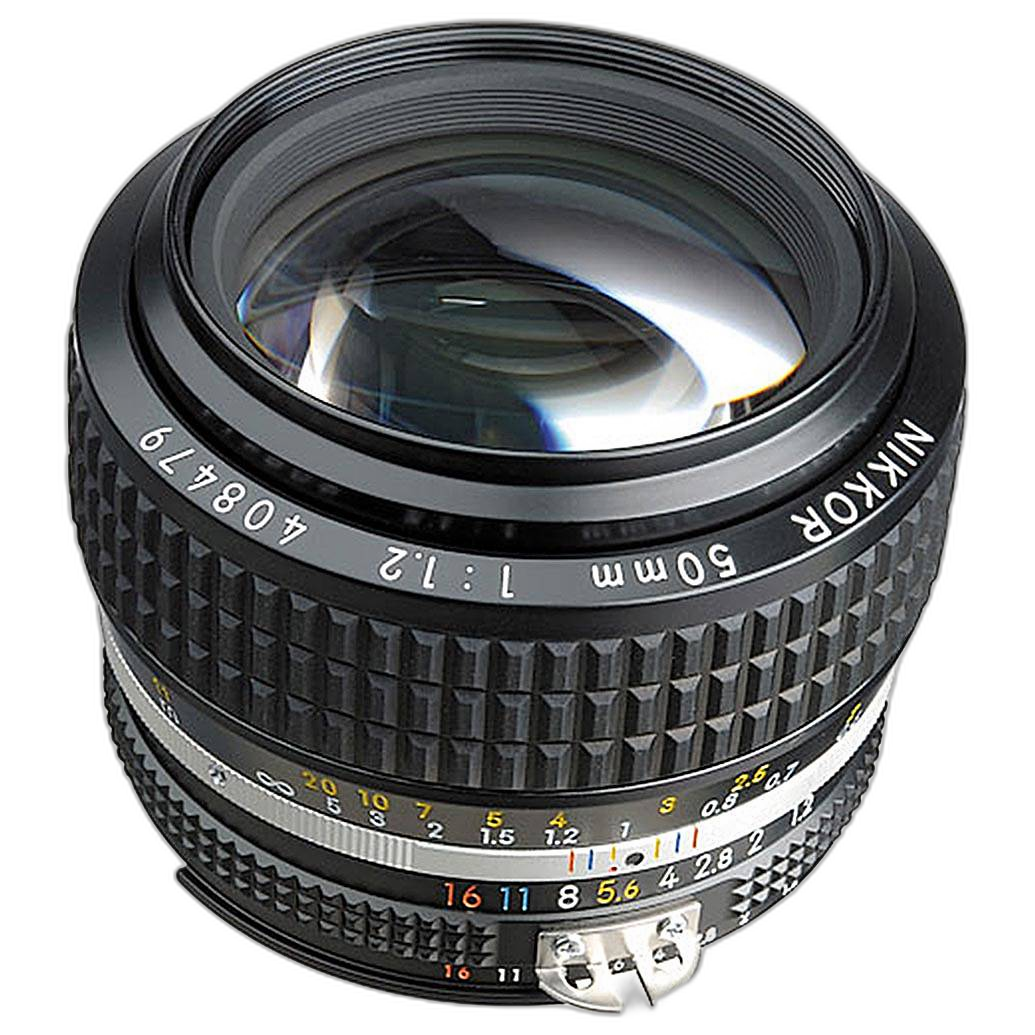
This Nikon manual-focus prime is a strong example of why many photographers love the used market: distinctive optics, bright maximum aperture, and tactile handling. It's especially appealing for portraiture, street photography, and creative available-light shooting. If you don't need cutting-edge autofocus and you're comfortable with a more deliberate shooting style, a used fast prime like this can be a smarter value than a new entry-level lens.
Best for: Enthusiasts, portrait shooters, vintage-lens fans, and photographers who want premium character over modern automation.
Used Canon FD 50mm f/1.8 Lens - Good
Why it stands out: This lens represents one of the most approachable ways to explore used glass. A 50mm f/1.8 is a classic everyday focal length, and legacy Canon FD lenses are popular with photographers who enjoy manual focus and vintage systems.
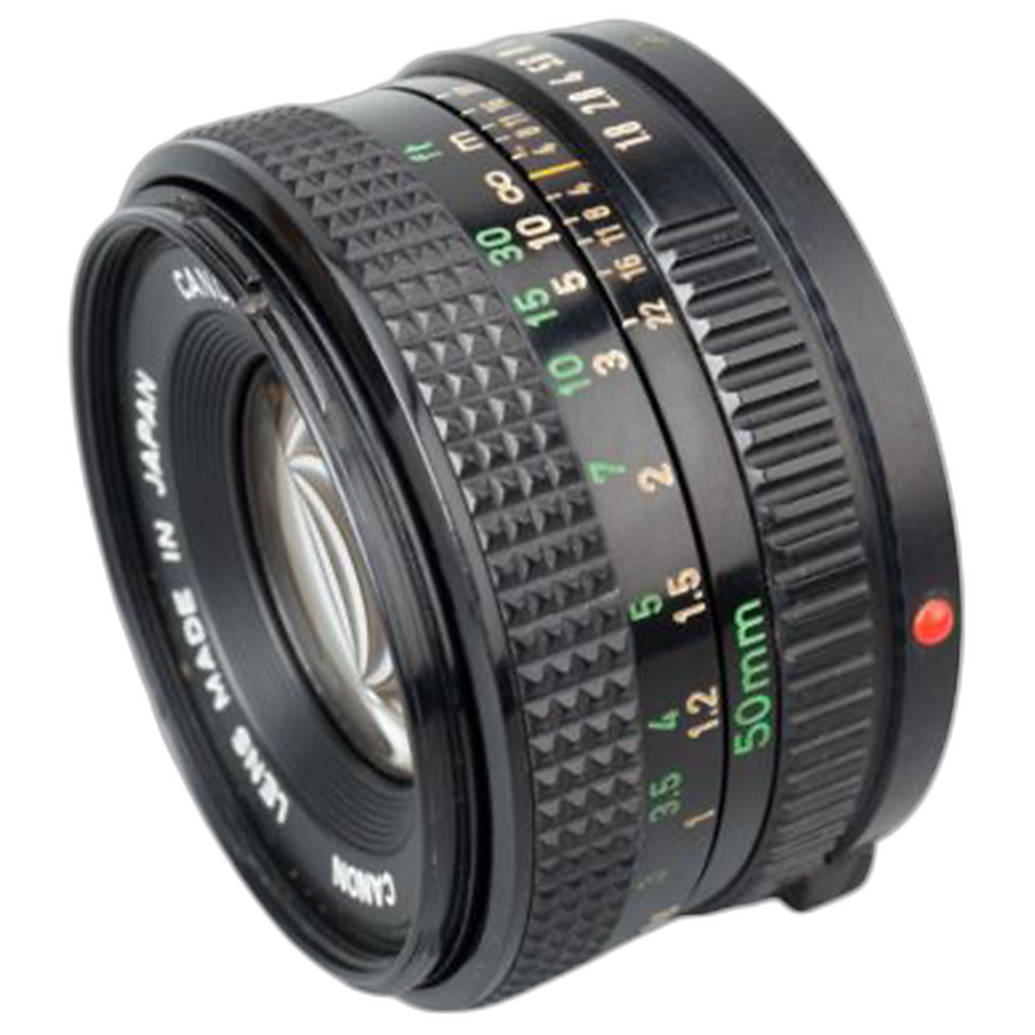
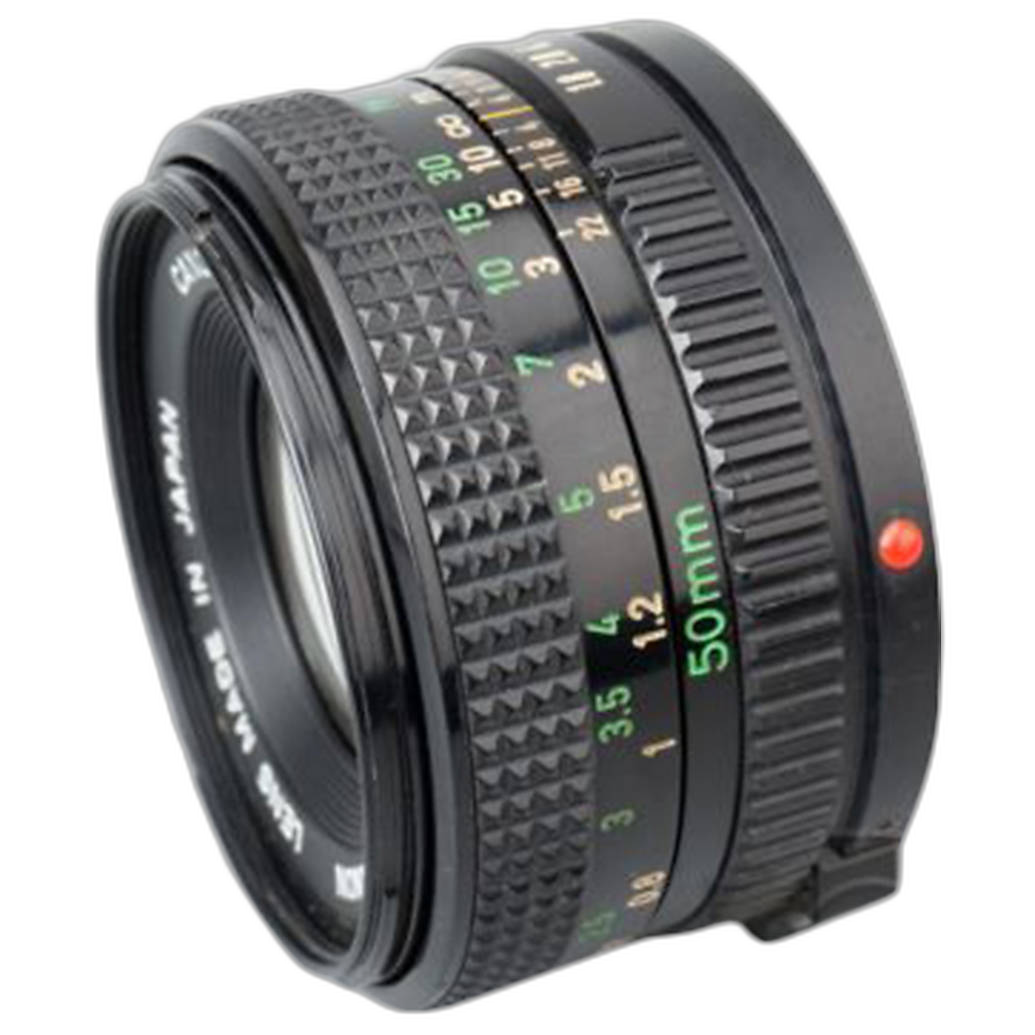
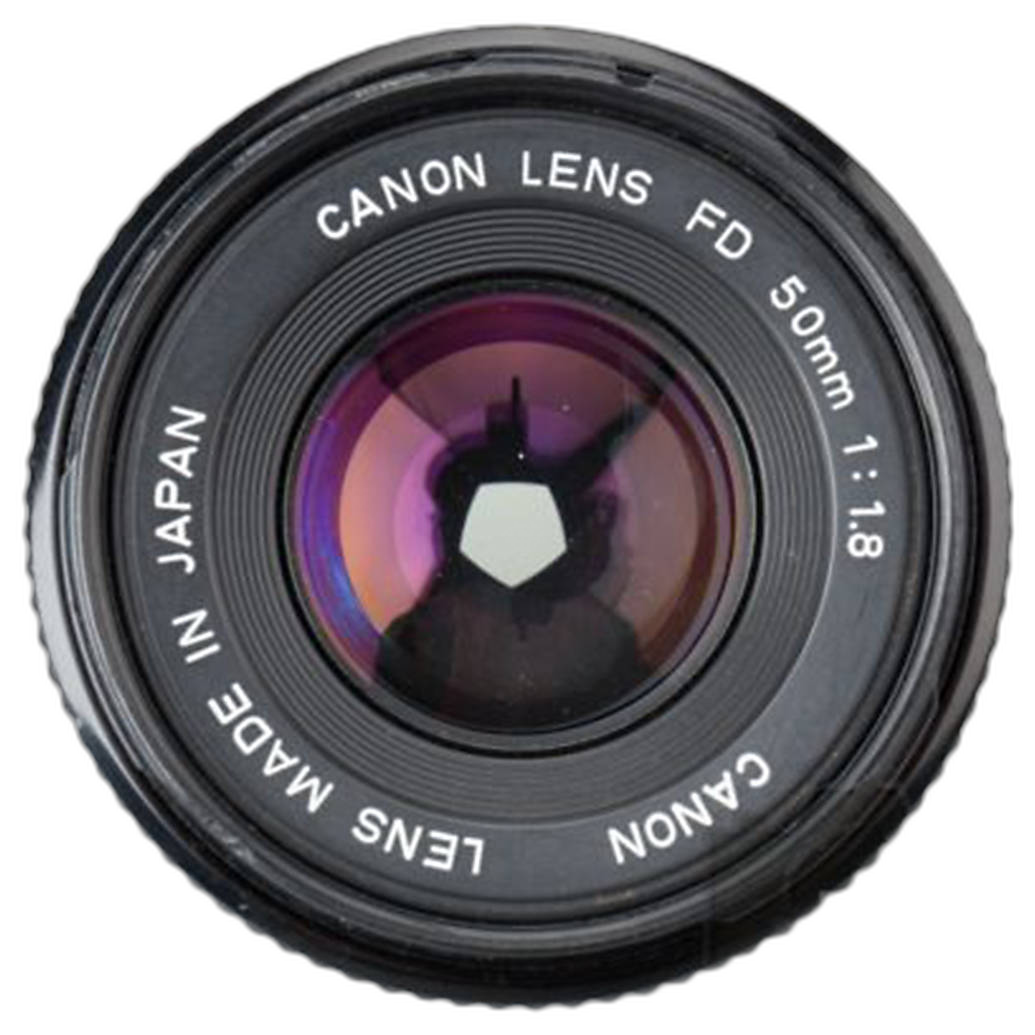
For budget-conscious buyers, a used standard prime can be a very practical purchase. It offers a natural angle of view and a brighter aperture than most kit zooms, making it useful for portraits, casual everyday photography, and low-light work. Compared to buying a new lens, this route can be ideal if you're building out a vintage film kit or adapting old glass for creative use.
Best for: Beginners exploring prime lenses, film shooters, and anyone looking for affordable classic glass.
Used Canon EF-M 15-45mm f/3.5-6.3 IS STM - Good
Why it stands out: Not every used-lens purchase has to be exotic or vintage. Sometimes the best used buy is simply a practical everyday lens at a better value. This Canon EF-M zoom is a good example for photographers who want a lightweight walkaround option without paying new-lens pricing.
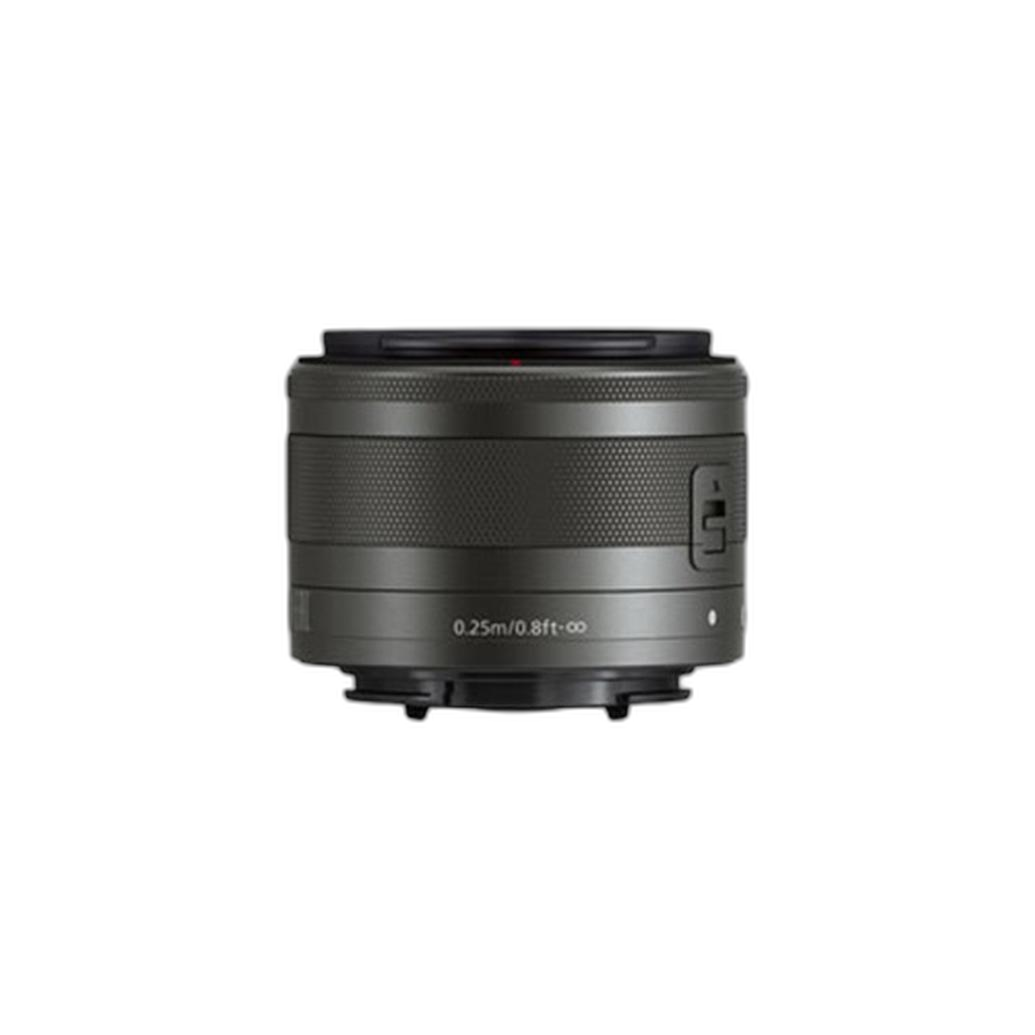
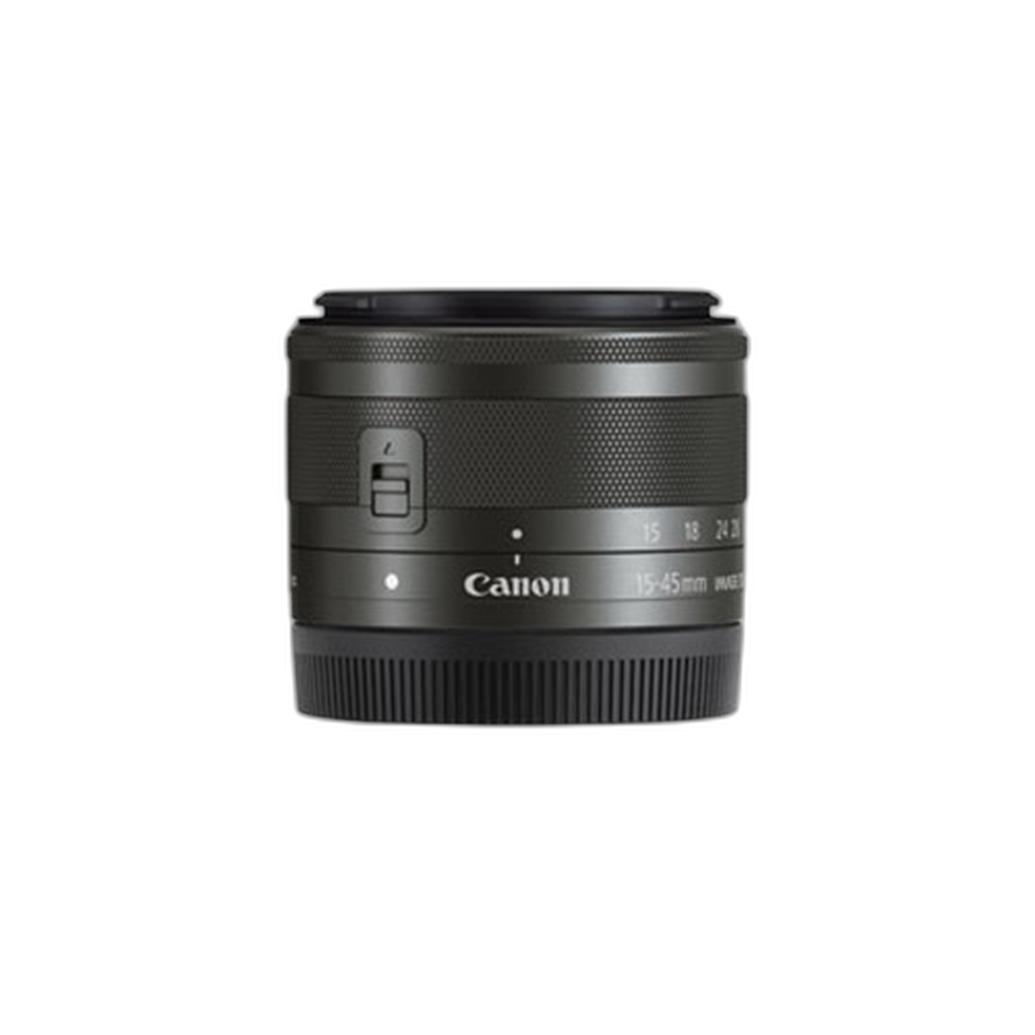
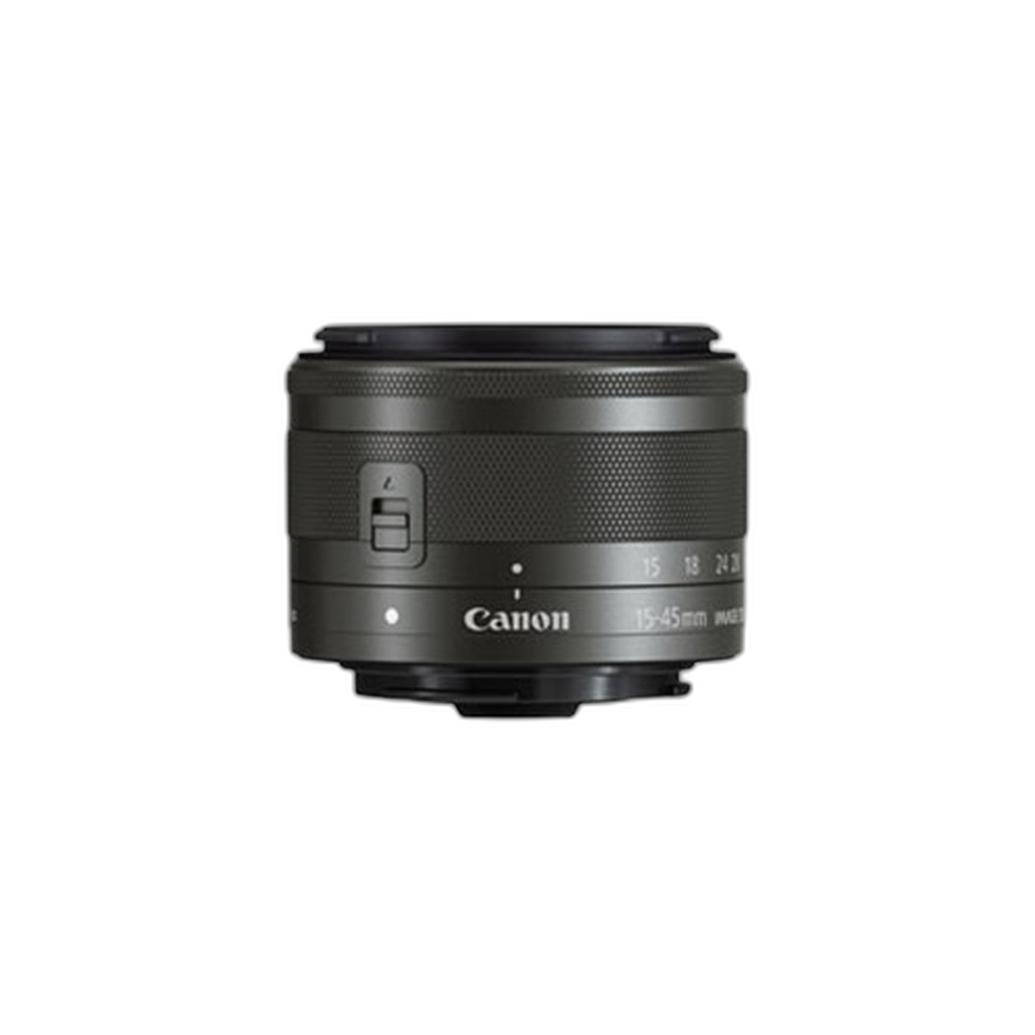
If you value convenience, autofocus, and stabilization for travel or daily shooting, a used modern zoom may be more sensible than chasing the lowest-cost new option. It's a reminder that buying used isn't only about collectible lenses; it can also be a smart way to save on practical system lenses.
Best for: Travel, family photography, casual everyday shooting, and mirrorless users looking for value.
Used Hasselblad 50MM F/4 CF T* - Excellent
Why it stands out: Specialty and medium format lenses are one of the most compelling categories to shop used. This Hasselblad lens shows how buying used can make premium professional optics more accessible.
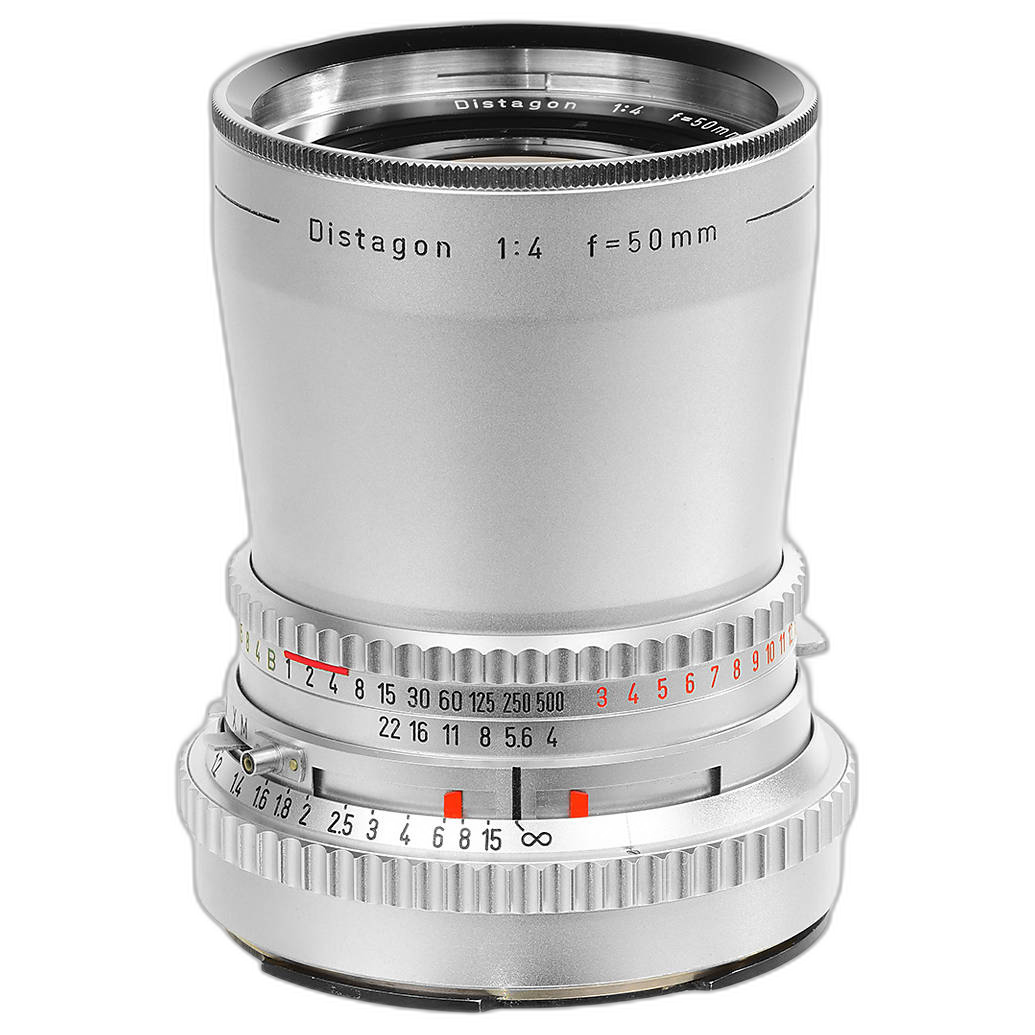
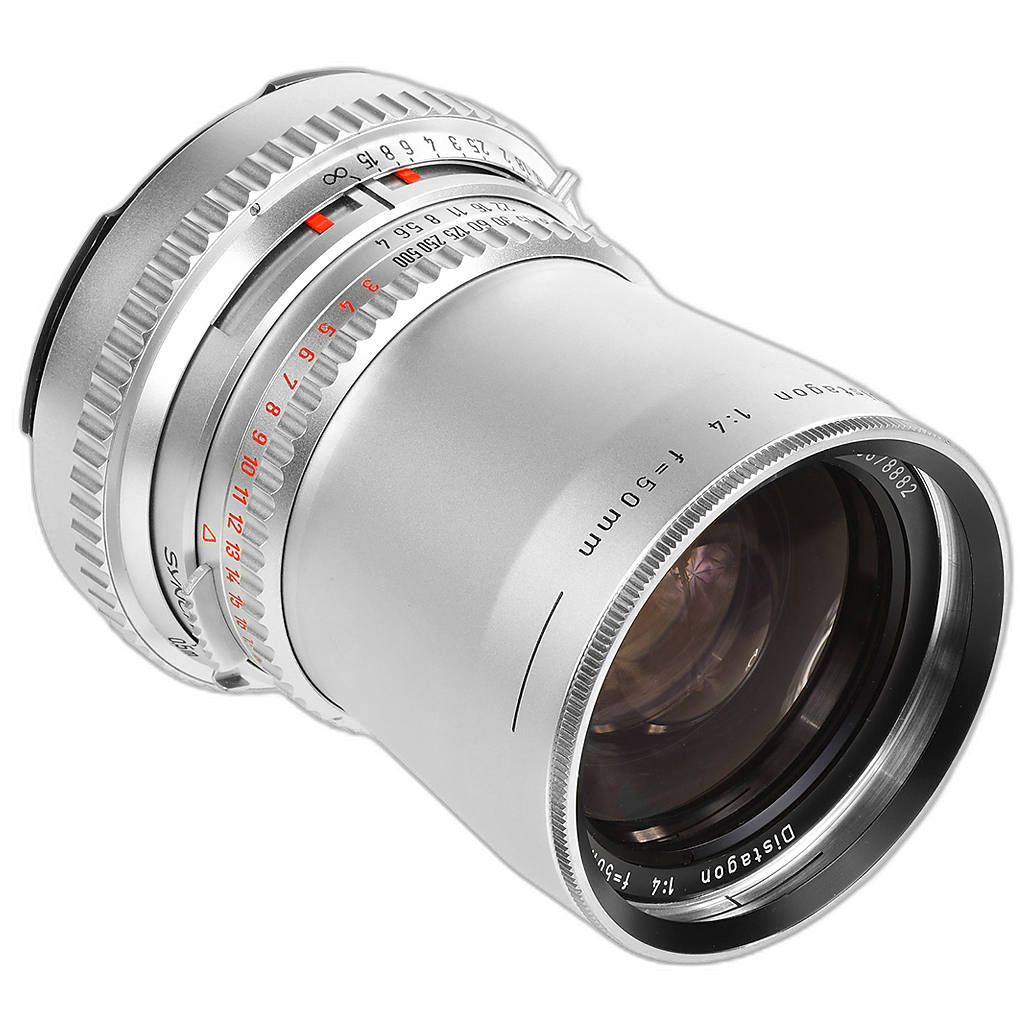
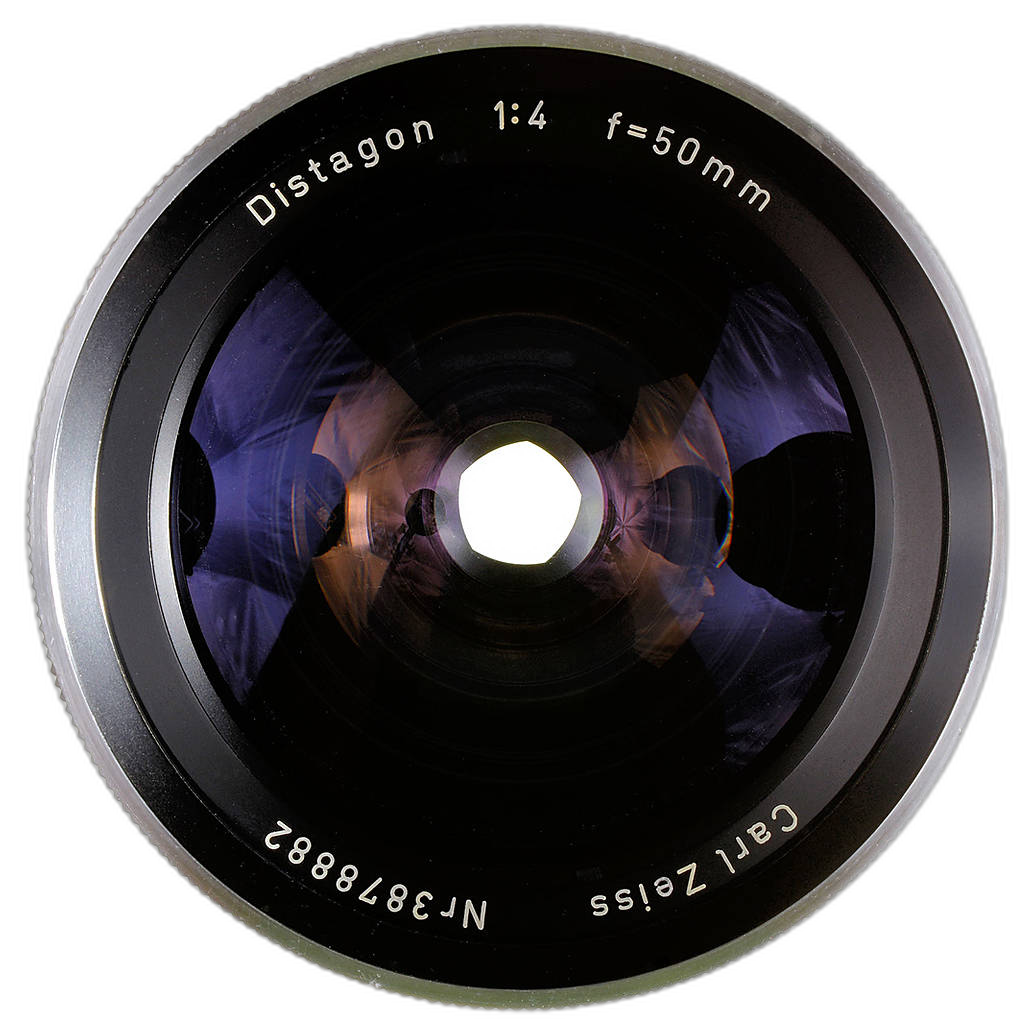
For medium format photographers, new lenses can be prohibitively expensive, while well-kept used options can deliver top-tier image quality and mechanical craftsmanship. An Excellent condition rating is particularly encouraging when shopping in this class, since condition matters greatly for long-term confidence. If you're building or expanding a Hasselblad system, used may be the most realistic and rewarding path.
Best for: Medium format photographers, serious landscape shooters, and collectors seeking premium optical quality.
Used Nikon Nikkor-W 135MM F/5.6 - Excellent
Why it stands out: Large format and specialty optics are another area where used gear often makes far more sense than new. This Nikon Nikkor-W is aimed at photographers with specific format needs and a more deliberate workflow.
Because lenses like this are more specialized, the used market becomes invaluable. Rather than paying a premium for niche gear—or struggling to find current alternatives—you can often source proven optics in strong condition. An Excellent-grade used lens can be an excellent value when your priority is image circle, format compatibility, or classic large-format rendering rather than the latest convenience features.
Best for: Large format photographers, fine art image-makers, and shooters with specialized technical needs.
Quick Comparison of These Used Lens Options
| Lens | Type | Condition | Why Buy Used? | Ideal User |
|---|---|---|---|---|
| Nikon 50mm f/1.2 Ai | Fast manual-focus prime | Good | Access to a premium bright aperture at better value | Creative enthusiasts and portrait shooters |
| Canon FD 50mm f/1.8 | Manual-focus standard prime | Good | Affordable entry into classic prime photography | Beginners and film shooters |
| Canon EF-M 15-45mm f/3.5-6.3 IS STM | Modern everyday zoom | Good | Save money on a practical daily-use lens | Travel and casual mirrorless users |
| Hasselblad 50MM F/4 CF T* | Medium format wide lens | Excellent | Premium system optics at a more attainable cost | Medium format photographers |
| Nikon Nikkor-W 135MM F/5.6 | Specialty/large format lens | Excellent | Best route to niche optics and legacy compatibility | Large format specialists |
So, Should You Buy Used or New?
If you want maximum value, unique character, or access to premium and discontinued optics, used lenses are often the better buy. If you need the latest autofocus, warranty protection, and the confidence of a factory-fresh product, new lenses still have clear advantages. The best decision comes down to how you shoot and what matters most: cost savings, features, condition, or long-term support.
For many photographers, the smartest move is to buy used when shopping for primes, legacy lenses, medium format optics, or specialty glass—and save new purchases for mission-critical lenses where the latest technology matters most. If you're ready to compare options and shop confidently, Unique Photo is a great place to find carefully listed used lenses that can help you get more creative value for your budget.