Developing C-41 film at home can feel intimidating at first, but it is one of the most rewarding ways to take control of your film photography workflow. With the right setup, a little patience, and careful attention to temperature and timing, beginners can get clean, consistent color negatives right from the kitchen or home darkroom. If you have been shooting film on cameras such as a classic medium-format option like the Used Voigtlander Perkeo I 6x6 120 Film Camera - Good, learning to process your own rolls is a great next step.
The good news is that C-41 is much more approachable than many first-timers expect. Below are practical tips on the essential equipment you need, plus the most common beginner mistakes to avoid.
Essential Equipment for Home C-41 Processing
1. Start with a reliable developing tank and reels
Your tank and reels are the foundation of the whole process. Make sure you have a daylight tank that matches the film format you plan to develop, whether that is 35mm or 120. If you are shooting 120 film in a folding camera like the Voigtlander Perkeo I, double-check that your reels are adjustable and that you practice loading them with a scrap roll before mixing chemistry.
The biggest beginner issue here is loading film poorly. If the film binds on the reel, chemistry may not reach the emulsion evenly, causing streaks or undeveloped spots.
2. Use an accurate thermometer and prioritize temperature control
C-41 processing is far less forgiving about temperature than black-and-white film. Your chemistry needs to stay very close to the recommended processing temperature, typically around 102°F / 39°C depending on your kit instructions. A good thermometer and a warm water bath are essential.
One of the most common mistakes beginners make is trusting water temperature by feel or letting chemistry drift too far during development. Even small changes can affect color balance and density.
3. Keep your timing precise
Use a dedicated timer or smartphone app and stick closely to the instructions from your chemistry kit. C-41 is a standardized color-negative process, so timing matters at every stage, especially the developer step.
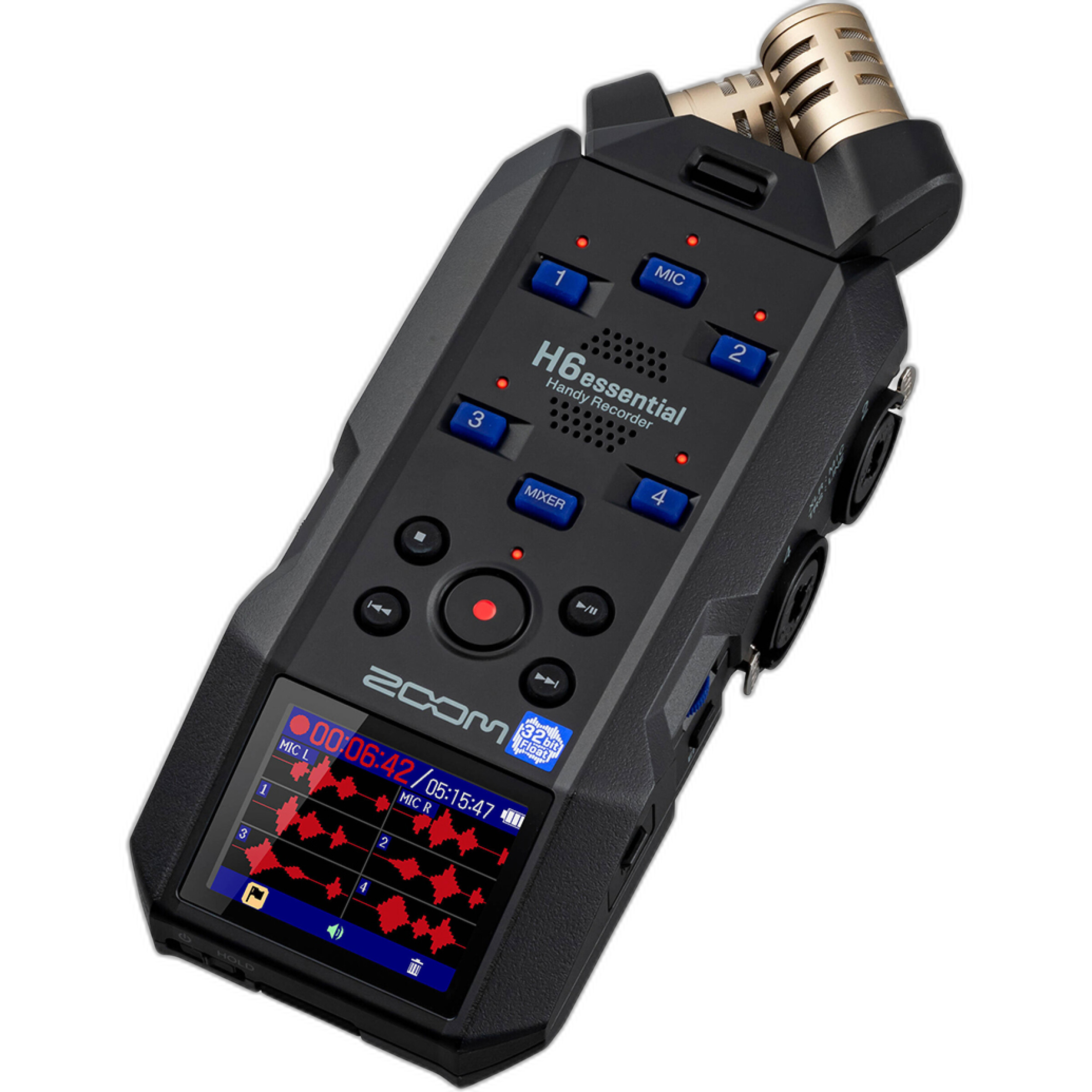
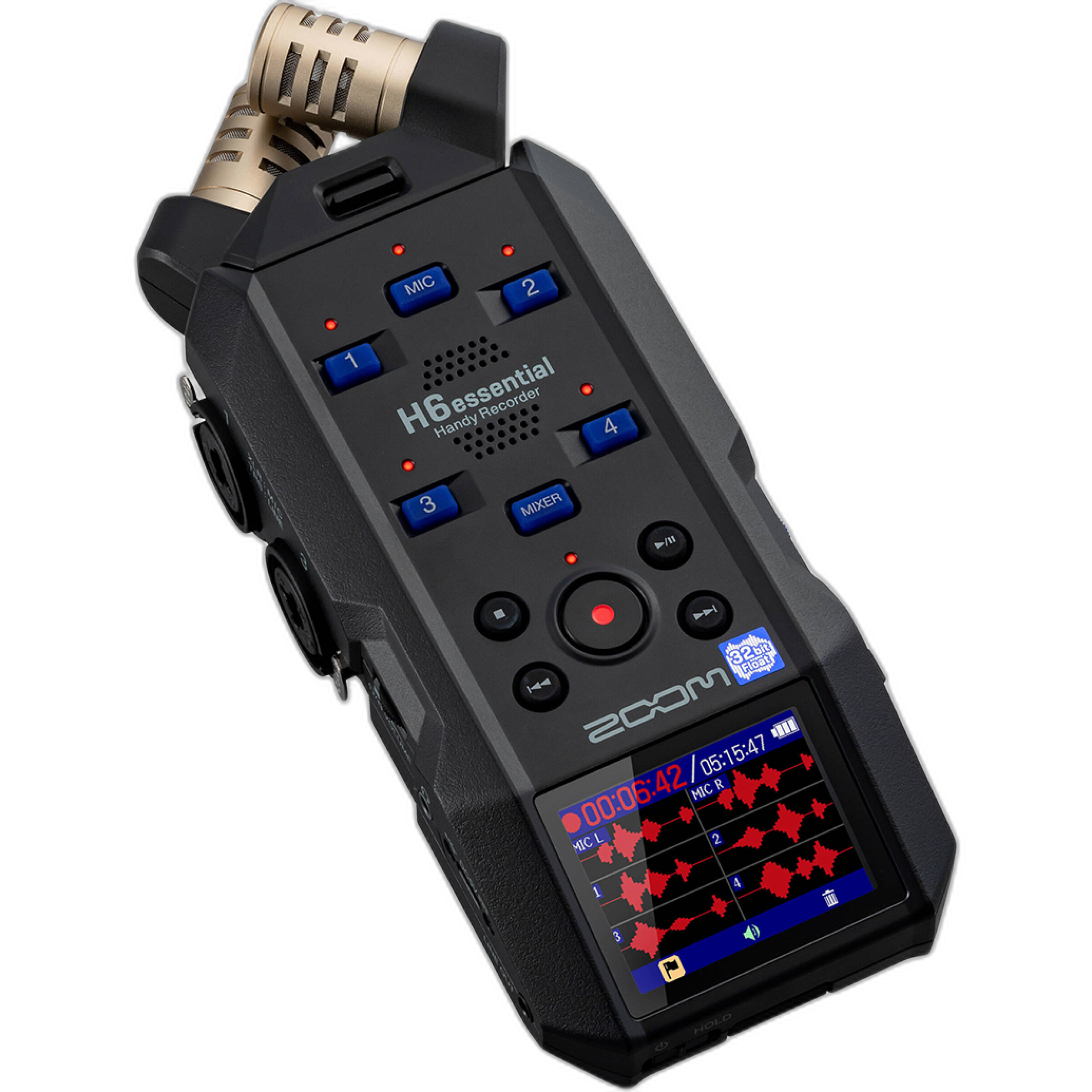
If you like documenting your workflow for future consistency, a field recorder such as the Zoom H6Essential Series 6-Track 32-Bit Float Handheld Recorder can even be useful for hands-free voice notes while you work through each stage of your process.
4. Mix and store your chemistry carefully
A standard C-41 kit usually includes developer, bleach, fixer, or a combined blix, plus stabilizer depending on the formula. Mix each solution exactly as directed and label your bottles clearly. Reusable chemical storage bottles help extend the life of mixed chemistry by limiting air exposure.
If you are building a broader color workflow at home, it also helps to understand how professional color chemistry is organized. For example, products like Fujifilm Digital RA PRO Developer/Replenisher Part B are part of larger lab-based color systems, reminding home users just how important accurate chemical handling and proper replenishment practices are in any color process.
5. Have a clean drying space ready before you begin
Once your film is processed, it needs to dry in a dust-free area. A bathroom after a hot shower can work well because the steam helps settle airborne dust. Use clips to hang the film straight, and avoid touching the emulsion side.
Many beginners focus so much on development that they forget drying prep. Dust, fingerprints, and water spots can undo an otherwise perfect processing session.
Beginner Mistakes to Avoid
6. Don’t skip a test roll before processing important images
Before developing once-in-a-lifetime photos, run a test roll through your system. This helps you confirm that your tank, chemistry, thermometer, and timing routine are all working together. It is especially wise if you are shooting valuable family images or your first roll from a vintage camera.
7. Avoid contamination between chemicals
Even a small amount of developer accidentally transferred into bleach, fixer, or stabilizer can reduce the life of your chemistry and affect results. Use separate graduates, funnels, or stirring tools when possible, and rinse thoroughly between steps.
This is one of the easiest mistakes to make when working quickly. Staying organized is more important than rushing.
8. Don’t under-agitate or over-agitate
Agitation ensures fresh chemistry reaches the film evenly. Too little agitation can create streaking or uneven development; too much can sometimes increase density or create inconsistency. Follow your kit’s recommended inversion pattern and keep it consistent from roll to roll.
Consistency matters more than improvisation when you are learning.
9. Watch your chemistry capacity and age
C-41 chemistry does not last forever, whether mixed or unmixed. Pay close attention to how many rolls your kit is rated to process and how long the chemistry remains active after mixing. Beginners often try to stretch chemicals too far, then wonder why negatives come out thin or color shifts appear.
If your results suddenly become inconsistent, exhausted chemistry is one of the first things to check.
10. Don’t judge negatives before scanning or printing
Freshly developed C-41 negatives can look strange to beginners because of the orange mask and muted tones. That does not mean anything went wrong. The real evaluation happens when you scan or print the film.
For photographers exploring a complete analog-to-print workflow, products from Fujifilm’s printing and paper ecosystem, such as Fujifilm DIGITAL PRO Glossy and Fujifilm Paper Super Type Cn Matte, highlight the end goal of turning color negatives into finished images. Even if you scan at home first, it helps to remember that good processing is just one step in the final image chain.
11. Keep notes so you can repeat success
Write down the date, chemistry age, temperature, agitation pattern, and any issues you noticed. This makes troubleshooting dramatically easier and helps you improve quickly. C-41 rewards repeatable habits.
If your first few rolls are not perfect, detailed notes will help you pinpoint whether the problem came from loading, temperature, timing, or chemistry exhaustion.
Bonus Setup Tips for a Smoother Workflow
12. Organize your workspace before opening the tank
Lay out your chemicals in order, preheat your bottles if needed, set your timer, and make sure your sink or water bath is ready. A calm setup reduces mistakes once the process starts moving.
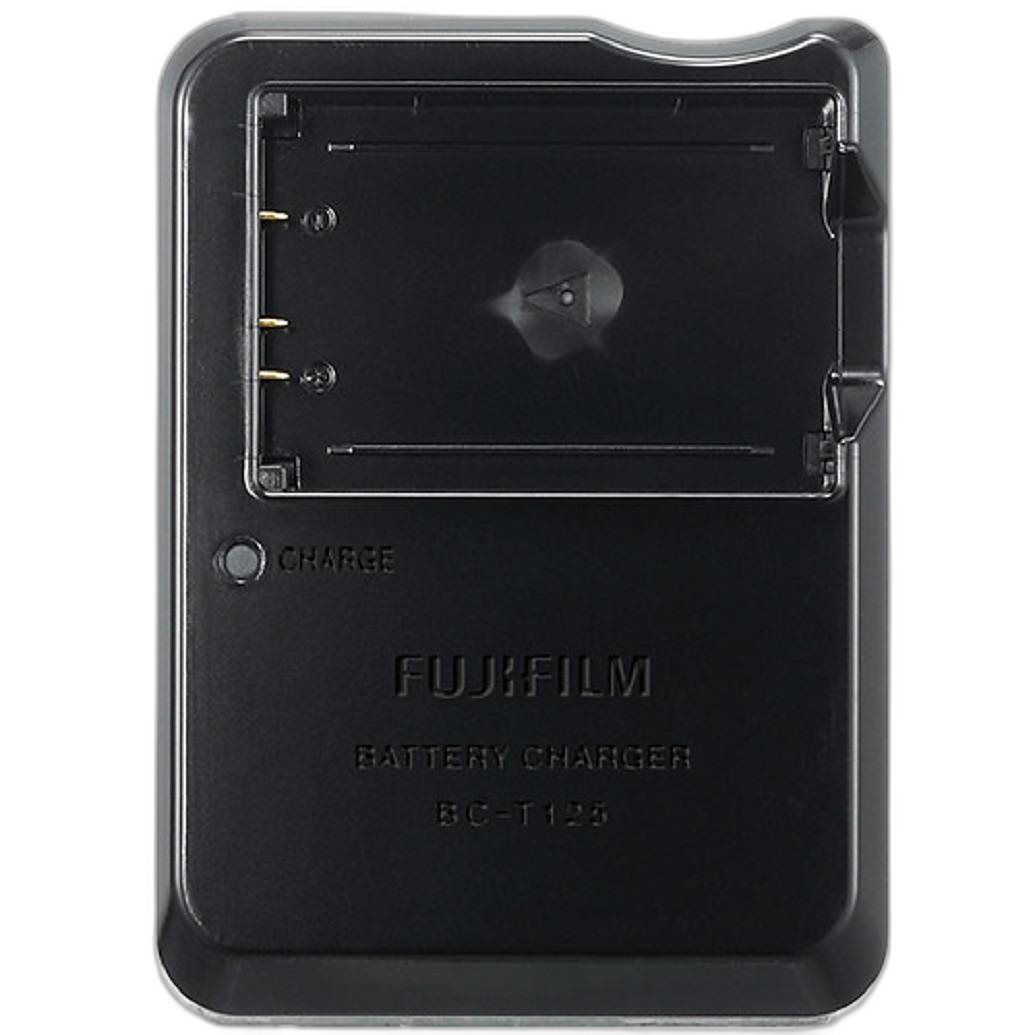
Simple accessories can also help keep a home workspace organized. While not specific to film developing, maintaining a tidy gear area with clearly separated tools, chargers, and accessories prevents confusion. For example, something like the Fujifilm BC-T125 Battery Charger belongs well away from wet chemistry zones, a useful reminder to keep electronic accessories and processing tools in separate areas.
13. Accept that your first roll is part of the learning process
Nearly every home film developer makes a few mistakes at the beginning, whether that means slightly off temperature, awkward reel loading, or dust during drying. The key is to refine your process rather than chase perfection immediately.
Once you establish a repeatable system, home C-41 development becomes much less stressful and much more enjoyable.
Conclusion
Developing C-41 film at home is absolutely within reach for beginners, especially when you focus on the essentials: a dependable tank, accurate temperature control, careful timing, fresh chemistry, and a clean drying space. Avoid the most common mistakes, keep good notes, and your confidence will grow with every roll.
If you are ready to expand your film workflow, Unique Photo is a great place to explore photography gear, accessories, and imaging tools to support your next step from camera to final print.