Used Lens Buying FAQ: What to Check Before You Purchase
Buying a used lens can be one of the smartest ways to expand your kit, whether you're looking for an affordable everyday prime, a specialty medium format optic, or a compact mirrorless zoom. The key is knowing how to inspect condition, evaluate risk, and decide which flaws matter for your style of shooting.
At Unique Photo, we help photographers shop used gear with more confidence by focusing on optical condition, mechanical performance, and overall value. Use this FAQ as a practical guide before committing to your next pre-owned lens.
How can I spot fungus, haze, or other optical problems in a used lens?
Start by examining the lens under a bright light and looking through both the front and rear elements at different angles. Fungus often appears as web-like strands, branching patterns, or small clustered spots inside the lens. Haze usually looks more like an overall foggy veil that reduces contrast rather than a sharply defined mark. Dust is common in many used lenses and is often harmless in small amounts, but haze, fungus, and separation are much more serious concerns because they can affect image quality and become expensive to repair.
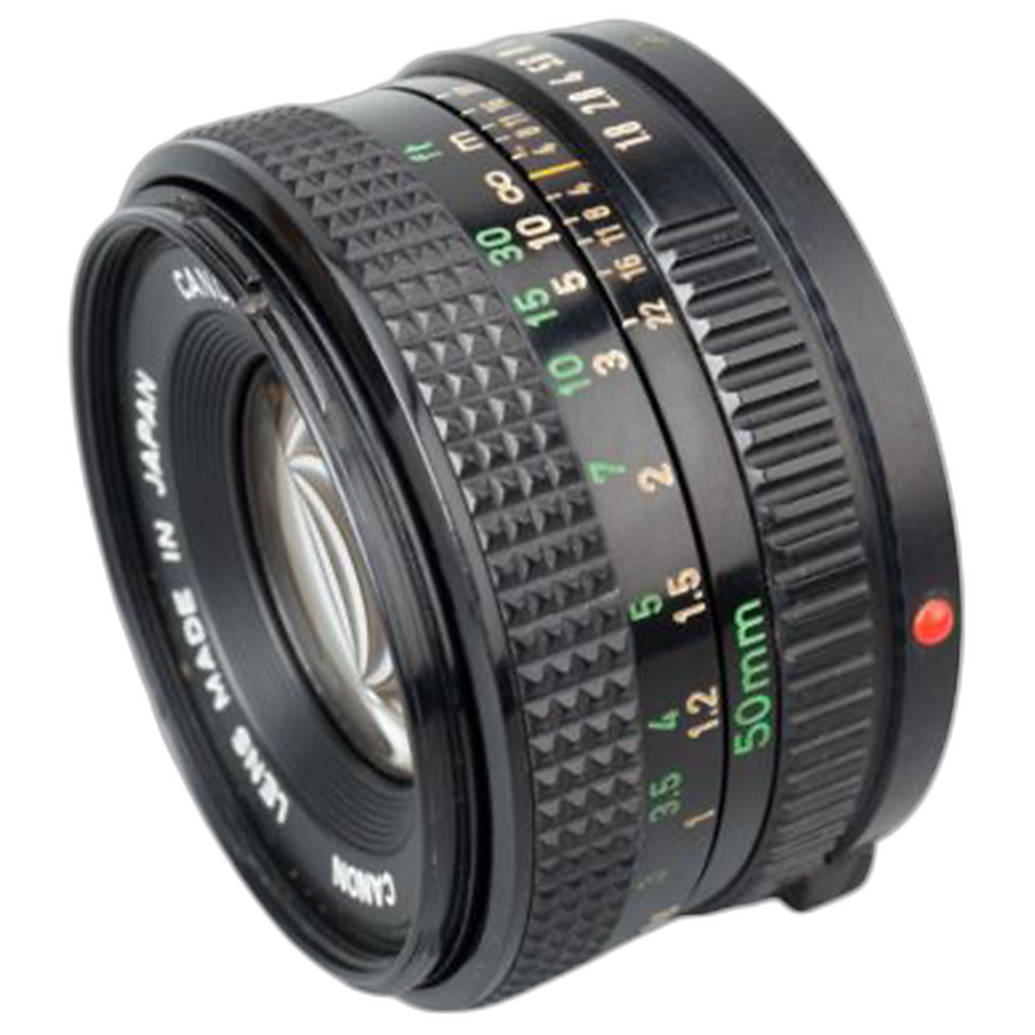
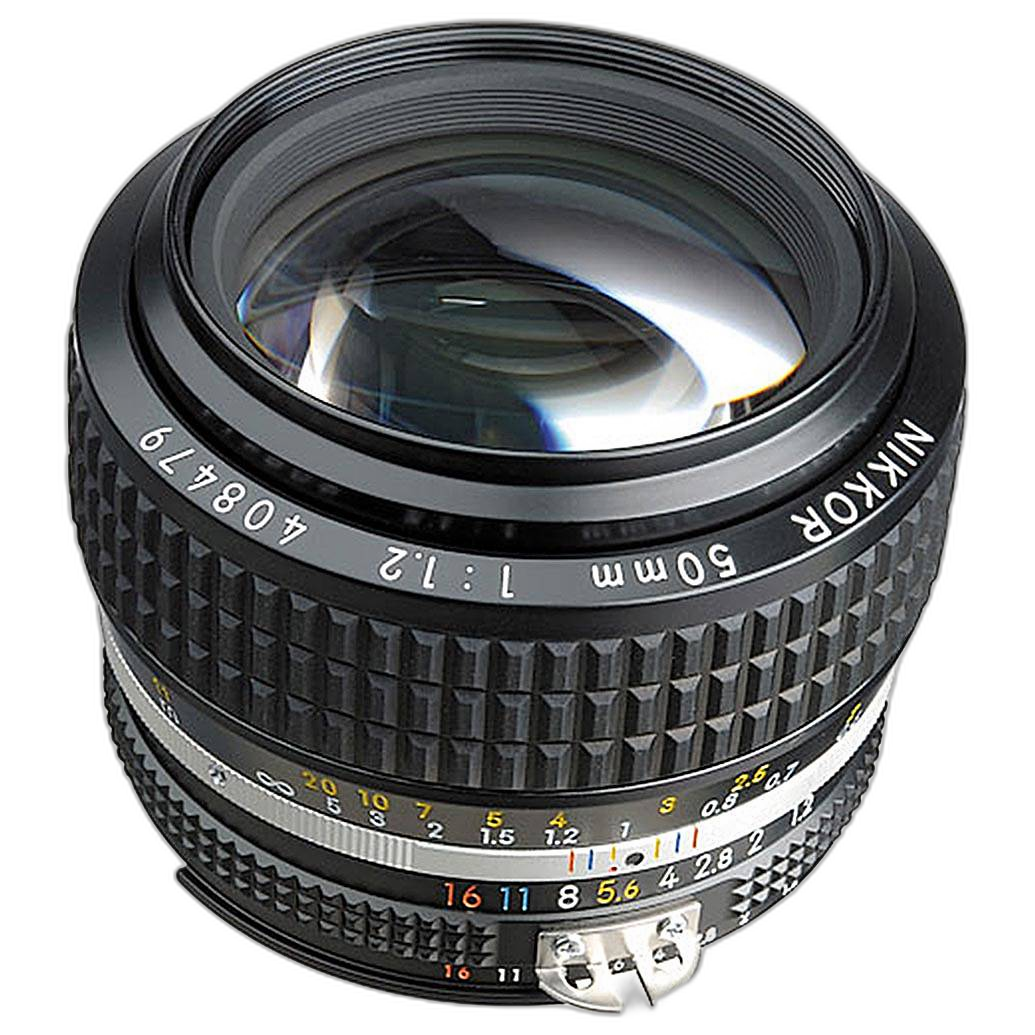
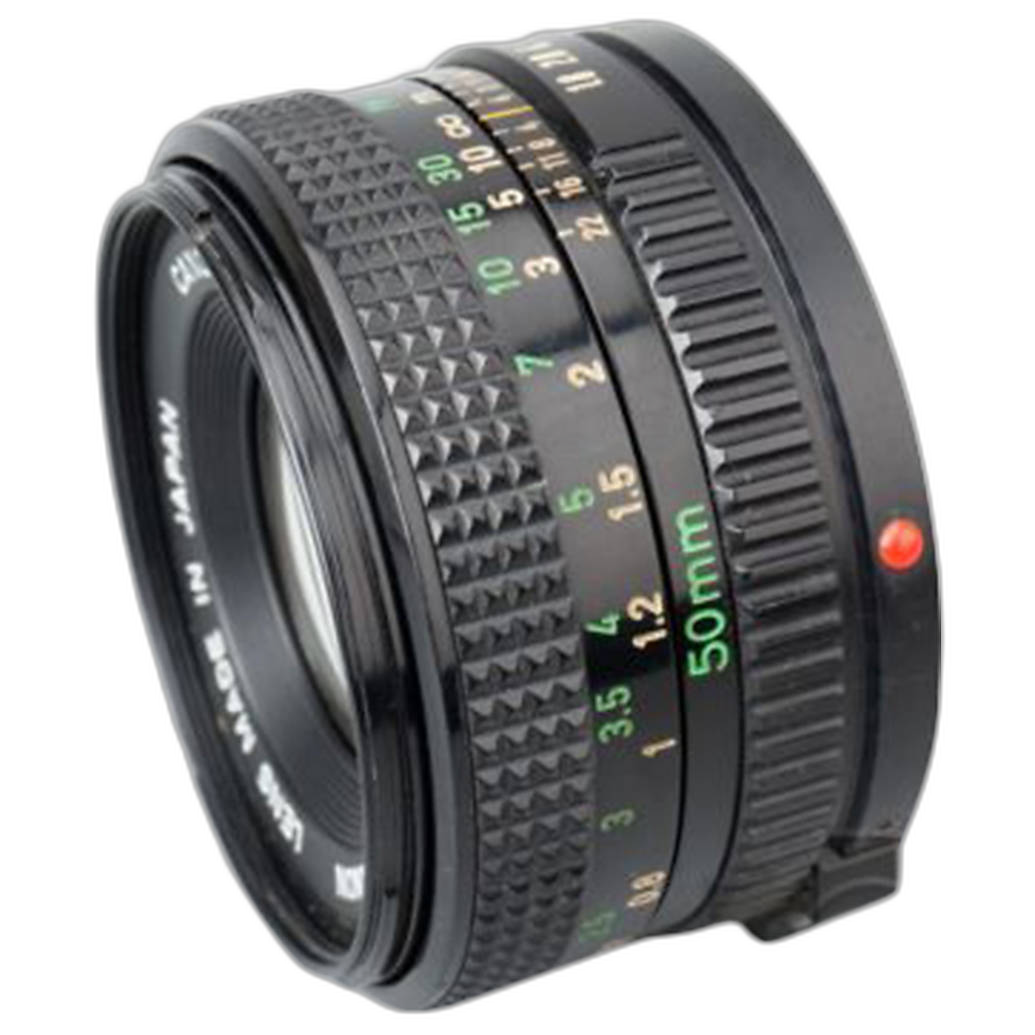
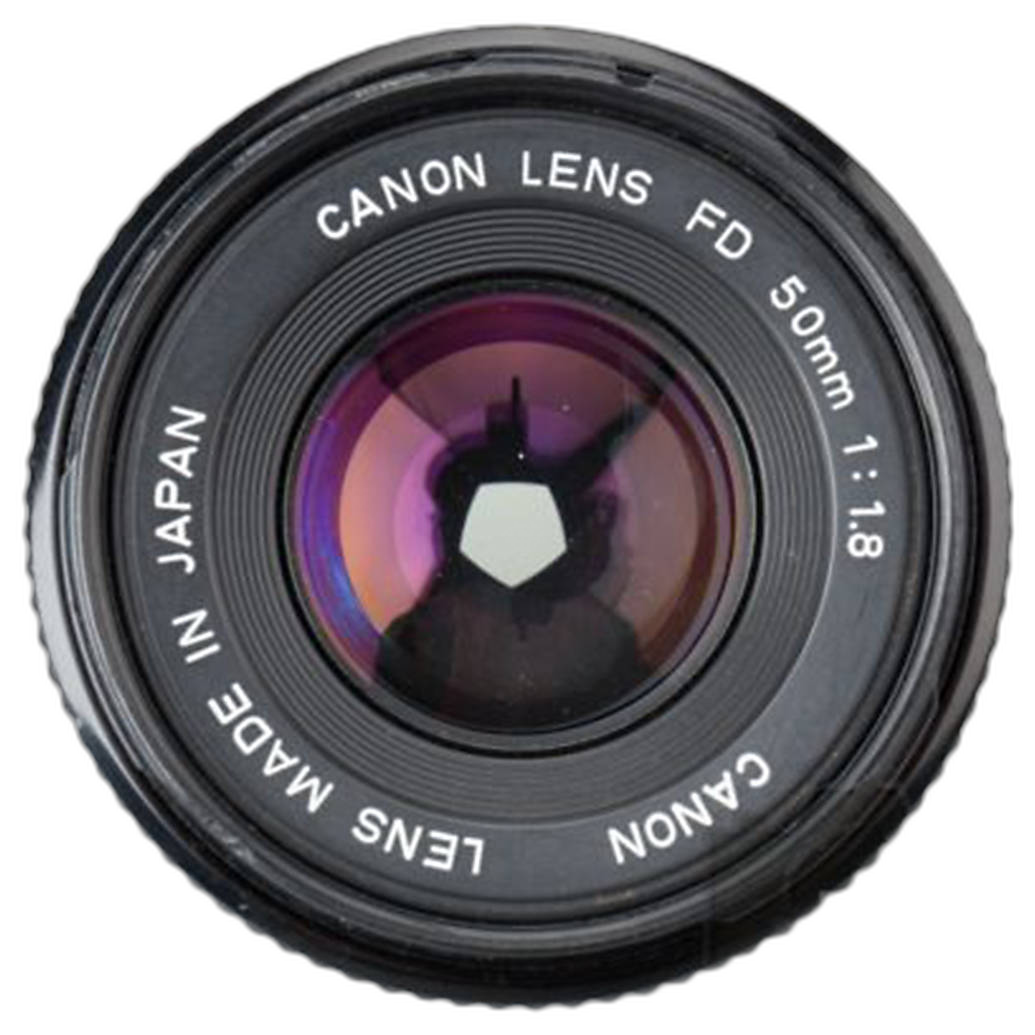
Pay close attention to whether the glass looks clear and evenly transparent. A lens with clean optics and normal signs of use can be a strong value, especially in vintage manual-focus models such as the Used Canon FD 50mm f/1.8 Lens - Good or the Used Nikon 50mm f/1.2 Ai - Good. These lenses are popular precisely because buyers are often willing to accept mild exterior wear if the optics remain healthy.
What cosmetic issues are acceptable, and which ones should be dealbreakers?
Minor cosmetic wear is normal on used equipment. Small paint loss, barrel marks, or light scuffing usually do not affect performance. In many cases, cosmetic wear simply reflects regular use. What matters more is whether that wear points to impact damage, poor storage, or internal problems.
Red flags include dented filter threads, a bent barrel, damaged mount contacts, loose rings, missing screws, or anything suggesting the lens was dropped. If the lens mounts securely, the focus and zoom rings feel smooth, and the aperture functions correctly, moderate cosmetic wear may be an acceptable tradeoff for a better price. That can be especially true when shopping for character-rich used glass where function matters more than appearance.
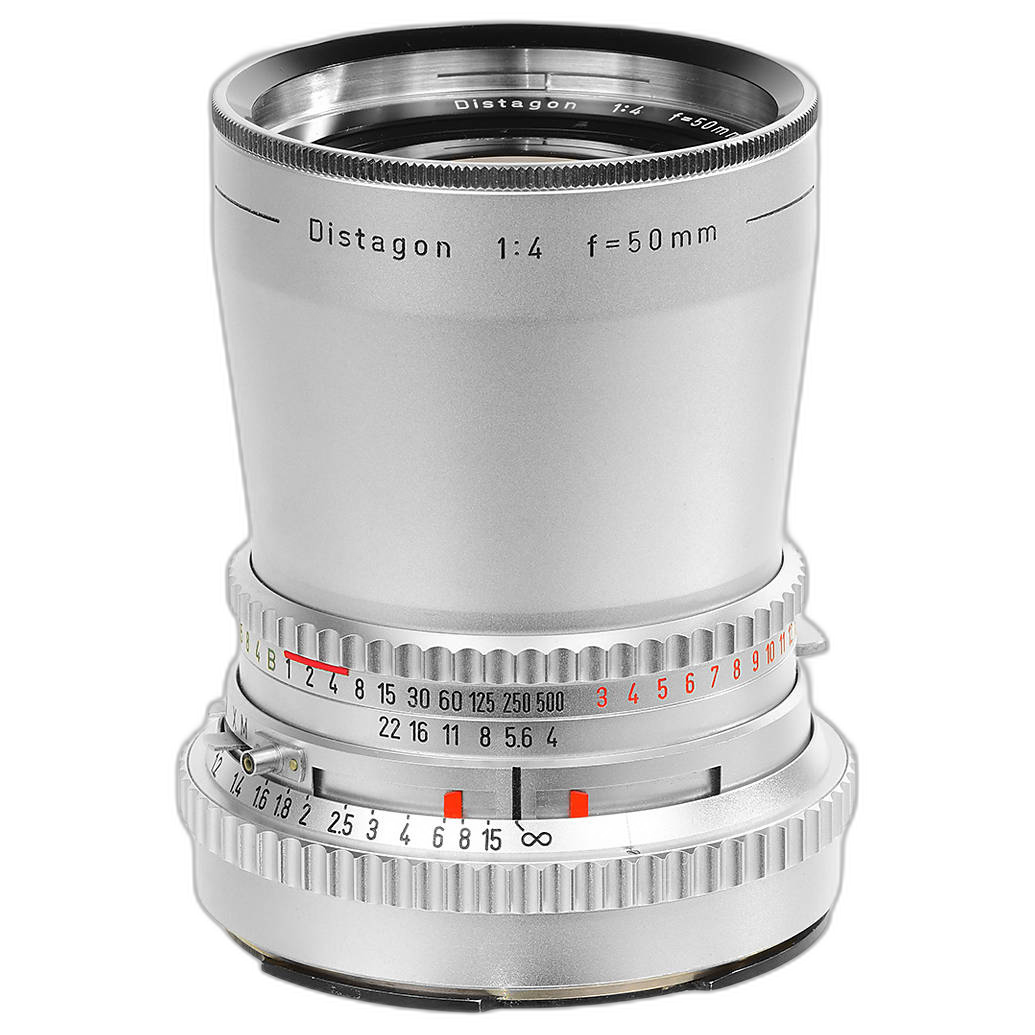
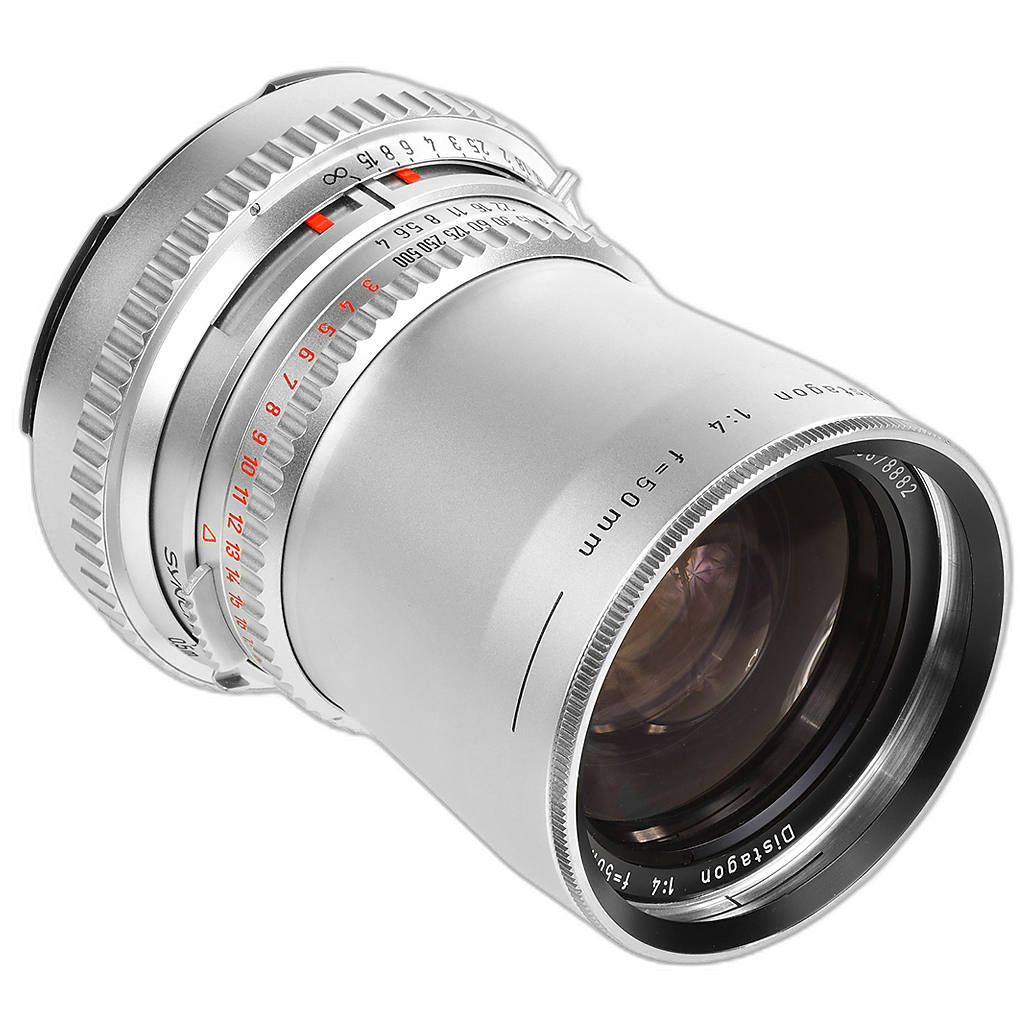
For higher-value optics, condition becomes even more important. A lens like the Used Hasselblad 50MM F/4 CF T* - Excellent should show strong overall preservation, because buyers in that category typically expect excellent optical and mechanical performance to match the premium format and reputation.
Is there a checklist for testing autofocus, sharpness, and basic performance?
Yes. If you can test a used lens in person, bring a compatible camera body and run through a simple repeatable checklist. First, confirm the lens mounts properly and communicates with the camera if it is an electronic lens. Next, test autofocus at near, mid, and far distances in good light. Listen for unusual noises, hesitation, or hunting. Then review sample images at 100% magnification for sharpness, decentering, and unexpected softness on one side of the frame.
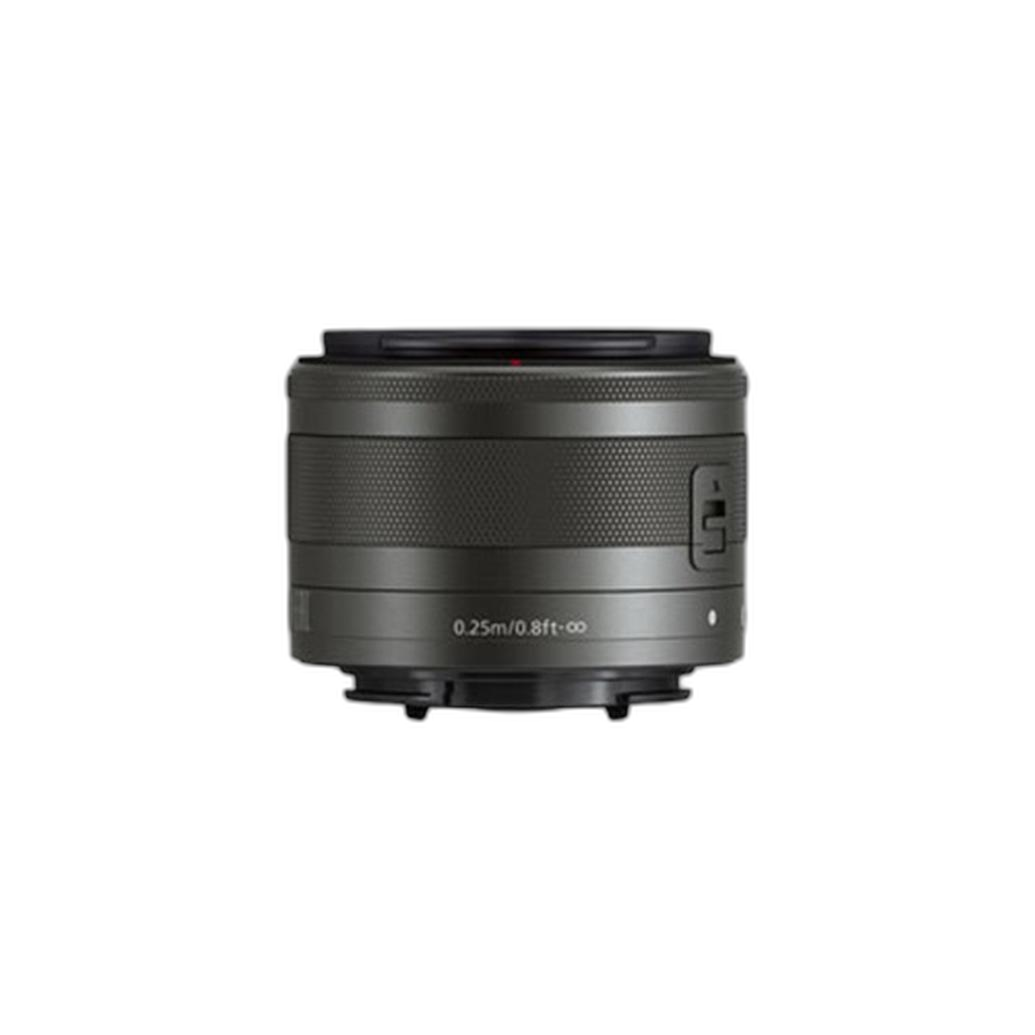
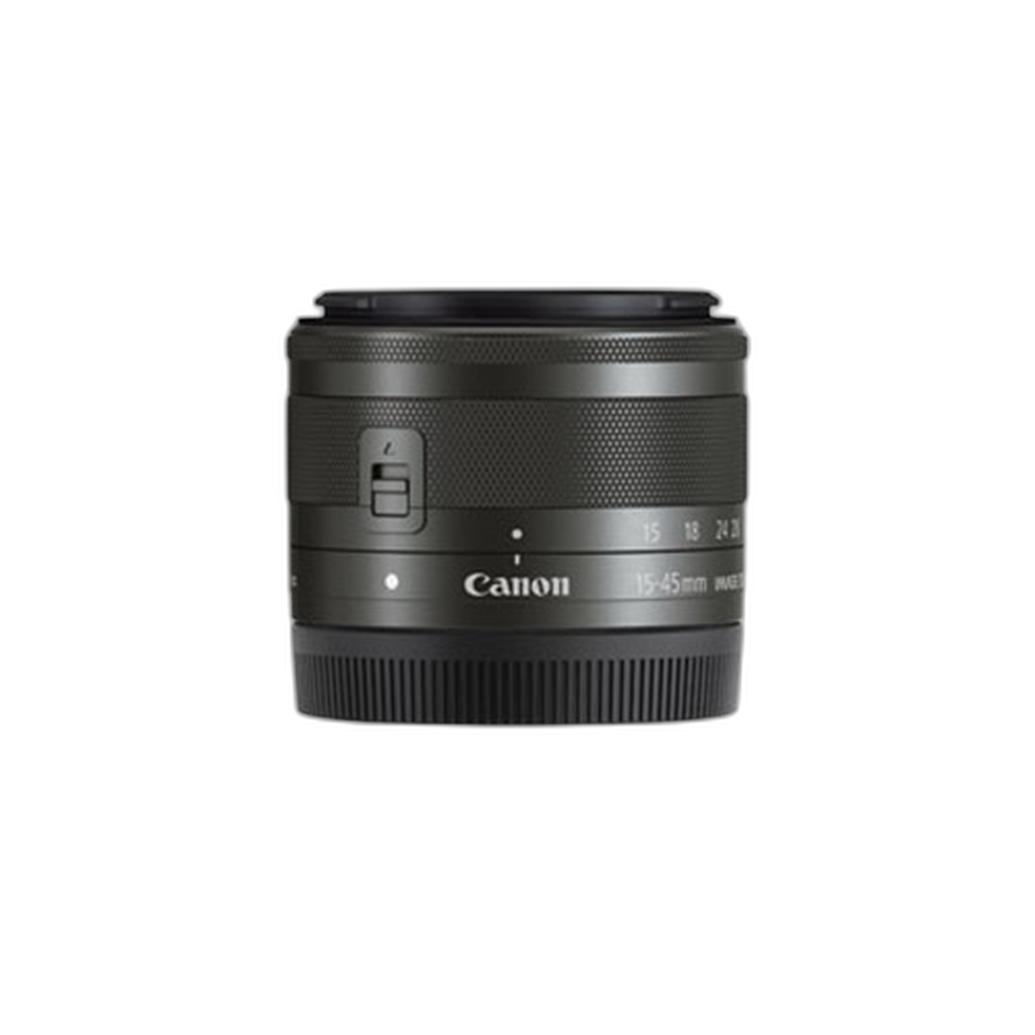
Also test the aperture by stopping down and checking that exposure changes consistently. For zooms, verify performance at both ends of the range. For example, with a compact mirrorless option like the Used Canon EF-M 15-45mm f/3.5-6.3 IS STM - Good, you would want to test autofocus speed, image stabilization behavior if applicable, and edge-to-edge sharpness at multiple focal lengths.
For manual-focus lenses, focus throw and consistency are critical. A lens can be optically excellent but frustrating to use if the focusing ring is stiff, uneven, or sloppy.
How do I check for sharpness problems or decentering?
Decentering happens when one part of the optical system is misaligned, often after impact. The easiest way to check is to photograph a flat subject with detail across the frame, such as a brick wall, bookshelf, or newspaper spread, while keeping the camera parallel to the surface. Take images wide open and stopped down, then compare all four corners and the center.
If one side is consistently softer than the other under controlled conditions, the lens may be decentered. This matters on everything from everyday primes to specialized lenses. With a lens like the Used Hasselblad 50MM F/4 CF T* - Excellent, edge consistency is especially worth verifying because photographers often choose medium format glass for its resolving power and image quality across a larger image circle.
What are the biggest risks when buying from online marketplaces versus local sellers?
Online marketplaces can offer wide selection and competitive prices, but the risk level depends heavily on the accuracy of the listing, return policy, packaging quality, and seller reputation. Photos may not reveal internal haze, aperture issues, or subtle mount damage. Even honest sellers may not know how to test a lens thoroughly.
Local classifieds let you inspect the lens in person, but they can come with less buyer protection and more pressure to make a quick decision. In-person deals are best when you can bring your own camera, perform a full inspection, and avoid meeting without enough time to test.
Buying from a trusted camera retailer can reduce uncertainty because gear is typically graded, inspected, and presented more clearly. That peace of mind can matter whether you're shopping for a classic manual lens like the Used Canon FD 50mm f/1.8 Lens - Good or a more modern compact option like the Used Canon EF-M 15-45mm f/3.5-6.3 IS STM - Good.
How important is seller reputation when buying used lenses?
Seller reputation is one of the strongest indicators of how much risk you're taking. Look for a consistent history of accurate descriptions, responsive communication, careful packaging, and a willingness to answer specific questions. A vague listing with only one image and no mention of optical condition should make you cautious, especially for older lenses that may have hidden issues.
A strong seller should be able to confirm whether there is fungus, haze, excessive dust, oil on aperture blades, autofocus inconsistency, or damage to the mount and filter threads. They should also explain how they tested the lens. The more valuable or specialized the optic, the more that documentation matters.
What mechanical checks should I perform besides looking at the glass?
Optics are only part of the story. Rotate the focus ring through the full range and check for stiffness, grinding, or uneven resistance. On zoom lenses, test for zoom creep and make sure the barrel extends and retracts smoothly. If the lens has an aperture ring, verify that clicks are distinct and the blades respond properly. On electronic lenses, inspect contacts for wear or corrosion and confirm the lens communicates with the camera body correctly.
Older manual-focus lenses deserve extra attention here. A fast vintage prime like the Used Nikon 50mm f/1.2 Ai - Good can be a fantastic creative tool, but only if the aperture ring feels right, the helicoid is smooth, and the lens mount is secure. Likewise, if you are buying a legacy lens to adapt, smooth manual handling can be just as important as sharpness.
Should I avoid vintage lenses if they show age?
Not at all. Many vintage lenses remain excellent creative options and can deliver unique rendering, strong build quality, and great value. The key is understanding the difference between normal aging and harmful deterioration. Light exterior wear, a few dust particles, and minor finish marks are common. Fungus, severe haze, balsam separation, oil on blades, or impact-related damage are much more concerning.
If you're building a manual-focus kit on a budget, a lens such as the Used Canon FD 50mm f/1.8 Lens - Good may be a practical entry point. If you want something faster and more specialized, the Used Nikon 50mm f/1.2 Ai - Good can appeal to photographers chasing shallow depth of field and classic rendering. Vintage lenses can be excellent purchases when condition is honestly assessed and priced accordingly.
How do I decide if the price is worth the risk?
Think in terms of total value, not just the lowest number. A bargain stops being a bargain if the lens needs service, arrives with hidden optical problems, or fails critical tests after purchase. Compare the asking price against the lens's condition grade, rarity, serviceability, included caps or accessories, and your confidence in the source.
For example, a well-kept specialty lens in excellent condition may justify a higher price if it saves you uncertainty and downtime. On the other hand, an inexpensive starter lens can still be a good buy with some cosmetic wear if it performs cleanly where it matters. Matching your tolerance for risk to your budget and intended use is the best way to shop smart.
Used gear can be one of the best values in photography when you know what to inspect and where to buy. If you're ready to compare pre-owned lenses with more confidence, explore the used selection at Unique Photo for carefully presented options ranging from classic manual-focus primes to modern mirrorless glass.