Lightweight Travel Photography Kit FAQ: Smart Packing for Better Images
Building a travel photography kit is all about choosing gear that earns its place in your bag. The best setup is not necessarily the smallest or the most advanced on paper—it is the one that lets you move comfortably, stay ready for changing scenes, and still come home with images you are excited to share or print.
Below, our team at Unique Photo answers common questions about lens choice, camera format, smartphone photography, and how to balance portability with image quality when you travel.
What is the best go-to lens for travel if I want versatility without too much weight?
For most travelers, a standard zoom is the easiest starting point because it covers everyday focal lengths without requiring constant lens changes. A lens in the equivalent range of roughly 24-70mm or 24-105mm can handle street scenes, landscapes, food, portraits, and casual details in one compact package. If your priority is keeping weight down, a smaller variable-aperture zoom is often a better travel choice than a larger constant-aperture professional zoom.
That said, the right answer depends on how you shoot. If you love cities and interiors, lean wider. If you mostly photograph people and tighter compositions, a short telephoto zoom or a small prime may be better. Many travelers also pair a compact zoom with one fast prime for night scenes or low-light restaurants. The key is to avoid packing lenses "just in case" if they overlap too much.
Should I travel with one lens or bring a small two-lens kit?
A one-lens kit is ideal when convenience matters most. It simplifies your day, keeps your bag lighter, and helps you react faster to moments unfolding in front of you. This approach works especially well for family vacations, walking tours, and destinations where you will be out for long days.
A two-lens kit makes sense when you want a bit more creative flexibility without going overboard. A common strategy is one compact standard zoom plus one lightweight prime lens. The zoom handles daytime versatility, while the prime gives you better low-light performance and subject separation. If you know you will shoot wildlife, distant architecture, or compressed landscapes, swapping the prime for a small telephoto can be smarter.
In practical terms, a disciplined two-lens kit often offers a better balance than carrying three or four lenses. You stay light enough to enjoy the trip while still expanding your creative options.
Are Micro Four Thirds travel kits still relevant compared to APS-C and full-frame?
Absolutely. Micro Four Thirds remains highly relevant for travel photographers because size and weight matter enormously on the road. Smaller bodies and lenses can make a real difference when you are navigating airports, hiking to viewpoints, or carrying your camera all day. Many travelers find that a lighter system means they shoot more often and enjoy the trip more.
APS-C also offers an excellent middle ground, delivering strong image quality in relatively compact packages. Full-frame gives you advantages in dynamic range, low-light performance, and shallow depth of field, but the system weight often increases once you factor in lenses. For some photographers that tradeoff is worth it; for others it becomes a burden by day three of a trip.
The best format is the one that matches your priorities. If your goal is maximum portability, Micro Four Thirds is still a strong contender. If you want a blend of portability and sensor performance, APS-C is compelling. If image quality is your top priority and you are comfortable carrying more, full-frame can be the right choice.
Can a smartphone realistically replace a dedicated camera for serious travel photography?
Smartphones are excellent travel tools, and for many trips they are more than enough. They are always with you, easy to use, and increasingly capable for daytime scenes, social sharing, casual video, and quick documentation. They also shine when discretion matters, such as in busy markets or while traveling light on a day excursion.
However, a dedicated camera still offers meaningful advantages for serious travel photography. Interchangeable lenses provide more creative control, larger sensors generally perform better in difficult light, and dedicated ergonomics make it easier to shoot intentionally. Cameras also tend to offer better handling for action, more natural subject isolation, and greater flexibility for editing files later.
A useful way to think about it is this: a smartphone can replace a camera for convenience-focused travel, but it usually does not replace a camera for photographers who care deeply about lens choice, file flexibility, and consistent image quality across many situations. Many travelers use both—a camera for planned photography and a phone for everything spontaneous.
How do I balance portability and image quality when choosing a travel kit?
Start by being honest about your trip and your habits. If you will be walking ten miles a day, hopping on trains, or traveling with family, comfort and speed may matter more than absolute image quality. If the trip is specifically photography-focused, you may be willing to carry a little more for better files and more lens options.
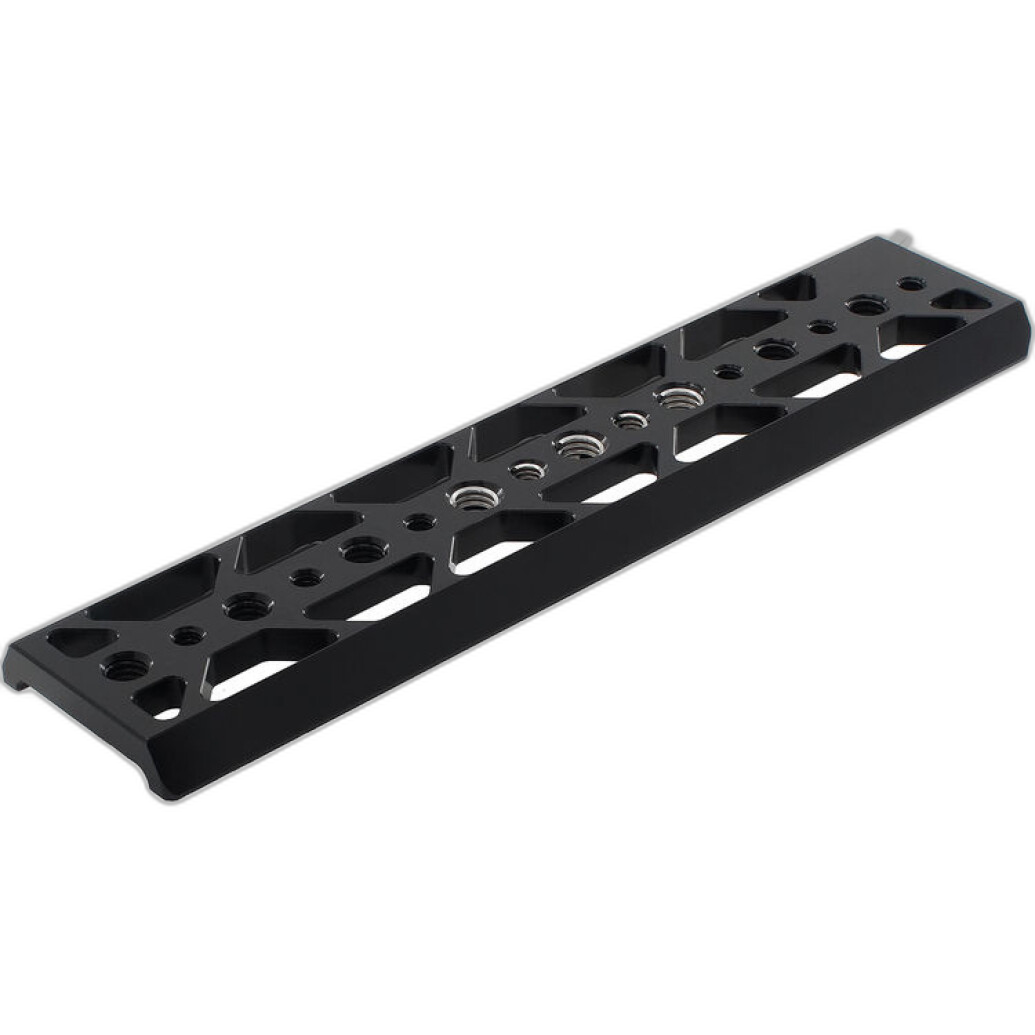
One of the smartest ways to improve that balance is to invest in a streamlined support and carrying strategy rather than just more camera gear. For creators who travel with hybrid photo/video setups or want a more organized rig in a controlled shooting environment, accessories like the Tilta 10 Lightweight Dovetail Plate can help create a more efficient support configuration without unnecessary bulk in the studio or on location.
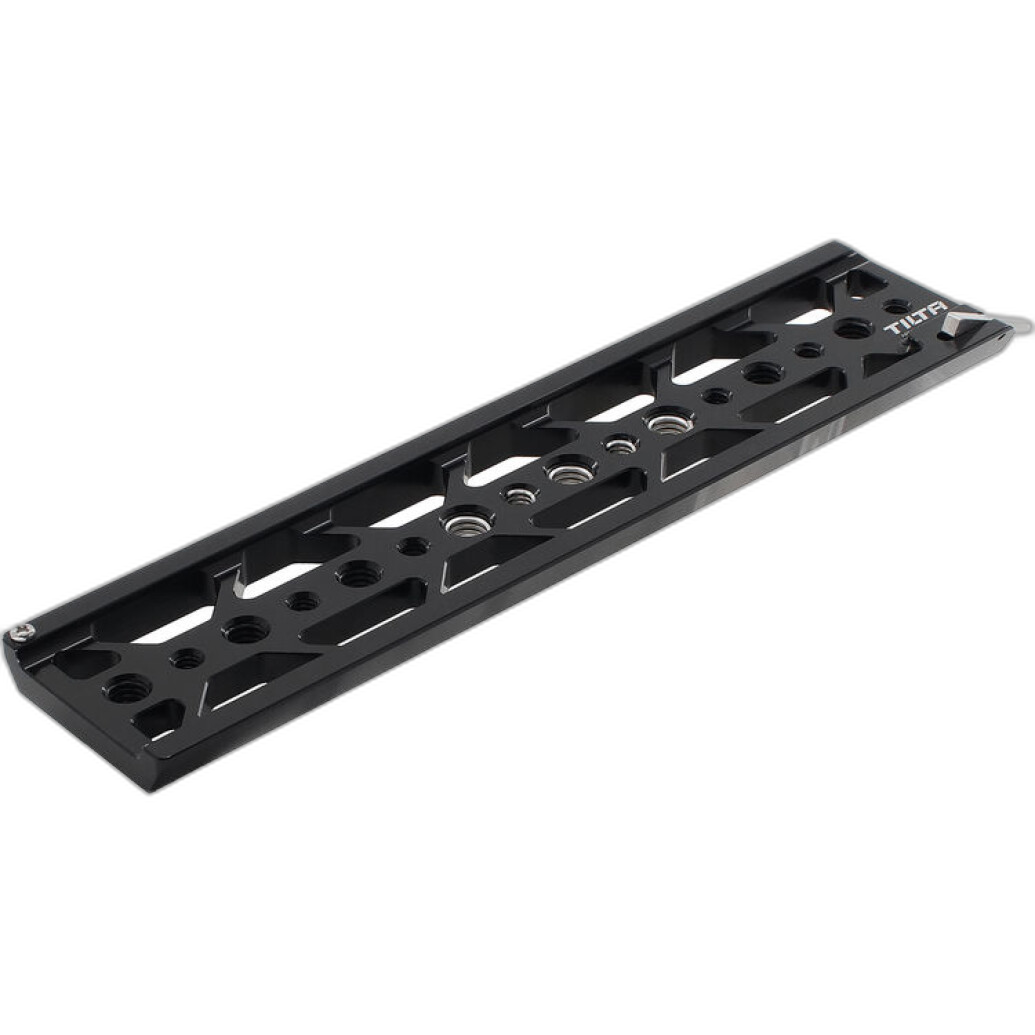
Image quality matters, but the best camera is still the one you are willing to carry. In real-world travel, a slightly smaller kit that goes everywhere often beats a larger kit left back at the hotel.
What should I prioritize first: camera body, lens, or technique?
For travel, lens choice and technique usually have a bigger day-to-day impact than body upgrades. A versatile lens helps you adapt quickly, and good technique helps you work in changing light, crowded spaces, and fast-moving moments. A newer body can be helpful, but it rarely solves the core problem of carrying too much or choosing the wrong focal lengths.
Technique is especially important when packing light. Understanding when to raise ISO, how to brace for sharper handheld shots, and how to compose efficiently can help a smaller kit perform at a very high level. If you want to sharpen your eye for scenic destinations and environmental detail, workshops can also be valuable preparation before a big trip.
Unique Photo offers educational opportunities like Macro and Landscape Photography at Duke Farms with Michael Downey, which can help photographers refine composition and observation skills that translate directly to travel work.

Is it worth bringing lighting gear when traveling light?
For most travel photographers, natural light should do the heavy lifting. Compact reflectors, careful timing, and smart positioning can often replace the need for larger lighting setups. If your trip is focused on portraits, interviews, or content creation, then portable lighting can make sense—but it needs to be chosen carefully so it does not overwhelm the rest of your packing strategy.
Rather than packing a full studio kit, consider whether your assignment or travel style truly requires lighting. If you are traveling for editorial content, small productions, or creator work, a lightweight support plan and a selective lighting kit may be justified. If you are simply documenting a vacation, lighting gear is usually more burden than benefit.
How can I get better travel photos without packing more gear?
Better travel photography often comes from better planning, not a heavier bag. Scout sunrise and sunset times, identify a few key locations in advance, and leave room in your schedule to return to promising scenes when the light improves. Wearing comfortable shoes and carrying a manageable kit can also directly improve your photography because you stay out longer and react faster.
Another great way to grow is to learn from photographers who work regularly on the road. Events such as EXPO: Stories from the Road - Photography Across Worlds w. Matthew Borowick can offer inspiration and practical insight into making strong images while traveling through unfamiliar environments.
When you simplify your kit, you often become more intentional. That usually leads to stronger storytelling and a more enjoyable trip overall.
What is the ideal travel kit for most photographers?
For many photographers, the ideal travel kit is a compact mirrorless camera, one versatile zoom, one small prime if needed, extra batteries, a lightweight charger, and a comfortable bag. That setup works across a wide range of destinations without becoming exhausting. If your shooting style is more casual, your smartphone may cover a meaningful portion of the trip and allow you to reduce dedicated gear even further.
The exact mix depends on your goals, but the principle is consistent: pack for the images you actually expect to make, not every theoretical scenario. That mindset keeps your travel kit lean, practical, and far more enjoyable to use.
If you are refining your next travel setup, Unique Photo can help you choose the right accessories, educational experiences, and gear strategy for the way you shoot. Explore our classes, events, and curated tools to build a travel kit that keeps you light, flexible, and ready for the road.