For beginners stepping into portrait and event photography, finding the right first camera can be difficult. You want something approachable, portable, capable in changing light, and affordable enough that you can focus on learning rather than getting overwhelmed by gear. In that context, the Panasonic LUMIX ZS300 stands out as an especially practical recommendation. While it is not a traditional interchangeable-lens portrait camera, it offers a versatile all-in-one design, solid image quality for its class, and the kind of flexibility that helps new photographers cover family gatherings, casual events, environmental portraits, and on-the-go shooting with confidence.
The ZS300 is positioned as a premium point-and-shoot with an extended zoom range, compact body, and beginner-friendly handling. For someone who wants to photograph people at birthday parties, community events, small celebrations, and casual portrait sessions without investing in multiple lenses, it makes a compelling entry point. It is also easy to carry, which matters more than many beginners realize. The best camera for learning is often the one you will actually bring with you.
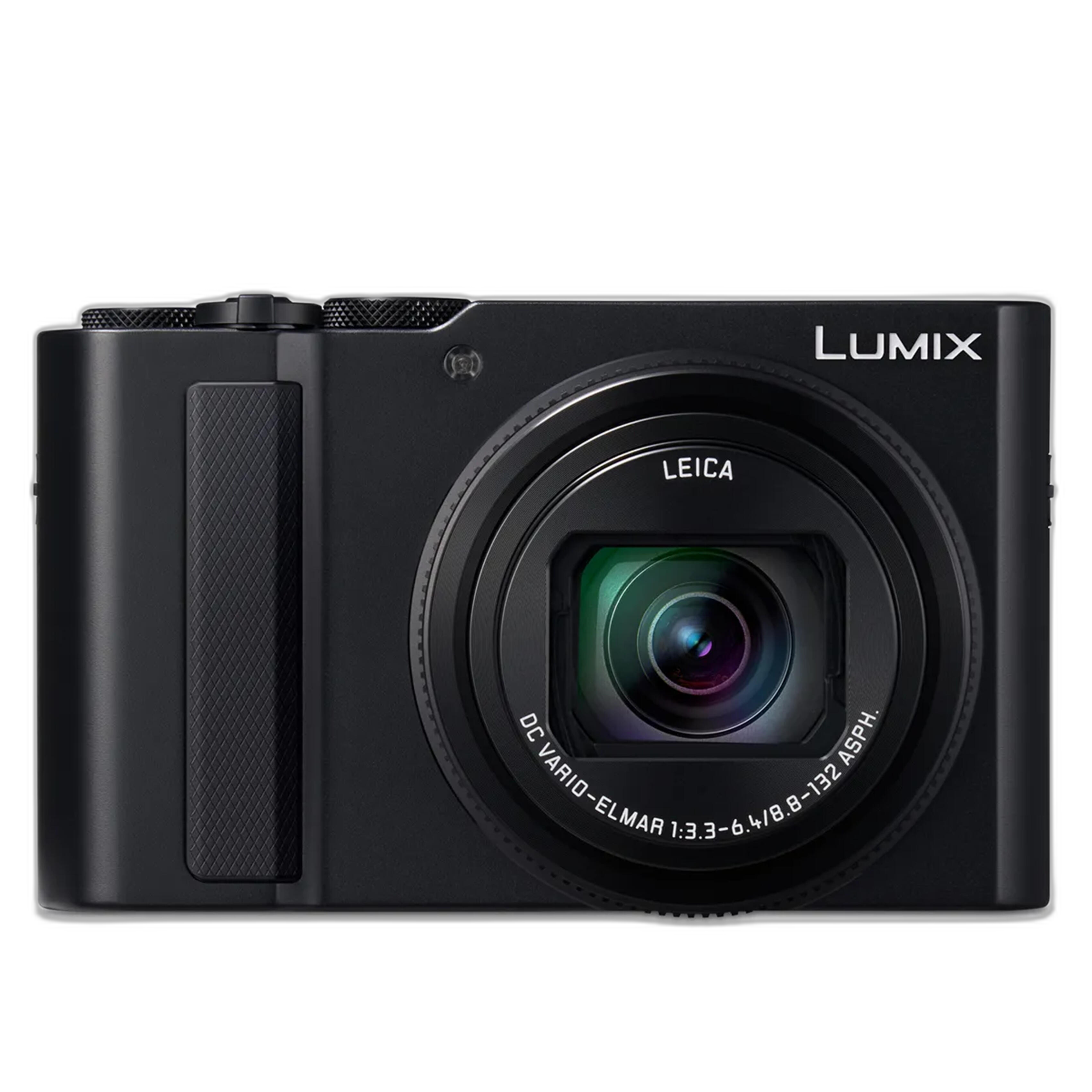
Why the Panasonic LUMIX ZS300 Fits Beginner Portrait and Event Photography
Portrait and event work place two very different demands on a camera. Portraits benefit from flattering framing, dependable focus, and good control over exposure, while events demand responsiveness, portability, and flexibility in unpredictable situations. The Panasonic LUMIX ZS300 bridges those needs better than many entry-level compact cameras because it gives beginners a long zoom range in a relatively small package.
That zoom range is especially useful for events. Instead of moving through a crowd constantly, you can frame candid moments from a comfortable distance. For portraits, the telephoto end can help create more flattering perspective and better subject separation than a typical smartphone camera. Beginners who are still learning composition often benefit from this flexibility because it encourages experimentation with framing without requiring lens changes.
Compact All-in-One Convenience
One of the ZS300's biggest strengths is convenience. New photographers often assume that “serious” photography must begin with a larger interchangeable-lens system, but compact all-in-one cameras can be a better fit for many real-world situations. Events move quickly, and carrying a small camera can make a major difference in how comfortable and discreet you feel while shooting.
For beginners covering school functions, informal receptions, family portraits, and travel events, the ZS300 keeps things simple. There is no need to buy a separate portrait lens or event zoom just to get started. That streamlined approach lowers the barrier to entry and lets you focus on timing, light, and expression.
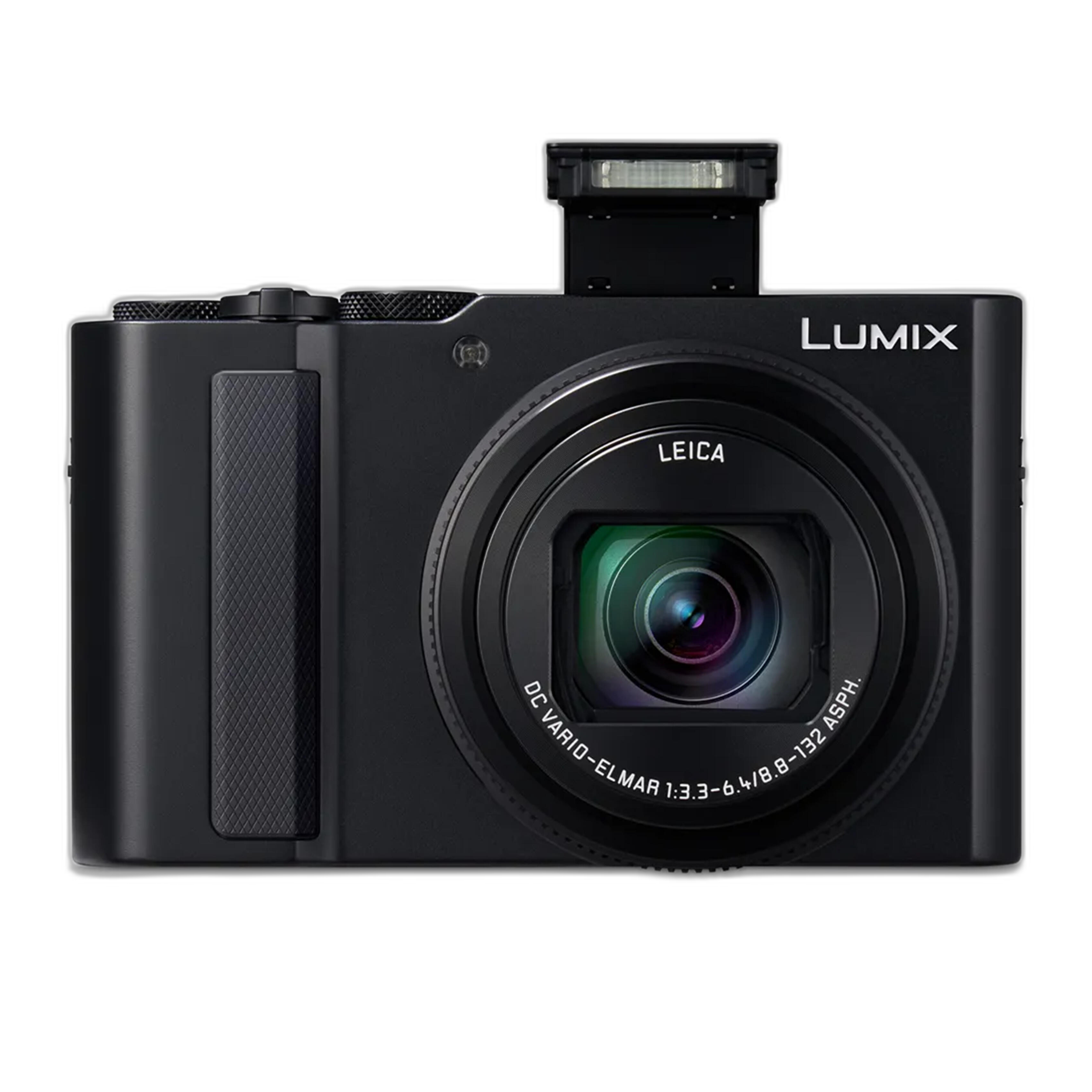
Versatile Zoom for Candid Moments and Portrait Framing
A major advantage of the Panasonic LUMIX ZS300 is its built-in zoom lens. For event photography, that means you can go from wider scene-setting shots to tighter candid portraits in seconds. Beginners often struggle when they are physically too close to subjects or unable to isolate moments from farther away. A generous zoom helps solve both problems.
In portrait situations, shooting at longer focal lengths can produce a more flattering look than wide-angle framing. Facial features tend to appear more natural, and backgrounds can feel less distracting. While the ZS300 will not fully replicate the shallow depth of field of a large-sensor camera paired with a fast prime lens, it can still help beginners create more polished portraits than they might expect from a compact camera.
Beginner-Friendly Controls with Room to Grow
Another reason the ZS300 works well for newcomers is that it can support both automatic shooting and more hands-on learning. Beginners can start in auto modes for quick success at events, then gradually move into aperture, shutter, and manual controls as they become more confident. That learning path matters. A camera that is too basic can be limiting, but one that is too complex can be discouraging.
The ZS300 gives beginners an opportunity to practice exposure choices, subject framing, and low-light techniques without forcing them into a steep learning curve from day one. For someone who wants to grow into photography instead of being overwhelmed immediately, that is a real strength.
Portrait Performance in Real-World Use
As a beginner portrait camera, the Panasonic LUMIX ZS300 is best understood as a practical tool rather than a specialist portrait machine. It works particularly well for environmental portraits, travel portraits, family sessions, and casual headshots in good light. It is also useful for photographers who are just beginning to understand posing and composition.
Because it is compact and unintimidating, subjects may feel more relaxed in front of it than they would with a large professional setup. That can be surprisingly helpful when photographing children, friends, or people who are camera-shy. The result is often more natural expression, which matters just as much as technical perfection in portrait photography.
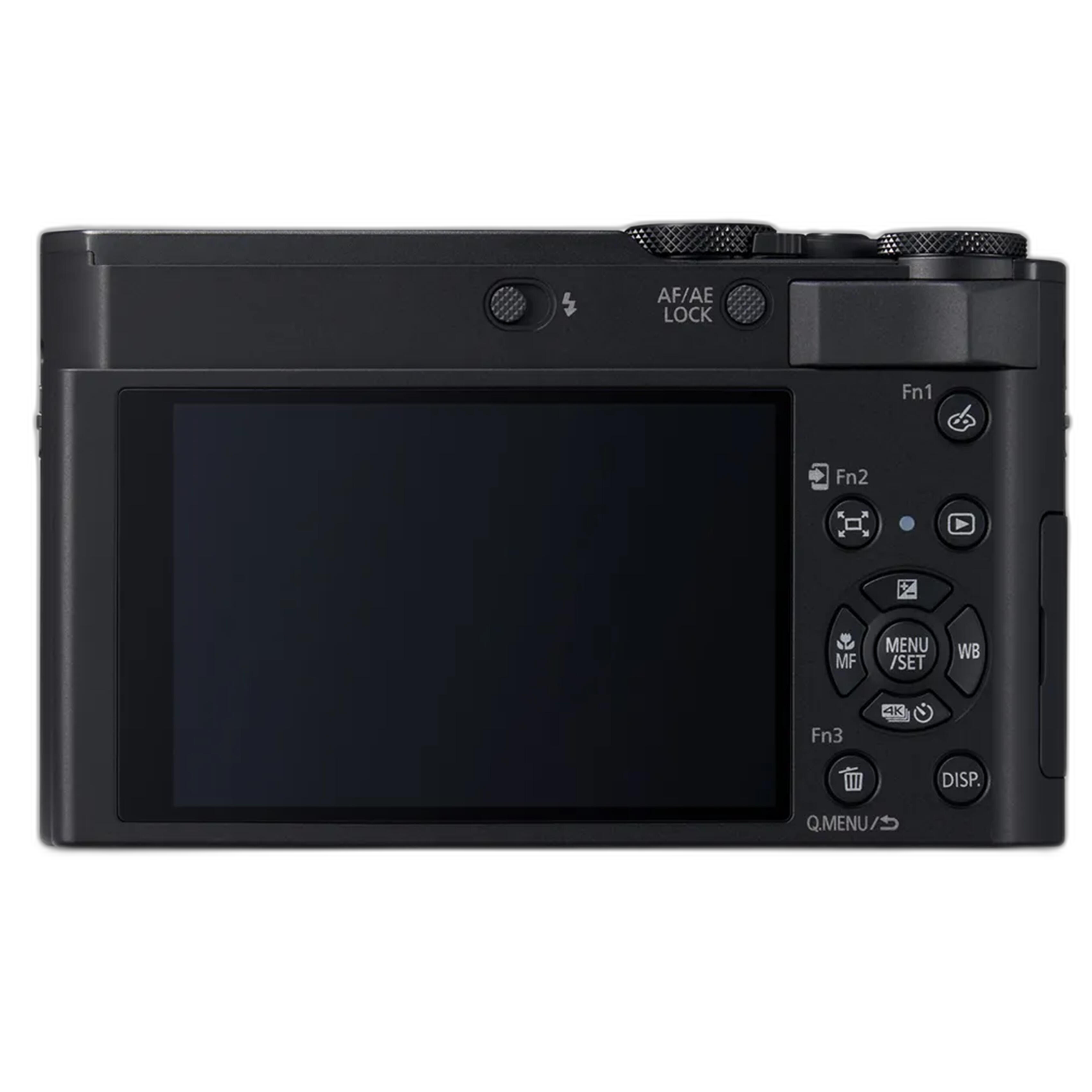
Strengths for Casual and Environmental Portraits
The ZS300 is especially effective when portraits are made in context rather than against heavily blurred backgrounds. Think of portraits at local events, outdoor gatherings, travel destinations, or behind-the-scenes moments. In these settings, the camera's flexibility is more valuable than extreme background blur.
Beginners can use the zoom to find flattering compositions, include surroundings that tell a story, and practice using available light. These are foundational skills that translate well to more advanced portrait systems later on.
Limitations for Advanced Portrait Isolation
If your goal is exclusively classic portraiture with dramatic subject-background separation, the ZS300 has limitations compared with larger-sensor mirrorless or DSLR systems. It is not the ideal choice for photographers who already know they want the creamy bokeh and low-light performance associated with dedicated portrait lenses.
However, for beginners who are still developing technique, the ZS300 remains a very capable starting point. It encourages better framing, timing, and interaction with subjects, which are often more important early on than chasing ultra-shallow depth of field.
Event Photography Strengths
For event photography, the Panasonic LUMIX ZS300 becomes even easier to recommend. Events are unpredictable. You may be shooting details one moment, a speaker the next, then candid interactions across a room after that. A camera with strong framing flexibility and easy portability has a real advantage here.
The ZS300 suits beginners covering community functions, birthday parties, corporate socials, school events, and casual celebrations. Its compact design makes it less intrusive than a larger kit, and its zoom helps you react quickly when moments unfold at a distance.
Portability and Discretion
One of the hardest parts of beginner event photography is simply staying comfortable enough to keep shooting. Large gear can make new photographers self-conscious. A compact camera can make it easier to blend in and observe moments naturally. That often leads to better candids and a more relaxed shooting experience.
This is where the ZS300's design shines. It is easy to carry through long events, quick to raise to your eye, and much less cumbersome than a body-and-lens combination.
Useful Zoom Range for Mixed Event Coverage
At events, framing changes constantly. Wide shots establish the environment, medium shots show interactions, and tight shots capture emotion. The ZS300's all-in-one lens supports this kind of storytelling without the need to switch equipment. For beginners, that simplicity can mean fewer missed shots and a more enjoyable experience overall.
What Beginners Should Know Before Buying
The Panasonic LUMIX ZS300 is best for beginners who value flexibility, portability, and ease of use. It is not the ultimate portrait specialist, but it is a strong recommendation for someone learning both portrait and event photography at the same time. If you are shooting mostly in daylight or reasonably lit venues and want an uncomplicated camera that helps you learn composition and timing, it is a smart choice.
It is also worth considering the Open Box Panasonic LUMIX ZS300 Point and Shoot Camera - Black if you want the same core experience at potentially better value.

Who This Camera Is For
This camera is ideal for beginners who want one compact device for portraits, family events, travel, and everyday photography. It is also a good fit for students, content creators, and hobbyists who are not ready to commit to a larger interchangeable-lens system.
Who May Want to Step Up to Another System
If you already know your focus will be paid indoor events, low-light receptions, or studio portrait work with maximum background blur, you may eventually want a larger-sensor mirrorless camera and a dedicated portrait lens. Still, that does not make the ZS300 a poor choice. It just means it is best viewed as a flexible beginner tool rather than a specialized pro portrait body.
Pros and Cons
- Pros:
- Compact and travel-friendly design
- Versatile built-in zoom for portraits and events
- Beginner-friendly operation with room to learn manual controls
- Great all-in-one convenience without needing extra lenses
- Useful for candid shooting and everyday carry
- Cons:
- Less background blur than larger-sensor interchangeable-lens cameras
- Not the strongest option for advanced low-light event work
- More limited as a dedicated portrait specialist
Learning Beyond the Camera
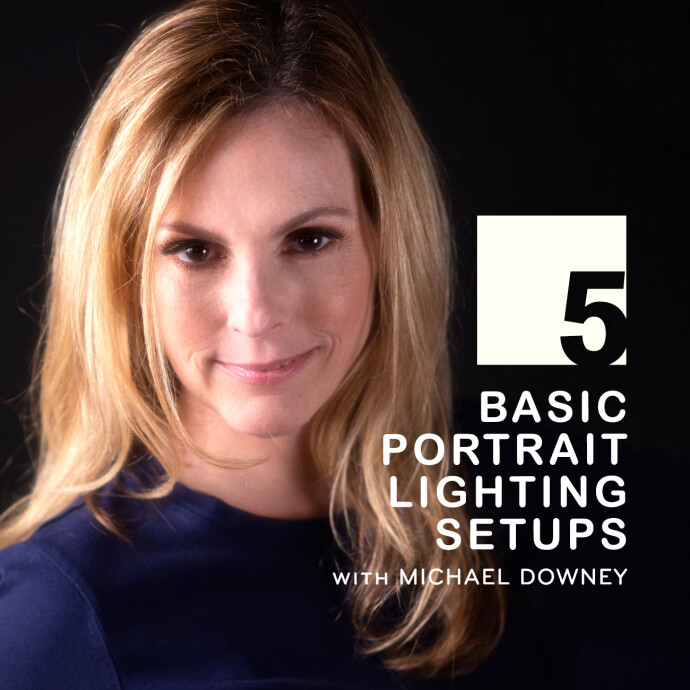
For beginners serious about improving their portrait results, pairing a camera purchase with education can make a major difference. Unique Photo offers excellent learning opportunities such as Mastering Portrait Lighting: Options for Portrait Light (Session 1), Mastering Portrait Lighting: Studio Setup and Shaping Light (Session 2), and Five Basic Portrait Setups with Single and Multiple Lights. These kinds of classes can help new photographers get more out of any camera by improving their understanding of light, posing, and setup technique.

Verdict
The Panasonic LUMIX ZS300 is one of the more practical beginner camera recommendations for portrait and event photography when ease of use, portability, and flexibility matter most. It will not replace a dedicated portrait mirrorless system for photographers chasing maximum blur and pro-level low-light performance, but that is not really its purpose. Its value lies in helping new photographers cover a wide variety of subjects with one compact camera they will actually enjoy carrying and using.
For beginners who want to learn portraits, capture events, and build confidence without managing lenses and bulky equipment, the ZS300 is an excellent starting point. You can buy the Panasonic LUMIX ZS300, including open-box options when available, from Unique Photo, along with classes and accessories to help you grow your skills.