DSLR/Mirrorless vs. Cinema Camera: Which Upgrade Makes Sense for Indie Filmmaking?
Most indie filmmakers start with a DSLR or mirrorless hybrid because it’s affordable, compact, and pulls double duty for stills. But as projects grow—narrative shorts, docs, branded content—the pressure mounts for better codecs, dependable audio, and production‑friendly ergonomics. Here’s a clear, head‑to‑head comparison to help you decide if stepping up to a cinema camera is worth it for your indie workflow.
At a Glance: Typical Video Feature Comparison
| Feature | DSLR/Mirrorless for Video | Cinema Camera |
|---|---|---|
| Recording formats | H.264/H.265 long‑GOP; many offer 10‑bit 4:2:2; some external RAW over HDMI | Intra‑frame/ProRes options; robust 10‑bit 4:2:2; internal/external RAW common |
| Dynamic range & color | Good with modern Log profiles; solid color science | Often higher DR with gentler highlight roll‑off; deeper grading latitude |
| Built‑in ND filters | Rare (usually requires screw‑on or matte box) | Common (electronic or mechanical multi‑stop ND) |
| Audio I/O | 3.5mm mic; XLR via optional adapter; basic preamps | Dual XLR/TRS with stronger preamps; 48V phantom power |
| Timecode & genlock | Occasional timecode via accessories; genlock uncommon | Timecode common; genlock/sync often available |
| Monitoring & outputs | HDMI (mini/micro); SDI rare | Full‑size HDMI and/or SDI; monitoring tools built‑in |
| Autofocus | Excellent subject‑detect AF on many models | Varies by model; often less sophisticated AF |
| Stabilization | IBIS common; great for handheld | IBIS uncommon; relies on rigs/gimbals |
| Recording limits & heat | Possible clip length/thermal limits in some modes | Designed for long takes; robust thermal management |
| Power & endurance | Small batteries; frequent swaps | Accepts larger bricks (e.g., V‑mount/Gold); all‑day power options |
| Media | SD/CFexpress; lower data rates, lower cost | CFast/CFexpress; higher data rates and cost |
| Body price (typical) | Approx. $1k–$3.5k+ | Approx. $4k–$10k+ (body only) |
Category-by-Category Analysis
Image Quality, Codecs, and Grading Latitude
Cinema cameras prioritize robust codecs (intra‑frame, ProRes) and often provide internal or straightforward external RAW workflows. This translates to cleaner motion, better detail retention in complex scenes, and more resilient files in post. While modern mirrorless bodies increasingly offer 10‑bit 4:2:2 and even external RAW, long‑GOP compression and lower data rates can constrain heavy grades or VFX.
Dynamic Range and Highlight Handling
Both categories can look excellent, but cinema bodies are engineered for controlled highlight roll‑off and consistent color pipelines, making it easier to protect skies and speculars. If you routinely shoot high‑contrast scenes or need maximum flexibility in post, cinema sensors and processing pipelines tend to give you a safety net.
Audio, Monitoring, and Sync
On indie sets, clean audio and reliable monitoring save time and money. Cinema cameras typically include pro XLR inputs with quality preamps and phantom power, dedicated meters, SDI outputs, and proper timecode—key for multi‑camera narrative and doc work. Mirrorless systems can reach similar capability, but usually by adding cages, XLR modules, and external monitors/recorders.
Autofocus and Stabilization
If you’re frequently solo shooting, mirrorless AF and IBIS are game‑changers for run‑and‑gun coverage. Cinema bodies often rely on manual focus pulls and rig stabilization, which provide precision but demand more crew or setup time. For gimbal‑heavy shoots, cinema camera weight and lack of IBIS may require larger rigs.
Ergonomics, Reliability, and Recording Limits
Cinema cameras are built for long takes and all‑day operation, with better thermal design, tactile controls, and built‑in ND filters that speed up exposure changes. Mirrorless bodies can be made production‑ready, but cages, power solutions, and ND accessories add complexity, and some modes may impose time or heat limits.
Workflow, Media, and Storage
Prores and RAW accelerate editorial and color pipelines but increase media and storage costs. Mirrorless H.264/H.265 keeps files light and cheap but can be slower to edit natively and less forgiving for heavy grades. Consider your post path: if you hand off to colorists or deliver broadcast/OTT masters, cinema formats simplify life down the line.
Total Cost of Ownership
Cinema bodies cost more upfront and often live on fully built rigs with audio, power, and monitoring integrated. However, they may save on set time and rental accessories. Mirrorless kits are more affordable and compact, but once you add XLR audio, high‑nit monitors, power hubs, cages, and matte boxes, the price gap narrows.
Use Cases and Crew Size
- Solo shooters, travel, event coverage, social content: Mirrorless/DSLR shines with AF, IBIS, and light kits.
- Narrative shorts/features, festivals, broadcast/branded work with crew and lighting: Cinema camera pays off with codecs, audio, ND, and reliability.
- Hybrid creators who also need top‑tier stills: Mirrorless keeps your kit lean.
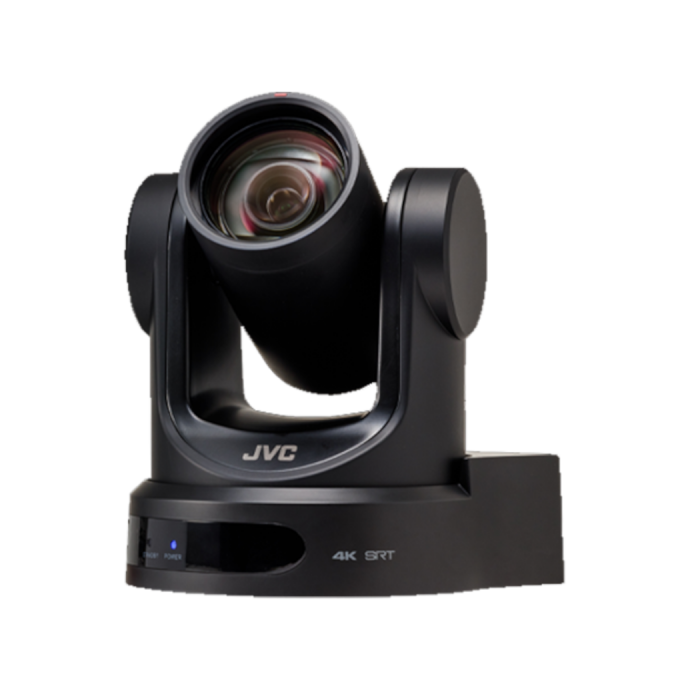
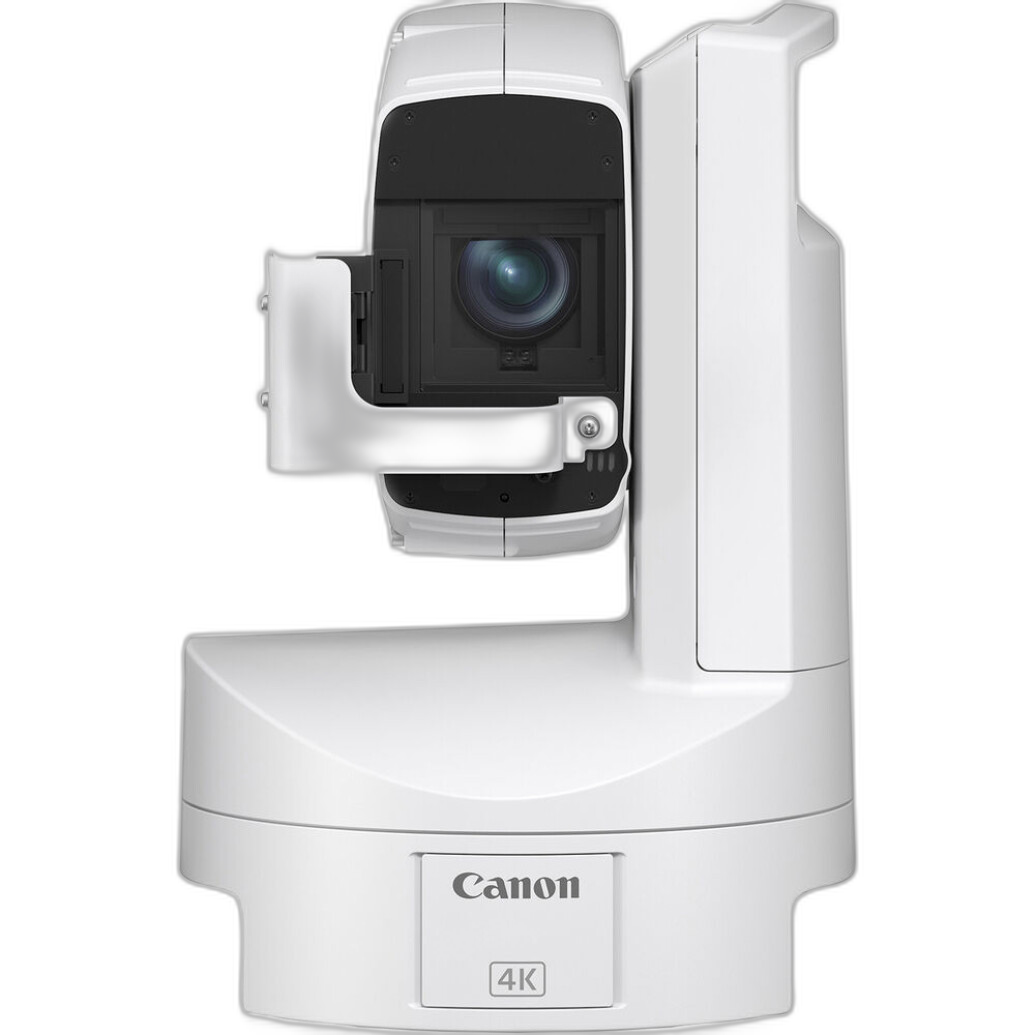
Related: Remote/Locked‑Off Coverage for Indie Sets
Need unattended angles for doc, BTS, or livestreams alongside your A‑camera? PTZ cameras can complement either path with remote control and reliable long‑form capture.
Our Pick
Stick with mirrorless/DSLR if you’re a one‑person crew prioritizing portability, real‑time autofocus, and hybrid photo/video work—especially for travel, events, or fast‑turn social content.
Conclusion
Upgrading from a DSLR/mirrorless to a cinema camera is worth it when your projects demand robust files, rock‑solid audio, and the speed of production‑oriented features. If you’re still building skills, shooting solo, or delivering primarily to web, a modern mirrorless kit remains a smart, budget‑friendly choice. Whichever route you take, Unique Photo can help you configure the right rig—cameras, lenses, audio, support, and even PTZ solutions for multicam workflows—so you’re ready for your next indie shoot.