Underrated Sony E-Mount Lenses: FAQ on Hidden Value and Surprising Performance
Lens comparison tools often spark a second look at lenses photographers and filmmakers may have overlooked the first time around. In Sony E-mount, that usually means discovering that a less-hyped option can deliver excellent sharpness, character, or overall value when matched to the right shooting style.
At Unique Photo, we encourage using comparison data as a starting point rather than the final word. Real-world handling, consistency, focus behavior, rendering, and production needs matter just as much as side-by-side crops, especially for hybrid creators balancing stills and video.
Which lesser-known Sony E-mount lenses tend to perform better than expected?
The biggest surprises are often lenses that were overshadowed by premium flagship releases, not lenses that were ever truly weak. In practice, many underrated Sony E-mount options stand out because they offer a better balance of sharpness, contrast, speed, and price than buyers expect. Some older designs still produce excellent image quality, while third-party options can outperform assumptions about value-tier gear.
For filmmakers, this conversation also applies to cine glass. A lens may not dominate mainstream still-photo chatter, yet prove extremely strong in controlled production work thanks to consistent mechanics, matching color, and dependable optical performance across a set. Sigma's Sony E-mount cinema lineup is a great example of gear that can exceed expectations when creators prioritize repeatable results over hype.
Do online lens comparison results usually hold up in real-world use?
They often hold up directionally, but not always absolutely. If a lens looks impressively sharp or surprisingly well-corrected in a comparison tool, that usually means there is genuine optical merit there. However, real-world shooting introduces variables that charts cannot fully show: autofocus reliability, flare behavior, focus breathing, edge consistency at working distances, subject separation, and how a lens draws out-of-focus areas.
That is why we recommend evaluating lenses according to the type of work you actually do. A landscape shooter may care more about corners at stopped-down apertures, while a portrait or video creator may value rendering and tonal transition more than clinical edge-to-edge resolution. Comparison tools are useful, but your workflow should make the final call.
Can a third-party Sony E-mount lens really be a smart upgrade?
Absolutely. Third-party lenses have become a major part of the Sony ecosystem because many of them offer excellent optical quality and strong value. For some shooters, the smartest move is not chasing the most expensive native option, but choosing a lens that better fits their budget, focal length needs, and shooting priorities.
In video and cinema production, Sigma remains one of the most compelling names to consider. The brand's cine options for Sony E-mount are especially appealing for creators who want robust mechanics, consistent gearing, and a cohesive look across multiple focal lengths. If you're building a more complete production kit rather than buying one lens at a time, a matched set can be the bigger upgrade than a single prestige lens.
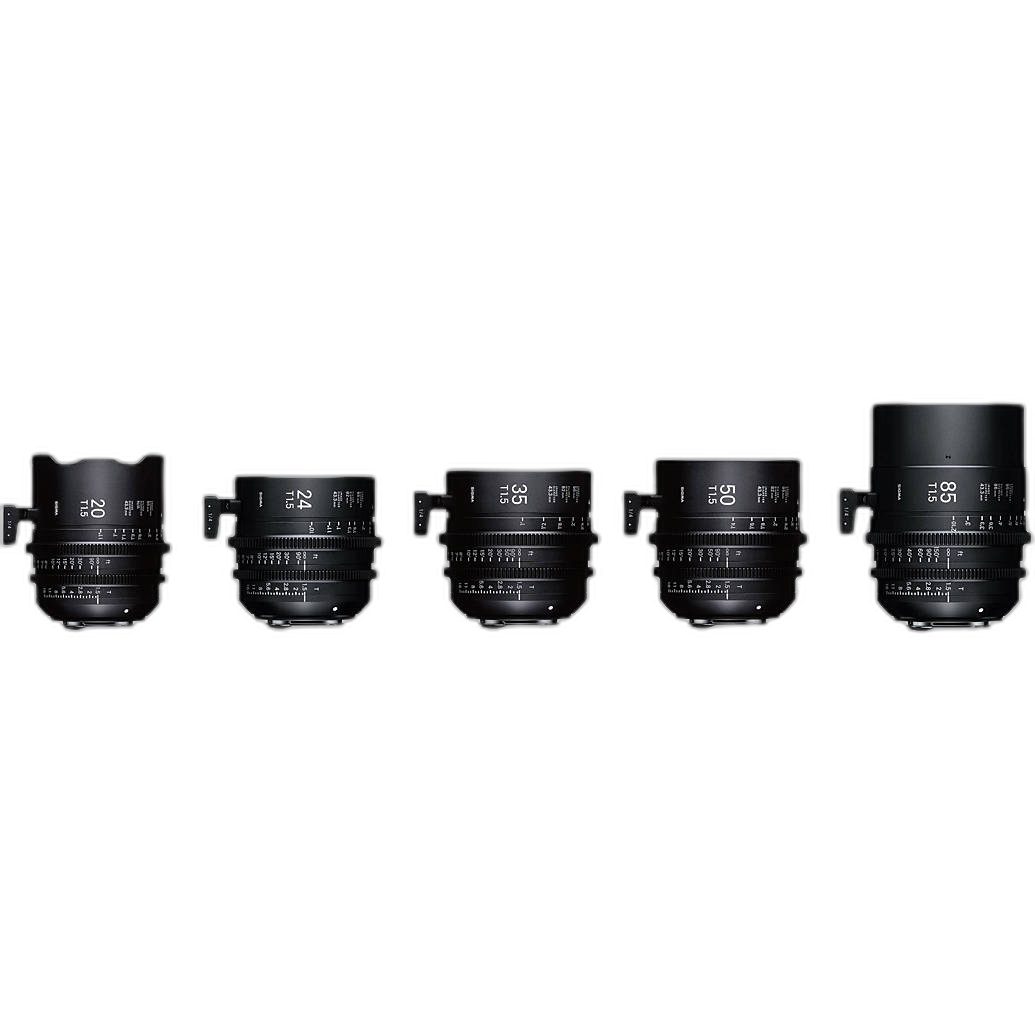
The Sigma T1.5 FF High-Speed 5 Fully Luminous Prime Lens Kit with Case (Sony E) is a strong example for filmmakers who want premium-feeling performance across several focal lengths while keeping system consistency front and center.
What makes a lens punch above its price in the Sony system?
A lens punches above its price when it delivers one or more premium traits without the premium cost. That could mean sharper-than-expected results wide open, attractive subject separation, minimal distortion, strong build quality, or cinematic rendering that gives footage a polished feel. In many cases, the best value lens is the one that solves a practical need so well that you stop thinking about its price tier altogether.
For still photographers, that might be an older or less-publicized prime with excellent central sharpness and pleasing bokeh. For filmmakers, value can mean a lens or lens set that saves time on set, matches well from focal length to focal length, and gives crews reliable manual control. This is where cinema-oriented lens kits can offer excellent long-term value, especially for users who want consistency across commercial, documentary, and narrative projects.
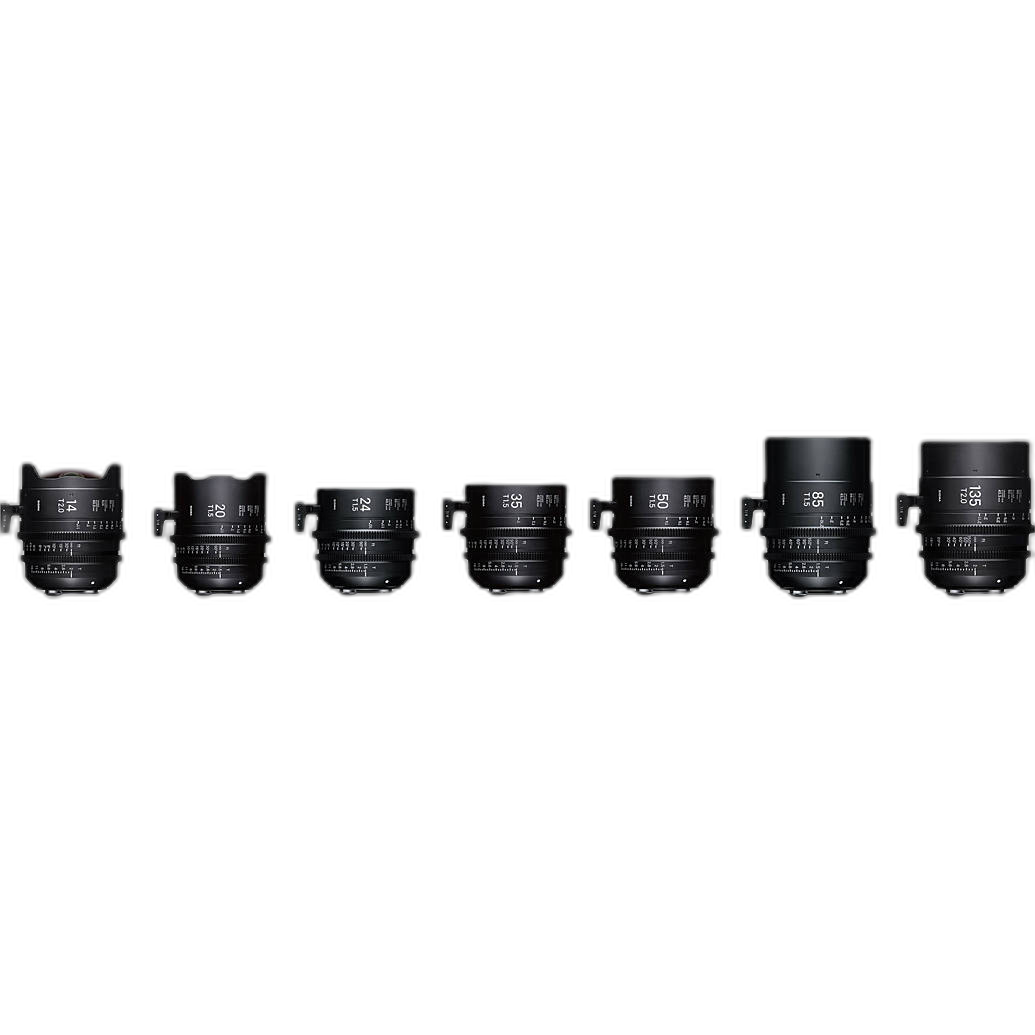
The Sigma T2/T1.5 FF 7 Fully Luminous Lens Kit with Case (Sony E, Metric) is worth considering if your definition of value includes a complete, color-matched, production-ready set rather than piecing together mixed lenses over time.
Are older Sony-compatible lenses still worth considering today?
Yes, especially if your priorities are image character and value rather than having the newest release. Older Sony-compatible lenses can remain very relevant when they offer strong optics, appealing rendering, or a useful focal length at a more accessible price. In some cases, what looks merely decent on paper turns out to be excellent in practical use once stopped down slightly or used within its strengths.
The key is to be honest about your needs. If you need cutting-edge autofocus for sports or wildlife, newer designs may be the better fit. But if you are shooting portraits, interviews, products, landscapes, or controlled video, an older or less-hyped lens can still deliver outstanding work. Many creators discover that so-called sleeper lenses are more than good enough for paid assignments.
Which underrated Sony E-mount options make the most sense for video creators?
Video creators should look beyond still-photo sharpness rankings and focus on consistency, mechanics, and rendering. A lens that resolves beautifully but breathes heavily or lacks smooth manual focus control may be less useful than a cine lens with dependable handling. That is why many filmmakers moving deeper into Sony E-mount eventually start considering dedicated cinema glass.
For wide-angle establishing shots or immersive environmental work, a dedicated cine wide prime can be especially valuable. It gives you the predictable focus rotation, housing design, and robust build that make repeatable production easier.
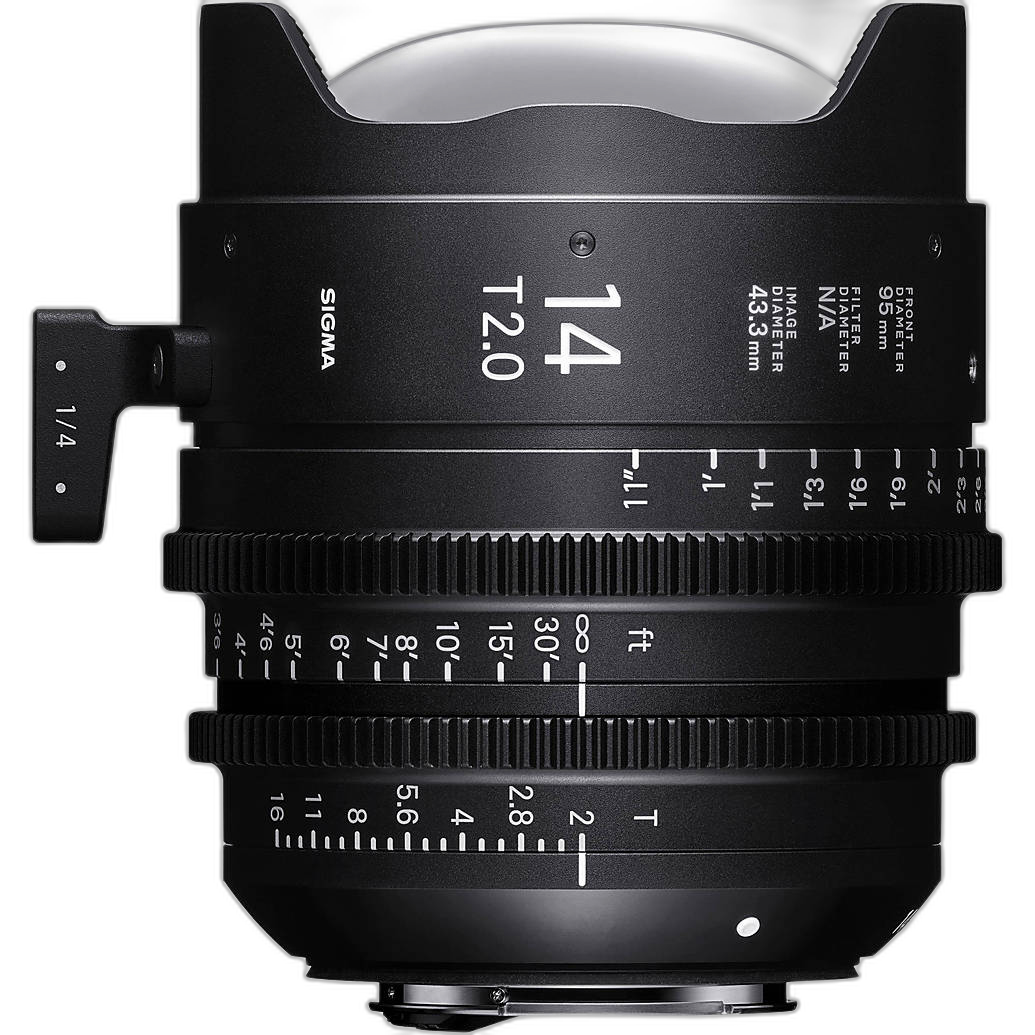
The Sigma 14mm T2 Fully Luminous FF High-Speed Prime Lens (Sony E) is a compelling option for creators shooting architecture, dramatic interiors, music videos, or cinematic wide shots where control and consistency matter as much as angle of view.
For portrait-driven video, interviews, and selective-focus storytelling, a fast short telephoto can be one of the most rewarding additions to a Sony setup.
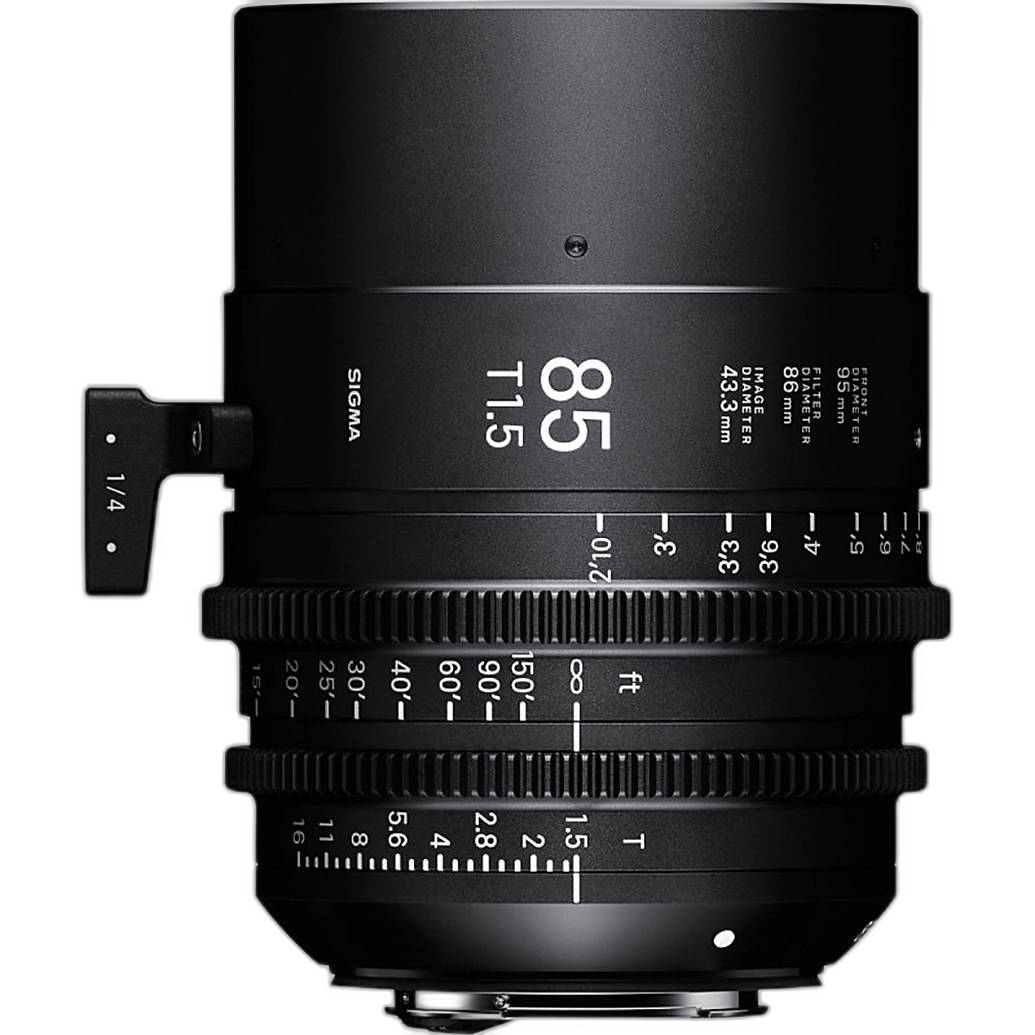
The Sigma 85mm T1.5 Fully Luminous FF High-Speed Prime Lens (Sony E) stands out for creators who want flattering compression, cinematic separation, and precise manual control for narrative and commercial work.
Should I buy a single underrated lens or invest in a matched lens kit?
That depends on whether you are solving one gap or building a repeatable system. If you have a clear need for a specific focal length, starting with one lens makes sense. But if you regularly shoot multi-scene productions, client work, or narrative content, a matched kit can be the better long-term move because it keeps color, contrast, mechanics, and handling more consistent across your shoot.
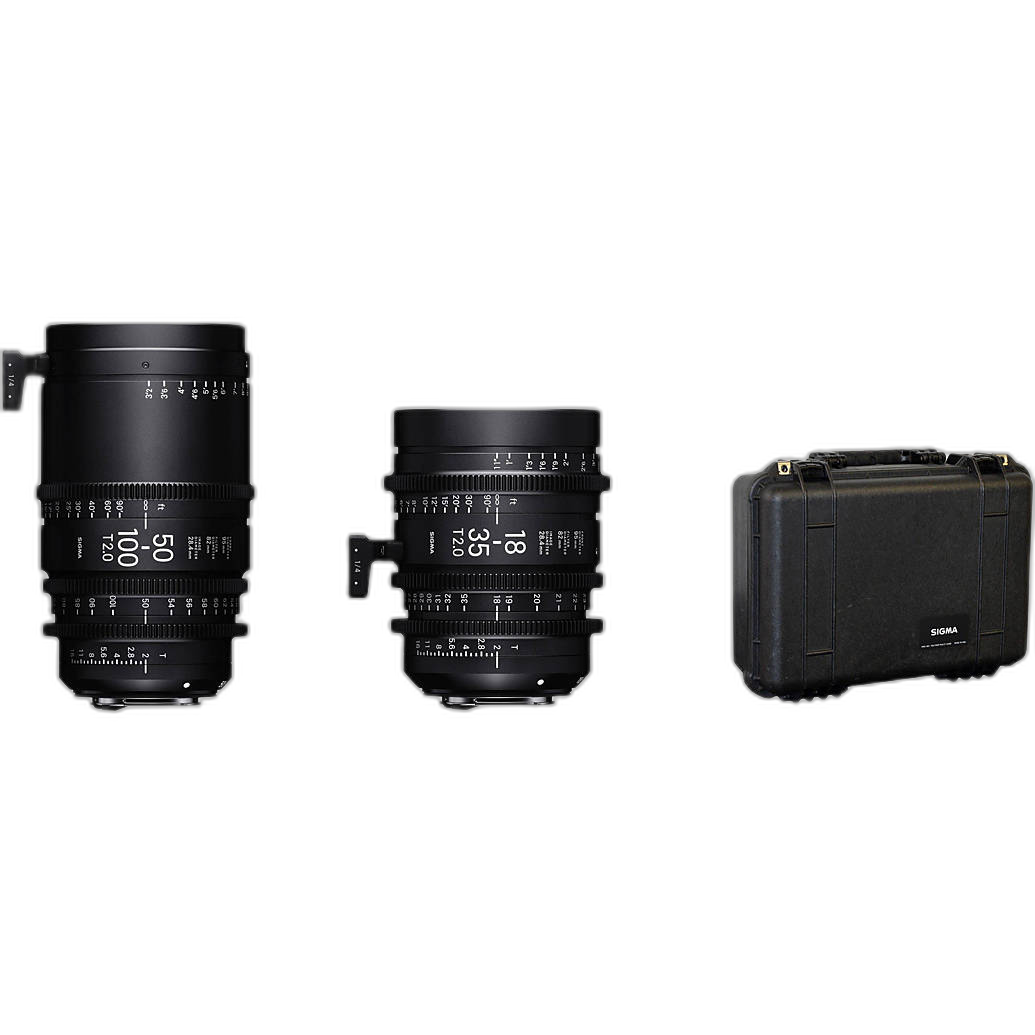
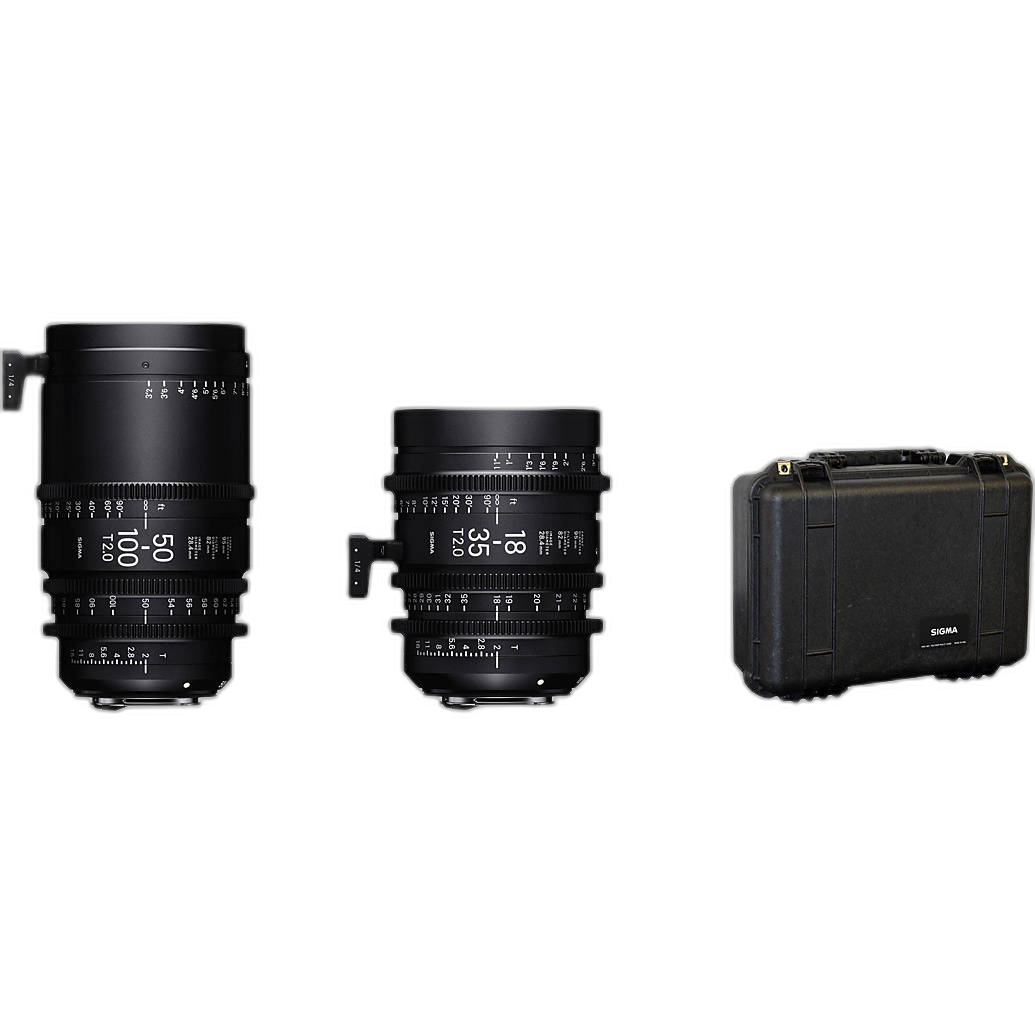
The Sigma 18-35mm T2 and 50-100mm T2 Fully Luminous Lenses with Case (Sony E) is a practical solution for creators who want flexible coverage with cine-style operation. This kind of pairing can be ideal for interview setups, event coverage, documentary production, and small crew commercial shoots.
For users working in metric-focused cinema environments, the metric version offers the same broader appeal.
How do I identify a hidden gem lens without getting distracted by hype?
Start by defining your actual shooting needs. List the focal lengths you use most, whether autofocus or manual focus matters more, your typical subject distance, and how often you shoot wide open. Then compare lenses based on the traits that affect your finished images or footage, not just lab-style rankings.
It also helps to look for patterns rather than isolated praise. A true hidden gem usually earns a reputation for delivering reliable results over time, not just a single impressive test frame. If multiple experienced users independently describe a lens as dependable, sharp enough, well-built, and better than expected for the price, that is often a good sign.
For filmmakers, another useful shortcut is to ask whether the lens supports your workflow on set. If the answer is yes, then an underrated cine lens may provide more real value than a more famous stills lens that is less practical in production.
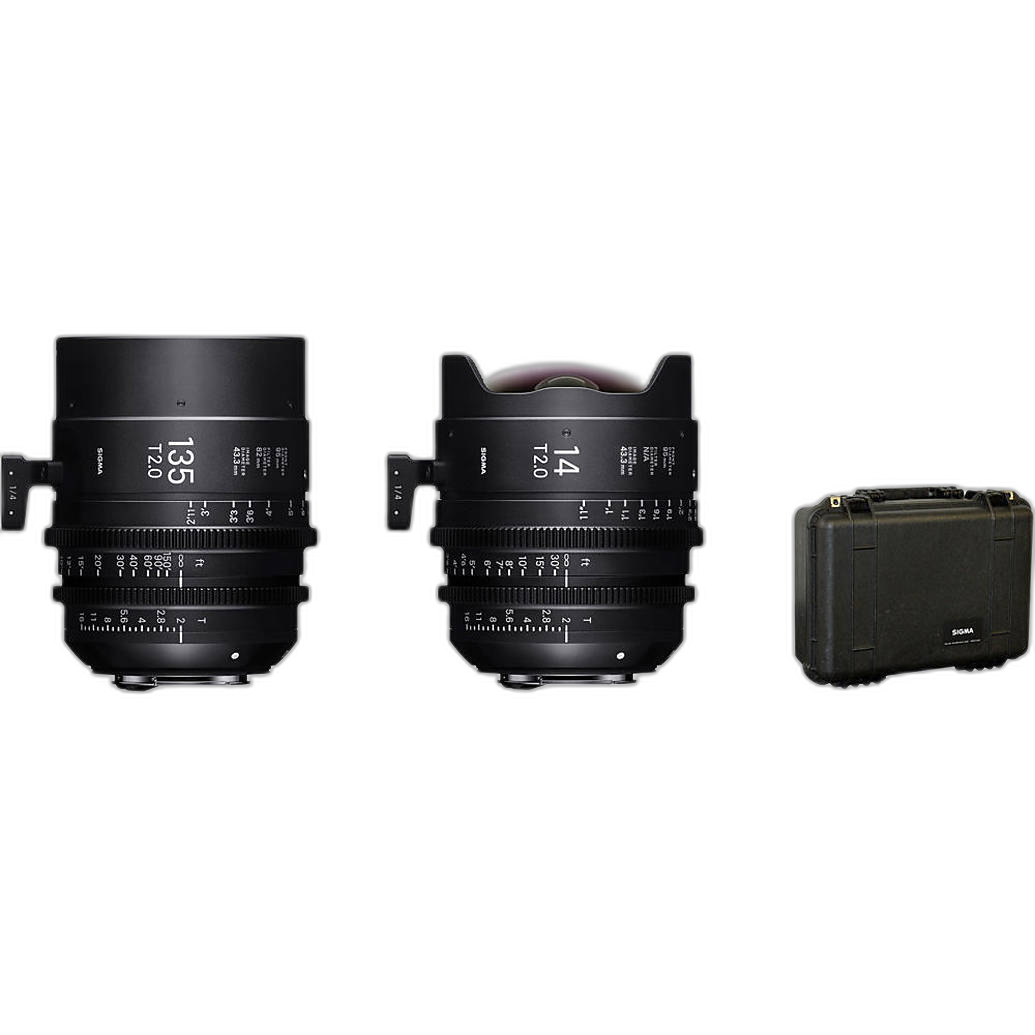
The Sigma 14/135mm T2 FF High-Speed Fully Luminous Prime Lens Kit (Sony E, Metric) is a strong option for productions that want broad focal coverage from a unified system, giving crews a dependable toolkit that can handle everything from wide scene-setting shots to tighter portrait framing.
What is the best approach if I want strong performance without overspending?
The smartest approach is to buy for your most common assignments, not for hypothetical edge cases. Many Sony shooters overspend on lenses with capabilities they rarely use, while overlooking more affordable options that would improve their everyday work immediately. The best value often comes from choosing lenses that fit your subjects, your pace, and your delivery standards.
If you shoot mostly controlled video, a well-chosen Sigma cine prime or kit may give you more practical benefit than chasing top-shelf still-photo lenses one by one. If you are building a longer-term system, buying into a cohesive lens family can also save money and simplify production over time.
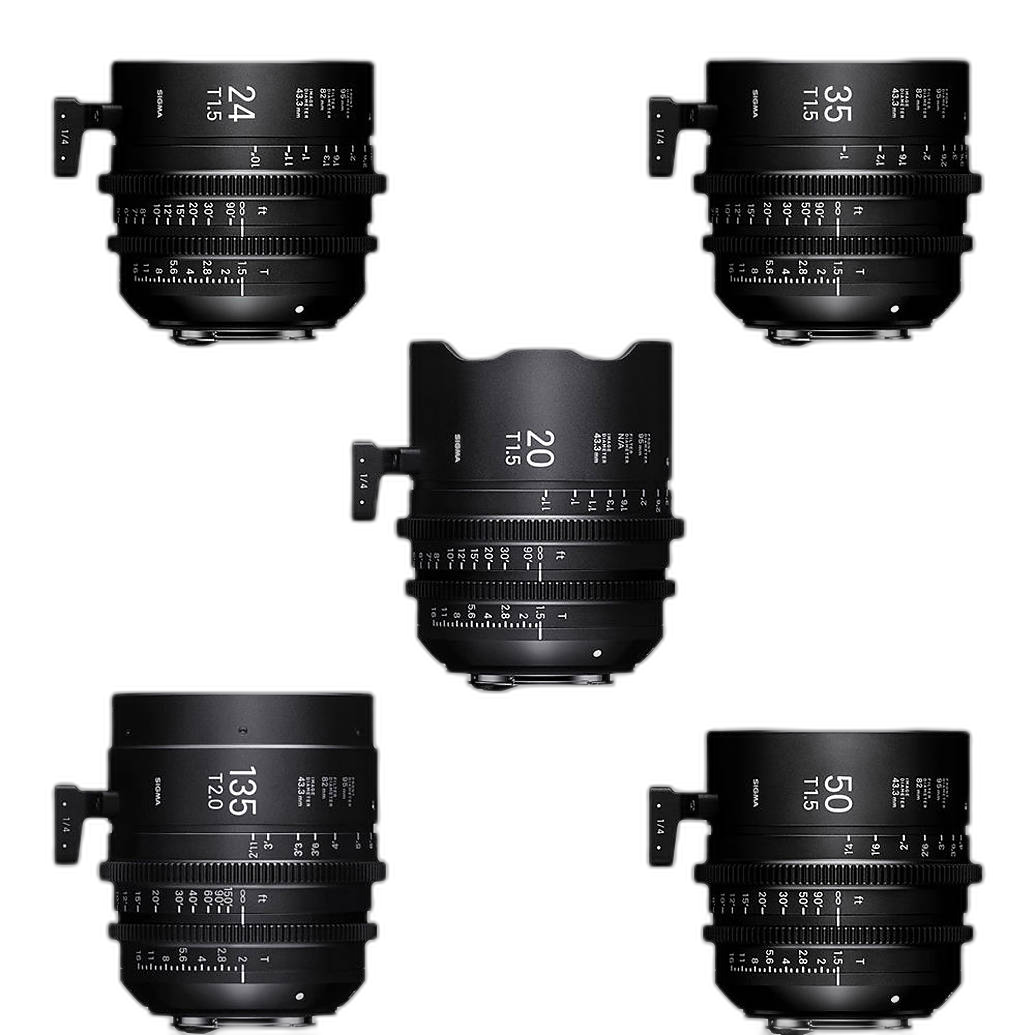
The Sigma T1.5 FF High-Speed 5 Fully Luminous Prime Lens Kit (Sony E, Metric) is a strong fit for creators who want to step into a professional cine workflow with a consistent multi-lens setup from the start.
Underrated lenses are not just about finding bargains—they are about finding tools that deliver more than their reputation suggests. If you're ready to explore hidden value in Sony E-mount lenses, Unique Photo can help you compare options, build a smarter kit, and choose the gear that fits your real shooting needs.