Ultimate Travel Lens Guide: What’s the One Lens You’d Take Everywhere?
If you could only pack one lens for a trip, the right choice depends on how you travel and what you shoot. Some travelers want a true all-in-one zoom that can handle city streets, landscapes, portraits, and distant details without ever changing lenses. Others are willing to give up zoom range for better low-light performance, lighter weight, or a more specialized wide-angle look. In this comparison, we’re putting several standout travel-friendly options head-to-head: two OM System superzooms, Tamron’s do-it-all 18-300mm for Sony E and Fujifilm X, and two wide-angle primes from Sigma and Panasonic for travelers who prioritize image quality and speed over reach.
The goal here is simple: identify which lens makes the best single-lens travel companion depending on your system and shooting style.
Side-by-Side Specs Comparison
| Lens | Mount/System | Focal Length | 35mm Equivalent | Max Aperture | Lens Type | Travel Strength |
|---|---|---|---|---|---|---|
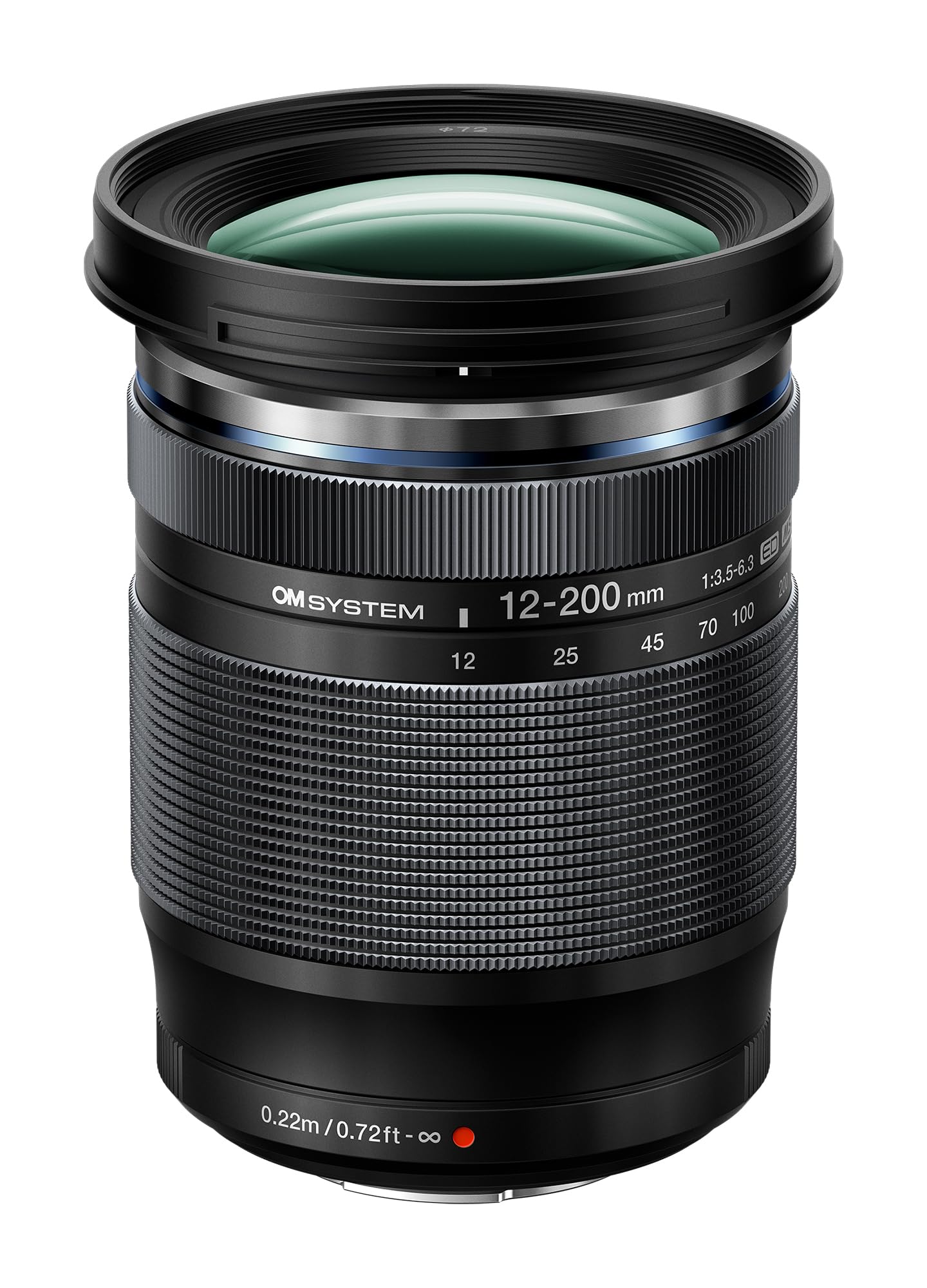
| OM SYSTEM M.Zuiko Digital ED 12-200mm f/3.5-6.3 | Micro Four Thirds | 12-200mm | 24-400mm | f/3.5-6.3 | All-in-one zoom | Exceptional range from wide to super-telephoto |
| OM SYSTEM M.Zuiko Digital ED 14-150mm f/4-5.6 II | Micro Four Thirds | 14-150mm | 28-300mm | f/4-5.6 | All-in-one zoom | Compact, flexible, easy everyday travel lens |
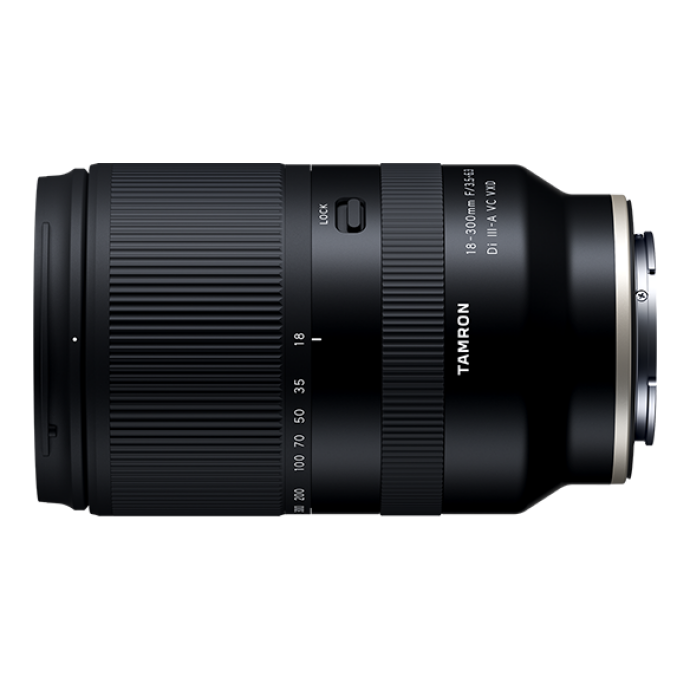
| Tamron 18-300mm f/3.5-6.3 Di III-A VC VXD for Sony E | Sony E APS-C | 18-300mm | 27-450mm | f/3.5-6.3 | All-in-one zoom | Huge range for wildlife, street, and landscape on one lens |
| Tamron 18-300mm f/3.5-6.3 Di III-A VC VXD for Fujifilm X | Fujifilm X APS-C | 18-300mm | 27-450mm | f/3.5-6.3 | All-in-one zoom | Versatile one-lens solution for Fuji travelers |
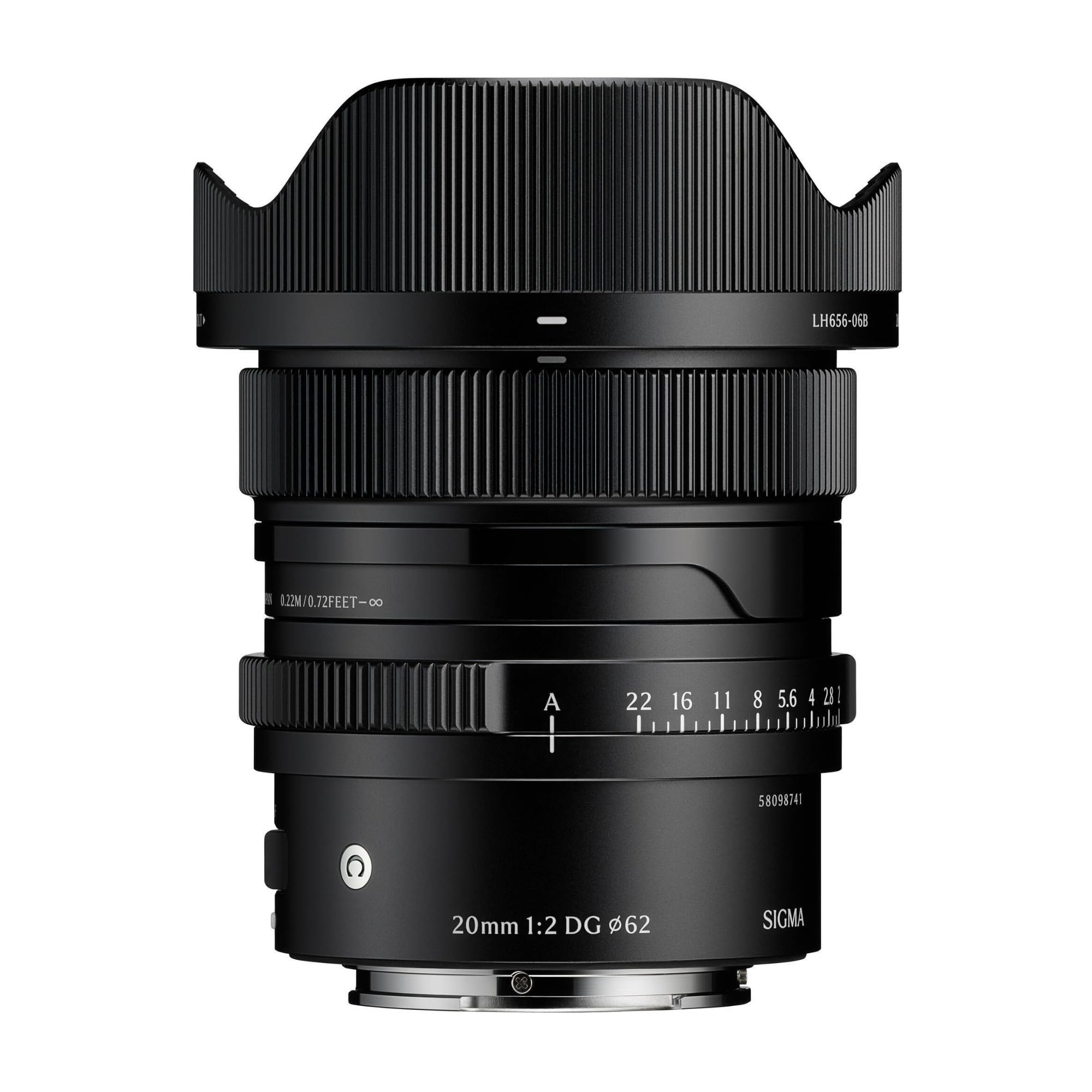
| Sigma 20mm F2 DG Contemporary | Mirrorless prime | 20mm | System-dependent | f/2 | Wide-angle prime | Fast, compact option for landscapes, architecture, and low light |
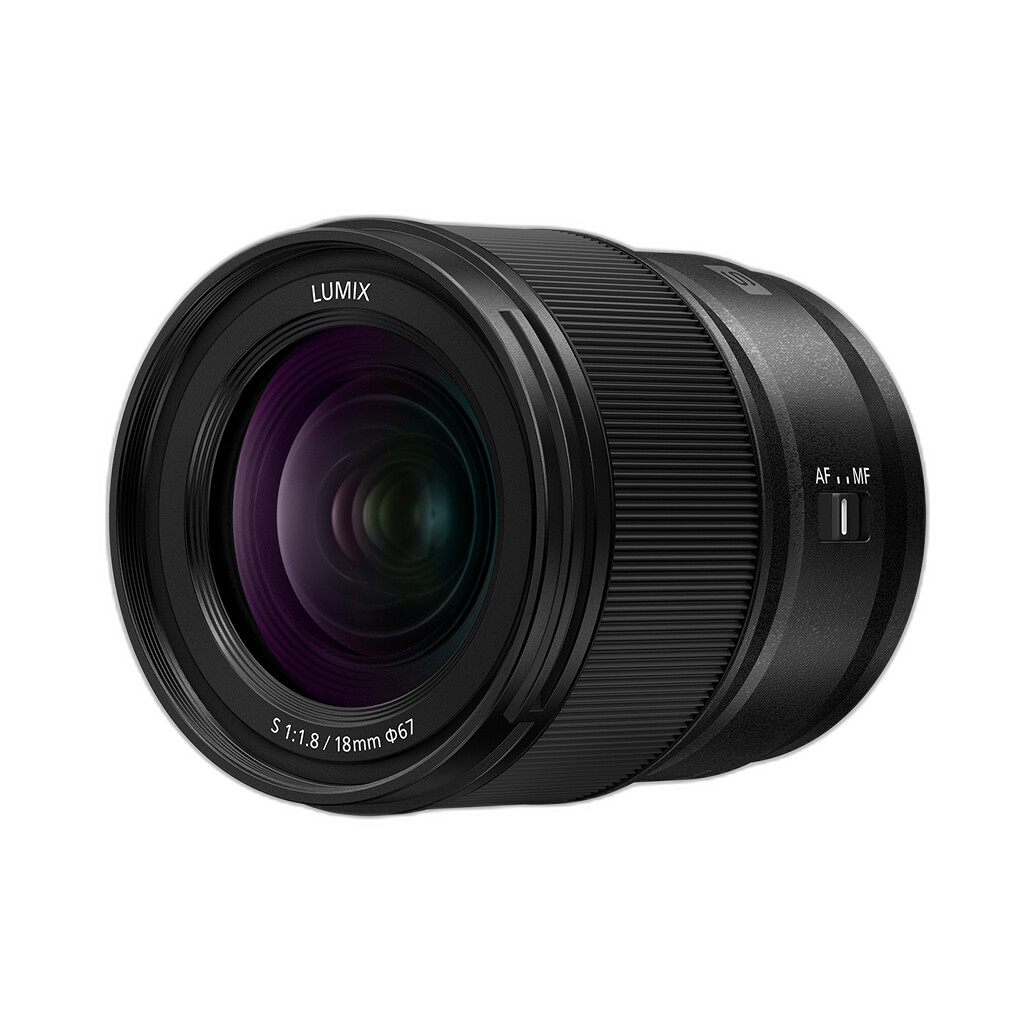
| Panasonic Lumix S 18mm f/1.8 | L-Mount full-frame | 18mm | 18mm | f/1.8 | Ultra-wide prime | Bright aperture for travel, interiors, and night scenes |
Which Type of Travel Lens Makes the Most Sense?
For most travelers, the real decision is between a superzoom and a prime. A superzoom is about convenience: one lens, fewer swaps, less gear, and more confidence that you can frame anything from a sweeping plaza to a faraway tower. A prime lens is about intent: better low-light capability, often stronger edge-to-edge performance, and a smaller or more premium shooting experience if you know your style revolves around wide scenes.
Best for Maximum Versatility
The OM SYSTEM M.Zuiko Digital ED 12-200mm f/3.5-6.3 and Tamron 18-300mm f/3.5-6.3 Di III-A VC VXD lenses are the clear leaders if your main priority is covering as much as possible with one piece of glass.
The OM System 12-200mm stands out because its 24-400mm full-frame equivalent range starts meaningfully wider than many travel zooms. That extra width matters when you’re shooting interiors, old city streets, monuments, or landscapes and can’t step back. At the long end, 400mm equivalent is more than enough for distant details, compressed landscapes, and casual wildlife.
The Tamron 18-300mm, available here for both Sony E and Fujifilm X, pushes even farther on the telephoto side with a 27-450mm equivalent range on APS-C bodies. That makes it especially attractive for road trips, safaris, hiking, and family vacations where subjects can shift from broad scenes to very distant ones in seconds. The tradeoff is that it starts a bit less wide than the OM System option.
Best for Compact Everyday Travel
The OM SYSTEM M.Zuiko Digital ED 14-150mm f/4-5.6 II is the balanced choice for Micro Four Thirds users who want a travel zoom that covers the essentials without leaning quite so hard into extreme range. Its 28-300mm equivalent coverage is still broad enough for most vacation shooting, and many travelers will appreciate the simpler, lighter-feeling approach compared to a more ambitious superzoom.
If your trips are mostly cities, food, portraits, landmarks, and the occasional distant subject, the 14-150mm can feel like the more natural all-day companion. You give up the extra width of 12mm and some telephoto power, but in return you get a very practical middle ground.
Best for Low-Light and Scenic Travel
If your travel photography is driven by mood, architecture, night scenes, interiors, or environmental storytelling, a wide prime may be the better “one lens” choice.
The Sigma 20mm F2 DG Contemporary is compelling because 20mm is a highly usable focal length for travel: wide enough for dramatic views, but not so wide that everything starts to look stretched or overly specialized. The f/2 aperture also gives it a major advantage over superzooms when the light drops.
The Panasonic Lumix S 18mm f/1.8 goes even wider and brighter. For L-Mount shooters, it’s an excellent fit for travel content creators, architecture photographers, and anyone who shoots in dim interiors or after dark. If your idea of travel photography includes handheld evening walks, hotel interiors, cafés, or expansive landscapes, this lens makes a very strong case.
Category-by-Category Comparison
1. Zoom Range
The Tamron 18-300mm wins for sheer reach, especially for APS-C travelers who want one lens that can handle everything from street scenes to distant wildlife. The OM System 12-200mm is close behind, and arguably more balanced because its wider starting point is often more useful in travel than the extra telephoto on the far end. The OM System 14-150mm is still versatile, but it’s the least ambitious of the three superzooms.
2. Wide-End Flexibility
The OM System 12-200mm has a major practical advantage here. A 24mm equivalent starting point is noticeably more travel-friendly than 27mm or 28mm equivalent when shooting in tight spaces. Among primes, the Panasonic 18mm and Sigma 20mm are naturally the leaders for travelers who want a broad field of view all the time.
3. Low-Light Performance
This is where the primes separate themselves. The Panasonic 18mm f/1.8 and Sigma 20mm f/2 are much better suited to low-light shooting than the variable-aperture superzooms. If you expect to spend a lot of time in museums, restaurants, churches, markets, or nighttime streets, a fast prime will make travel photography easier and cleaner.
4. Convenience
For pure convenience, nothing beats an all-in-one zoom. The less you change lenses while traveling, the less gear you carry, the less dust you expose your sensor to, and the faster you can react. The OM System 12-200mm and Tamron 18-300mm options are the strongest answers for travelers who want to pack one lens and stop thinking about it.
5. System Fit
This category may decide the winner before specs do. Micro Four Thirds users should focus on the two OM System lenses. Sony E APS-C users have an especially strong one-lens travel solution in the Tamron 18-300mm. Fujifilm X users get the same flexibility with Tamron’s X-mount version. L-Mount full-frame shooters who prefer image quality and speed over zoom versatility should look closely at the Panasonic 18mm f/1.8.
Our Pick
Best overall travel one-lens solution: OM SYSTEM M.Zuiko Digital ED 12-200mm f/3.5-6.3 Lens.
Why this one? Because travel photography rewards flexibility, and the 12-200mm hits the sweet spot better than almost anything else here. Its 24-400mm equivalent range is unusually practical: wide enough for cityscapes and interiors, long enough for details and distant subjects, and versatile enough to stay on your camera for an entire trip. For many travelers, that wide starting point makes it more useful day-to-day than longer APS-C superzooms that begin at 27mm equivalent.
Runner-up for Sony and Fujifilm APS-C users: Tamron 18-300mm f/3.5-6.3 Di III-A VC VXD. If you shoot Sony E or Fujifilm X and want the broadest possible single-lens coverage, it’s an outstanding travel choice.
Best premium wide-prime travel option: Panasonic Lumix S 18mm f/1.8. If your travel style favors low light, dramatic wide scenes, and cleaner subject separation, this is the more creative pick.
Final Thoughts
The best one-lens travel setup isn’t always the sharpest or fastest lens on paper. It’s the one that matches the way you move through a destination. If you want one lens to do almost everything, a superzoom like the OM SYSTEM 12-200mm or Tamron 18-300mm is hard to beat. If you shoot more intentionally and care more about low-light performance or immersive wide scenes, a prime like the Sigma 20mm F2 or Panasonic 18mm f/1.8 may be the better companion.
If you’re deciding which travel lens belongs in your bag, Unique Photo is a great place to compare options, build the right kit for your camera system, and get ready for your next trip.