Picking a single image for a contest, portfolio review, gallery call, or social post can be surprisingly difficult. The photos that feel strongest to you in the moment are not always the ones that resonate most with other photographers, editors, or viewers. A smart way to narrow your choices is to invite thoughtful community feedback while still keeping your own creative goals in focus.
Below are practical tips to help you choose your best photo for submission, gather useful critique, and make a confident final decision.
Start With a Small, Intentional Selection
1. Narrow your options before asking for feedback
Resist the urge to post 20 nearly identical frames and ask, “Which one?” Instead, edit down to three to five images that are genuinely different in mood, composition, or storytelling. You’ll get better feedback when viewers can focus on meaningful distinctions rather than tiny variations.
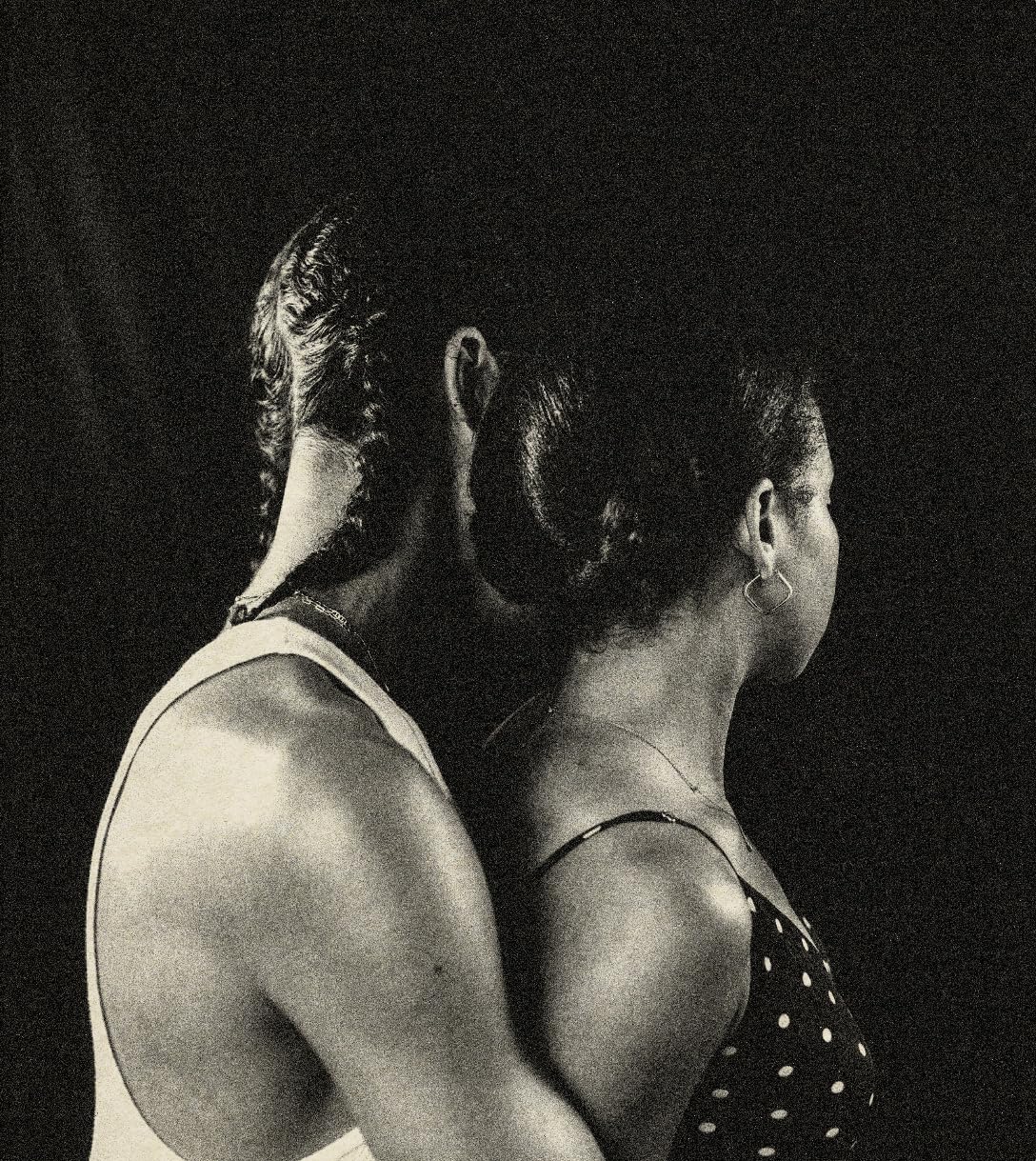
If your work is part of a larger long-form project, spending time with photo books can help sharpen your editing instincts. Looking through a title like I Cant Stand To See You Cry - Rahim Fortune (2nd Printing) can be a helpful reminder that sequencing, emotional pacing, and image selection all matter when deciding which single frame best represents your voice.
Ask the Right People
2. Seek feedback from communities that match your goal
Not all feedback carries the same value. If you’re submitting to a fine art juried show, ask photographers, curators, or peers who understand that space. If it’s for a client-facing project, ask people who know branding, communication, and audience response.
For photographers building a professional practice, educational resources like Best Business Practices for Photographers by John Harrington can also help frame feedback in a more practical way. Sometimes the “best” image artistically is different from the strongest image for a specific client, submission brief, or career goal.
Make Feedback Easy to Give
3. Ask specific questions instead of requesting general opinions
“Which do you like best?” often leads to vague answers. Try asking:
- Which image feels most memorable after a quick look?
- Which one has the strongest emotional impact?
- Which frame feels most polished or submission-ready?
- Is there an image that feels weaker because of distraction, crop, or color?
Specific questions produce specific answers, and that makes your final choice much easier.
Control the Viewing Experience
4. Share files clearly and consistently
When asking for critique, present your images at the same size, brightness, and crop whenever possible. If one file is larger or more saturated than the others, it may get chosen for the wrong reasons.
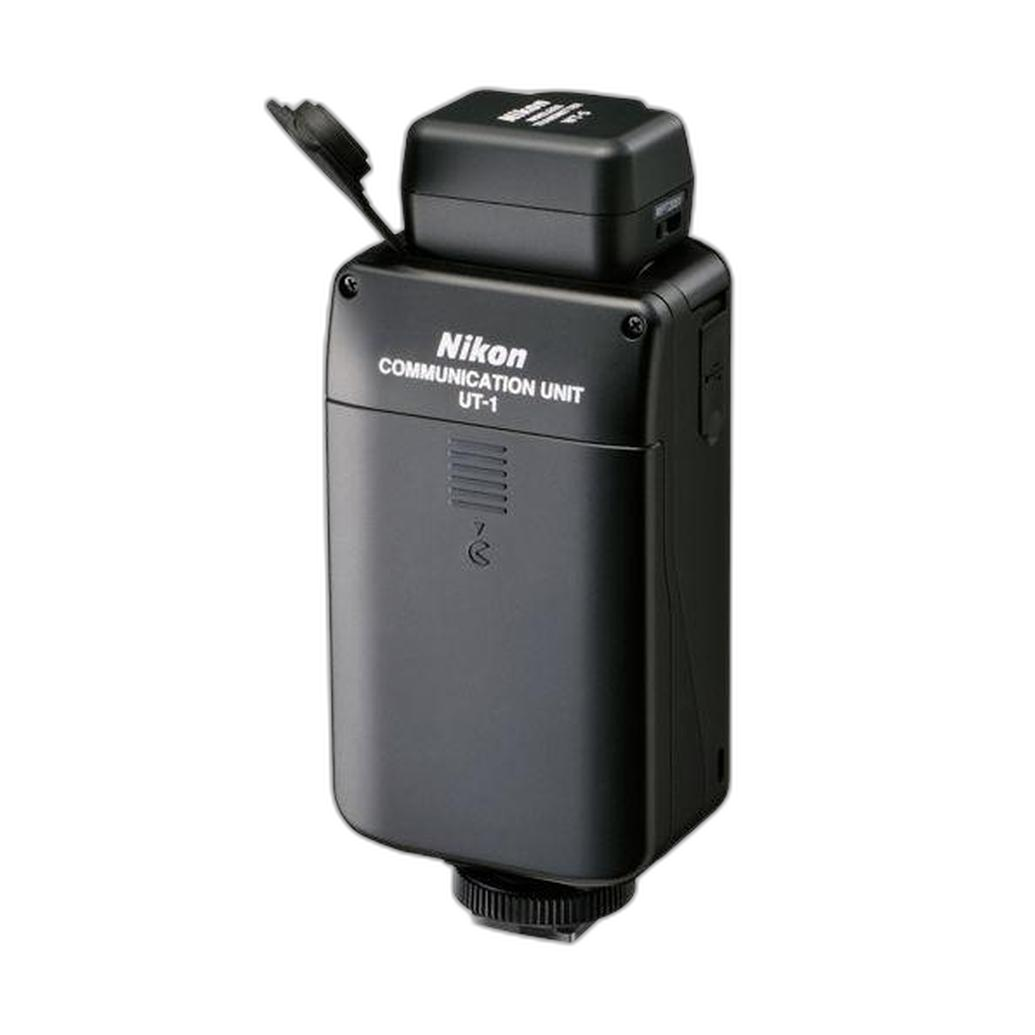
If you’re working in a studio, on a set, or at an event and need to move files quickly to collaborators for rapid review, tools such as the Nikon UT-1 Communication Unit with WT-5A can streamline image sharing and remote workflow. Faster access to your selects can make it easier to gather timely opinions while the shoot is still fresh in everyone’s mind.
Watch for Patterns in Responses
5. Don’t overreact to one opinion
One person may love the bold, unusual frame. Another may prefer the safer image. What matters most is the pattern. If multiple people independently point to the same image as strongest, that’s worth noticing. Likewise, if several viewers mention the same problem, such as cluttered edges or weak subject separation, pay attention.
Community feedback works best when you use it to identify consensus, not when you let one comment completely derail your judgment.
Consider the Story Behind the Image
6. Choose the photo that says the most, not just the one that looks the cleanest
Technical polish matters, but submission images usually stand out because they communicate something memorable. Ask yourself which photograph holds attention for more than a few seconds. Which one invites questions? Which one reveals your perspective?
For documentary, portrait, and personal work especially, the strongest submission is often the frame that carries emotional weight rather than perfect symmetry.
Review Technical Details Before You Commit
7. Eliminate avoidable issues
Before making your final pick, zoom in and check the basics:
- Critical sharpness where it matters
- Clean highlights and shadows
- Distracting background elements
- Color consistency
- Over-editing or heavy-handed retouching
If you’re comparing dynamic environmental images made with a wide lens, subtle edge distortions and framing decisions can strongly affect viewer response. For example, a lens like the Viltrox AF 13mm 1.4 XF For Fuji X can create dramatic perspective and strong visual energy, but when reviewing submissions, make sure that energy supports the subject instead of overwhelming it.
Get Feedback While You’re Shooting, Too
8. Strong submissions often begin with better on-location decisions
Sometimes the best way to choose a winning photo is to create stronger options in the first place. If you can move comfortably, change positions quickly, and carry multiple setups efficiently, you’re more likely to capture a broader range of usable frames.
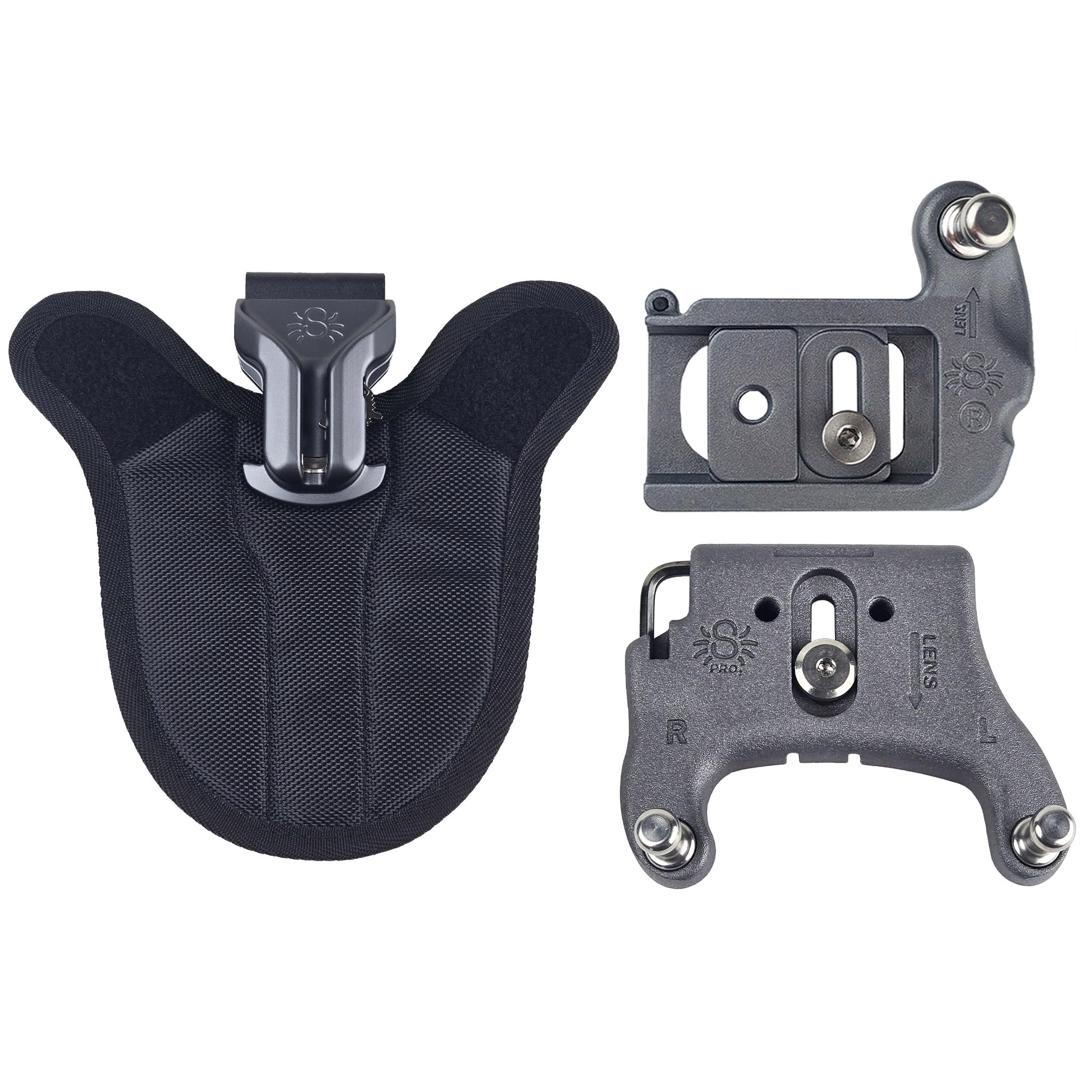
For photographers working events, portraits, or documentary assignments with two bodies, a carrying solution like the SpiderPro Single to Dual Belt Upgrade v2 can make it easier to switch focal lengths fast and keep momentum during critical moments. More variety in capture often leads to a more confident final submission choice.
Create a Reliable Review Environment
9. Presentation conditions matter more than many photographers realize
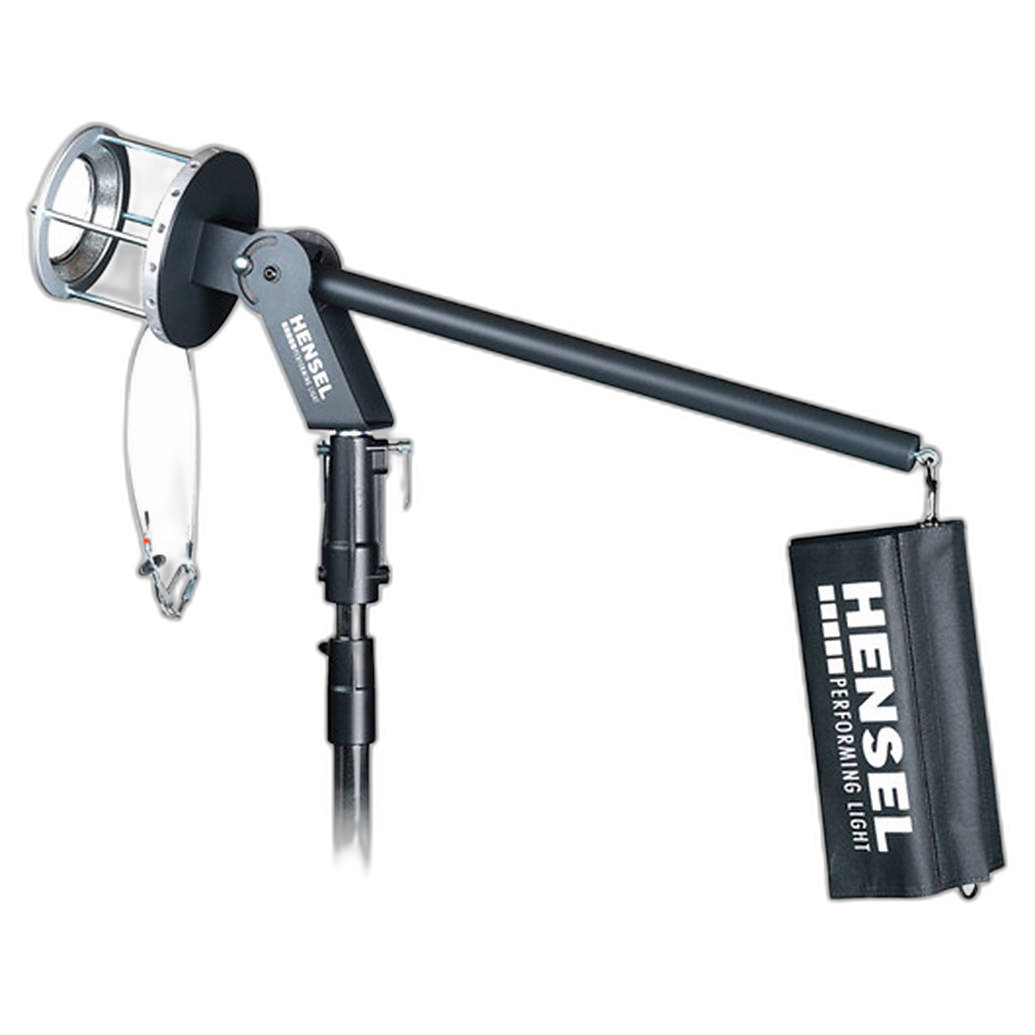
If you’re evaluating portraits or still life images made in controlled lighting, consistency on set can directly influence what ends up in your final edit. Stable, safe support for modifiers and accessories helps keep your lighting repeatable, which makes your comparisons more accurate later.
In studio setups, accessories like the Hensel Bounce Adapter with Sandbag and Safety Rope can support a safer and more dependable lighting workflow. That kind of consistency is especially useful when you’re asking peers to compare subtle differences between near-final frames.
For Video and Multimedia Creators, Keep Review Sessions Running
10. Don’t let power interruptions break the critique process
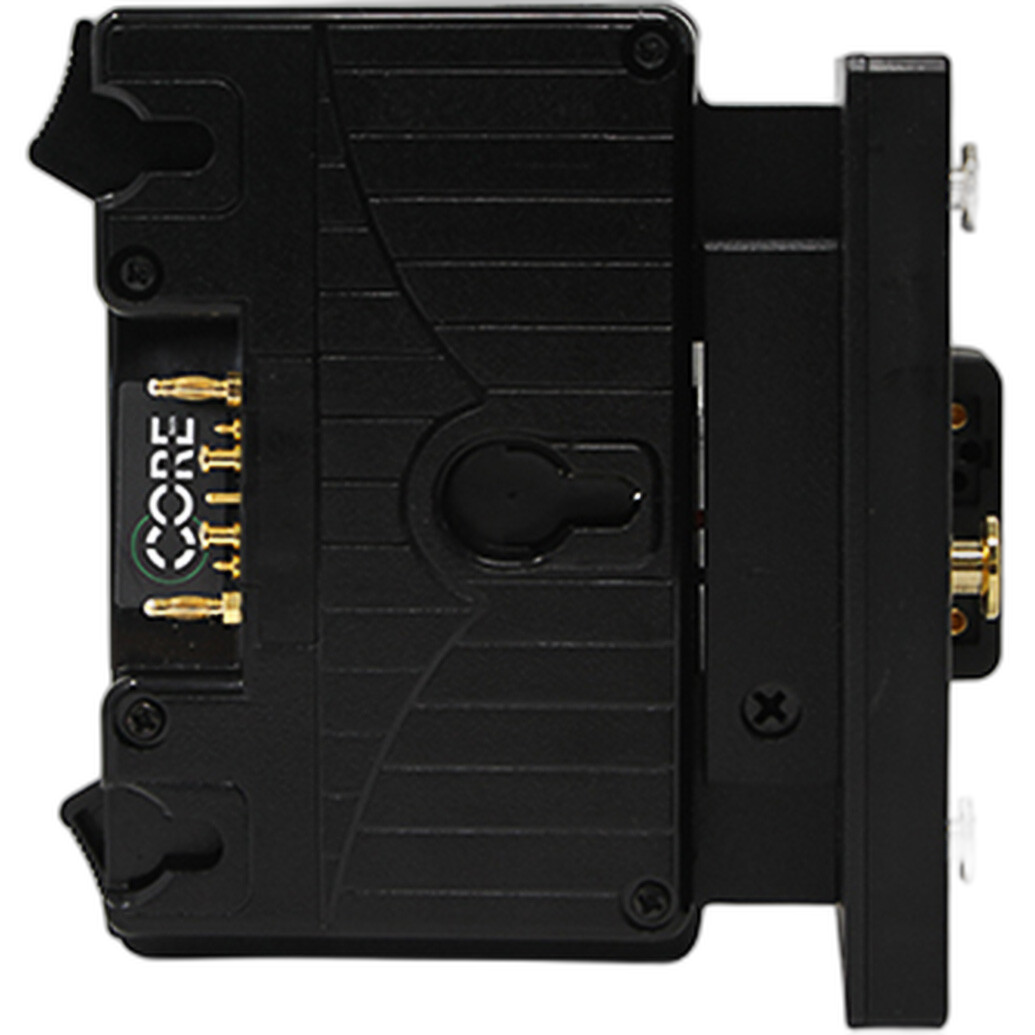
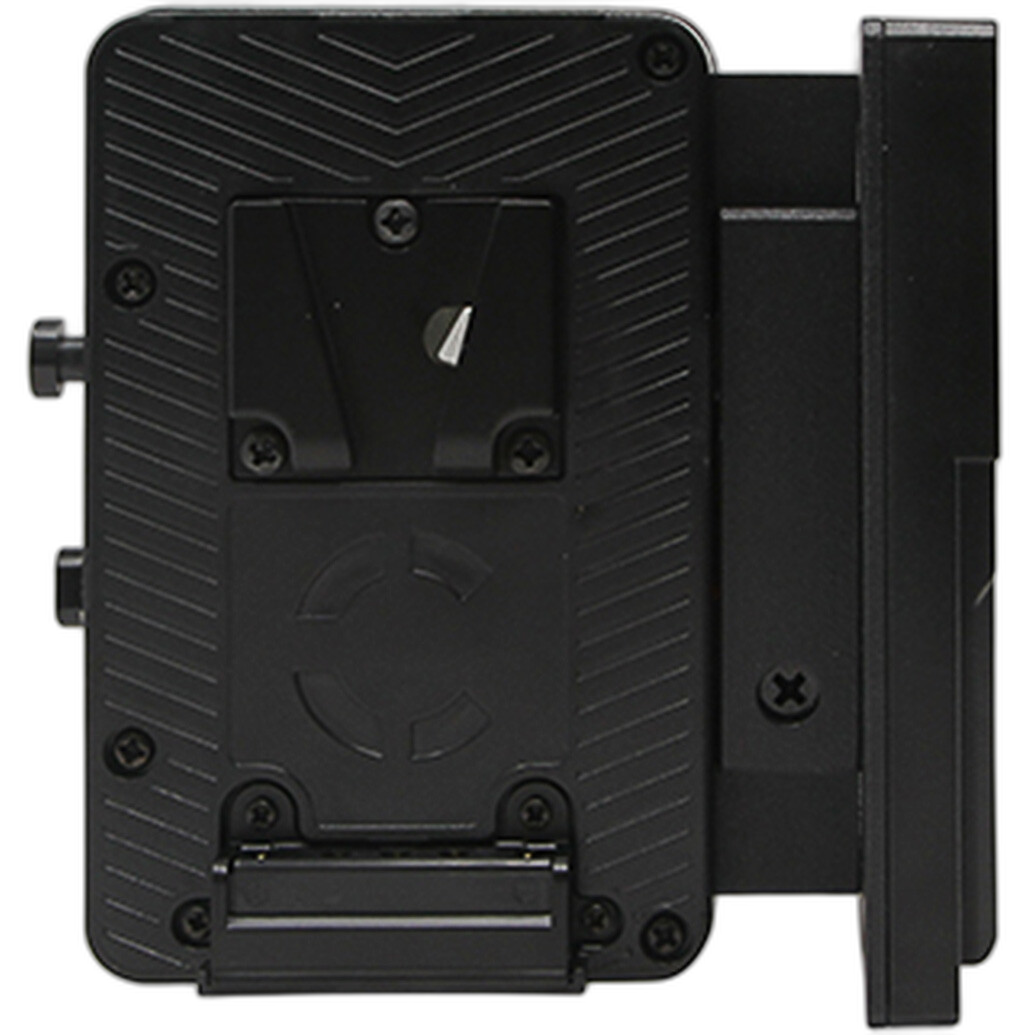
If your submission involves multimedia, behind-the-scenes review, or hybrid photo-video storytelling, uninterrupted power can make collaborative review much smoother. Battery accessories like the Core SWX Helix Gold Mount to Gold Mount Hot Swap/Shark Fin Batt Mount Plate or the Core SWX Helix V-Mount to V-Mount Hot Swap/Shark Fin Battery Mount Plate can help keep compatible rigs running during longer review or production sessions.
While these tools are more relevant to video-oriented creators, the bigger lesson applies to everyone: the easier it is to maintain momentum during capture and review, the more thoughtful your final image selection can be.
Trust Feedback, but Make the Final Call Yourself
11. Use community critique as a guide, not a replacement for your voice
The goal of feedback is not to hand over authorship of your work. It’s to reveal blind spots, confirm strengths, and help you see your images more clearly. If one photo consistently connects with viewers and still feels true to your intent, that’s usually your answer.
At the end of the process, choose the image that best fits the submission, represents your style, and leaves a lasting impression.
Conclusion
Choosing your best photo for submission is part editing, part self-awareness, and part conversation with the community around you. Ask better questions, seek feedback from the right people, and look for patterns instead of chasing every opinion. With practice, you’ll get faster and more confident at recognizing the frame that truly deserves to be seen. For inspiration, workflow tools, and photography gear that supports stronger image-making, Unique Photo is a great place to keep building your process.