If you’re trying to improve the look of your photo or video work, stabilization is one of the smartest places to invest. The big question is whether a tripod or a gimbal will give you the biggest return for the way you actually shoot. While both tools help steady your camera, they solve very different problems. A tripod is all about locked-off precision, while a gimbal is built for smooth movement. The right choice depends on your subjects, your shooting style, and how often you need to move fast.
Below are practical tips to help you decide where your money should go first.
Start by Defining the Kind of Stability You Need
1. Choose a tripod if your shots are mostly static
If you shoot landscapes, architecture, studio portraits, interviews, product photography, or long exposures, a tripod is usually the better first investment. It gives you a perfectly stable platform for careful composition and repeatable framing. A gimbal cannot replace that kind of locked-in support, especially when you need the camera to stay in one exact position for an extended period.
2. Choose a gimbal if your shots depend on motion
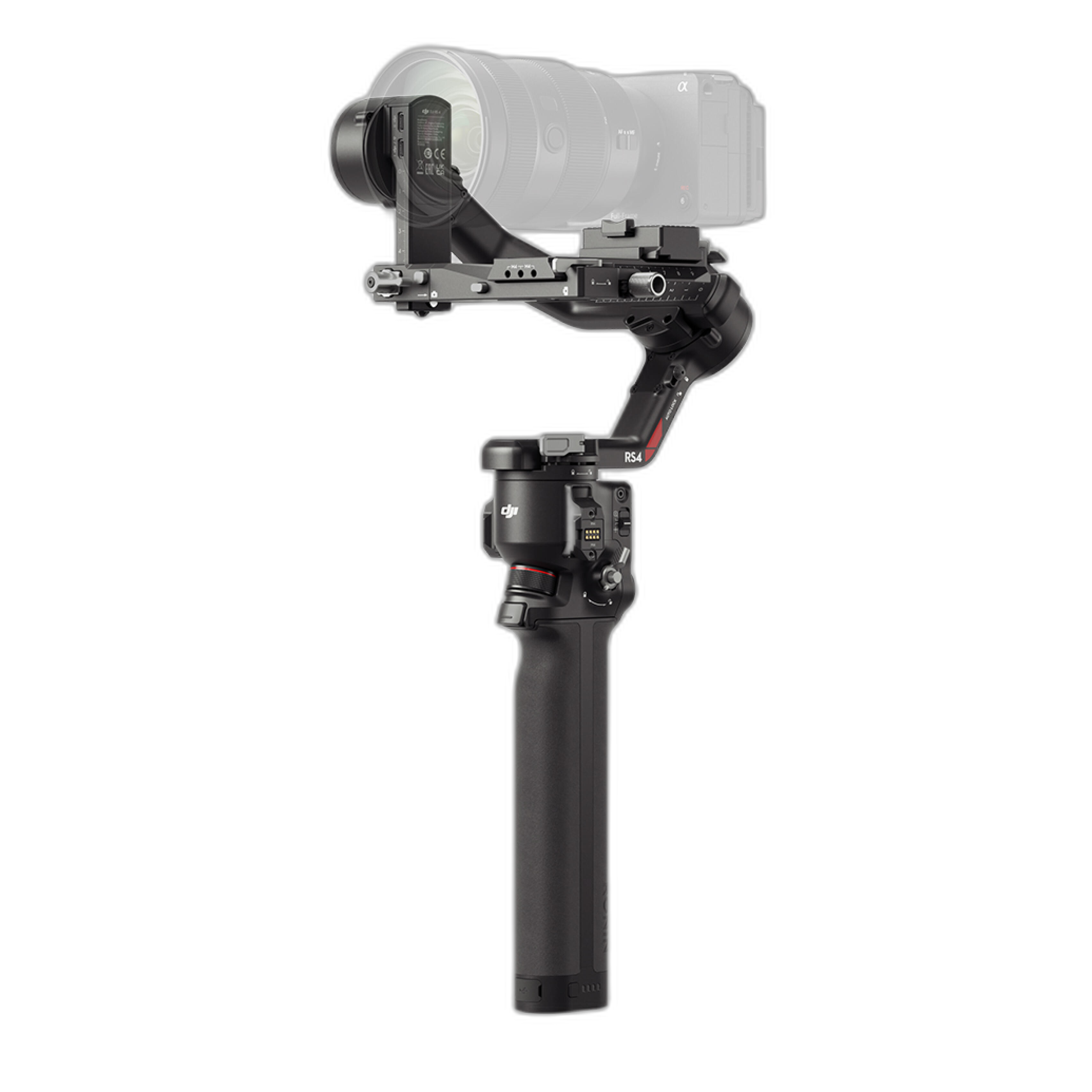
If you film weddings, events, real estate walkthroughs, travel videos, or social content with lots of movement, a gimbal can dramatically improve production value. A modern option like the DJI RS 4 Gimbal Stabilizer is ideal when you want smooth tracking shots, moving reveals, and more polished handheld footage. Instead of fighting camera shake while walking, the gimbal helps keep motion controlled and cinematic.
Match Your Investment to What You Shoot Most Often
3. Video creators usually benefit more from a gimbal first
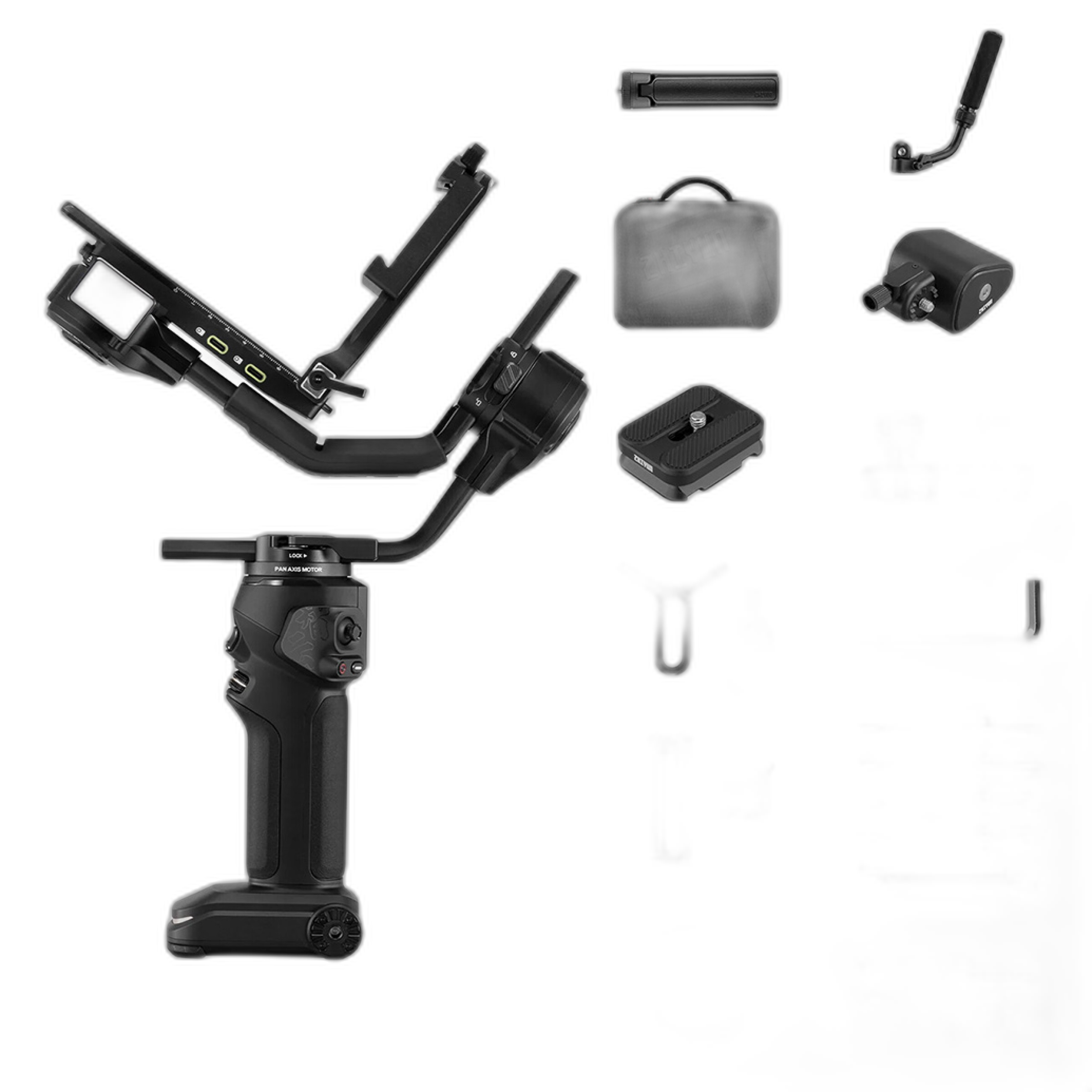
For many hybrid shooters and filmmakers, a gimbal has more immediate impact than adding another support tool. If your work includes following subjects, circling a couple during a first dance, or gliding through a location, a handheld stabilizer opens up shots a tripod simply cannot create. The Zhiyun CRANE 4 3-Axis Handheld Gimbal Stabilizer Combo Kit is a strong fit for creators who want robust stabilization for more advanced video setups.
4. Photographers often get more value from a tripod first
For still photography, the tripod remains hard to beat. It helps with sharp images in low light, bracketed exposures, self-portraits, macro work, and carefully staged compositions. If photography is your main focus and video is only occasional, a tripod is often the more practical purchase. A gimbal can help for video clips, but it won’t replace the utility of a stable platform for stills.
Consider Camera Size, Lens Choice, and Overall Load
5. Heavier camera setups favor more capable gimbals
Not every gimbal is equally suited to every camera and lens combination. If you use a larger mirrorless body, fast zooms, or added accessories, you’ll want a model designed for a more serious payload. Systems like the DJI RS 4 or Zhiyun CRANE 4 make more sense for shooters building around versatile video rigs rather than ultra-light kits.
6. Smaller kits can save money with compact or used options
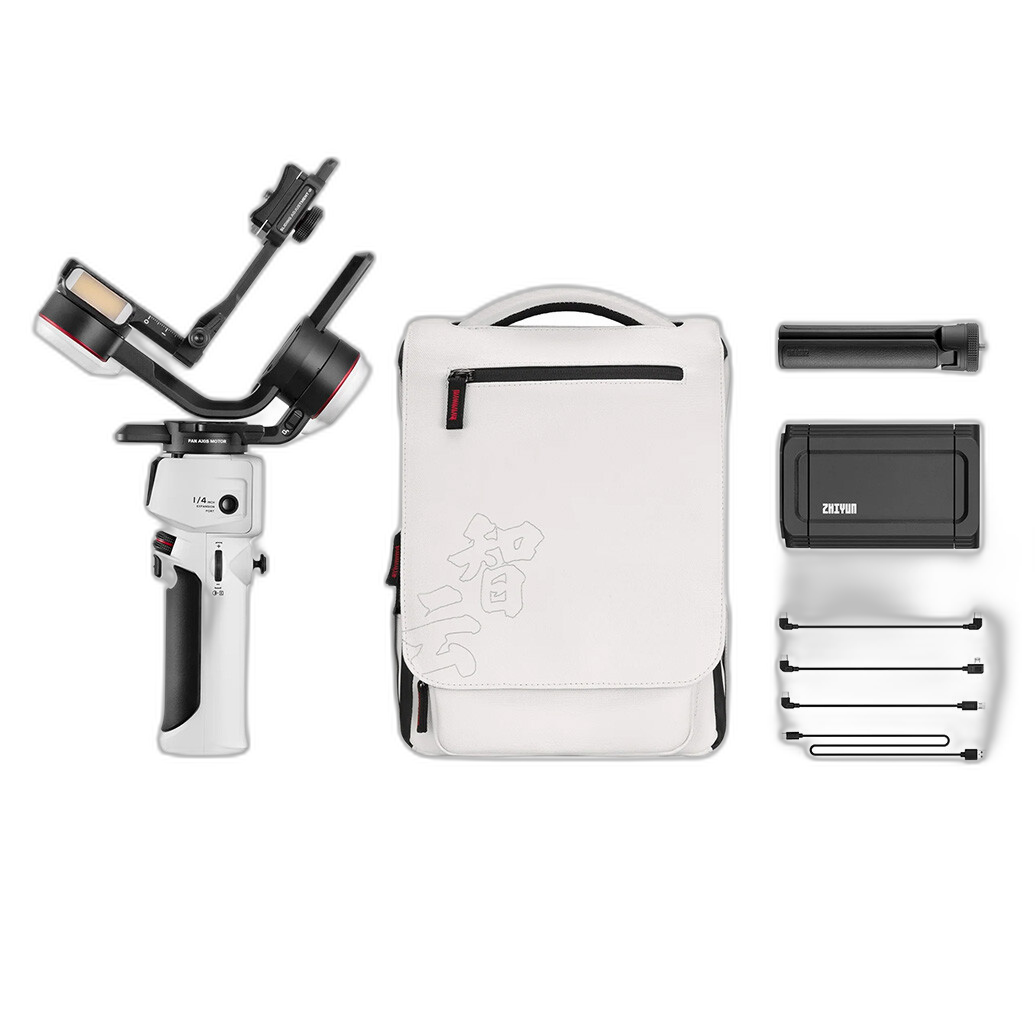
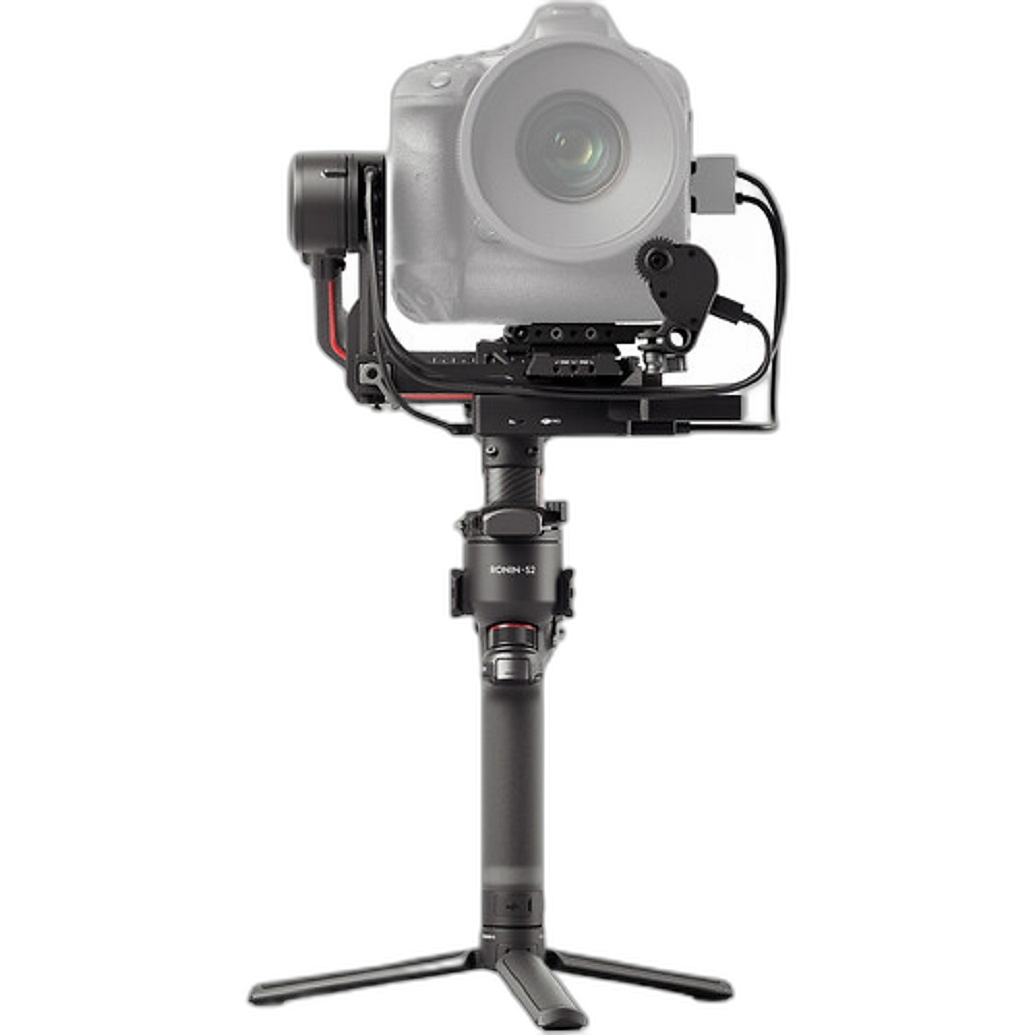
If you use a lighter camera and smaller prime lenses, you may not need a top-tier new model to get excellent results. The Zhiyun CRANE M3S Handheld Gimbal Stabilizer Combo is appealing for creators who value portability, especially for compact mirrorless setups or travel shooting. If budget is a bigger concern, pre-owned options such as the Used Excellent DJI RS 2 Gimbal Stabilizer Pro Combo or Used DJI RSC 2 Gimbal Stabilizer - Excellent can be smart ways to step into stabilized video without stretching your investment too far.
Think About Speed on Set
7. Tripods are faster for fixed composition
When the assignment calls for consistency, a tripod keeps things simple. You set the frame, lock it in, and focus on lighting, direction, or timing. For interviews and product demos, that efficiency matters. There is less balancing, less battery management, and less setup complexity than with a gimbal.
8. Gimbals are faster when you need to move with your subject
On the other hand, once balanced, a gimbal lets you react quickly to movement. You can follow a subject through a scene, capture dynamic B-roll, or transition from one angle to another without resetting your support every few feet. For solo creators and event shooters, that flexibility can save a lot of time over the course of a day.
Be Honest About Your Learning Curve
9. Tripods are straightforward; gimbals reward practice
A tripod is simple to use well. A gimbal takes more commitment. You’ll need to learn balancing, tuning, movement technique, and shot planning to get the best results. The payoff is worth it, but only if you plan to use it regularly. If you’re unsure, a value-oriented used model like the Used Fair DJI RS 2 Gimbal Stabilizer Pro Combo or Used DJI RS 2 Gimbal Stabilizer Pro Combo - Good can be a lower-risk way to learn before committing to a newer flagship.
Factor In Portability and Fatigue
10. Long handheld sessions can be tiring
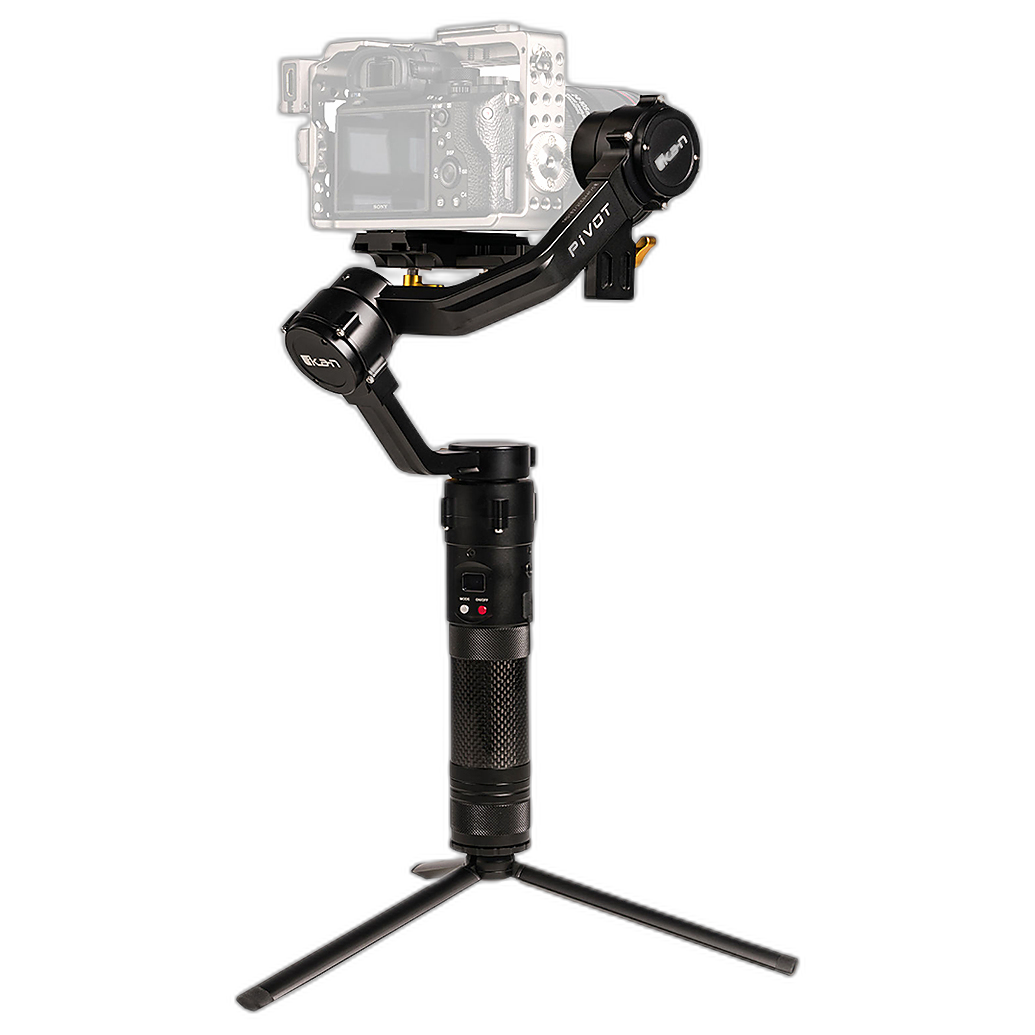
Even a well-designed gimbal adds weight to your shooting day, especially once the camera is mounted. If you often work long events or travel light, compact choices matter. The Zhiyun CRANE M3S is attractive for creators who want stabilization without carrying a bulkier rig all day. Some shooters also explore affordable used handheld systems such as the Used ikan PIVOT Angled 3-Axis Handheld Gimbal Stabilizer - Excellent for lightweight motion work.
11. Tripods are bulkier to transport but easier to leave in place
A tripod may take up more room when packed, but once it’s set down, it does the work for you. For long recordings, static scenes, or any shoot where you don’t want to physically support the camera, that convenience is hard to overstate.
Decide Based on ROI, Not Hype
12. Buy the tool that unlocks the shots you currently miss
The best investment is the one that solves your real limitation. If your footage looks shaky because you’re always moving, a gimbal will likely change your results right away. If your images suffer in low light or you need more precision for static framing, a tripod is the smarter first purchase. For many creators, the answer eventually becomes both—but not necessarily at the same time.
- Invest in a tripod first if you primarily shoot stills, interviews, landscapes, products, or long exposures.
- Invest in a gimbal first if you primarily shoot motion, walkthroughs, weddings, events, travel content, or cinematic B-roll.
- Consider used gimbals like the DJI RS 2 and DJI RSC 2 options if you want strong value while building your kit.
- Consider current models like the DJI RS 4 or Zhiyun CRANE 4 if you want updated features and room to grow.
Conclusion
Tripods and gimbals are both valuable, but they shine in different situations. If your goal is steady, repeatable framing, a tripod is the foundation. If your goal is smooth, dynamic movement, a gimbal is the upgrade that changes how your footage feels. Think about the shots you create most often, the gear you carry, and the pace of your shoots before deciding.
If you’re ready to compare stabilization tools in person or explore new and used options, Unique Photo is a great place to find the right fit for your workflow.