When planning your event videography setup, one of the biggest questions is whether to use a tripod or a gimbal for event videography. The answer depends on the type of event, the shots you need, your shooting pace, and how long you will be on your feet. For weddings, corporate events, concerts, festivals, school performances, and live productions, both tools can be essential—but they solve very different problems.
At Unique Photo, we regularly help creators choose gear for fast-moving productions, and this is one of the most common video support questions. If you are deciding between a tripod and a gimbal, this guide breaks down the strengths, limitations, and best-use scenarios for each so you can build a practical event video kit.
Tripod vs. gimbal for event videography: what is the difference?
A tripod provides stable, locked-off support for your camera. It is ideal when you want a consistent frame, smooth pans, formal coverage, or long recording sessions. A gimbal is a motorized stabilizer that keeps your camera steady while you move. It is designed for motion shots, walking shots, dynamic entrances, venue walkthroughs, and immersive coverage.
In simple terms:
- Tripods are best for stability, long takes, speeches, ceremonies, and interviews.
- Gimbals are best for movement, energy, tracking shots, and cinematic event coverage.
For many event filmmakers, the real answer is not tripod or gimbal—it is tripod and gimbal, used strategically throughout the day.
When a tripod is better for event videography
A tripod is usually the safest and most practical choice when your priority is reliability. Events often include moments you only get once: vows, keynote speeches, first dances, awards, performances, or panel discussions. In those situations, stable framing matters more than camera movement.
A tripod is the better tool when you need:
- Long continuous recording without operator fatigue
- Consistent framing for ceremonies or presentations
- Smooth pans and tilts with a fluid video head
- Multi-camera event coverage with one angle locked off
- Better low-light stability at slower shutter speeds
For corporate videography, conferences, school recitals, and stage events, a tripod often becomes the backbone of your coverage. It keeps your footage usable and professional, especially when you need a dependable master shot.
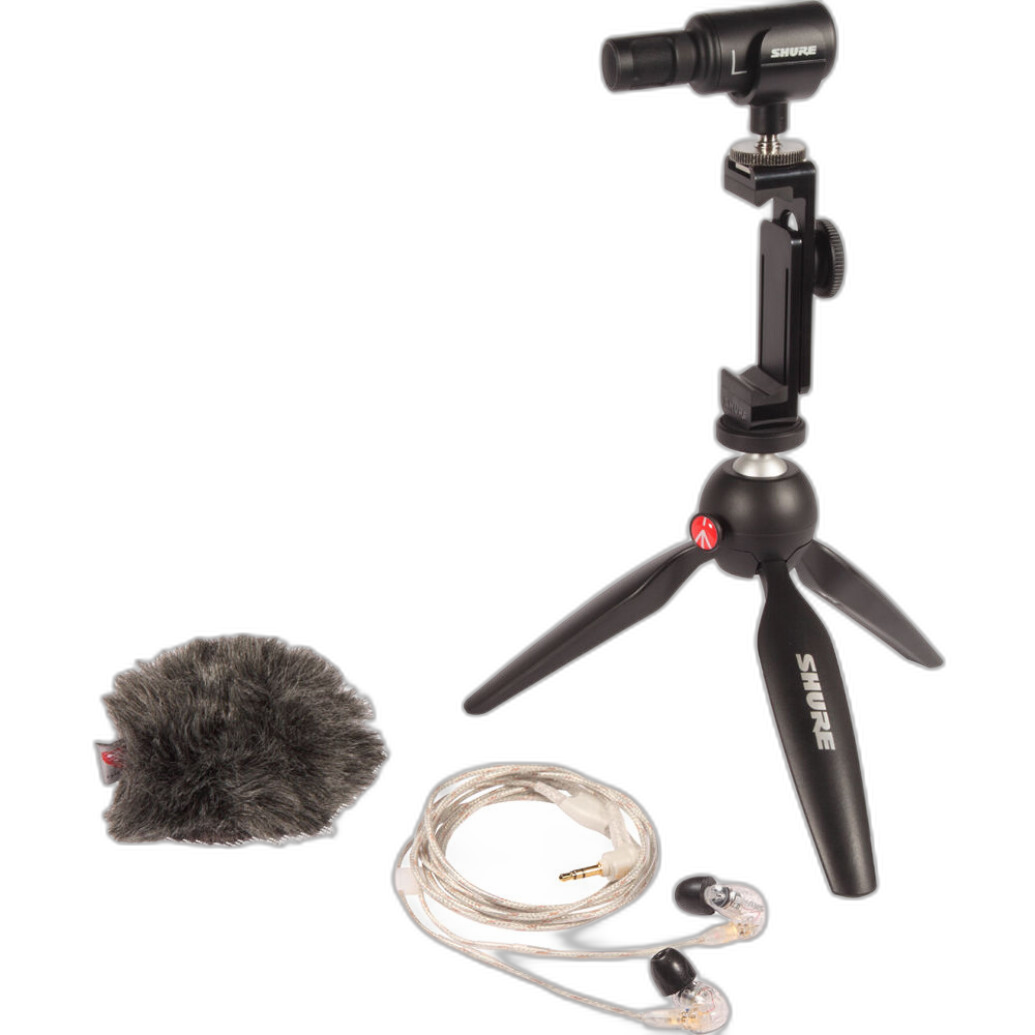
If you shoot speeches or presentations often, a tripod can also make audio management easier. A stable camera position pairs well with external audio tools and simpler cable routing. For example, adding a compact audio solution like the Shure MV88+ SE215-CL Portable Videography Bundle can help improve the overall production value of your event coverage.
When a gimbal is better for event videography
If your goal is to create highlight reels, social clips, or cinematic recap videos, a gimbal can dramatically improve the look of your footage. Gimbals shine when you need to move through a crowd, follow subjects, or add motion to otherwise ordinary scenes.
A gimbal is often the better choice for:
- Wedding entrances and exits
- Following speakers, performers, or guests
- Venue walkthroughs and establishing shots
- Dance floor coverage
- Fast-paced documentary-style event highlights
For modern event videography, motion helps communicate atmosphere. A well-used gimbal can make viewers feel like they are inside the event rather than just watching from the sidelines. This is especially useful for promotional edits, festival recaps, and branded event content.
That said, gimbals require more preparation. You need to balance the camera correctly, monitor battery life, and be comfortable operating while moving through unpredictable spaces. In crowded venues, a gimbal can also be less practical than a compact monopod or tripod setup.
Best choice for weddings, corporate events, and live performances
Different event types call for different support systems. If you are wondering which is better for your specific niche, here is a practical breakdown.
- Wedding videography: Use a tripod for the ceremony, speeches, and formal dances; use a gimbal for prep, couple portraits, entrances, and reception highlights.
- Corporate event videography: A tripod is usually the main tool for keynotes, interviews, and panels. A gimbal is useful for b-roll, networking scenes, and venue overviews.
- Concerts and performances: A tripod is often the better primary choice because it handles long lenses and static coverage more reliably. A gimbal can supplement backstage or crowd-energy shots.
- Festivals and public events: A gimbal can help capture the energy of the environment, while a tripod is still important for speeches, demonstrations, or scheduled performances.
If your work leans toward live events and documentary storytelling, combining both tools gives you the strongest coverage options. Unique Photo also offers educational opportunities that can help videographers improve real-world event techniques, such as Seminar: How to Capture Great Festival and Event Photos with David Wells and UUOnline (Sony Takeover): Videography Basics with Sony.
Tripod pros and cons for event videographers
Before you choose, it helps to understand the tradeoffs clearly.
Tripod advantages:
- Maximum stability
- Ideal for long recordings
- Better for telephoto lenses
- Reduces fatigue during all-day shoots
- More dependable for critical moments
Tripod disadvantages:
- Less flexible when moving quickly
- Can be slower to reposition
- Takes up more floor space in crowded venues
- Does not create the same cinematic movement as a gimbal
For event professionals covering once-in-a-lifetime moments, these tripod advantages are hard to ignore. Locked-off footage may not always feel flashy, but it is often the footage clients need most.
Gimbal pros and cons for event videographers
Gimbal advantages:
- Smooth motion while walking or tracking subjects
- Excellent for highlight films and short-form video
- Makes venue footage feel more immersive
- Great for social media-friendly event content
Gimbal disadvantages:
- Requires balancing and setup time
- Battery-dependent
- Can be tiring during long shoots
- Less useful for long static coverage
- May struggle with heavier camera builds
A gimbal is a creative tool, but it is not always the safest single support solution for full event coverage. If you are only bringing one tool to a conference, ceremony, or performance, a tripod is often the safer choice. If you are producing a short branded recap, a gimbal may provide more visual impact.
Should beginners buy a tripod or a gimbal first?
For most beginners getting into event videography, a tripod should come first. It is easier to use, more forgiving, and more versatile for essential event coverage. A good tripod teaches framing, composition, and timing without adding the technical demands of balancing and operating a motorized stabilizer.
A gimbal becomes the next logical addition once you are comfortable capturing clean, dependable footage and want to expand into more cinematic work. Many new videographers assume a gimbal will instantly make their work look professional, but stable composition, strong audio, and complete event coverage usually matter more than motion alone.
At Unique Photo, beginners can also sharpen their skills through educational sessions like *FREE RSVP* Videography Beginners Guide with Sony (Philly), which can help you understand how support gear fits into a broader shooting workflow.
Do professional event videographers use both?
Yes—many professionals use both a tripod and a gimbal during the same event. This is often the smartest approach because events include both static and dynamic moments. A typical workflow might look like this:
- Tripod: Ceremony, speeches, wide master shot, interview coverage
- Gimbal: Establishing shots, guest arrivals, room reveals, moving b-roll, dance floor highlights
Some event shooters even keep one camera locked on a tripod while using a second camera on a gimbal. This setup provides safety coverage while still allowing for cinematic footage. If the event is highly structured, the tripod does most of the heavy lifting. If the event is experiential or promotional, the gimbal may see more use.
How to choose the right support system for your event video style
Ask yourself these questions before deciding:
- Do you need to record long, uninterrupted moments?
- Will you be moving through crowds frequently?
- Is the final deliverable a full-length event edit or a short highlight reel?
- Are you working solo or with a team?
- How much setup time will you have?
- Will you be shooting in low light?
If your answer leans toward reliability, coverage, and long takes, choose a tripod. If it leans toward motion, storytelling, and atmosphere, choose a gimbal. If you need both dependable coverage and creative energy, bring both.
Education can also make a major difference in how effectively you use your gear. Unique Photo regularly supports photographers and videographers with classes and seminars, including event-focused learning opportunities that can help you improve both your technical setup and your creative decision-making.
Final recommendations: tripod or gimbal for event videography?
Here is the short answer:
- Choose a tripod if you need dependable, stable footage for ceremonies, speeches, presentations, interviews, and live performances.
- Choose a gimbal if you want dynamic movement for highlight films, walkthroughs, crowd coverage, and cinematic recaps.
- Choose both if you regularly shoot events professionally and need complete coverage.
For most event videographers, the tripod is the foundation, while the gimbal is the creative complement. Building your kit this way helps you cover critical moments confidently while still delivering polished, engaging footage.
Unique Photo is a great resource not only for videography gear and accessories, but also for hands-on learning and creator education. If you are looking to improve your event coverage, consider exploring Unique Photo’s videography classes, event-focused seminars, and audio accessories to round out your setup.
For internal linking opportunities, consider pointing readers to related pages such as Unique Photo, videography classes, audio accessories, beginner video guides, and event photography or filmmaking workshops to help them build a more complete event production toolkit.