Heavy DSLR video setups can deliver beautiful cinematic footage, but they also create one of the biggest challenges for filmmakers: stability. Once you add a fast zoom lens, external monitor, shotgun mic, cage, battery plate, or follow focus, your camera rig can quickly outgrow lightweight support gear. Choosing the right tripod or stabilizer for shooting video with heavy DSLRs is essential for smooth pans, controlled tilts, safer operation, and more professional results.
At Unique Photo, many filmmakers shop for cameras, support gear, and pro video tools together because the right workflow depends on how your entire rig performs in the field. Whether you shoot weddings, interviews, documentaries, sports, events, or branded content, understanding tripod payload, head design, and stabilization options will help you build a more reliable setup.
What makes a DSLR video rig "heavy"?
In video production, a DSLR becomes a heavy rig when it moves beyond a simple body-and-lens combination and starts functioning like a cinema-style production package. A full-frame DSLR with a 24-70mm or 70-200mm lens may already be substantial, but once you add a cage, top handle, external recorder, monitor, wireless audio receiver, matte box, rails, and larger batteries, the total weight can become too much for entry-level tripods and handheld stabilizers.
That extra weight affects more than portability. It changes balance, center of gravity, pan resistance, tilt control, and the amount of counterweight or motor strength needed in a stabilizer. Many creators discover this after seeing shaky footage, head droop, uneven panning, or tripod legs that flex under load.
If your DSLR rig feels front-heavy, takes effort to hold level, or causes your fluid head to sag after framing, it is time to move into video-specific support solutions.
Why standard photo tripods struggle with heavy DSLR video
Photo tripods are designed mainly for still photography, where the tripod holds a camera in a fixed position. Video is different. Filmmakers need controlled movement, repeatable framing, and support systems that can handle shifting weight during pans and tilts. A heavy DSLR setup often overwhelms a basic ball head or lightweight photo tripod for several reasons:
- Ball heads are not ideal for video movement: They are fast for stills but difficult to control smoothly while recording.
- Limited payload margin: A head rated near your rig weight may technically hold it, but not perform smoothly.
- Poor counterbalance: Without proper counterbalance, the camera wants to flop forward or backward.
- Leg flex and vibration: Thin legs can introduce micro-shakes, especially outdoors or on uneven ground.
- Inconsistent panning: Photo heads are not built for fluid drag performance.
For video with heavy DSLRs, a true video tripod system is almost always the better investment.
How to choose a tripod for heavy DSLR video rigs
When shopping for a tripod for DSLR video, payload rating is only the starting point. The best tripod system matches your total rig weight, shooting style, and production environment.
1. Look for a real video fluid head
A fluid head is one of the most important upgrades for smoother footage. It gives you controlled pan and tilt movement, making interviews, tracking shots, ceremonies, and live event coverage look far more polished. For heavy DSLRs, choose a fluid head with adjustable drag and proper counterbalance.
A good rule is to leave room above your actual rig weight. If your setup weighs 12 pounds, do not buy the lightest head rated for exactly 12 pounds. A higher-capacity head usually performs better and feels more stable.
2. Prioritize counterbalance
Counterbalance helps the tripod head resist the natural tendency of a rig to tip forward or backward. This matters even more with long lenses, teleprompter setups, or front-loaded cages. Strong counterbalance allows you to tilt and hold position without fighting gravity.
3. Choose sturdy legs
Video tripod legs should be rigid, dependable, and appropriate for your shooting conditions. Carbon fiber is popular for lower weight and vibration control, while aluminum remains a durable value choice. Mid-level spreaders can improve stability on indoor floors, while ground spreaders may be useful in controlled studio environments.
4. Consider bowl mounts for faster leveling
Many serious video tripods use bowl-based systems rather than flat-base designs. A bowl mount lets you level the head quickly, which is especially helpful on uneven surfaces when time matters.
5. Think about working height and transport size
If you shoot interviews all day, a comfortable operating height matters. If you travel or work alone, packed length and weight matter too. The best support system is one you will actually bring to the job.
Best tripod features for videographers shooting interviews, events, and documentaries
Different production styles place different demands on tripod systems. At Unique Photo, many video shooters compare tripod specs based on the type of work they do most often.
For interviews: prioritize strong counterbalance, reliable locks, smooth drag, and a sturdy footprint. Locked-off shots and subtle reframing benefit from a stable system with minimal vibration.
For weddings and events: choose a tripod that sets up quickly and balances portability with payload. A fluid head with fast camera plate adjustments can save time when moving between ceremony, speeches, and reception coverage.
For documentaries: versatility is key. Uneven terrain, long lenses, and fast location changes call for durable legs, efficient leveling, and dependable pan-and-tilt performance.
For sports and long-lens shooting: heavier support becomes even more important. Long focal lengths magnify vibration, so a stronger tripod system is worth the added bulk.
Do you need a monopod, tripod, gimbal, or shoulder rig?
Not every stabilization tool solves the same problem. For heavy DSLR video, it helps to know what each system is designed to do.
Tripod
A tripod is best for locked-off shots, interviews, ceremonies, long takes, product demos, and any scene where repeatability matters. For heavy DSLR rigs, this is usually the foundation of a reliable support kit.
Monopod
A monopod provides mobility with some vertical support, making it useful for events and sideline work. However, it does not replace a tripod for static precision or smooth pans with a heavy build.
Gimbal stabilizer
A motorized gimbal is ideal for moving shots, walk-and-talk sequences, tracking, and cinematic motion. But heavy DSLR rigs can push motor limits quickly. Balancing also becomes more complicated as accessories are added.
Shoulder rig
A shoulder rig redistributes weight for handheld shooting and can create organic movement, but it does not eliminate operator sway. It works best as part of a broader system, not as a replacement for tripod support.
Most serious filmmakers eventually use more than one stabilization tool. A tripod for static and controlled shots, plus a gimbal or shoulder rig for movement, is a common combination.
How to choose a stabilizer for heavy DSLRs
If you want moving footage with a heavy DSLR, a stabilizer must be selected more carefully than with a compact mirrorless body. The payload rating needs to exceed your real-world build, not just the bare camera body. Before buying a gimbal or stabilizer, calculate the total weight of the camera, lens, battery, cage, monitor, and any accessories that must remain mounted during operation.
Here are the most important considerations:
- Motor power: Heavier rigs need stronger motors to maintain stable movement.
- Clearance: Larger DSLR bodies and lenses need physical room to balance properly.
- Battery life under load: Heavier payloads can reduce runtime.
- Balancing speed: If you often reconfigure your setup, ease of balancing matters.
- Accessory ecosystem: Dual handles, focus motors, vest support, and remote control tools can make heavy rigs more practical.
If your DSLR setup is extremely large, consider whether a dedicated camcorder or shoulder-mount video system may serve your workflow better. Unique Photo carries professional video options that can reduce the need for oversized DSLR builds in some productions.
When a camcorder can be easier than a heavily rigged DSLR
Many creators start with DSLRs for video, then gradually add accessories to solve ergonomics, audio, monitoring, and zoom control challenges. In some cases, a professional camcorder offers a more efficient solution with built-in video features, better balance, and easier handling on support systems.
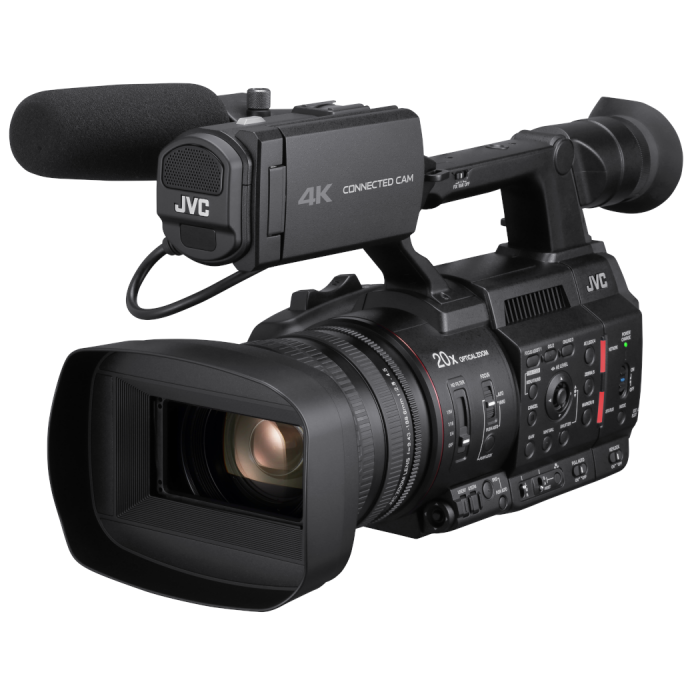
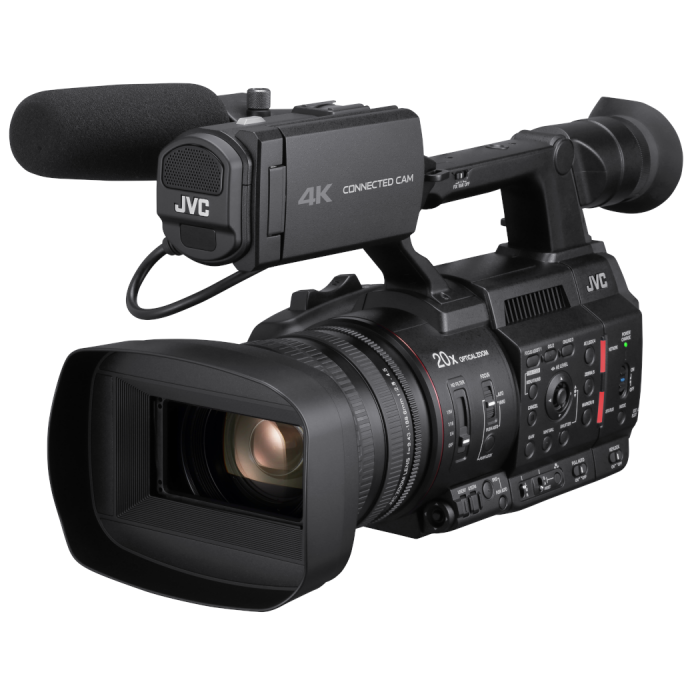
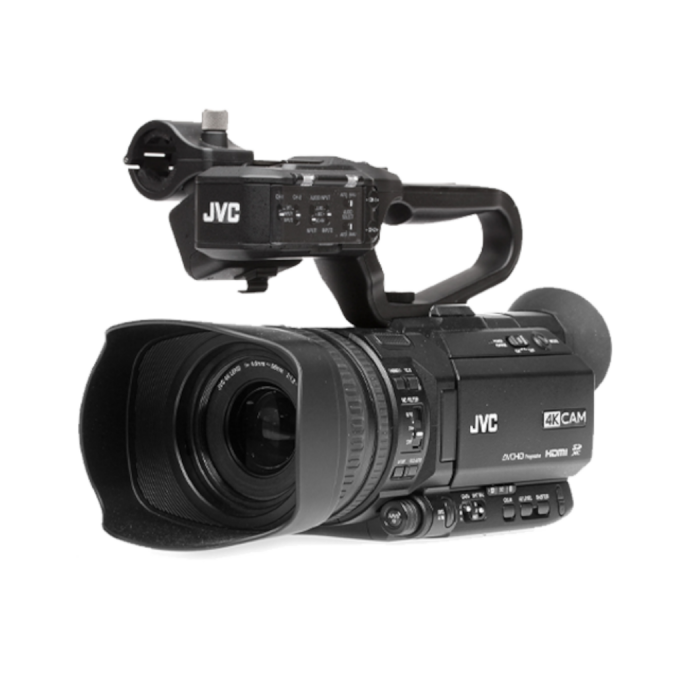
For example, the JVC GY-HC500U Handheld Connected Cam 1in 4K Professional Camcorder is a strong example of a camera designed for production workflows that demand professional handling and video-oriented operation. For event coverage, ENG-style shooting, and longer production days, a purpose-built camera can simplify the support gear equation compared to a heavily accessorized DSLR.
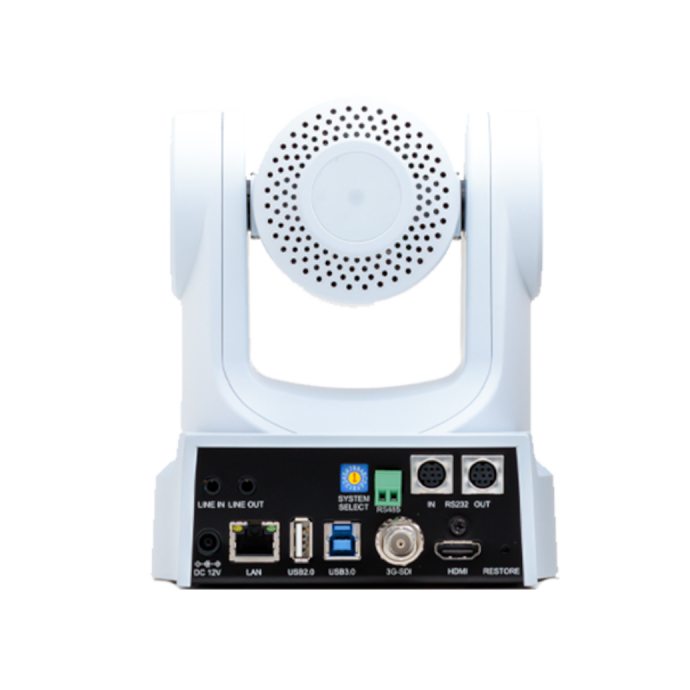
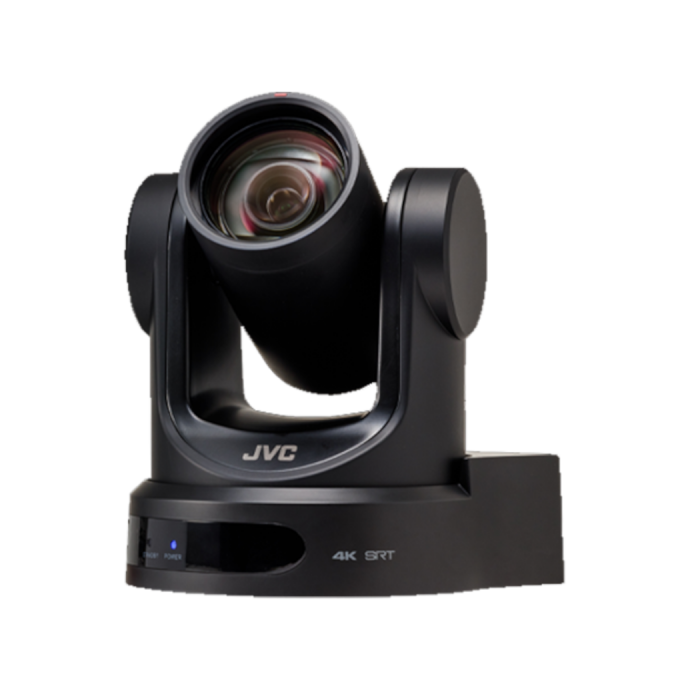
Similarly, shooters working in live production, house of worship, education, or multi-camera environments may benefit from remote camera solutions like the JVC KY-PZ400N 4K NDI HX PTZ Remote Camera or JVC KY-PZ200N HD NDI HX PTZ Remote Camera. These systems remove the need for traditional handheld stabilization entirely in many use cases, while still delivering professional video coverage.
Tripod setup tips for smoother video with heavy DSLRs
Even a great tripod system needs proper setup. If your footage still feels unstable, these practical techniques can help:
- Balance the camera plate correctly: Slide the plate so the rig sits neutrally before locking tilt.
- Use appropriate drag settings: Too little drag feels jerky; too much causes operator resistance.
- Extend thicker leg sections first: This improves rigidity and reduces flex.
- Avoid raising the center column: If your tripod has one, keeping it lowered improves stability.
- Add weight carefully: In windy conditions, a sandbag can help, but make sure it does not introduce swing.
- Level the head: A level horizon is essential for professional-looking pans.
- Use a pan bar properly: Gentle, continuous movement works better than gripping the head directly.
These habits can make a noticeable difference in the quality of your footage, especially with long lenses or interview framing.
Common mistakes when buying support gear for heavy DSLR video
One of the most common mistakes is underestimating total rig weight. Many shoppers calculate only the camera body and lens, then later add accessories that exceed the head's practical performance range.
Another issue is buying based on portability alone. Lightweight gear sounds attractive, but if the tripod shakes or the head droops, you will lose shots and confidence on set. It is often smarter to buy slightly more support than you think you need.
A third mistake is trying to make photo gear do video work. If you regularly shoot motion content, a dedicated video support system is not a luxury. It is a core part of the image-making process.
At Unique Photo, this is one reason many filmmakers compare their entire workflow instead of shopping by one spec at a time. Stability, camera ergonomics, lens choice, and production style all connect.
Is a heavier tripod always better?
Not always. A heavier tripod often provides better stability, especially for long lenses and larger video builds, but weight also affects travel, setup time, and operator fatigue. The right answer depends on where and how you work.
If you shoot mainly in studios, conference rooms, or event venues, a more substantial tripod can be a great choice. If you hike to locations or travel constantly, carbon fiber legs and a carefully chosen fluid head may offer a better balance of support and portability.
The goal is not simply the heaviest tripod. The goal is a tripod that feels solid with your heaviest real-world DSLR video setup while remaining practical enough to use consistently.
Should you upgrade your camera instead of your stabilizer?
Sometimes, yes. If your DSLR has grown into a complex rig because you need better video ergonomics, integrated zoom control, longer recording times, streaming features, or professional connectivity, a camcorder or PTZ camera may be the more efficient upgrade path.
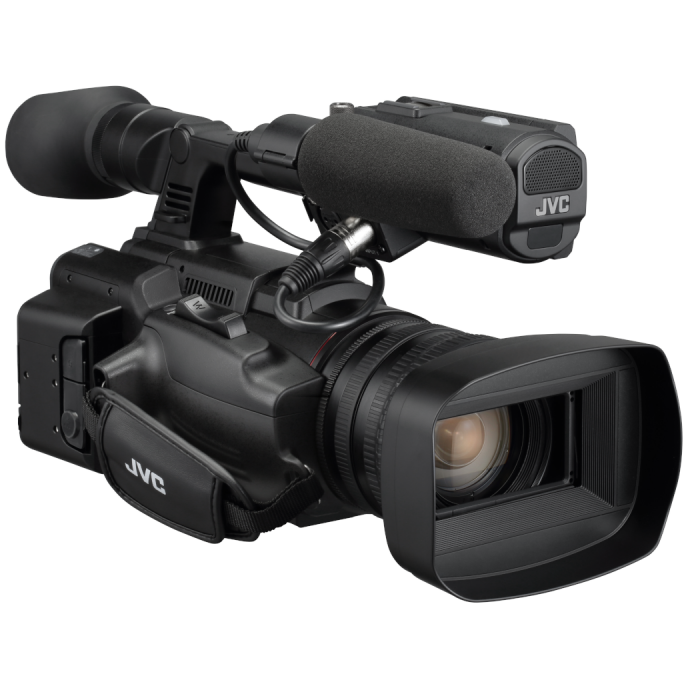
Unique Photo offers a range of pro video cameras for creators who are ready to streamline their setup. Models such as the JVC GY-HM250SP Compact Handheld Camcorder, JVC GY-HC500MC Handheld 4K Connected Camcorder, and PTZ solutions from JVC Professional Video can make production more manageable in applications where heavy DSLR rigs become cumbersome.
Final thoughts on tripods and stabilizers for heavy DSLR video
If you are shooting video with a heavy DSLR, your support system matters just as much as your camera and lens. A proper video tripod with a fluid head, strong counterbalance, and rigid legs will improve both footage quality and day-to-day usability. For moving shots, a stabilizer must be chosen with realistic payload expectations and real production needs in mind.
The best setup is the one that supports your actual workflow. For some creators, that means upgrading to a more capable tripod. For others, it means adding a gimbal, monopod, or shoulder rig. And for some productions, it may mean moving to a dedicated camcorder or PTZ solution that is better suited to long-form video work.
Unique Photo is a strong resource for building that system thoughtfully, whether you are refining a DSLR video rig or exploring professional camera options that reduce stabilization headaches from the start.
For internal linking, consider directing readers to related Unique Photo category pages and guides such as video cameras, professional camcorders, tripods and support, camera accessories, and filmmaking gear.