Travel Photography Lens FAQ: Zooms, Primes, Weight & Protection
Choosing the right travel lens setup is one of the biggest decisions a photographer makes before a trip. The best option depends on how you like to shoot, how much gear you want to carry, and whether convenience or maximum image quality matters more for your destination.
At Unique Photo, we usually recommend building a travel kit around your shooting style rather than chasing a one-size-fits-all answer. Below, we break down the most common questions about travel lenses so you can pack smarter and shoot with more confidence.
What is the best all-purpose lens for travel?
For many photographers, the best all-purpose travel lens is a standard zoom because it covers wide, normal, and short telephoto focal lengths in one compact package. That means you can photograph city streets, environmental portraits, food, architecture, and casual landscapes without changing lenses constantly. A versatile zoom is especially useful when you are moving quickly through airports, museums, markets, or sightseeing stops where there is little time to switch gear.
If you are still deciding what focal range makes the most sense for your camera system, a lens buying resource can help narrow down your options. Unique Photo's Canon lens guide is a strong starting point for understanding how different focal lengths fit different travel styles.
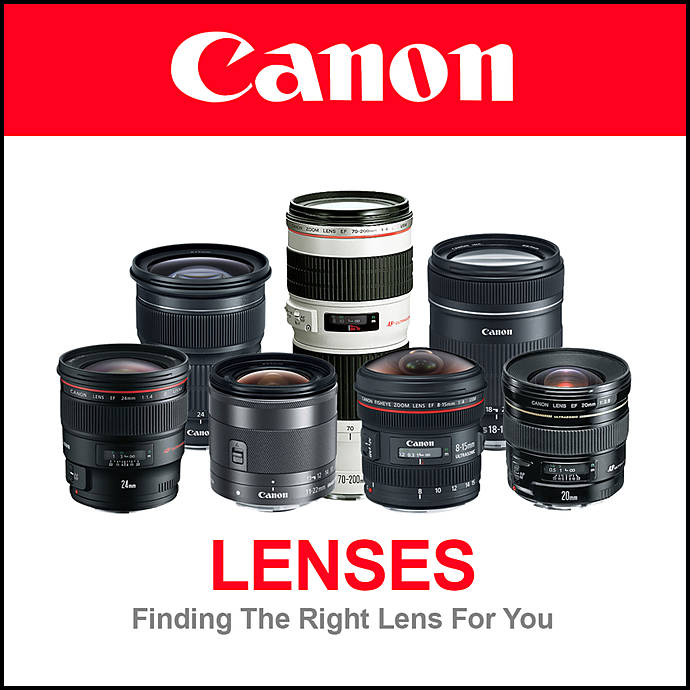
In practical terms, a standard zoom is often the easiest recommendation for first-time travel shooters because it balances convenience, flexibility, and image quality. It may not be the absolute best at every single task, but it is often the best at handling the widest variety of travel situations.
Is it better to carry a single zoom or multiple prime lenses?
A single zoom is usually better if your priority is efficiency, lighter packing, and fewer lens changes in dusty, wet, or crowded environments. With one lens mounted most of the time, you reduce the chance of missing moments while swapping glass, and you also lower the risk of exposing your camera sensor to dirt during travel.
Multiple prime lenses make more sense if image quality, low-light performance, or a specific creative look is your top priority. Primes are often sharper, faster, and more compact individually, but carrying two or three of them can become less convenient than it sounds on paper. You gain image quality and wider apertures, but you also accept more decisions, more lens swaps, and more items to keep organized throughout the day.
A smart middle ground is to bring one everyday zoom plus one small prime for night scenes, indoor shooting, or portraits. That gives you flexibility for daylight sightseeing and a brighter option when available light gets challenging.
Are lightweight lenses worth the trade-off in image quality?
In many travel scenarios, yes. Lightweight lenses are often absolutely worth it because the best lens on a trip is the one you are willing to carry all day. A heavier professional lens may deliver better edge sharpness, weather sealing, or faster apertures, but those advantages matter less if the lens stays in the hotel because the bag has become too burdensome.
Modern lightweight lenses can produce excellent results for travel, especially when most images are shared online, printed modestly, or captured in good light. The trade-off becomes more noticeable if you frequently shoot in dim interiors, want especially strong background blur, or expect top-tier performance for large prints. In those cases, a premium lens may still be worth the weight.
The right question is not whether lighter lenses are objectively better, but whether the overall travel experience improves enough to justify any compromise. For many travelers, walking farther and shooting longer outweighs the last few percent of optical performance.
Which lens setup works best for different types of trips?
Your destination should influence your lens choice. For urban travel, a standard zoom or compact wide-to-normal lens is often ideal because it handles architecture, cafés, markets, and people naturally. For nature-focused trips, you may want a two-lens setup that adds extra reach for wildlife or distant landscapes. For family vacations, simplicity usually wins, so one do-it-all zoom often makes the most sense.
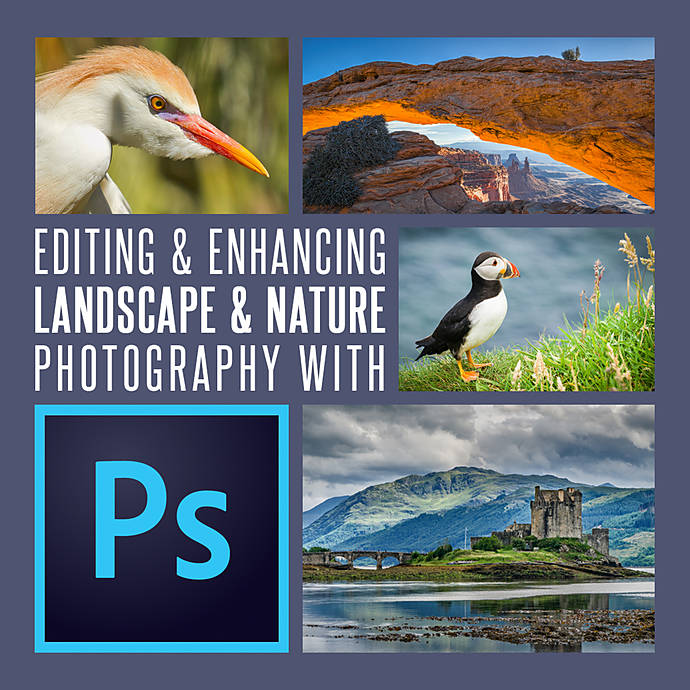
If your trip is centered on scenic locations, workshops and educational resources can also help you think beyond gear and focus on technique. Unique Photo offers learning opportunities for landscape-minded photographers, including field-based and post-processing education that can help you get more from the lens you already own.

For photographers preparing for adventure or culture-driven travel, story-focused inspiration can also be useful when deciding what kind of kit supports your goals on the road.

In short, match the kit to the trip: city travel rewards flexibility, hiking rewards light weight, and specialty trips may justify adding a second lens.
How many lenses should I bring when traveling?
For most trips, one to two lenses is the sweet spot. One lens is often enough if you value portability and want the easiest possible experience. Two lenses can be ideal if you know you will face a wider range of scenes, such as daytime sightseeing plus nighttime street photography, or landscapes plus portraits.
Once you go beyond two or three lenses, the odds increase that extra gear becomes a burden rather than a benefit. More lenses mean more space in your bag, more time spent deciding what to mount, and more opportunities for gear fatigue. Unless your trip has a clear specialty purpose, keeping your lens kit lean is usually the better strategy.
How do you protect lenses while traveling?
Lens protection starts with smart packing. Use a padded camera bag or insert that keeps each lens separated so metal mounts and glass surfaces do not knock together during transit. Keep front and rear caps on any lens that is not mounted, and avoid overstuffing a bag in a way that puts pressure on the lens barrel or filter threads.
It is also wise to think about environmental protection. In dusty streets, beaches, and changing weather, minimizing lens swaps helps reduce the chance of dust or moisture reaching your sensor and rear lens elements. A lens hood can provide a little physical protection against bumps, while a clean microfiber cloth and blower help with routine maintenance on the road.
If you are traveling with family or spending time outdoors, even simple accessories that improve comfort and organization can make your overall travel experience easier. The key is not just protecting the lens itself, but making your whole kit easier to manage while moving from place to place.
Should travel photographers prioritize lens quality or convenience?
Convenience should usually come first, unless the trip is specifically planned around photography as the main goal. If travel itself is the priority, a convenient lens setup will help you stay present, mobile, and ready for spontaneous moments. If the trip is a dedicated photo expedition, then it may be worth carrying a heavier or more specialized lens because photography is the reason you are there.
This is where honest self-assessment matters. If you prefer to travel light, move quickly, and avoid changing gear, convenience is likely the better choice. If you are willing to slow down, wait for light, and work a scene carefully, you may benefit more from a higher-performing lens setup.
What if I am still unsure which travel lens is right for me?
If you are undecided, start by reviewing the kinds of images you made on your last trip. Check which focal lengths you used most, note whether you missed wide shots or extra reach, and think about whether your biggest frustration was lens weight, low-light performance, or not having enough versatility. Your own shooting history is often the best guide.
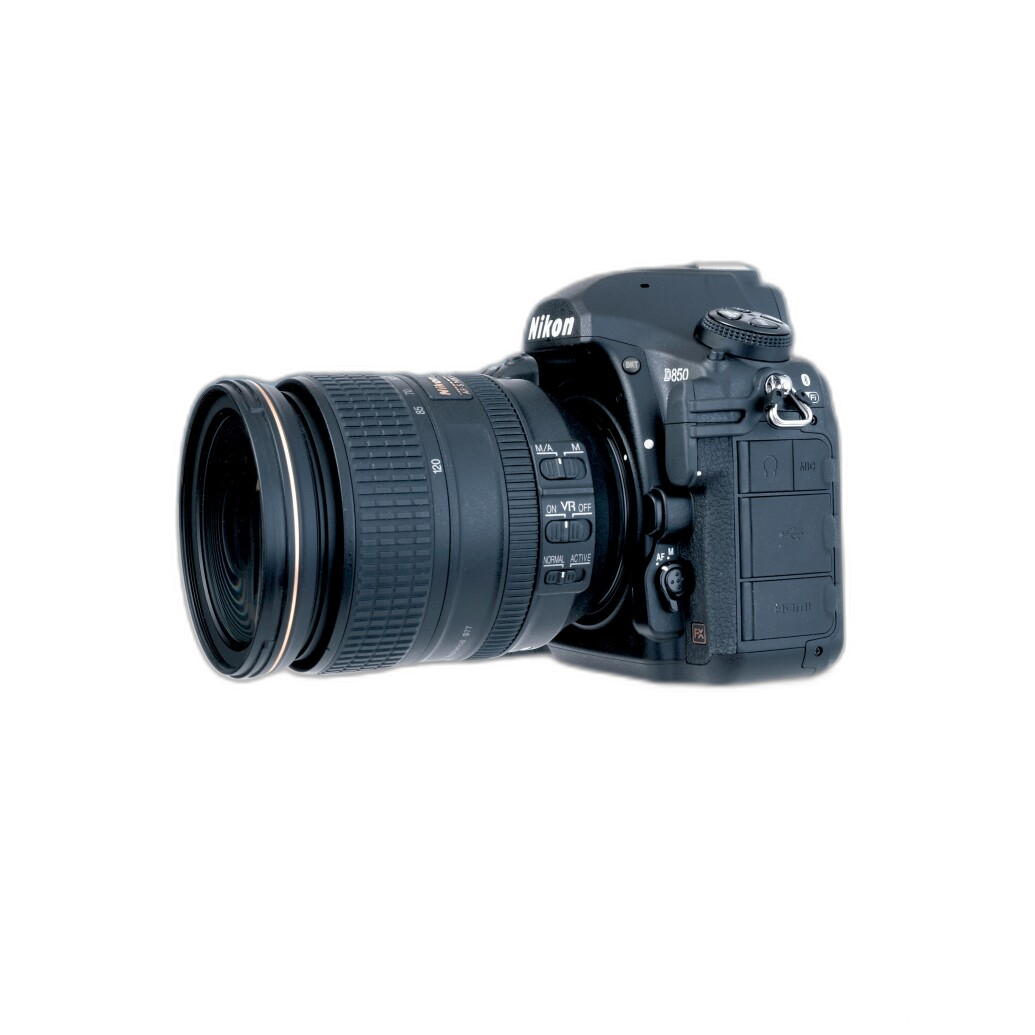
Educational resources can also help if you want to understand your camera system better before you buy. For Nikon DSLR users, for example, a system guide can be useful for getting more from the gear you already own.
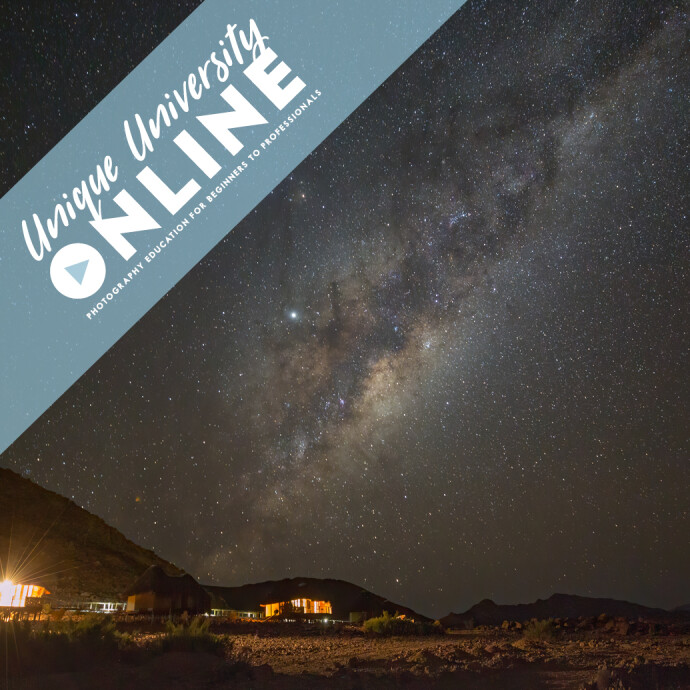
If your future travel plans include night skies or remote landscapes, targeted instruction can also help you decide whether a faster lens belongs in your kit.
The best travel lens is the one that supports how you actually shoot, not how you imagine you might shoot once a year. A little planning goes a long way.
Whether you are building your first travel kit or refining a more advanced setup, Unique Photo can help you choose smarter gear and sharpen your technique with guides, classes, and expert advice. Explore our lens resources and photography education to get ready for your next trip with confidence.