Entering online photography contests can be a smart way to gain exposure, build confidence, strengthen your portfolio, and even win prizes. But great images alone do not always lead to success. The strongest contest submissions combine technical quality, clear storytelling, careful rule-following, and thoughtful editing. If you want better results, it helps to approach every competition with a strategy.
At Unique Photo, we regularly see photographers grow faster when they treat contests as both a creative challenge and a learning opportunity. Whether you shoot landscapes, portraits, wildlife, film, products, or astrophotography, the submission process matters almost as much as the image itself.
How to Choose the Right Online Photography Contest
One of the best strategies for submitting to online photography contests is choosing competitions that match your style and goals. Not every contest is worth entering. Some are ideal for beginners looking for feedback and exposure, while others are designed for advanced photographers with highly polished portfolios.
Before you submit, ask these questions:
- Does the contest fit your genre, such as landscape, portrait, street, macro, wildlife, or astrophotography?
- Are the judges reputable and relevant to your field?
- Does the entry fee make sense for the potential value?
- Are the usage rights fair, or does the contest claim broad ownership of your image?
- Is the theme specific enough to guide your selection?
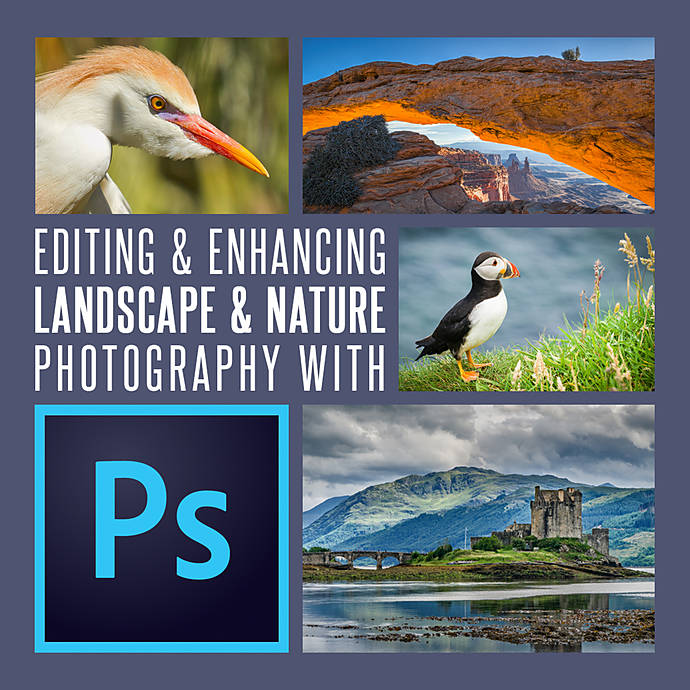
Photographers often make the mistake of entering every contest they find. A more effective approach is to target contests where your work feels naturally competitive. A landscape photographer, for example, may benefit from refining nature work through educational experiences such as Macro and Landscape Photography at Duke Farms with Michael Downey or post-production training like Editing and Enhancing Landscape and Nature Photography with Photoshop.

Read the Rules Carefully Before Uploading Your Photo
If you want to know how to submit photos to contests successfully, start with the rules. Contest disqualifications often happen because of avoidable technical or administrative mistakes. Even a powerful image can be rejected if it does not meet file size, naming, formatting, or date requirements.
Review the contest page closely for:
- Accepted file formats, such as JPEG or TIFF
- Minimum and maximum image dimensions
- Color space requirements, such as sRGB
- Restrictions on watermarks, borders, or signatures
- Limits on AI use, compositing, or heavy retouching
- Capture date eligibility
- Model or property release requirements
Always double-check whether the contest allows image manipulation. Some competitions welcome strong post-production, while others expect documentary realism. If you are entering a category where editing quality matters, sharpening your workflow through a class like Editing and Enhancing Landscape and Nature Photography with Photoshop can help you prepare polished but compliant files.
Pick Your Strongest Image, Not Your Favorite Image
Choosing the right image is one of the most important photography contest tips. Your personal favorite may not be the image that performs best with judges. Instead of asking, “What do I love most?” ask, “What communicates most clearly, memorably, and powerfully?”
The best contest images usually have:
- A clear subject
- Strong composition
- Intentional use of light
- Technical sharpness where appropriate
- Emotional impact or storytelling value
- Originality within the contest theme
Compare several candidates side by side. Step away for a day, then review them again. It can also help to ask a trusted photography friend, mentor, or instructor for honest feedback. At Unique Photo, educational events and classes often provide a great environment for getting fresh eyes on your work before submitting.
Match the Contest Theme with Precision
Many photographers lose out because they submit an image that is good, but not truly on-theme. Judges often review large numbers of entries quickly. If your interpretation is too vague, your image may be passed over even if it is technically excellent.
For example, if the theme is “Journey,” an image with obvious narrative direction may outperform a generic scenic shot. If the theme is “Night,” a dramatic astrophotography image with a compelling foreground may stand out more than a dark city street with weak subject separation.
To improve your thematic strength:
- Write the contest theme at the top of your editing notes
- Describe in one sentence how your image answers the theme
- Avoid stretching an unrelated image to fit
- Choose the image that communicates fastest and most effectively
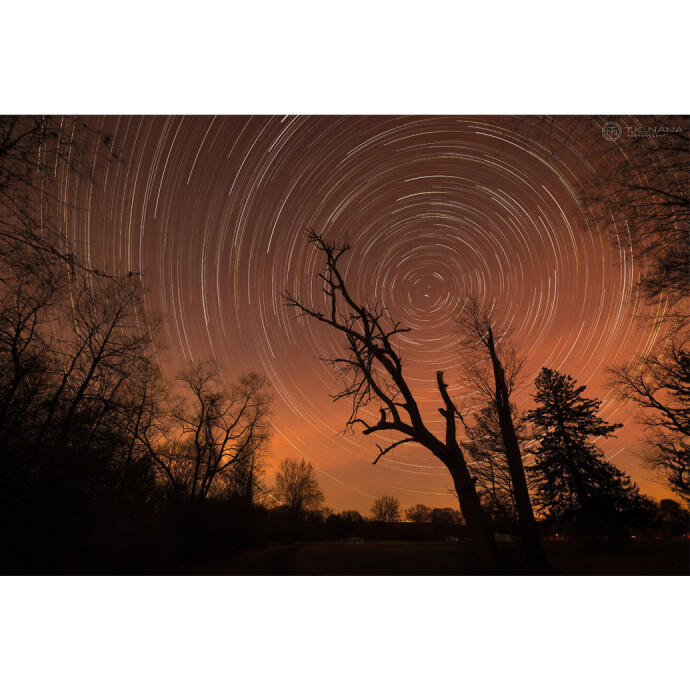
If you are building skills in niche genres, specialized training can help. For night sky entries, for example, UUOnline: Astrophotography 4-Part Series with Temu Nana offers useful inspiration for creating stronger contest-worthy work in a competitive category.

How to Edit Photos for Online Photography Contests
Editing can elevate an image, but over-editing can hurt your chances. One of the best strategies for submitting to online photography contests is applying clean, intentional post-production that supports the subject instead of distracting from it.
Common editing mistakes include:
- Oversaturated colors
- Excessive clarity or sharpening halos
- Unnatural HDR effects
- Heavy noise reduction that removes texture
- Poor cropping decisions
- Distracting cloning or compositing artifacts
A strong contest edit should preserve detail, maintain believable tonality, and direct the eye toward the core story. If you regularly submit product, still life, or commercial-style work, developing a disciplined post-production workflow through options like Product Photography and Post Production Editing with Blake Taylor can help strengthen your precision and consistency.
Use Metadata, Titles, and Descriptions Strategically
Some online photography contests only ask for an image upload, while others include optional or required titles, captions, and artist statements. If these fields are available, use them carefully. A concise, thoughtful title can add context without overexplaining.
Good contest text should:
- Support the image rather than repeat the obvious
- Stay concise and professional
- Avoid overly dramatic language
- Clarify location, process, or story when relevant
- Match the tone of the contest category
If the contest asks for technical data, make sure your metadata is accurate. Clean EXIF information and organized file naming also make your workflow smoother when submitting to multiple competitions.
Optimize File Quality for Online Judging
Judges often first see your work on calibrated monitors, laptops, tablets, or digital gallery interfaces. That means your exported file needs to look strong on screen. Even an excellent raw file can appear weak if the export settings are poor.
Before submitting:
- Export in the exact dimensions requested
- Use the required color space, typically sRGB for web-based contests
- Check sharpness at 100% view
- Look for compression artifacts in gradients and shadows
- Test the image on more than one display if possible
It is also smart to maintain a master archive of full-resolution edited files. That way, if your image advances to a final round or print stage, you can quickly provide a higher-quality version.
Build a Contest Submission Workflow
If you enter multiple competitions each year, create a repeatable workflow. This saves time and reduces mistakes. Professional and enthusiast photographers alike benefit from a simple checklist.
A practical submission workflow might include:
- Research contest credibility and deadlines
- Read the terms and rules
- Select 3 to 5 candidate images
- Get outside feedback
- Finalize edit based on contest standards
- Export in required format and size
- Write title and description if needed
- Confirm releases and permissions
- Submit before the deadline
- Track results in a spreadsheet
At Unique Photo, many photographers improve by combining hands-on shooting, critique, and post-production education. Workshops, books, and online classes can make your contest process much more deliberate over time.
Protect Your Rights When Entering Photography Contests
Another essential tip for entering online photography contests is reading the usage rights section. Some reputable contests only request limited promotional rights tied to the competition. Others may include language that gives organizers broad permission to use your images without additional compensation.
Look for terms that explain:
- Whether you keep full copyright ownership
- How long the organizer can use your image
- Whether usage is exclusive or non-exclusive
- Whether credit will be given
- Whether the image can be used for commercial promotion
If the rights language feels too broad, reconsider entering. Exposure is valuable, but your work also has long-term worth.
Learn from Judges and Previous Winners
If you want to improve your odds, study what has won before. Look at the visual patterns, emotional qualities, and technical standards that judges tend to reward. This does not mean copying trends. It means understanding the level of intentionality expected.
Pay attention to:
- How winners use light and timing
- How tightly they frame subjects
- Whether the strongest entries are minimalist or layered
- How storytelling supports aesthetics
- How much editing is visible
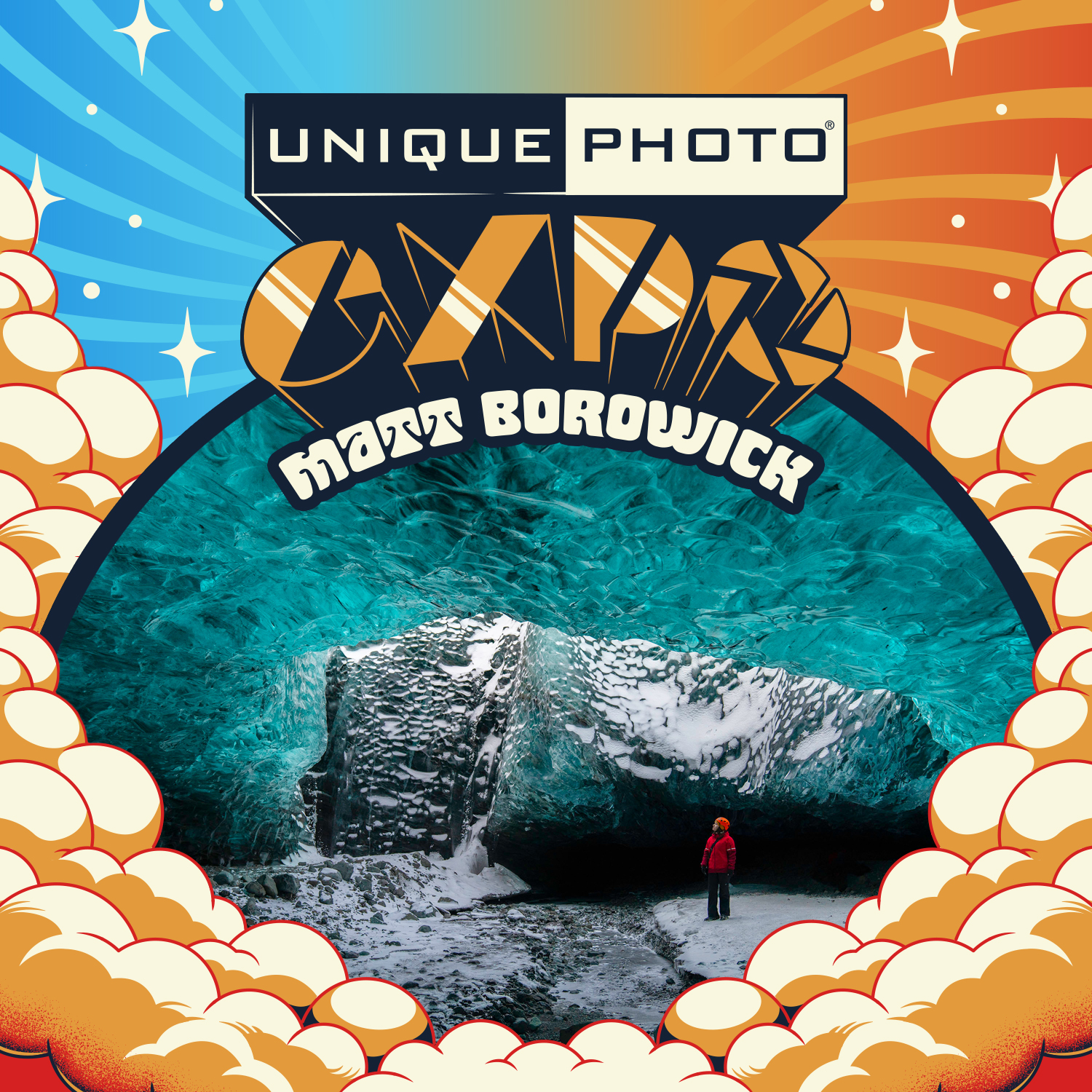
Events centered on photographic storytelling, such as EXPO: Stories from the Road - Photography Across Worlds w. Matthew Borowick, can also help photographers think beyond pure technique and toward stronger narrative impact in competition entries.

Should You Enter the Same Photo in Multiple Contests?
Yes, in many cases you can enter the same image in multiple online photography contests, as long as the rules allow it and the image remains relevant to each theme or category. However, avoid using a one-size-fits-all strategy.
Instead:
- Customize the title and description when appropriate
- Recheck each contest's editing and eligibility rules
- Make sure the image still feels fresh and competitive
- Track where and when you have submitted it
Over time, you may notice that certain images perform better in theme-based contests while others succeed in open categories. Use those results to refine your future submissions.
Develop the Skills Behind Winning Images
The most effective long-term strategy is not chasing contests. It is improving your photography. The stronger your seeing, shooting, editing, and storytelling become, the easier it is to find images worth submitting.
That is why many photographers use contests as milestones rather than endpoints. They shoot with more intention, edit more critically, and seek targeted education. Unique Photo offers opportunities across genres, whether you want to strengthen field technique, post-production, visual storytelling, or specialized subjects like film and astrophotography.
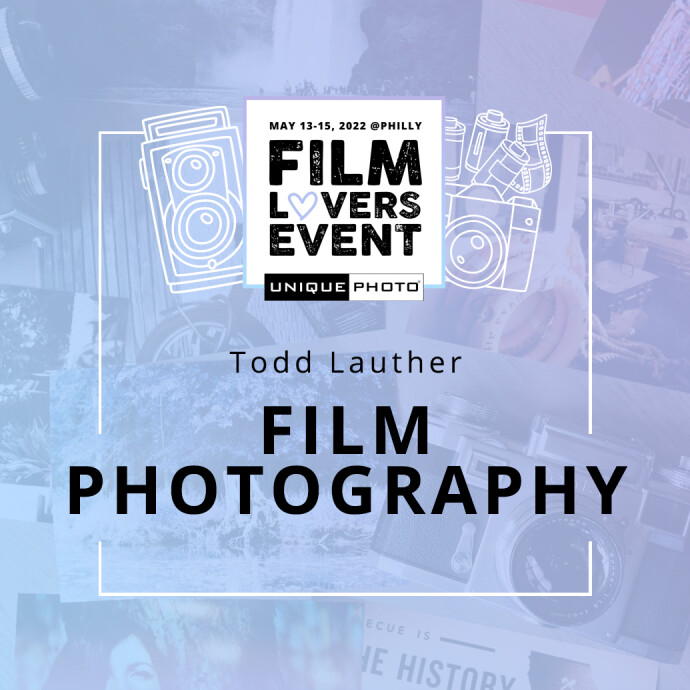
For photographers exploring traditional processes or distinct aesthetics, experiences like Film Lovers Event: Intro to Film Photography (Philly) can also help build a more personal visual voice, which is often what helps an image stand out in a crowded contest field.
Final Tips for Better Online Photography Contest Submissions
The best strategies for submitting to online photography contests come down to discipline and intent. Choose the right competition, follow the rules exactly, submit your strongest and most relevant image, and present it professionally. Just as importantly, keep learning from every result.
At Unique Photo, we encourage photographers to use contests as part of a bigger growth process. A rejection can reveal where your work needs refinement, and a shortlist can show that your direction is working.
For your next step, consider exploring more educational resources from Unique Photo, including workshops on landscape photography, astrophotography, editing, storytelling, and post-production. Internal linking opportunities for this article could include pages for photography classes, Unique University workshops, online photo education, photography books, and learning resources for editing and visual storytelling.