Travel Photography Kit FAQ: Lightweight Gear That Still Delivers
Building a travel photography kit is all about smart compromise. You want a setup that is easy to carry through airports, cities, trails, and day trips, but you also need enough capability for landscapes, street scenes, portraits, and low-light moments.
At Unique Photo, we usually recommend starting with the kind of trip you take most often, then choosing support gear and carrying solutions that keep your kit practical. Below, we answer the most common questions about balancing image quality, portability, and versatility for travel photography.
What compact camera systems offer good image quality for travel?
For most travelers, compact mirrorless systems strike the best balance between image quality and portability. They typically offer larger sensors, fast autofocus, strong video features, and access to interchangeable lenses without the bulk of a traditional DSLR setup. If your goal is high-quality files for prints, landscapes, and general travel storytelling, a lightweight mirrorless body with one or two lenses is usually the sweet spot.
A fixed-lens compact can also make sense if simplicity is your top priority. These cameras are easy to carry all day and are often ideal for casual city walks or travel where you do not want to swap lenses. The tradeoff is less flexibility. If you expect to shoot wide landscapes one moment and distant details the next, an interchangeable lens system gives you more room to grow.
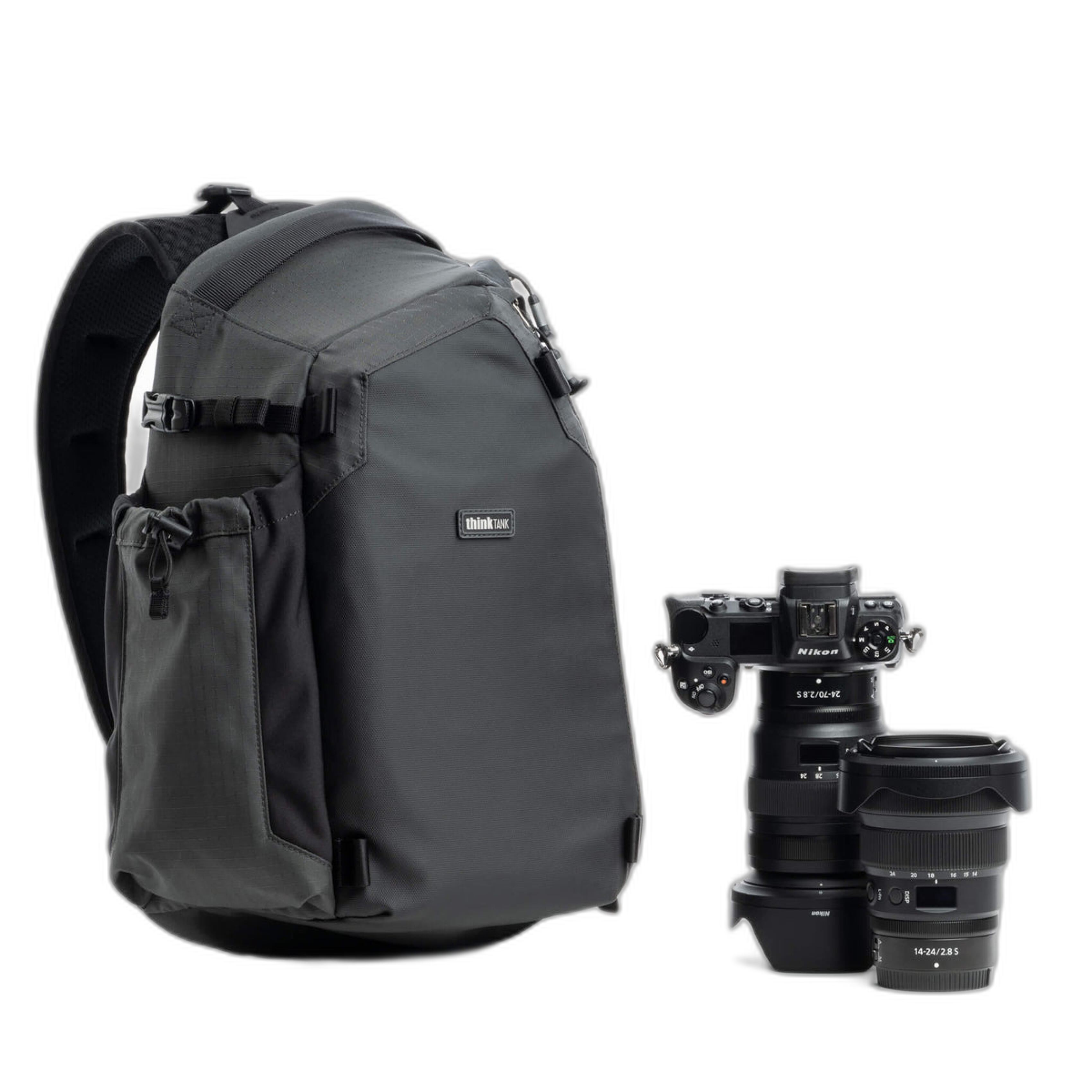
Just as important as the camera is how you carry it. A compact travel bag helps keep a small system organized and ready. The Think Tank PhotoCross 14L is a strong option for photographers who want a streamlined shoulder or sling-style carry for a body, a couple of lenses, and travel essentials.
Are superzooms worth it, or should I get an interchangeable lens camera?
That depends on how you prioritize convenience versus image quality and creative control. Superzooms are appealing because they cover a very wide focal range in a single package. That means less gear, no lens changes, and faster reaction time when you are sightseeing or moving quickly between locations.
However, interchangeable lens cameras generally deliver better overall image quality, stronger low-light performance, and more flexibility in choosing lenses that match your style. A small mirrorless body paired with an all-purpose zoom often gives travelers a better long-term solution than relying entirely on a superzoom. You gain better optics, better control over depth of field, and the option to add a lightweight ultra-wide or prime lens later.
If you want the simplest packing list possible, a superzoom can still be a practical choice. But if photography is a major part of your trip rather than just a convenience, an interchangeable lens setup is usually the better investment.
How do I balance weight versus versatility in a travel kit?
The easiest way to keep weight under control is to avoid packing for every possible scenario. Instead of bringing a full lineup of lenses and accessories, build around one primary shooting style. Many travelers do very well with a camera body, a versatile standard zoom, extra batteries, memory cards, and a compact tripod.
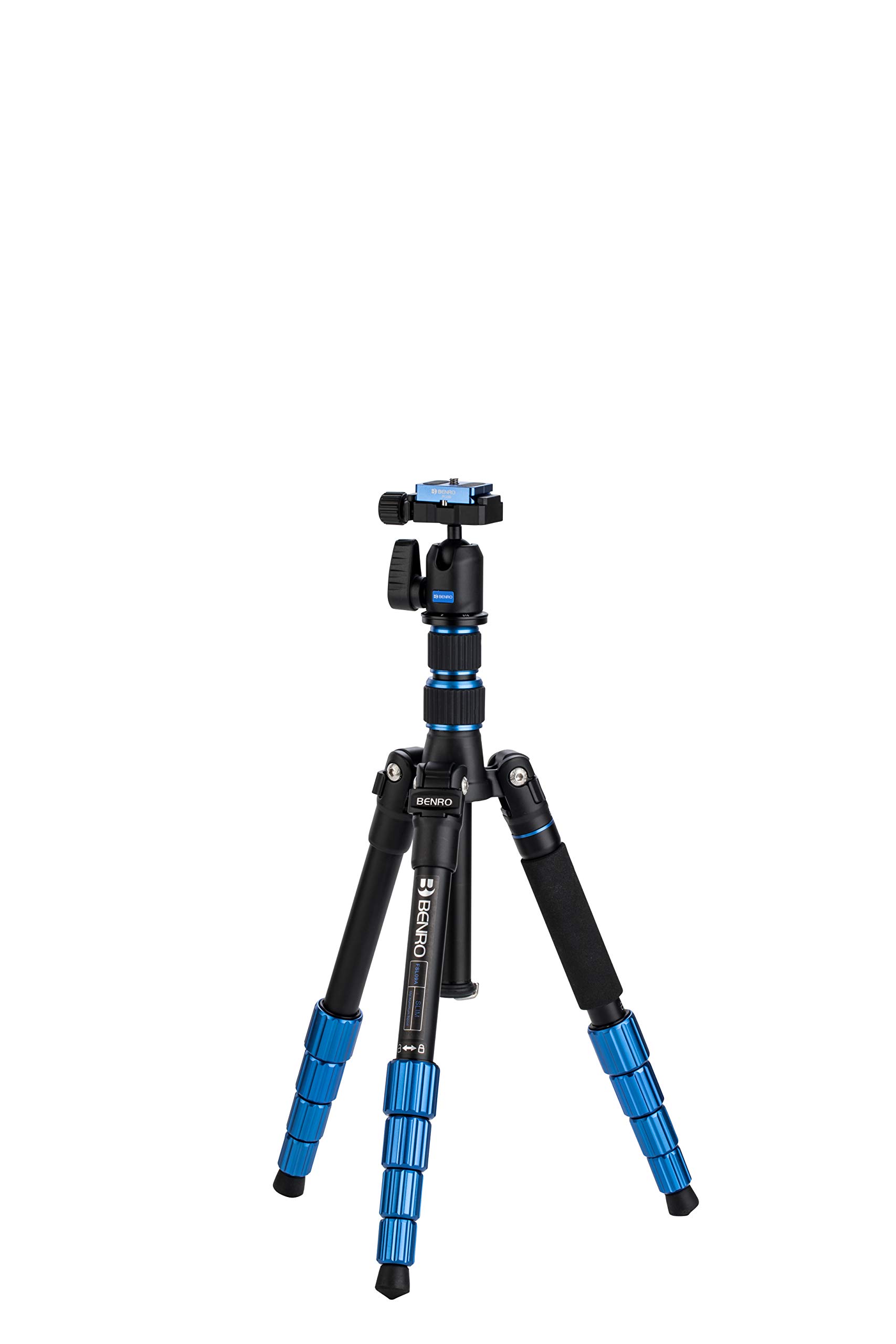
If landscapes are your priority, a travel tripod can add a lot of creative range without taking up too much room. The Benro Slim Travel Kit - Aluminum is a practical entry point for travelers who want support for sunrise, sunset, long exposures, and self-portraits without carrying a full-size heavy tripod.
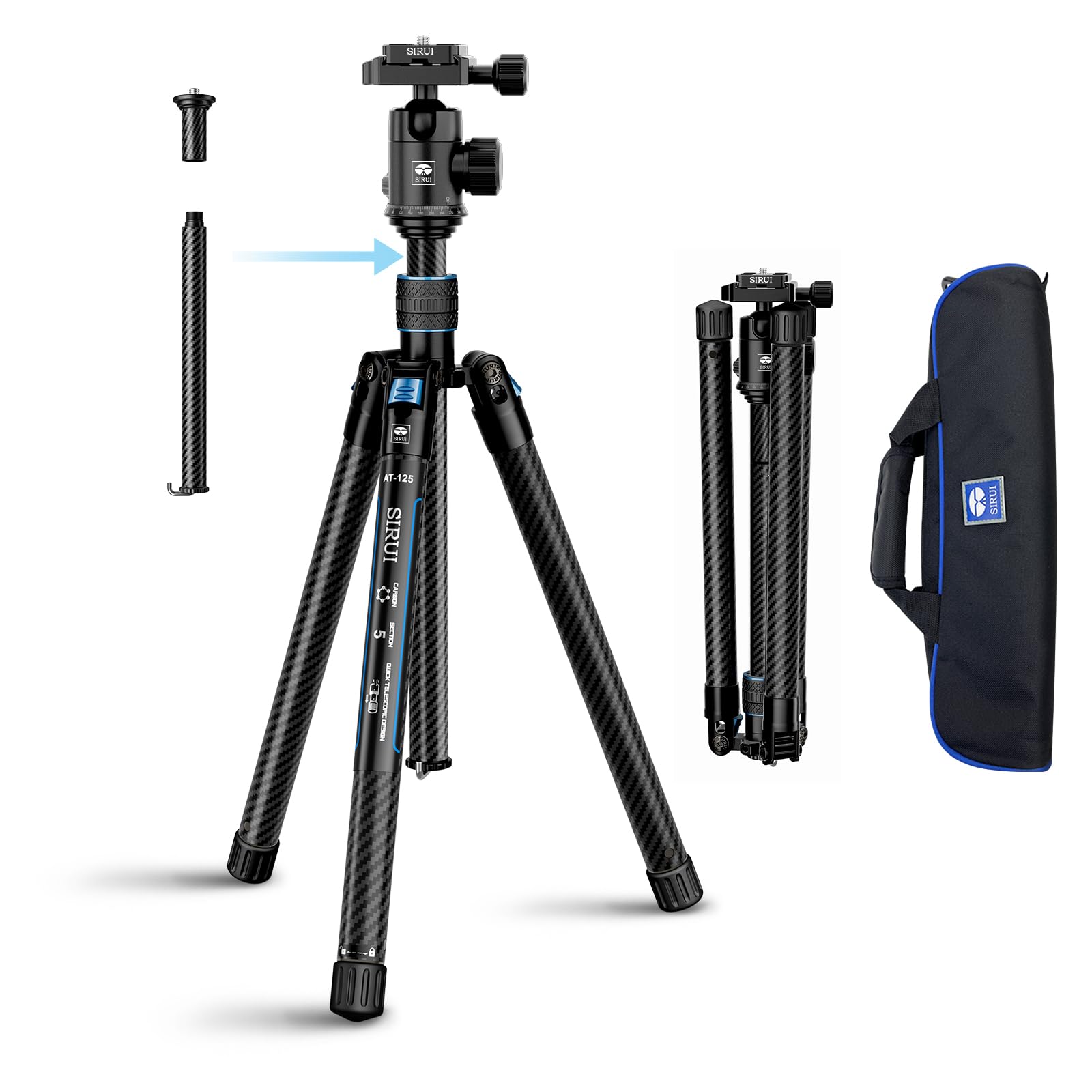
If reducing weight is even more important, carbon fiber options can make a noticeable difference over the course of a long travel day. The Sirui Traveler X - II Carbon Fiber Tripod Kit is a great fit for photographers who want to cut weight while maintaining stability for landscape and cityscape shooting.
A good rule is to choose the lightest support gear that still matches your camera and shooting habits. Saving a pound or two in your tripod and bag can matter more than trying to shave a tiny amount off your camera body.
What are the must-have accessories for travel and landscape photographers?
Accessories can make or break a travel kit, especially when you are shooting on the move. The essentials usually include spare batteries, memory cards, a comfortable bag, a compact tripod, cleaning supplies, and weather protection for your gear.
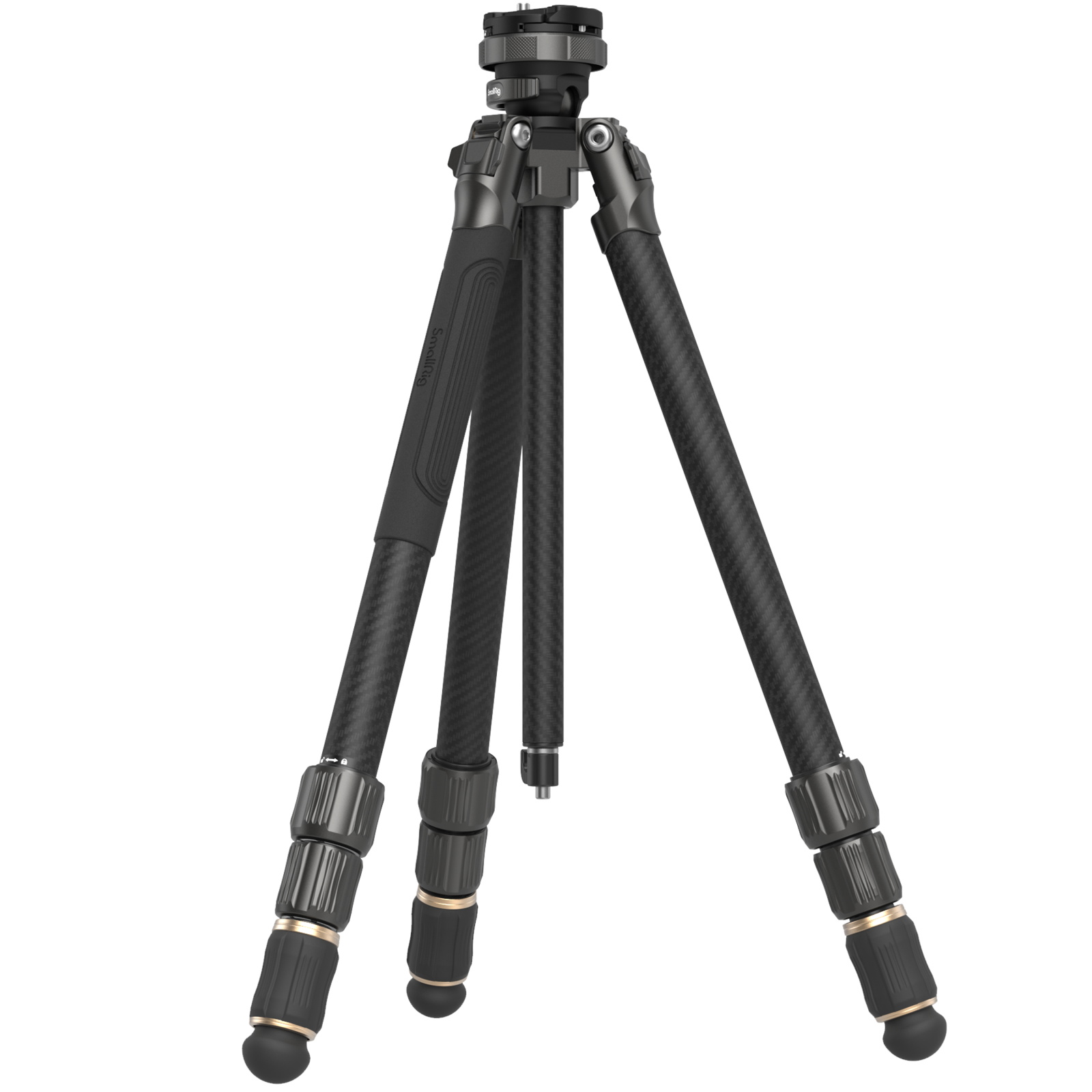
For landscape photographers, a lightweight tripod is often one of the most valuable additions because it opens up long exposures, low-light city scenes, waterfall photography, and more precise framing. The SmallRig FreeRover Travel Tripod 4353 is another smart option for photographers who want a modern travel-friendly support system that is easy to pack and carry.
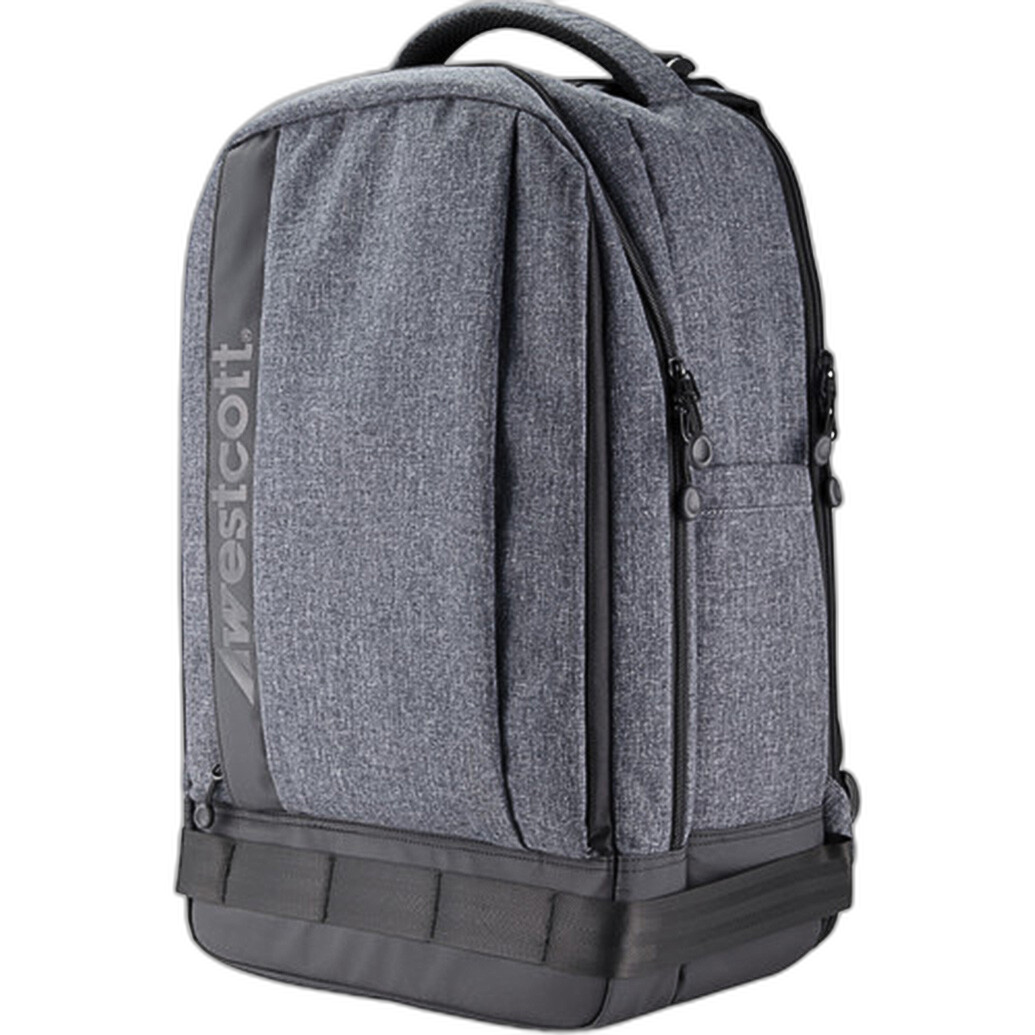
Bag choice also matters. A travel-focused backpack such as the Westcott Lite Traveler Backpack Black/Gray gives you room for camera gear plus the personal items you need for a day out, while still staying manageable for walking, transit, and air travel.
Do I really need a tripod for travel photography?
Not every traveler needs one, but many photographers benefit from carrying a compact tripod. If you enjoy landscapes, architecture, night scenes, or travel self-portraits, a tripod dramatically expands what you can shoot. It also encourages slower, more deliberate composition, which can improve your keeper rate on scenic trips.
If your travel style is fast-paced and mostly handheld during the day, you may decide to skip it. But for photographers who plan to shoot blue hour cityscapes, waterfalls, or stitched panoramas, a tripod is one of the most useful pieces of gear you can pack.
The best travel tripods fold down small, deploy quickly, and do not become a burden after a few hours. The Benro Slim, Sirui Traveler X - II, and SmallRig FreeRover each fit that role depending on whether your priority is value, minimum weight, or feature set.
What kind of camera bag is best for travel photography?
The best bag is the one that matches how you move. If you like quick access and lighter daily carry, a sling or messenger-style bag can be ideal. The Think Tank PhotoCross 14L works well for compact mirrorless kits and day trips where you want easy access without taking the bag off for every lens change.
If you carry more gear or want room for extra layers, snacks, and non-camera items, a backpack is often the better choice. The Think Tank DarkLight 25L is a versatile option for travelers who want a more structured carry with enough capacity for a larger camera kit and everyday essentials.
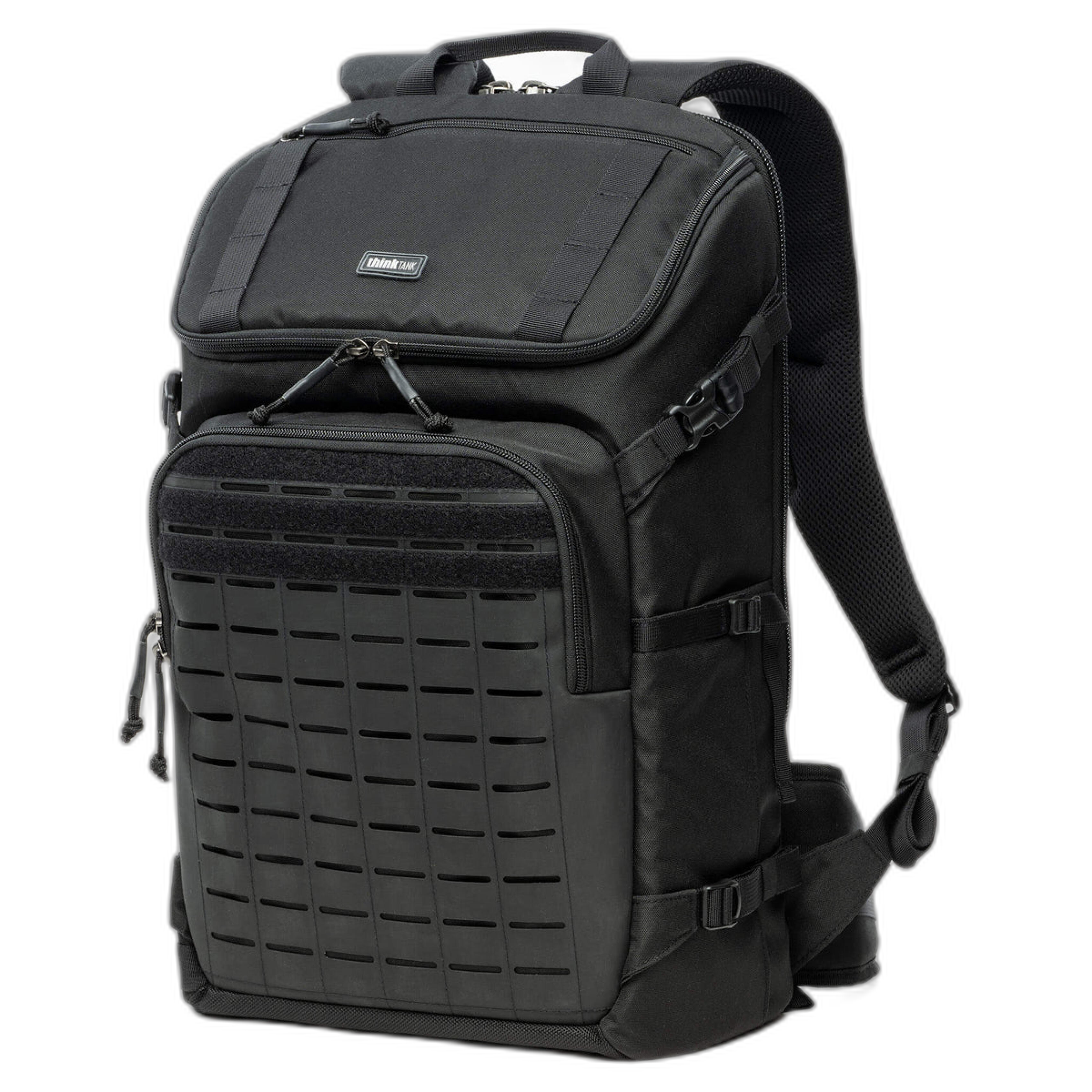
For photographers who prefer a distinctive look, the Think Tank DarkLight 25L in Montane Green offers the same travel-friendly concept in a different finish.
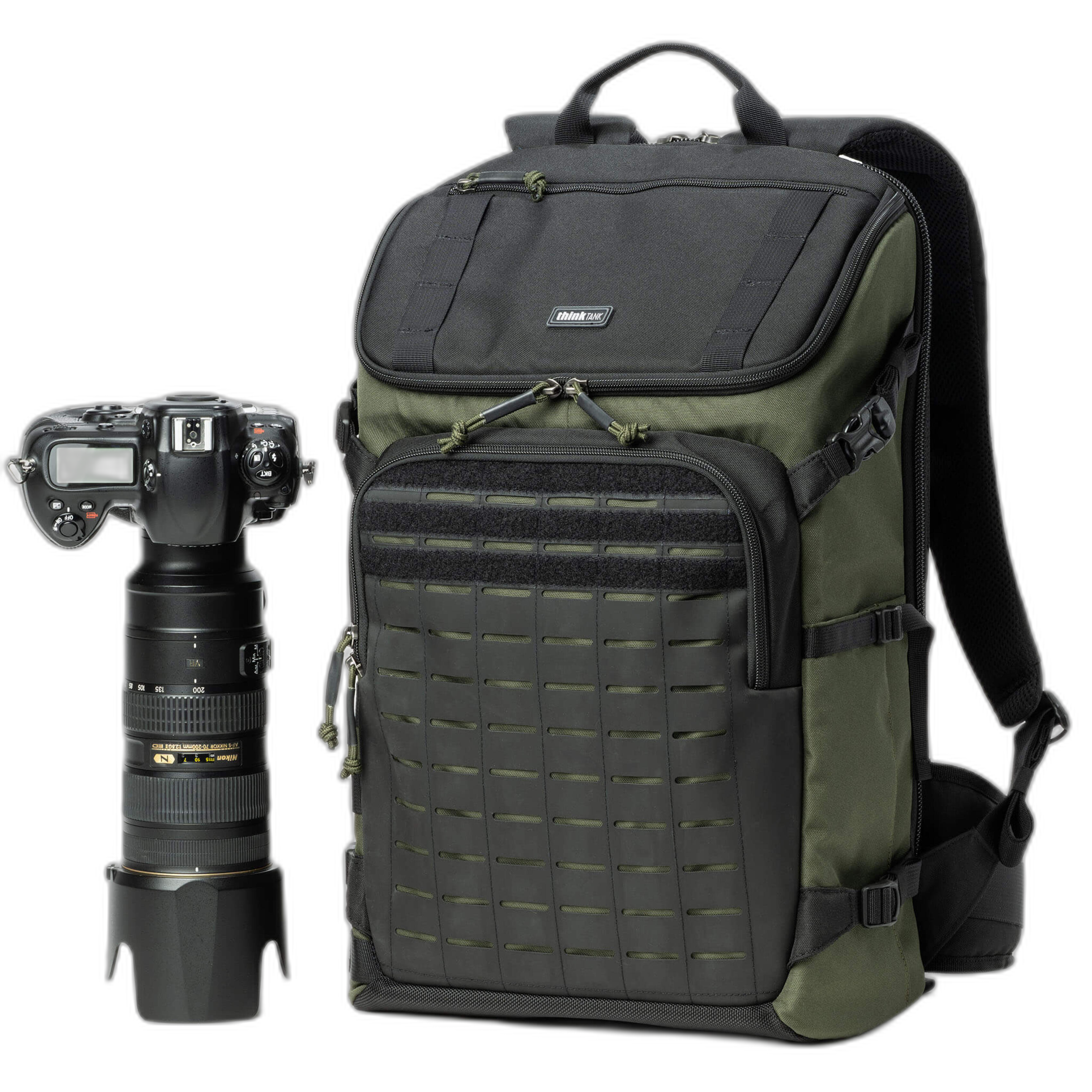
When choosing a travel bag, consider access speed, comfort, weather resistance, and whether it fits under an airline seat or in an overhead bin. Those practical details matter just as much as storage capacity.
How many lenses should I bring on a trip?
For most trips, one or two lenses is enough. Bringing too many lenses adds weight, slows you down, and can make you second-guess your choices in the field. A standard zoom is often the best single-lens solution because it covers everything from wide environmental scenes to tighter portraits and details.
If you bring a second lens, make it one that clearly expands your creative options. That might be an ultra-wide for landscapes and interiors or a fast prime for low light and portraits. The goal is not to cover every focal length. The goal is to cover the moments you are most likely to encounter while keeping your kit simple enough that you actually want to carry it.
A thoughtfully packed backpack like the Westcott Lite Traveler or Think Tank DarkLight 25L can help you keep a two-lens kit organized without turning your travel setup into a burden.
What is the best travel kit for landscapes versus general sightseeing?
For landscape-focused travel, prioritize image quality, tripod support, and weather-conscious packing. A mirrorless camera with a standard zoom or ultra-wide lens, plus a compact tripod like the Sirui Traveler X - II Carbon Fiber Tripod Kit, gives you a strong foundation for scenic work. Add a protective backpack and you are ready for roadside stops, hikes, and sunrise sessions.
For general sightseeing, the emphasis shifts toward speed and convenience. A compact camera or mirrorless body with one all-purpose zoom in a smaller bag like the Think Tank PhotoCross 14L can be a more practical choice. You will move faster, attract less attention, and still have enough capability for most travel situations.
In both cases, the best kit is the one you will carry consistently. A lighter setup that is with you all day will usually produce more great images than a larger kit left back at the hotel.
Whether you are refining a minimalist city kit or building a more capable landscape travel setup, Unique Photo can help you choose support gear, bags, and accessories that make travel photography easier. Explore our travel tripods and camera bags to put together a kit that fits your style, destination, and shooting goals.