Travel photography is a balancing act between portability, durability, and image quality. Whether you are planning a weekend city break, a national park road trip, or a multi-country adventure, the best travel photography gear is the gear you will actually carry, protect, and use consistently in the field. At Unique Photo, we regularly see photographers ask the same practical questions: what camera should I bring, which lenses are worth packing, how do I keep my kit light, and what accessories matter most when shooting on the move?
This guide covers real-world travel photography gear recommendations, field-tested packing strategies, and practical lessons that help you come home with stronger images instead of unnecessary weight.
What is the best travel photography gear setup?
The best travel photography setup depends on your destination, shooting style, and tolerance for carrying weight all day. In field use, most travel photographers do best with a compact, flexible kit rather than a full studio-style loadout.
A smart travel kit usually includes:
- A reliable camera body you know well
- One versatile zoom or two small lenses
- Extra batteries and memory cards
- A lightweight travel tripod if needed
- A weather-aware bag or insert
- A simple cleaning kit
- A backup and editing plan for your files
The biggest mistake travelers make is overpacking. A second camera body, multiple specialty lenses, and too many accessories often stay in the hotel. In real travel conditions, mobility matters. If your gear slows you down, you miss moments.
Unique Photo often recommends building around familiarity first. A camera you can operate quickly in changing light will outperform a more advanced body that still feels unfamiliar under pressure.
Best camera types for travel photography
For most travelers, mirrorless cameras are the sweet spot because they offer strong image quality in smaller bodies. They are especially useful when you are walking all day, flying with strict baggage limits, or working in busy public areas where a smaller kit draws less attention.
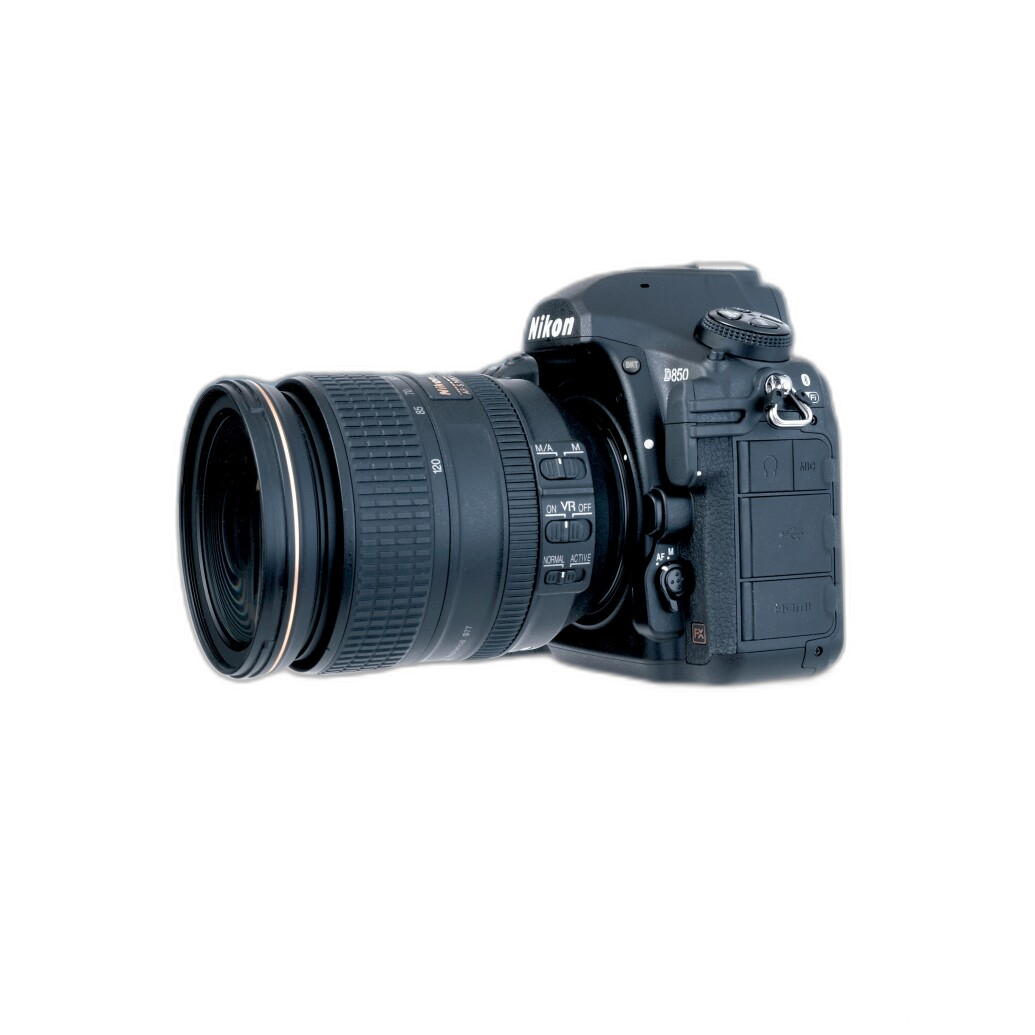
That said, DSLRs still perform extremely well for travel photography. If you already own one and know it inside out, there is no reason to leave it home just because smaller systems are popular. A guide like the Nikon D850 Guide to Digital SLR Photography by David Busch can be useful for photographers who want to get the most from a proven DSLR before a major trip.
When choosing a travel camera, prioritize:
- Good battery life
- Fast autofocus
- Strong low-light performance
- Weather resistance if possible
- Comfortable ergonomics for long shooting days
- Easy file transfer and backup options
If you like street photography, a smaller body with a compact prime is ideal. If you photograph landscapes and general travel scenes, a mid-range zoom is often the most efficient choice.
Which lenses should you pack for travel photography?
Lenses make or break a travel kit. In the field, flexibility usually wins over specialization unless you are traveling for one specific subject.
Here are the most practical options:
1. Standard zoom lens
A 24-70mm equivalent is one of the best travel photography lenses because it covers landscapes, portraits, architecture, food, and everyday moments. If you only want to bring one lens, this is often the answer.
2. All-in-one travel zoom
A superzoom can be an excellent choice when convenience matters more than ultimate image quality. It is particularly useful on family trips, guided tours, and fast-moving itineraries where changing lenses is inconvenient or risky.
3. Wide-angle lens
For landscapes, interiors, and dramatic city scenes, a wide lens gives your travel images a stronger sense of place. It is especially useful in tight streets, temples, museums, and scenic overlooks.
4. Compact prime lens
A 35mm or 50mm equivalent prime is great for low light, street scenes, and discreet shooting. Many photographers who travel frequently swear by a small prime for evening walks and restaurant scenes.
5. Telephoto lens
Bring a telephoto only if wildlife, compressed landscapes, or distant architectural details are a major part of your plan. Telephotos add weight quickly, so they should earn their spot in your bag.
Field experience tip: if you changed lenses fewer than three times on your last trip, your kit can probably be simplified before the next one.
How to pack light for travel photography without missing great shots
Light packing is one of the most important travel photography skills. Carrying less means moving faster, staying comfortable longer, and blending into environments more naturally.
Practical ways to pack lighter:
- Choose one main lens and one specialty lens at most
- Limit accessories to what solves real problems
- Use smaller chargers and short cables
- Bring enough memory cards to avoid constant file juggling
- Pack batteries based on daily shooting style, not worst-case fear
- Wear your heaviest jacket or shoes instead of stuffing them in your bag
Another real-world lesson is to pack for the trip you are actually taking. Urban travel, hiking, beach environments, and international flights all place different demands on your kit. The best travel gear list is always destination-specific.
Must-have travel photography accessories
Accessories are where smart travel photographers save a shoot. The right extras can protect gear, speed up workflow, and make difficult conditions manageable.
Top accessories include:
- Extra batteries: Cold weather, long walking days, and video use drain power faster than expected.
- Fast memory cards: Useful for burst shooting, 4K video, and quick file handling.
- Microfiber cloths and sensor-safe cleaning tools: Dust, ocean spray, and fingerprints are unavoidable on the road.
- Power bank or travel charger: Especially important for phones, tablets, and USB-charged cameras.
- Weather protection: A compact rain cover or even a simple protective wrap can save a day of shooting.
- Lightweight tripod: Best for landscapes, night scenes, self-portraits, and long exposures.
Unique Photo customers often discover that practical support items matter just as much as cameras and lenses. A well-packed accessory pouch can be the difference between improvising and working confidently.

Field experience: what actually works on the road
After enough trips, most photographers refine their kit based on experience rather than marketing. Real travel teaches fast lessons.
Lesson 1: Comfort affects creativity. If your shoulders hurt and your bag is cumbersome, you stop exploring. Lightweight kits encourage longer walks and more spontaneous shooting.
Lesson 2: Weather changes fast. Even in destinations known for sunshine, wind, dust, and sudden rain show up unexpectedly. Keep gear protected and accessible.
Lesson 3: Security matters. Expensive-looking bags and frequent lens changes attract attention. A lower-profile setup often works better in crowded areas.
Lesson 4: You need a backup plan. Cards fail, batteries drain, and devices get lost. Carry redundancy where it matters most: power, storage, and file backup.
Lesson 5: Sunrise and blue hour are worth the effort. Some of the best travel photographs happen before crowds arrive. Pack so you can move quickly when the light is best.
For photographers who want inspiration from experienced image-makers, Unique Photo offerings like EXPO: Stories from the Road - Photography Across Worlds w. Matthew Borowick can be a great reminder that travel photography is not just about gear. It is about observation, storytelling, and responding to unfamiliar places.
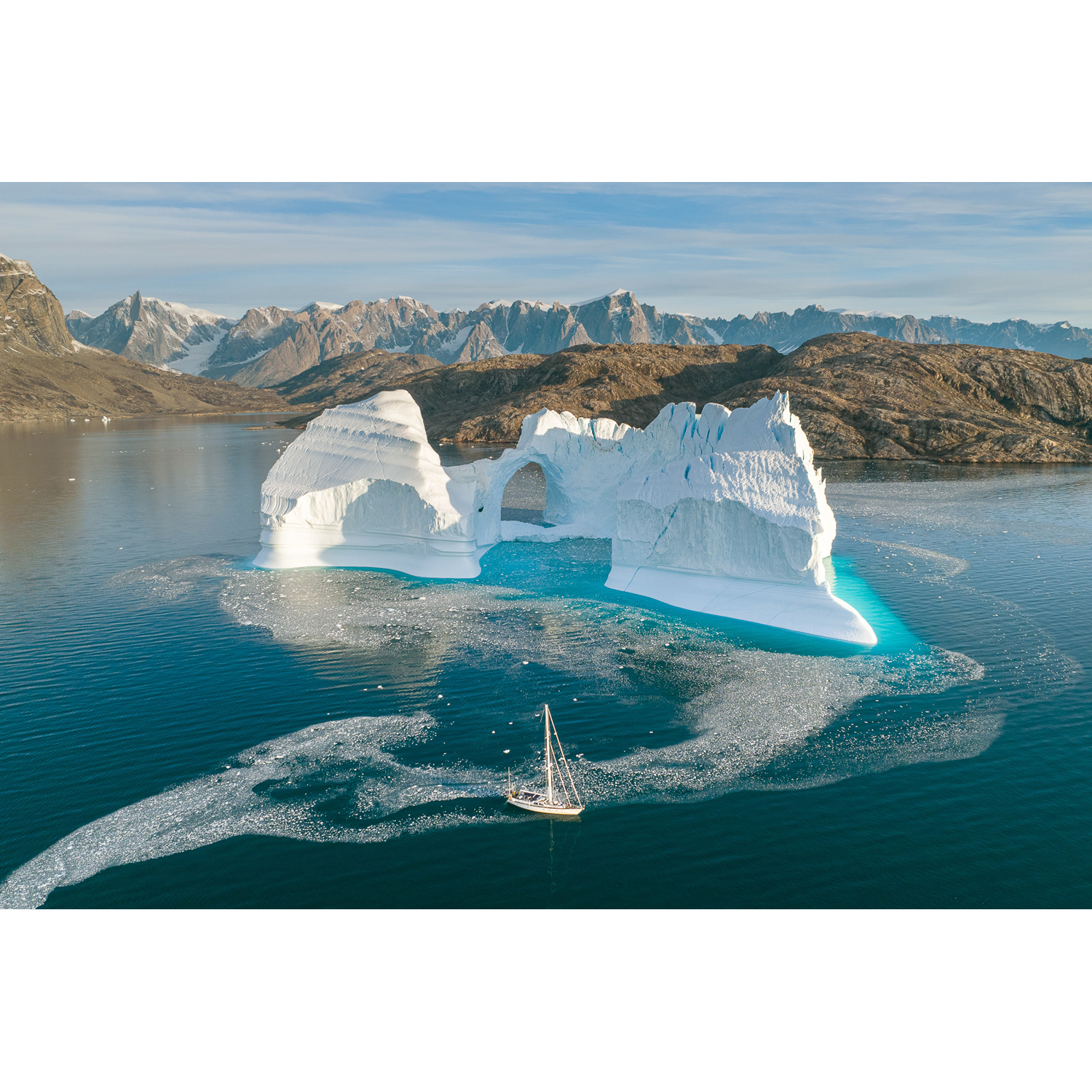
Best travel photography gear for landscapes, cities, and night scenes
Different travel subjects call for slightly different gear priorities.
Travel landscape photography gear
For landscapes, prioritize a camera with good dynamic range, a wide-angle or standard zoom, a stable tripod, and enough weather protection to handle trails and changing conditions. If you want to sharpen your landscape technique before a trip, Unique Photo educational experiences like Macro and Landscape Photography at Duke Farms with Michael Downey can help build practical confidence.
City and street travel photography gear
In cities, smaller is better. A compact mirrorless body with a prime or small zoom is ideal. You can move through crowds faster, shoot more discreetly, and carry gear longer without fatigue.
Night and astrophotography while traveling
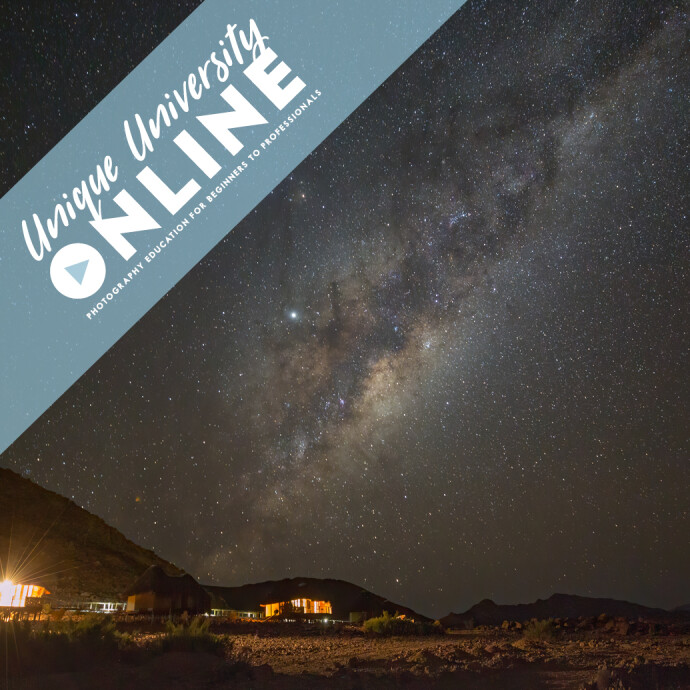
If your trip includes dark-sky destinations, add a fast wide lens and tripod. Planning matters here, especially with moon phases, weather, and timing. Unique Photo also offers learning opportunities such as UUOnline: Astrophotography 4-Part Series with Temu Nana for photographers who want to prepare for travel nightscapes and star photography more effectively.
How to protect and back up travel photos on the go
Losing images after a great trip is one of the most frustrating mistakes in photography. A simple backup workflow is essential.
A reliable approach includes:
- Using multiple memory cards instead of one giant card
- Backing up daily to a laptop or portable SSD
- Using cloud backup whenever internet access allows
- Keeping cards and backup drives in separate locations
- Labeling used and unused cards clearly
In the field, discipline matters more than complexity. A five-minute nightly routine can protect an entire trip’s worth of work.
Editing travel photos after the trip
Travel photography does not end when you unpack. Post-processing helps you bring out the atmosphere, color, and depth that made a place memorable. The key is consistency. Instead of overediting every frame, build a clean workflow for culling, color correction, lens correction, and final export.
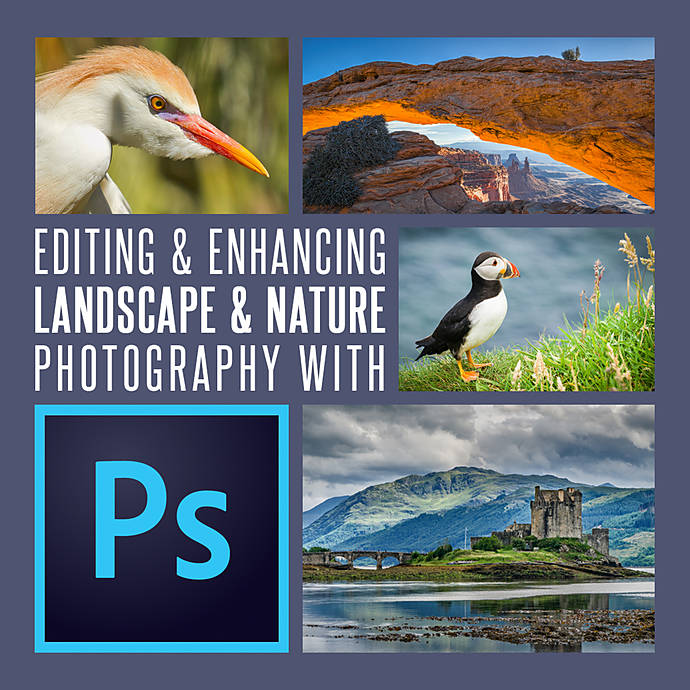
For photographers who want to improve their editing skills, Editing and Enhancing Landscape and Nature Photography with Photoshop is a relevant learning resource available through Unique Photo. It is especially useful if your travel work includes scenic destinations and nature-focused imagery.
If your travel photography expands into content creation, print sales, or storytelling projects, refining your post-production habits becomes even more important.
Travel photography tips for beginners and experienced shooters
No matter your skill level, these practical habits improve results:
- Research sunrise, sunset, and local weather before each shooting day
- Scout locations without a camera sometimes to understand light and foot traffic
- Photograph details as well as wide scenes to tell fuller stories
- Take environmental portraits when appropriate and respectful
- Use downtime in transit to review and rate images
- Keep one lens mounted most of the time for speed
- Leave room in your itinerary for unplanned discoveries
Experienced photographers often find that the strongest travel images come from patience rather than constant movement. Returning to the same place in better light can be more valuable than visiting five locations in a rush.
Final thoughts on travel photography gear recommendations
The best travel photography gear is not necessarily the most expensive or the most advanced. It is the kit that helps you stay mobile, react quickly, protect your files, and enjoy the experience of making photographs in new places. Start with a camera you trust, add one or two carefully chosen lenses, keep accessories practical, and build a backup workflow you will actually follow.
At Unique Photo, photographers can find not only gear inspiration but also educational resources, classes, and events that strengthen real-world travel shooting skills. If you are planning your next trip, consider exploring related Unique Photo learning opportunities and gear categories for landscape photography, mirrorless cameras, travel tripods, camera bags, memory cards, and editing education. Internal linking opportunities for this article could include pages for camera bags, travel tripods, photography classes, landscape photography workshops, and photo editing courses.