Sony’s Lens Compare Beta is an interesting tool for filmmakers and hybrid shooters trying to narrow down focal lengths, rendering, and shooting style before buying. If you are choosing lenses for video work, the tool can be genuinely helpful for visualizing perspective differences, but it is still only part of the decision. Real-world usability matters just as much: balance on a gimbal, zoom range, low-light capability, stabilization, and how a lens fits the type of production you actually shoot.
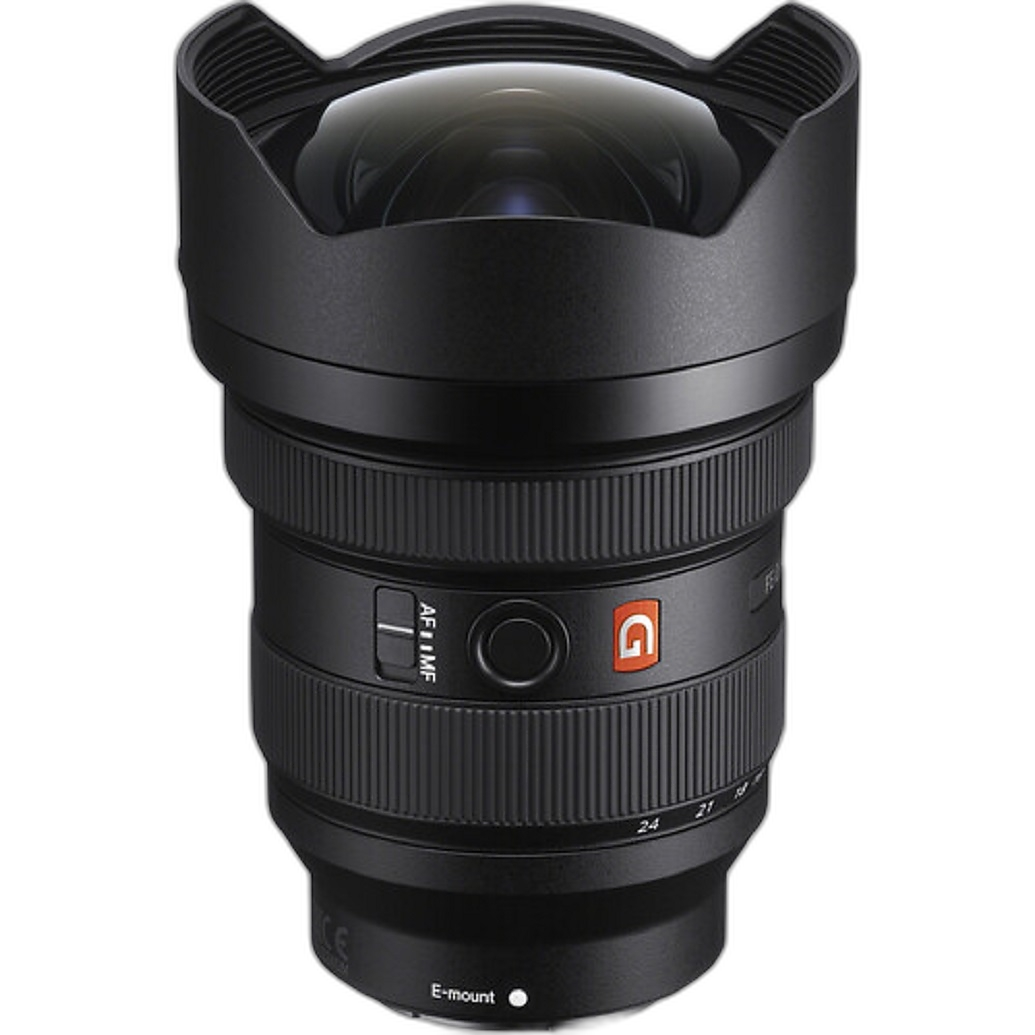
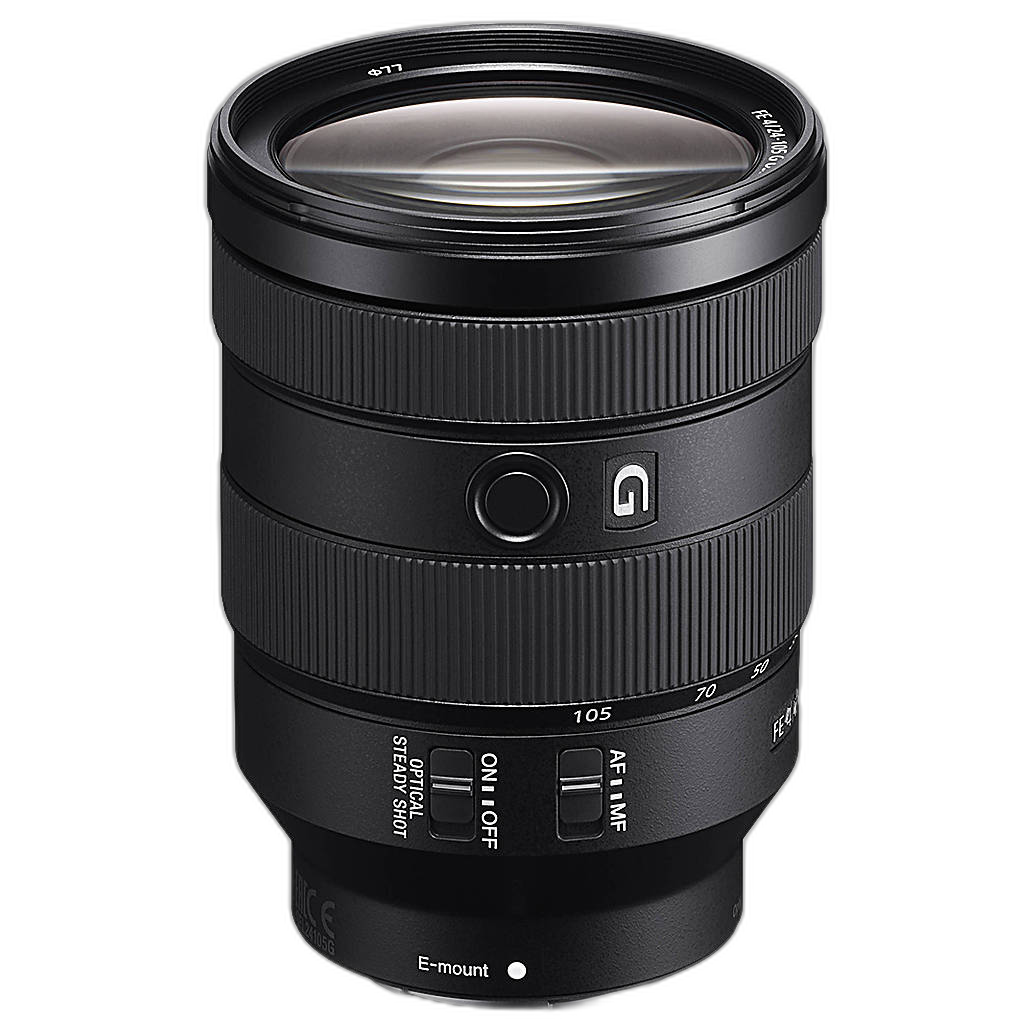
For video creators in the Sony ecosystem, two lenses stand out as especially useful comparison points: the Sony FE 12-24mm f/2.8 GM Lens for ultra-wide cinematic work, and the Sony FE 24-105mm f/4 G OSS Lens for versatile run-and-gun production. If you are using Sony Lens Compare Beta to decide between wide dramatic coverage and an all-in-one practical zoom, these are exactly the kinds of lenses that show how useful the tool can be.
Why Sony Lens Compare Beta Is Useful for Video Shooters
The best thing about Sony Lens Compare Beta is that it helps translate spec-sheet differences into visual differences. For video, that matters a lot. A 12mm frame is not just wider than 24mm; it changes motion feel, subject separation, background scale, and how handheld or gimbal footage reads emotionally. Likewise, a 24-105mm zoom is not just “more flexible”; it can replace multiple primes on a fast-moving shoot.
That said, Lens Compare Beta does not fully tell you how a lens behaves on set. It will not completely show operational feel, stabilization value, or whether you will prefer a bright ultra-wide look over a practical documentary zoom. That is where product-level evaluation becomes more important.
Sony FE 12-24mm f/2.8 GM Lens Review for Video
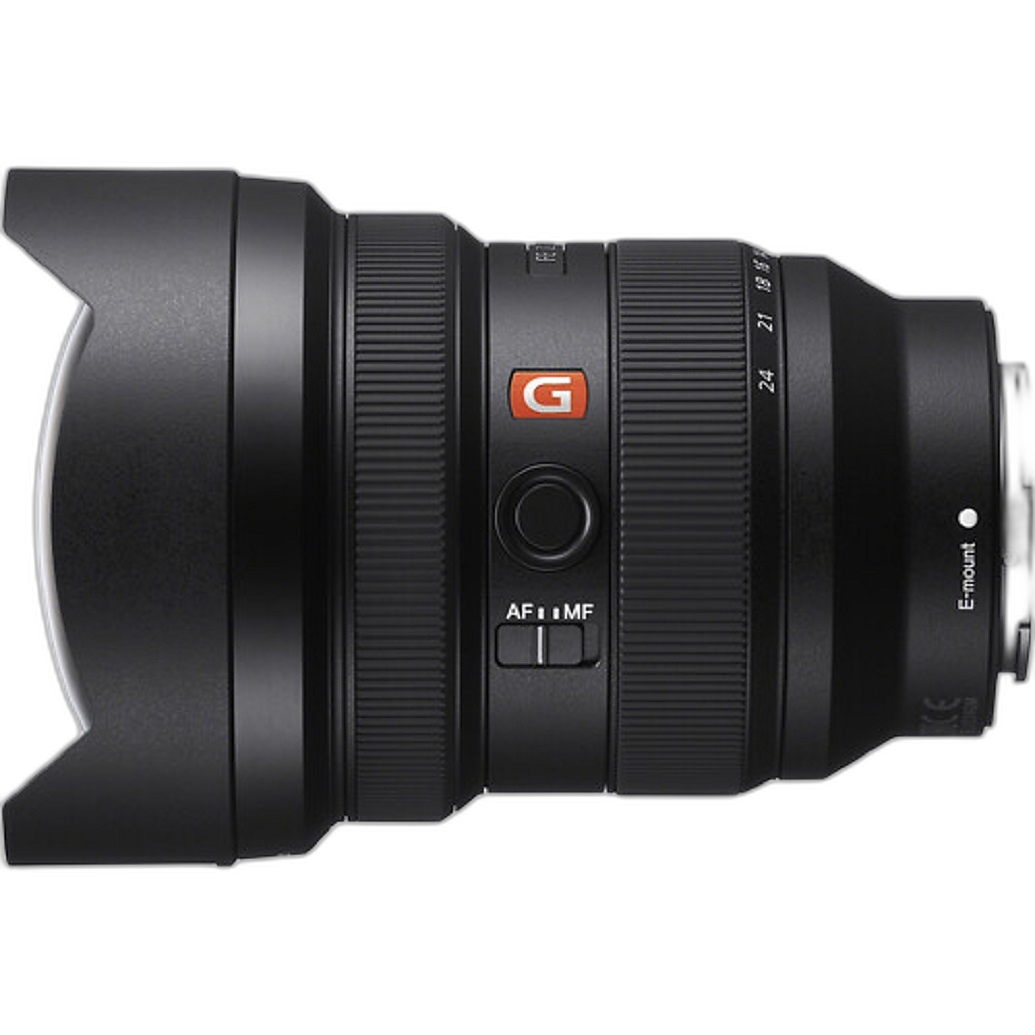
The Sony FE 12-24mm f/2.8 GM Lens is a premium ultra-wide zoom aimed at creators who want dramatic perspective, top-tier optical quality, and a constant f/2.8 aperture. In a video context, this is the lens that makes small spaces feel cinematic, landscapes feel expansive, and moving shots feel immersive.
Ultra-Wide Perspective for Dynamic Video
If Sony Lens Compare Beta has you wondering how much visual difference there really is between 12mm, 16mm, and 24mm, this lens is one of the strongest arguments for testing the wide end carefully. At 12mm, you get a distinctly immersive perspective that is ideal for architecture, interiors, travel films, real estate video, and dramatic establishing shots. It also works extremely well on gimbals when you want energetic movement without making footage feel too shaky.
Constant f/2.8 Aperture
For event shooters, documentary filmmakers, and creators working in mixed or limited light, the constant f/2.8 aperture is a major advantage. It gives you more flexibility than slower ultra-wide zooms and helps maintain consistency while zooming during a shot setup. While ultra-wides do not usually produce the strongest background blur, the faster aperture still helps in dim spaces and for night exterior work.
G Master Optical Performance
This lens sits in Sony’s G Master lineup, so expectations are high. For video shooters, that means strong sharpness across the frame, good contrast, and polished overall rendering. The ultra-wide field of view is the headline feature, but the more important part is that it delivers that width without feeling compromised in professional use.
Best Use Cases
The FE 12-24mm f/2.8 GM is best for creators filming real estate walkthroughs, travel content, architecture, car interiors, gimbal-heavy sequences, landscapes, and stylized cinematic scenes where scale matters. It is less of an everyday single-lens solution and more of a specialized creative tool.
Sony FE 24-105mm f/4 G OSS Lens Review for Video
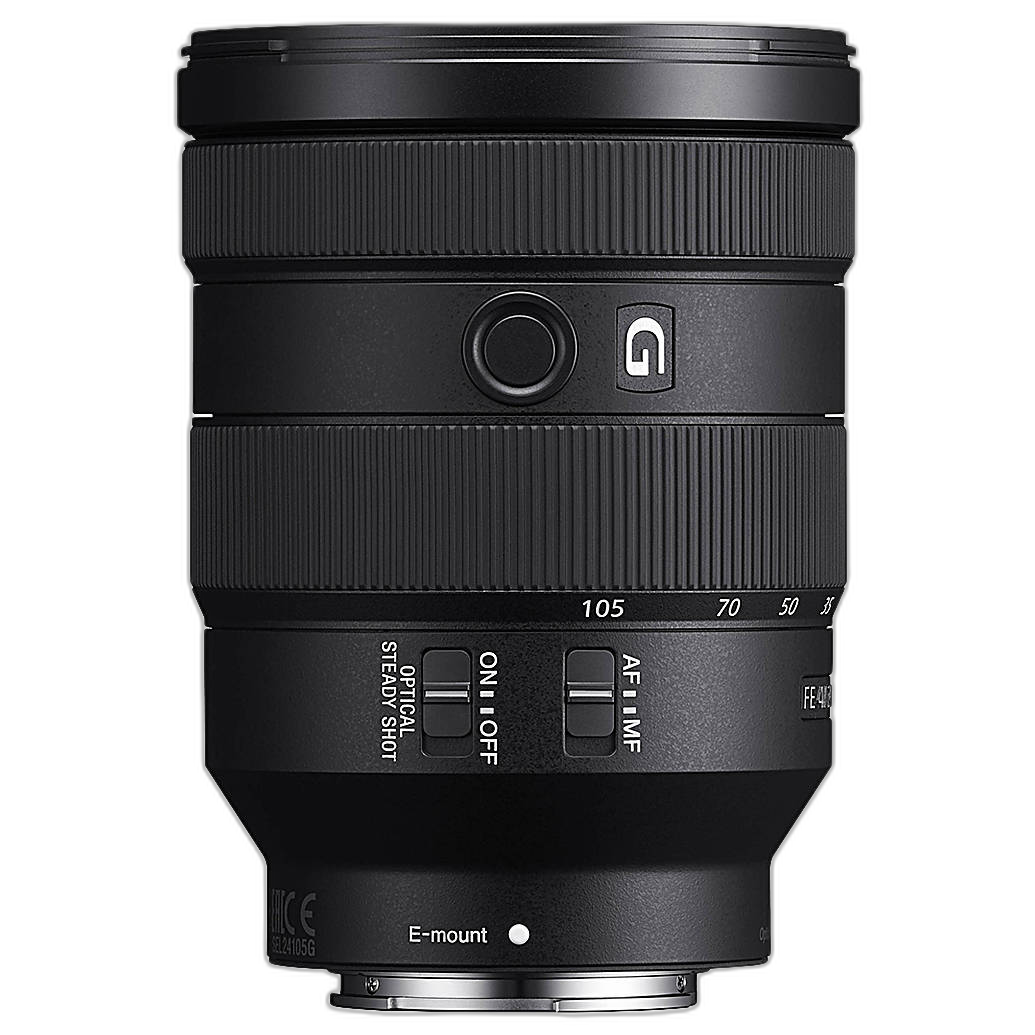
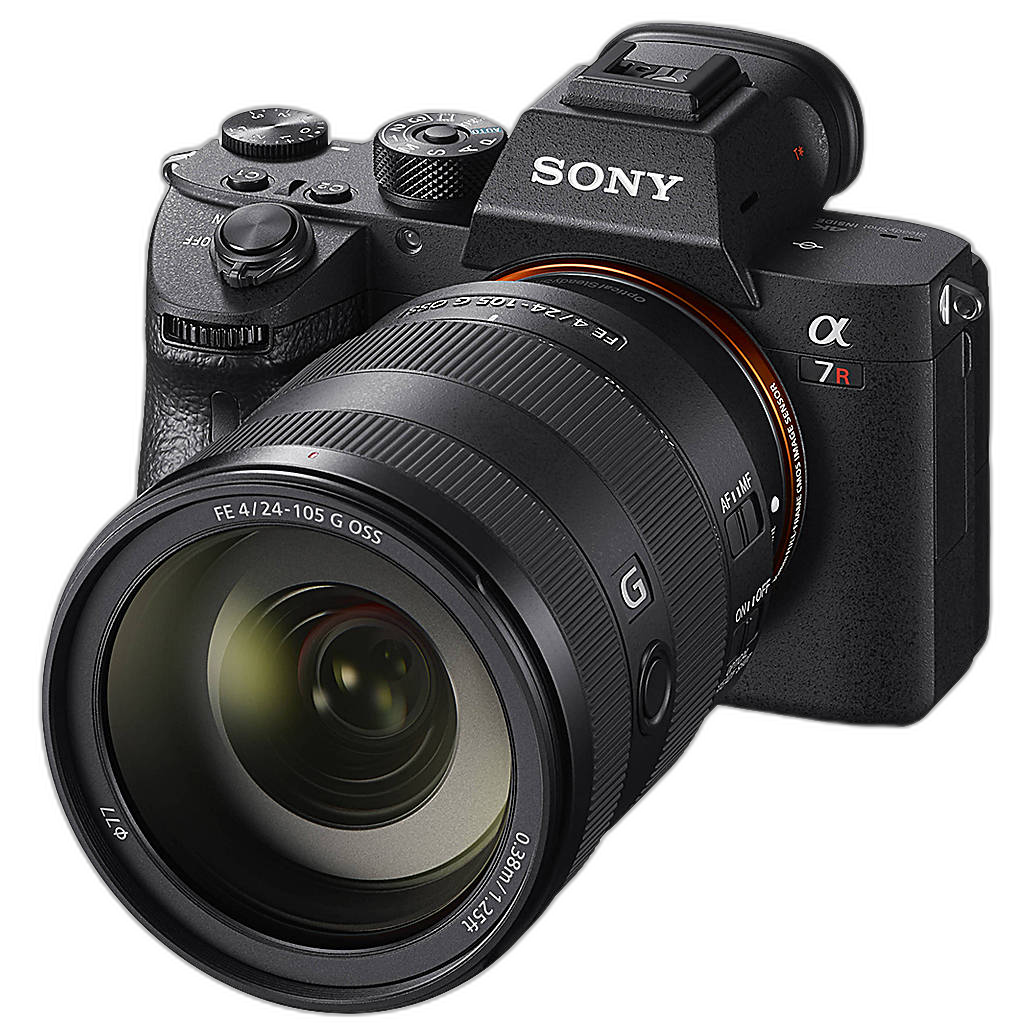
The Sony FE 24-105mm f/4 G OSS Lens is one of the most practical video zooms in Sony’s full-frame lineup. If the Lens Compare Beta tool is helping you decide whether you need one lens that covers a broad range of real-world shooting situations, this lens makes a very strong case for itself.
Versatile Focal Range
The 24-105mm range is excellent for interviews, event coverage, documentary work, corporate video, weddings, and travel production. You can shoot a wide establishing frame at 24mm, move to a medium shot, and then tighten to a detail shot without changing lenses. For solo shooters especially, that flexibility saves time and reduces missed moments.
Optical SteadyShot for Real-World Shooting
For handheld video, stabilization is one of the lens’s biggest strengths. Sony’s OSS is particularly useful for documentary and event workflows where tripods and gimbals are not always practical. While in-body stabilization can help, lens-based stabilization still adds real value for smoother footage in active shooting conditions.
Constant f/4 Aperture
A constant f/4 aperture is not as bright as f/2.8, but it is a reasonable tradeoff for a lens with this range, especially for daytime production, controlled interview setups, and travel content. If your shooting style emphasizes flexibility over shallow depth of field, this aperture makes a lot of sense. It also keeps exposure consistent while zooming.
An Excellent One-Lens Video Option
This is the lens many Sony shooters end up leaving on the camera most of the time. It is not as dramatic as the 12-24mm, but for practical work it is often more valuable. If your projects require fast adaptation, fewer lens changes, and dependable framing options, the FE 24-105mm f/4 G OSS may be the smarter investment.
Using Sony Lens Compare Beta: What It Helps You Decide
In real terms, Sony Lens Compare Beta is most useful when you are trying to answer a few specific video questions:
- Do you need ultra-wide visual impact, or would a standard zoom cover more of your jobs?
- Will you actually use 12mm often enough to justify a specialty lens?
- Is your work more cinematic and stylized, or more documentary and practical?
- Do you value low-light width more than stabilization and range?
When comparing these two Sony lenses, the answer usually comes down to workflow. The FE 12-24mm f/2.8 GM is the creative specialist. The FE 24-105mm f/4 G OSS is the everyday workhorse.
Pros and Cons
Sony FE 12-24mm f/2.8 GM Lens
- Pros: Exceptional ultra-wide coverage, bright constant f/2.8 aperture, premium G Master image quality, great for gimbal and real estate video, highly cinematic perspective.
- Cons: More specialized focal range, less useful as a single everyday lens, premium price point.
Sony FE 24-105mm f/4 G OSS Lens
- Pros: Extremely versatile zoom range, built-in OSS stabilization, constant aperture, excellent for events and documentary work, strong all-purpose value.
- Cons: Not as wide or dramatic as 12mm, f/4 is less ideal for low light than f/2.8 options, less specialized cinematic character than an ultra-wide GM lens.
Which Lens Makes More Sense for Video?
If you are a filmmaker who shoots a lot of interiors, architectural spaces, travel environments, or stylized moving shots, the Sony FE 12-24mm f/2.8 GM Lens is an outstanding creative choice. It is the kind of lens that can define a visual style.
If you are a hybrid shooter, event filmmaker, documentarian, or content creator who wants one lens to handle most assignments, the Sony FE 24-105mm f/4 G OSS Lens is probably the better fit. It is easier to justify as a daily-use purchase and remains one of Sony’s most practical video zooms.
Verdict
Sony Lens Compare Beta is worth using, especially if you are still learning how focal length changes the feel of a shot. But for video lens choices, it works best as a starting point rather than the final answer. In this comparison, the Sony FE 12-24mm f/2.8 GM Lens wins on creative impact and premium ultra-wide performance, while the Sony FE 24-105mm f/4 G OSS Lens wins on flexibility, stabilization, and overall day-to-day usefulness.
For many shooters, the smartest recommendation is simple: choose the 24-105mm if you need one dependable lens for varied video work, and choose the 12-24mm if your productions demand immersive wide-angle storytelling. Either way, both are compelling Sony options, and you can shop for them at Unique Photo for a trusted buying experience.