Travel Mirrorless Camera FAQ: How to Choose the Right 2024 Setup
Choosing a mirrorless camera for travel is all about balance. Most travelers want excellent image quality, a kit that stays comfortable all day, and enough durability to handle changing weather, long walks, and unpredictable shooting opportunities.
At Unique Photo, we help photographers think beyond headline specs and build a travel-ready system that fits how they actually shoot. Below, we answer the most common questions about selecting a mirrorless camera for travel in 2024, along with a few smart accessories and learning resources that can improve the entire experience.
Which mirrorless cameras offer the best balance of image quality and portability?
The best travel mirrorless camera is usually the one that delivers strong image quality without encouraging you to leave it in the hotel. In practical terms, that often means a compact body with intuitive controls, reliable autofocus, in-body stabilization if possible, and lenses that stay reasonably small. For many travelers, APS-C mirrorless systems strike this balance especially well because they keep both body and lens size manageable while still producing excellent files for prints, social media, and editorial-style travel work.
Full-frame mirrorless cameras can also be outstanding travel tools, especially if low-light performance, shallow depth of field, and maximum dynamic range matter to you. The tradeoff is that lenses tend to be larger, and once you add multiple focal lengths, the weight savings compared to other systems can shrink quickly. If your trip involves long walking days, city exploration, or strict airline carry-on limits, a lighter setup often wins in real-world use.
Comfort matters as much as camera size. A slim, secure strap can make a travel camera much easier to carry from morning to night, reducing fatigue and keeping the camera accessible when a scene unfolds quickly. That is where a minimalist option like the PGYTECH Camera Strap Slim can fit into a travel setup naturally.
Are there lightweight options with good battery life?
Yes, but it helps to define what “good battery life” means in travel photography. Smaller mirrorless cameras are easy to carry, but the most compact bodies may use smaller batteries. If you shoot all day, use the rear screen heavily, record video, or rely on continuous autofocus, battery life becomes a bigger factor than the published number suggests.
A lightweight travel camera with efficient power management is often the sweet spot. Rather than chasing the tiniest body, many photographers are happier with a slightly larger model that offers better endurance, improved grip, and room for a larger battery. For travel, that can mean fewer battery swaps and less concern during day trips, train rides, or excursions where charging opportunities are limited.
Power planning is also part of travel readiness. If your workflow includes more video or hybrid shooting, dependable power accessories are worth thinking about in advance. For example, dedicated power solutions like the Blackmagic Design Power Supply for Pocket Cinema Camera show how important stable power can be when your camera is part of a broader travel content kit.
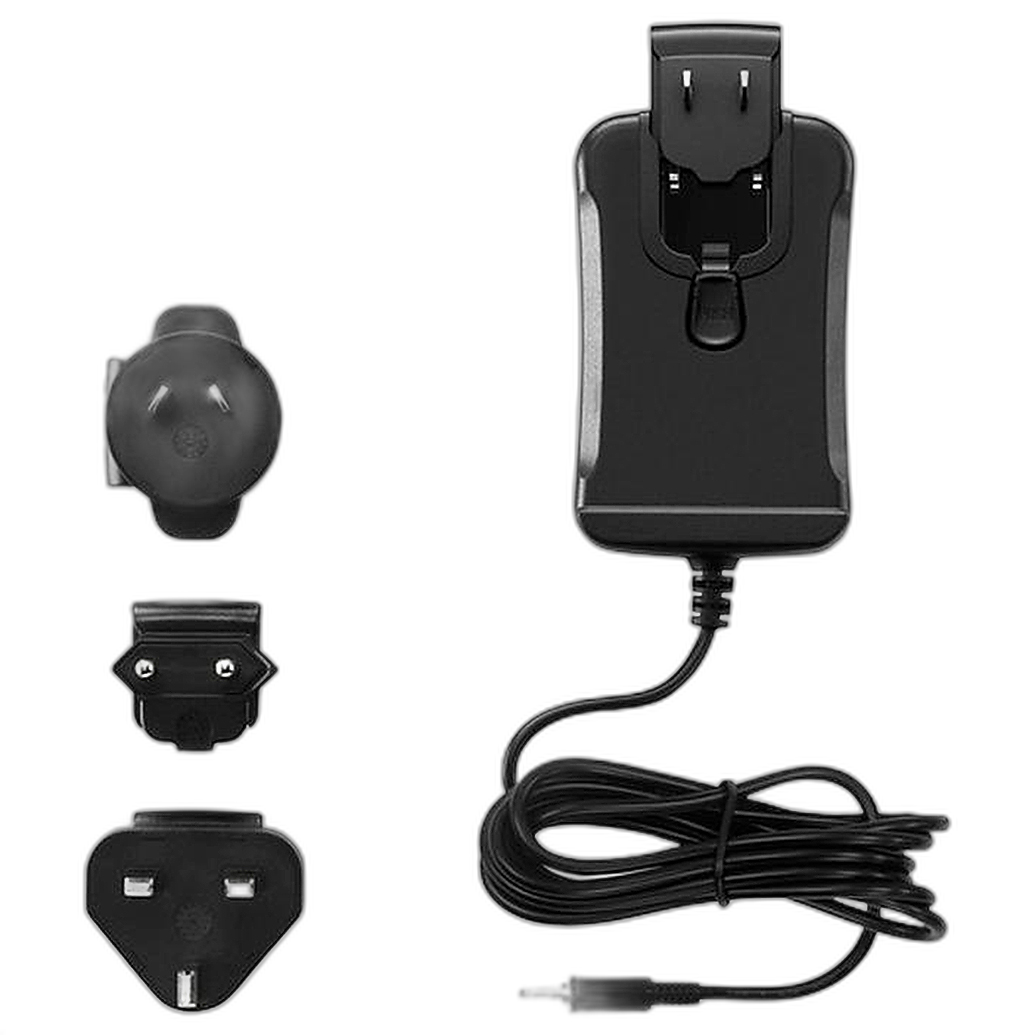
Even if you are shopping for a stills-focused mirrorless body, the broader lesson is the same: prioritize batteries, charging convenience, and how your camera fits your travel routine.
How important is weather sealing for a travel camera?
Weather sealing is one of those features that becomes very important the moment conditions turn against you. Travel photography often means moving between air-conditioned interiors and humid streets, shooting in light rain, visiting coastal locations with salt spray, or dealing with dust on trails and unpaved roads. A weather-resistant camera and lens combination adds confidence and can help you keep shooting instead of packing up early.
That said, weather sealing should be viewed as added protection, not permission to ignore common sense. A camera marketed as weather resistant is still best treated carefully around heavy rain, blowing sand, and extreme conditions. If you travel often and expect varied environments, choosing a body and lens system with solid environmental sealing is a smart investment. If most of your trips are urban, casual, and fair-weather, it may be less essential than lens choice, stabilization, or battery life.
For photographers investing in higher-end gear, protection can also extend beyond the body itself. Brand-backed coverage may be worth considering, especially if your travel plans include frequent use. A service option such as Nikon Care can be part of a more complete ownership plan for photographers who want extra peace of mind.
Should I choose full-frame or APS-C for travel photography?
This is one of the biggest travel camera decisions, and the right answer depends on your priorities. Full-frame is ideal if you want the strongest low-light performance, broader dynamic range, and easier subject separation with fast lenses. It is a great fit for travelers who shoot interiors, evening street scenes, environmental portraits, and landscapes where maximizing image quality is a top goal.
APS-C is often the more practical travel choice because it delivers a better size-to-performance ratio. Bodies are frequently lighter, lenses are often more compact, and the system as a whole can be easier to carry all day. For many travelers, APS-C quality is more than enough, especially with modern sensors and strong raw processing. It is especially appealing if you want one camera and two small lenses rather than a heavier bag full of full-frame glass.
In short, choose full-frame if your travel photography emphasizes ultimate image quality and low-light flexibility. Choose APS-C if portability, affordability, and lighter lenses matter most. At Unique Photo, we often recommend thinking in terms of the complete kit rather than just the sensor size. A slightly smaller sensor with lenses you actually enjoy carrying will usually produce more photos than a larger system left behind.
What features matter most in a travel mirrorless camera besides image quality?
Autofocus reliability is near the top of the list. Travel photography is unpredictable: people move quickly, light changes constantly, and moments disappear fast. A mirrorless camera with dependable subject detection and responsive autofocus makes it easier to capture street scenes, portraits, food, markets, and quick candid moments without frustration.
In-body image stabilization is also highly valuable. It helps when shooting handheld at slower shutter speeds, especially in museums, evening streets, or indoor spaces where tripods are not practical. A good electronic viewfinder, comfortable grip, and sensible menu system can make a huge difference on multi-day trips. Dual card slots may matter to professionals or photographers on once-in-a-lifetime journeys, while a fully articulating screen can be useful for content creators and vloggers.
Do not overlook ergonomics. A camera that feels secure in hand and remains easy to access will often outperform a technically impressive body that feels awkward after a few hours. Accessories can also improve usability without adding much bulk. A slim carrying solution such as the PGYTECH Camera Strap Slim is a simple example of an upgrade that can make daily travel shooting more comfortable.
How many lenses should I bring for travel photography?
For most trips, fewer lenses lead to a better experience. A versatile standard zoom is often the easiest recommendation because it covers landscapes, architecture, street scenes, travel portraits, and everyday details without constant lens changes. If you prefer a lighter and more intentional approach, one compact prime lens can be an excellent option, especially for city breaks and documentary-style travel photography.
A two-lens travel kit is often the sweet spot: one standard zoom or normal prime for general use, plus either an ultra-wide for landscapes and interiors or a short telephoto for portraits and compressed scenes. Going beyond that is best reserved for highly specific trips where wildlife, sports, or specialty subjects are part of the plan.
The goal is to match your lens selection to the way you travel. If you are moving quickly, changing locations often, or packing light, a simpler kit usually means more shooting and less decision fatigue.
Is it better to spend more on the camera body or travel accessories?
A strong camera body is important, but travel accessories often have an outsized effect on the overall experience. A comfortable strap, extra batteries, chargers, card storage, and practical carrying solutions can make your camera more enjoyable and more reliable on the road. In many cases, a well-accessorized midrange mirrorless setup is more useful for travel than a premium body with no supporting gear.
There is also value in investing in your skills. Learning how to see light, build a visual story, and work effectively in new environments can improve your travel photography more than a small step up in camera specs. Unique Photo offers educational opportunities that can help photographers build confidence before their next trip.
For photographers interested in sharpening landscape composition and observational skills, classes like Macro and Landscape Photography at Duke Farms can help strengthen the visual habits that translate beautifully to travel work.

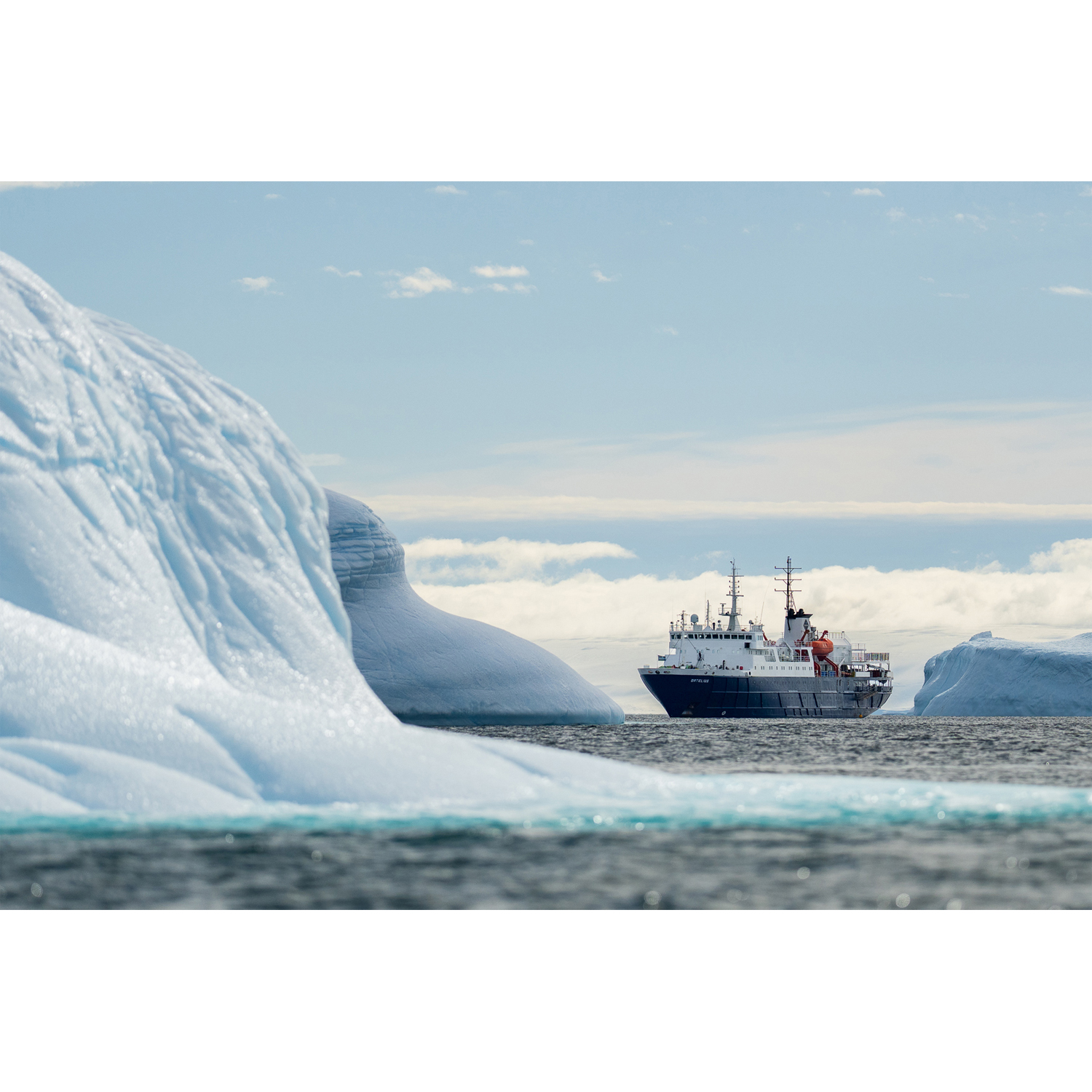
And for those drawn to storytelling and documentary-style travel imagery, EXPO: Stories from the Road - Photography Across Worlds offers inspiration around building stronger photographic narratives while traveling.
What is the best travel mirrorless setup for beginners?
For beginners, the best setup is one that stays simple and encourages practice. A compact mirrorless body with reliable autofocus, good automatic modes, and a standard zoom lens is an excellent place to start. This kind of setup is flexible enough for architecture, portraits, food, street photography, and landscapes without overwhelming a new user with too many lens choices.
Beginners should also prioritize portability and ease of charging. If the camera is comfortable to carry and simple to use, it is more likely to be with you when meaningful moments happen. Add a dependable strap, an extra battery, and a memory card strategy, and you will have a travel kit that feels manageable rather than complicated.
As confidence grows, you can always expand with a prime lens for low light or a wider lens for scenery and interiors. Starting simple usually leads to better travel photos than trying to assemble an advanced system all at once.
The best travel mirrorless camera is not just the one with the biggest sensor or the longest spec sheet. It is the one that fits your style of travel, supports the subjects you love to shoot, and remains easy to carry from sunrise to night markets.
If you are ready to build a travel-ready camera kit, Unique Photo can help you compare mirrorless options, choose practical accessories, and find educational resources that make your next trip even more rewarding.