Best Beginner Camera in 2024: Canon vs Sony vs Nikon FAQ
Choosing your first interchangeable-lens camera can feel overwhelming, especially when Canon, Sony, and Nikon all offer strong beginner-friendly systems. At Unique Photo, we recommend focusing less on brand loyalty and more on how a camera fits your learning style, budget, and long-term lens goals.
Below, we answer the most common beginner questions about entry-level mirrorless cameras, including how Canon's EOS R10, Sony's a6400, and Nikon's Z50 compare, plus what features matter most when you're just getting started.
Is the Canon R10 or Sony a6400 better for learning photography?
Both are excellent beginner cameras, but they appeal to different types of new photographers. The Canon EOS R10 is often easier for first-time users who want a modern menu system, strong subject detection, and a straightforward shooting experience. It feels approachable right away, which can make learning exposure, autofocus, and composition less intimidating.
The Sony a6400 remains a very popular option because it offers strong autofocus performance, compact size, and access to a broad lens ecosystem. For beginners who want room to grow into travel, portraits, and even video, Sony's E-mount system is a major advantage. The biggest difference is often usability preference: Canon tends to feel friendlier at the start, while Sony can reward users who want a wider path into future lens upgrades.
If you're considering the Sony system long term, versatile glass can be a major factor. A lens like the Sony FE 24-105mm f/4 G OSS shows the kind of all-purpose range many photographers eventually want for travel, portraits, and walkaround shooting.
How does Nikon's Z50 stack up against Canon and Sony for beginners?
The Nikon Z50 is a strong middle-ground choice for new photographers who want solid ergonomics, pleasing image quality, and a comfortable grip. Many beginners pick up the Z50 and immediately feel confident holding it, which matters more than specs on paper. Nikon's controls tend to make sense to photographers who want direct access to core settings without feeling overwhelmed.
Compared to the Canon R10, the Z50 may feel a bit more traditional in operation. Compared to the Sony a6400, it often feels more comfortable in the hand. The main thing to consider is system growth: beginners should look not only at the camera body, but also at the lens lineup they may want over the next few years. Nikon's Z system is very capable, but some shoppers may find Canon or Sony more flexible depending on their upgrade plans.
If your priority is comfort, still photos, and a camera that encourages you to keep shooting, the Z50 absolutely deserves a place on your shortlist.
What features make a camera easier for beginners?
The best beginner camera is usually the one that removes friction from the learning process. We recommend prioritizing a few practical features: reliable autofocus, a comfortable grip, intuitive menus, a viewfinder, and access to lenses that suit the subjects you want to shoot.
Autofocus is especially important. Eye detection and subject tracking help you get more sharp photos while you learn aperture, shutter speed, and ISO. A clear menu system also matters because you'll spend a lot of time adjusting settings and reviewing images. Good battery life, a flip or tilting screen, and simple wireless connectivity can also make the experience more enjoyable.
For many beginners, lens flexibility is just as important as body features. As your interests expand, you may want an all-in-one zoom for travel or a specialty wide-angle option for architecture and landscapes. In Sony's ecosystem, for example, advanced lenses like the Sony FE 12-24mm f/2.8 GM represent the kind of upgrade path available if you later move deeper into creative shooting.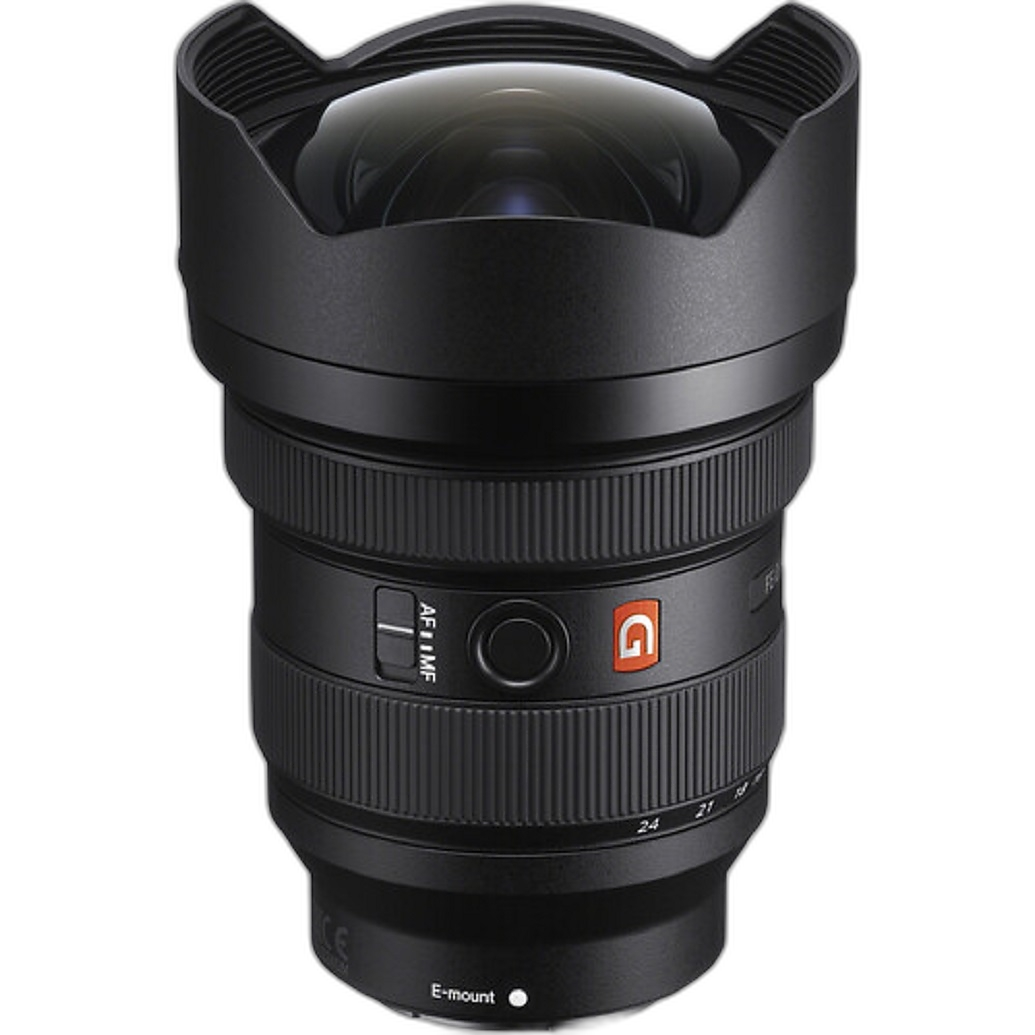
Should beginners buy a kit or purchase a body and lens separately?
For most first-time camera buyers, a kit is the smarter starting point. Kit combinations are usually the most cost-effective way to begin, and the included lens is designed to cover common focal lengths for portraits, family photos, travel, and everyday use. That means you can focus on learning fundamentals rather than trying to build a lens setup before you know what you actually need.
Buying a body and lens separately makes more sense when you already know your shooting style. If you know you'll focus on portraits, wildlife, or landscapes, selecting a specialized lens from the start can be worth it. But for many beginners, the kit lens teaches valuable lessons about framing and focal length before making a more expensive lens decision.
Once you're ready to expand, a versatile zoom is often the next step. That's why lenses in the 24-105mm class are so popular among photographers who want one lens that can do a lot.
Which system is best if I want to grow over time?
Sony often stands out for sheer lens variety, especially if you plan to move into enthusiast or professional gear later. Canon's RF system is growing and offers a beginner-friendly entry point, while Nikon's Z system is attractive for photographers who value handling and image quality. The right choice depends on whether your priority is easiest startup, broadest lens path, or best in-hand feel.
When thinking long term, don't just compare the current body. Look at the lenses and accessories you may want in one to three years. A travel photographer may want an all-purpose zoom. A landscape shooter may want an ultra-wide. A portrait enthusiast may want a bright prime lens. Building around your future interests helps prevent a costly system switch later.
Even used gear can be part of a smart growth plan. For photographers exploring older lens rendering or adapting vintage glass for creative work, options from our used department can be fun learning tools, such as a Used Canon FD 50mm f/1.8 Lens.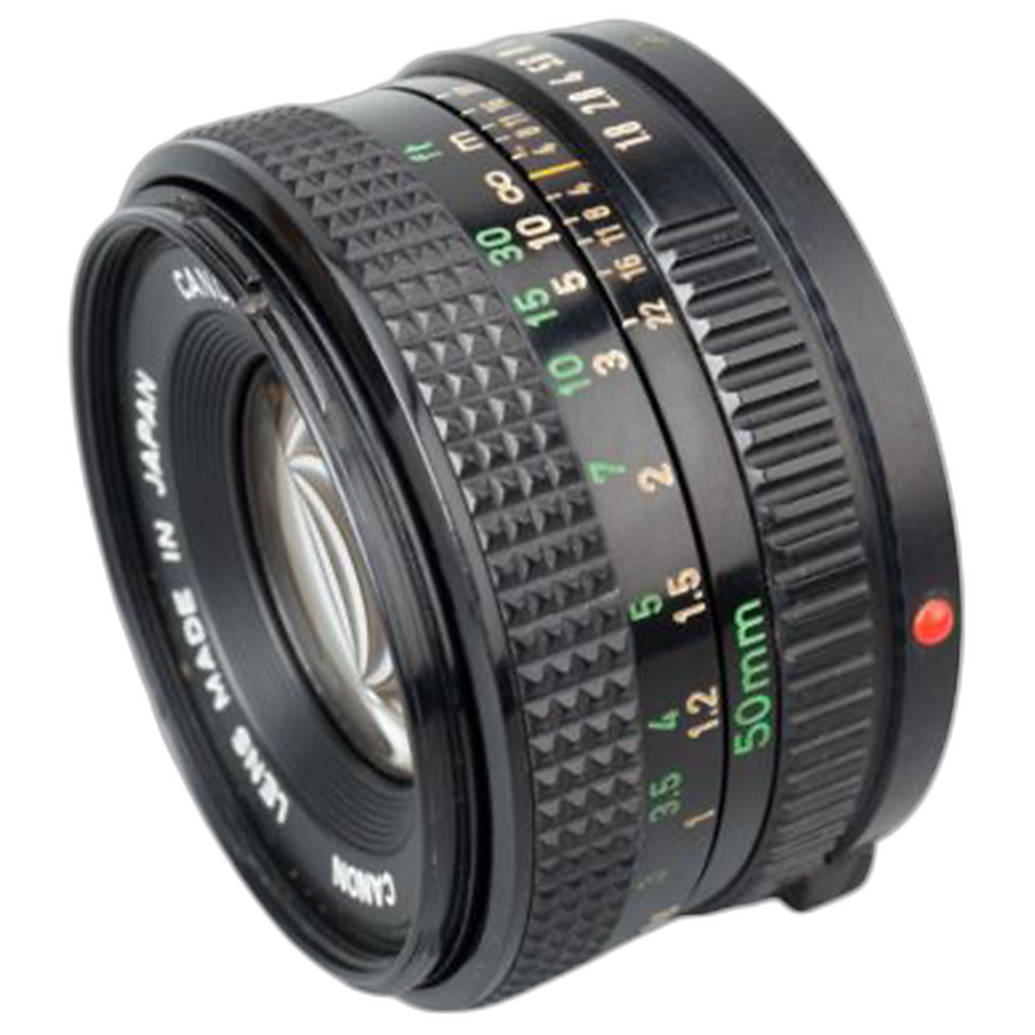
Is it worth spending more on lenses than the camera body?
In many cases, yes. Camera bodies come and go, but a good lens can stay in your bag for years. Beginners often see the biggest image-quality and usability improvements from better lenses, not just newer bodies. Sharper optics, a more useful zoom range, better low-light performance, and image stabilization can all have a noticeable effect on your photos.
That doesn't mean you should overspend right away. Start with a body and lens combination that gives you room to learn, then upgrade lenses based on the subjects you enjoy most. If you fall in love with travel and everyday photography, a lens like the Sony FE 24-105mm f/4 G OSS is a great example of the kind of investment that can outlast multiple camera body upgrades.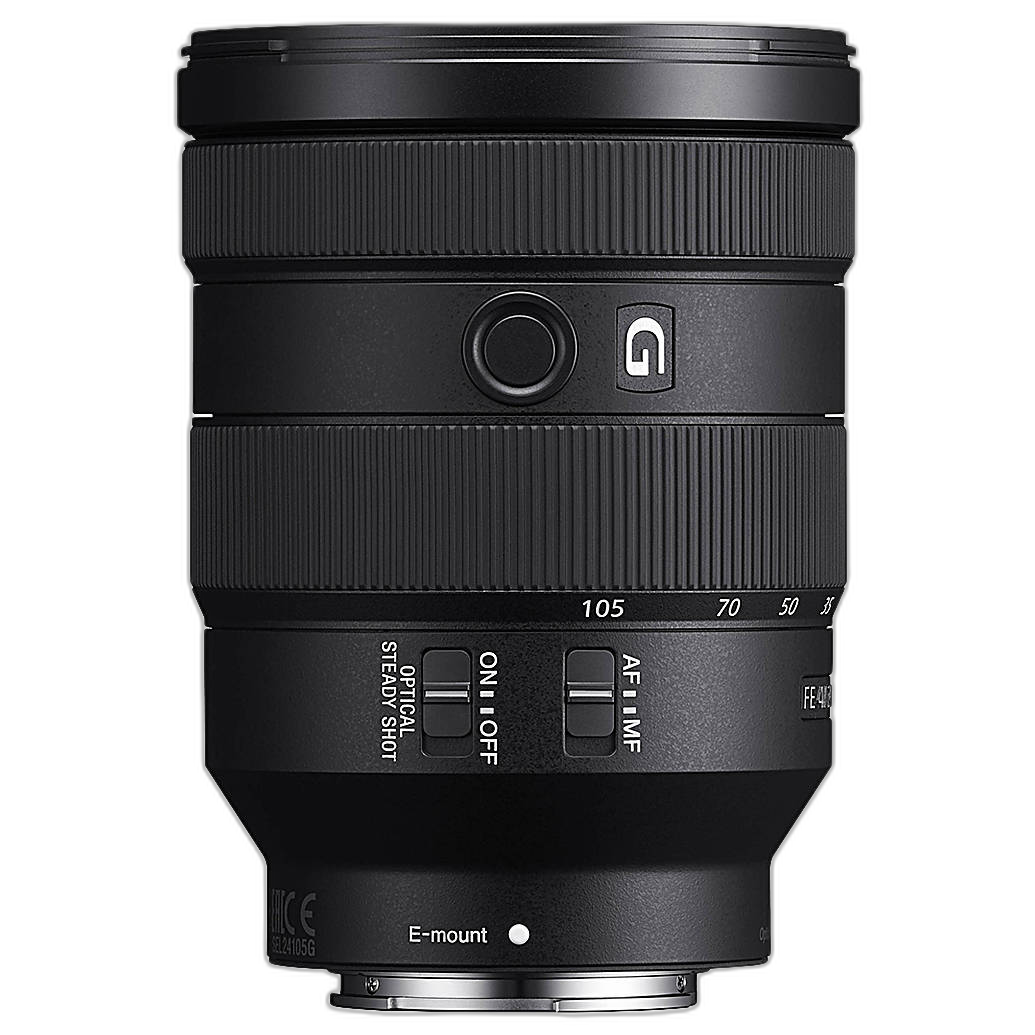
Do beginners need accessories and protection plans right away?
A few accessories are worth buying early: an extra battery, a memory card from a trusted brand, and a camera bag. Beyond that, protection can be a smart consideration, especially if you're buying your first serious piece of gear and want peace of mind while learning.
For Canon buyers in particular, coverage options like Canon CarePAK PLUS can help protect your investment over time. New photographers are still building habits around storage, travel, and handling, so accidental damage coverage can be worth considering alongside the camera purchase.
So which beginner camera should most people choose in 2024?
If you want the easiest learning curve and a very approachable shooting experience, the Canon EOS R10 is an excellent place to start. If you want a compact body and a broad system with lots of lens potential, the Sony a6400 remains highly compelling. If comfort in the hand and a balanced photographic experience matter most, the Nikon Z50 is a strong contender.
The truth is that all three are capable of helping you become a better photographer. The best one is the camera you'll want to carry often, practice with regularly, and build around over time.
If you're still deciding, Unique Photo can help you compare systems, lenses, accessories, and protection options so you can buy with confidence. Explore our camera and lens selection online or visit Unique Photo to get hands-on guidance from a team that understands what beginners really need.