Travel photography is all about balancing mobility, image quality, and durability. Whether you're heading into crowded cities, coastal landscapes, mountain trails, or fast-moving travel portrait sessions, the best setup is the one you can carry comfortably and trust in changing conditions. Below are practical tips for choosing the best cameras for travel, packing them efficiently, protecting your gear, and making strong images in diverse environments across the globe.
Choose a Travel Camera System You’ll Actually Carry
1. Prioritize compact, versatile setups
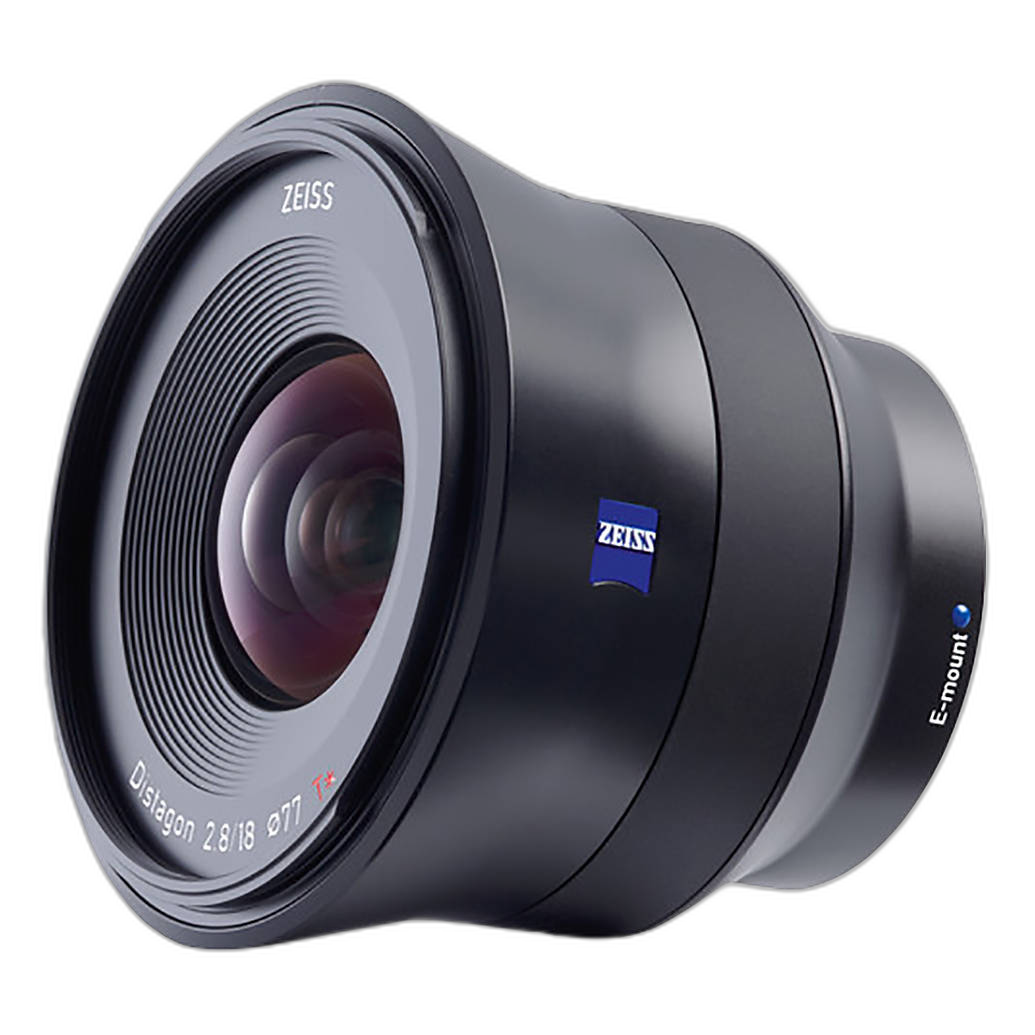
One of the most common lessons experienced travelers share is that lighter gear gets used more often. A compact mirrorless body paired with one or two carefully chosen lenses is usually a better travel companion than an oversized kit that stays in the hotel. If your style leans toward landscapes, architecture, and immersive environmental storytelling, an ultra-wide lens like the Zeiss Batis 18mm f/2.8 AF lens for Sony Full Frame E-Mount Cameras can be especially useful. It keeps your setup relatively streamlined while giving you the flexibility to capture grand scenes, interiors, and dramatic street perspectives.
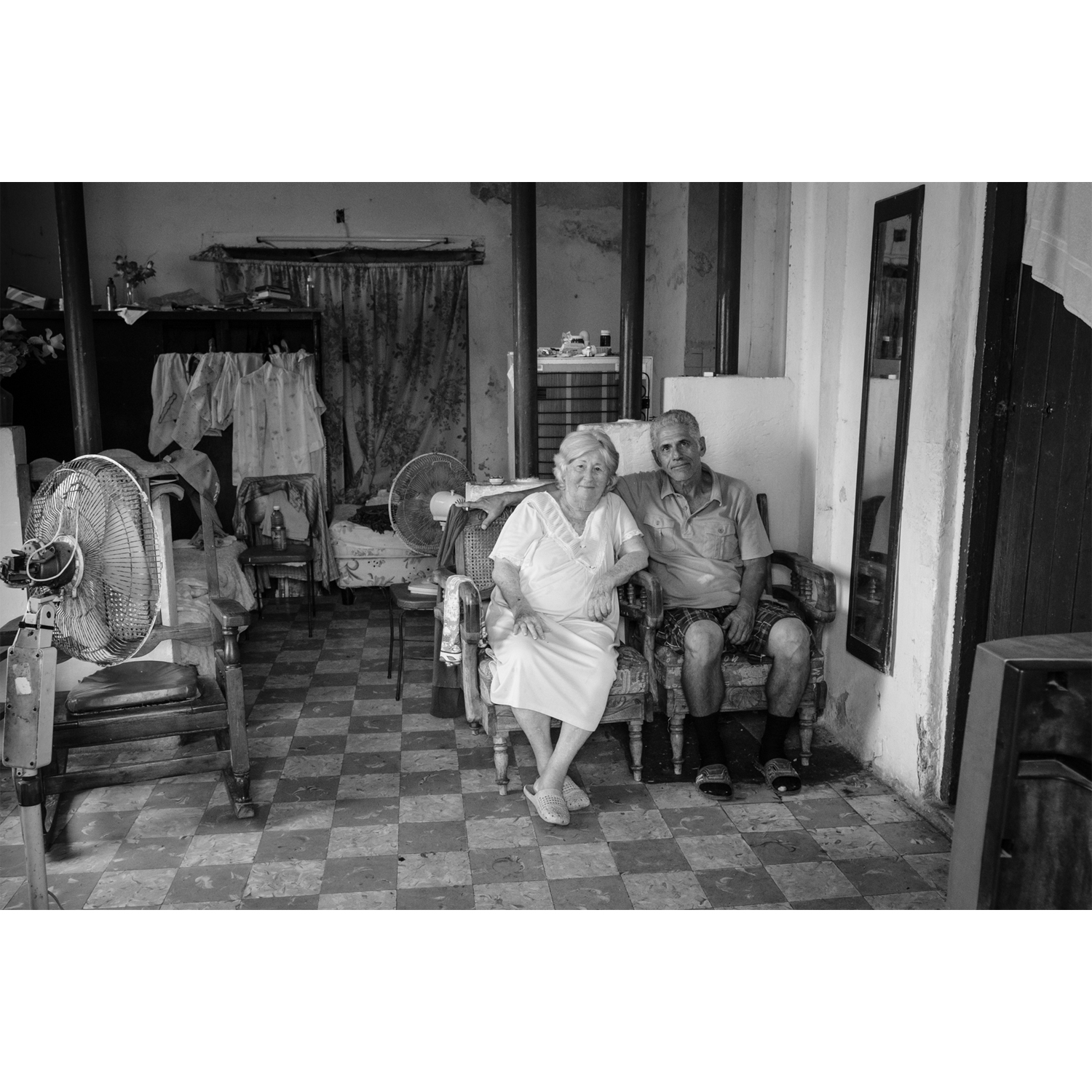
When travelers compare the best cameras for travel, they often come back to a few essentials: dependable autofocus, solid battery life, manageable size, and a lens ecosystem that supports the way they shoot. If you mainly photograph cities, food, and day-to-day culture, a lightweight body with a wide or standard prime often covers more than you think.
Build Your Packing List Around Locations, Not Just Gear
2. Pack for the trip’s real shooting conditions
A smart travel packing method starts with the destination. Desert locations demand dust awareness, tropical destinations call for humidity protection, and winter trips require extra battery planning. Instead of tossing every accessory into your bag, build your kit around actual shooting needs: one main camera, one backup option if possible, your most-used lens, memory cards, batteries, cleaning tools, and weather-conscious protection.
For travelers shooting wide scenic views or environmental portraits, a lens like the Zeiss Batis 18mm f/2.8 can reduce the need to carry multiple wider options. That kind of efficient lens choice saves space and weight, two things every traveler notices by day three of a trip.
3. Use a layered packing method
A practical way to pack camera gear is in layers:
- Top-access essentials: camera body, primary lens, passport-sized accessories, and one spare battery
- Mid-layer protection: padded dividers, lens cloths, and weather-sensitive items
- Deep storage: chargers, backup batteries, cables, and less frequently used accessories
This method makes it easier to move through airports, train stations, and day tours without unpacking your entire bag every time you need your camera.
Protect Your Gear Before the Trip Starts
4. Think beyond padded bags
Protective accessories aren’t just about impact resistance. Good travel protection also includes service coverage, power management, and packing discipline. For higher-value video or cinema setups, added coverage like the Canon CarePAK PRO EOS Cinema Cameras - 4000-5499.99 - 2 year warranty can be worth considering before a major trip. If you're traveling with specialized camera equipment, protection plans can provide peace of mind when your gear is crossing borders, vehicles, and unpredictable weather.

Travelers also recommend simple habits that prevent damage: never pack a loose lens without padding, keep silica packs in humid climates, and avoid storing gear in direct sun inside a parked car.
5. Carry power solutions for longer days
When you’re shooting festivals, weddings abroad, events, or travel portraits over long hours, battery strategy becomes part of gear protection too. Running out of power often leads photographers to make rushed decisions with charging, swaps, or missed shots. The Nissin PS 8 Power Pack for Select Canon Cameras is the kind of accessory that can support longer sessions when consistent power matters.
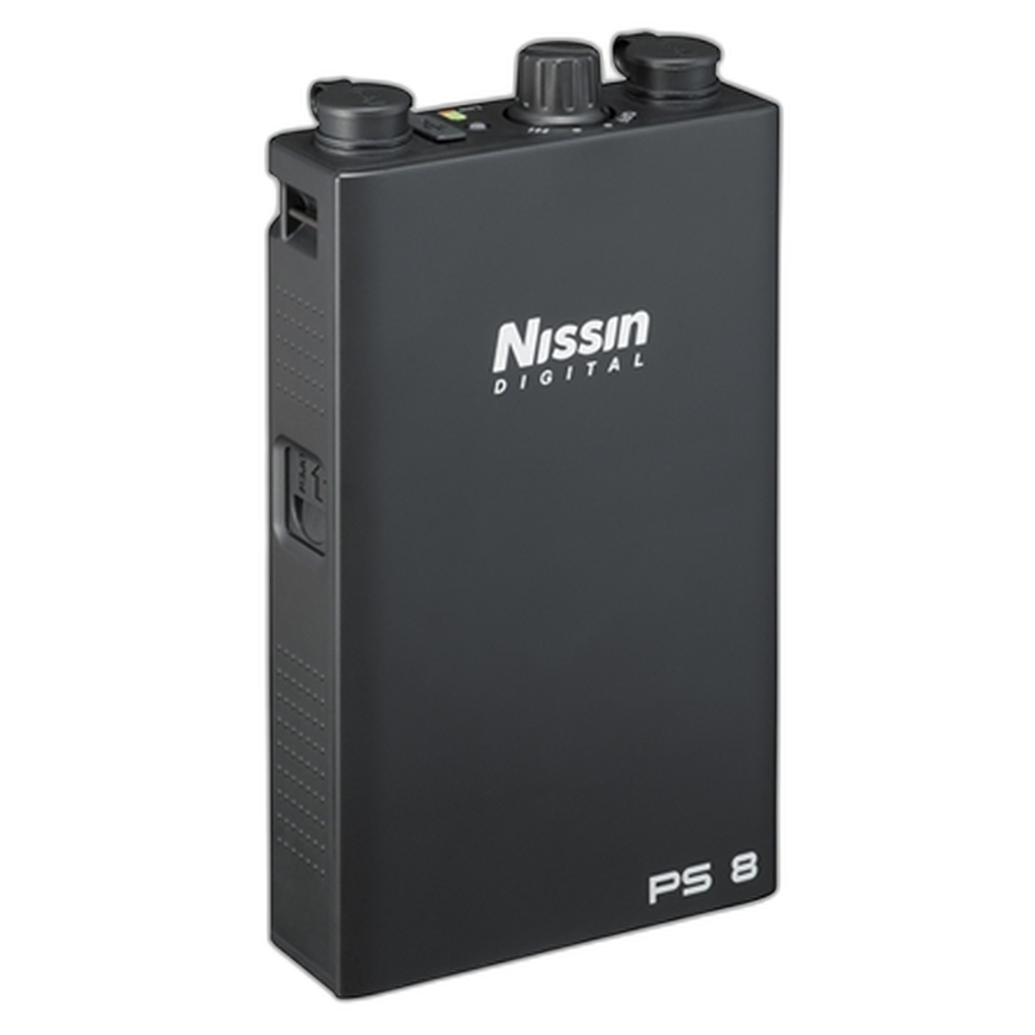
Even if your specific kit differs, the tip holds: keep batteries organized, separated by charged and depleted status, and protected from extreme heat or cold.
Prepare for Different Shooting Environments
6. Adjust your approach for cities, landscapes, and interiors
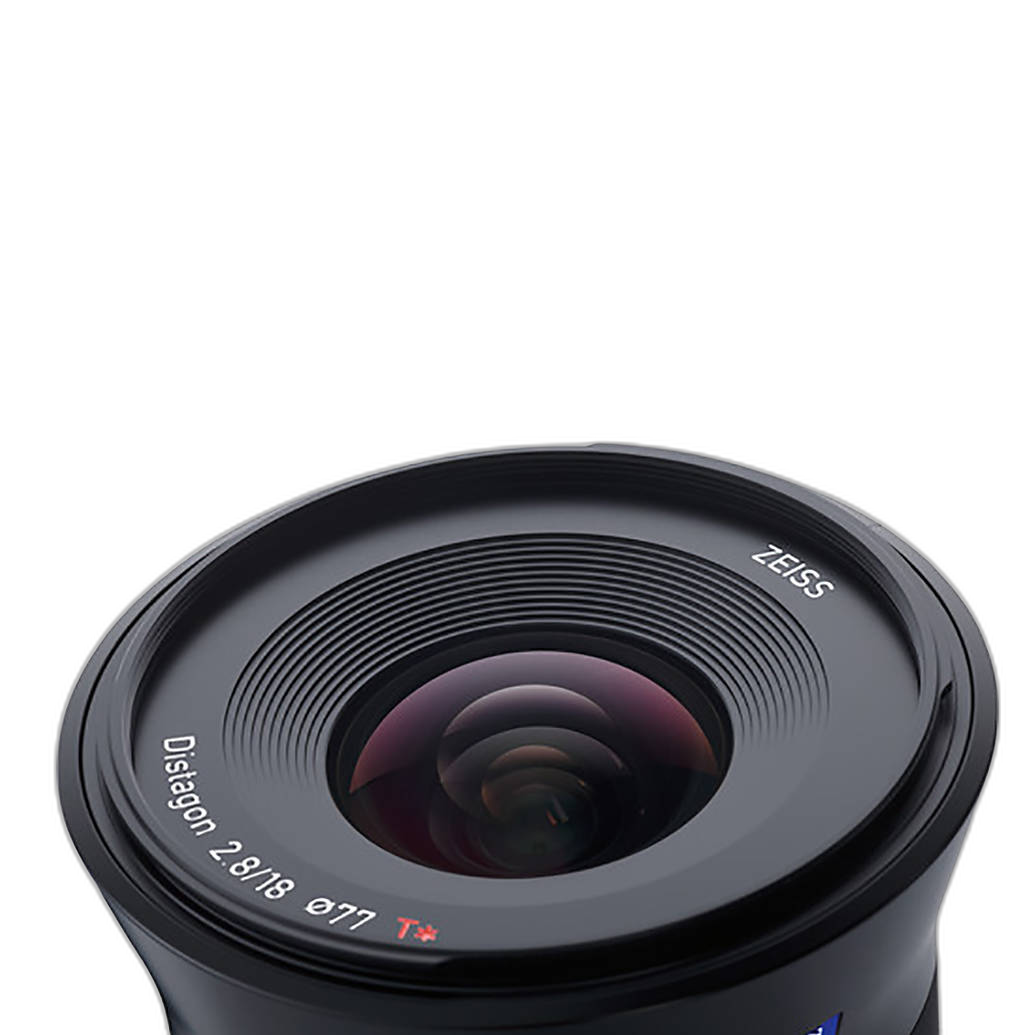
Travel photography often shifts quickly between bright outdoor scenes and dim indoor spaces. In tight streets, museums, temples, or hotel interiors, wider lenses can help you work without constantly stepping back. That’s another reason many travel shooters appreciate a lens such as the Zeiss Batis 18mm f/2.8: it’s well suited for dramatic foregrounds, travel architecture, and immersive environmental context.
A few reliable field tips:
- Shoot early and late for softer light and fewer crowds
- Watch the edges of the frame, especially with ultra-wide compositions
- Keep horizons level in coastal and cityscape images
- Use people in the frame for scale when photographing landmarks
7. Keep your kit protected in family and mixed-use travel situations
Not every trip is built around photography alone. If you're traveling with family, road-tripping, or working around bright sunlight in cars and shared spaces, practical accessories can help protect both passengers and gear from excess heat and glare. The Nuby 3Pk Sunshade Pop Open Travel, while not a camera accessory, fits naturally into family travel planning and can help reduce direct sun exposure in vehicles during long travel days. Lower cabin heat can make a difference when your camera bag is riding along between stops.
Learn Travel Lighting and Portrait Techniques Before You Go
8. Build skills that help you shoot anywhere
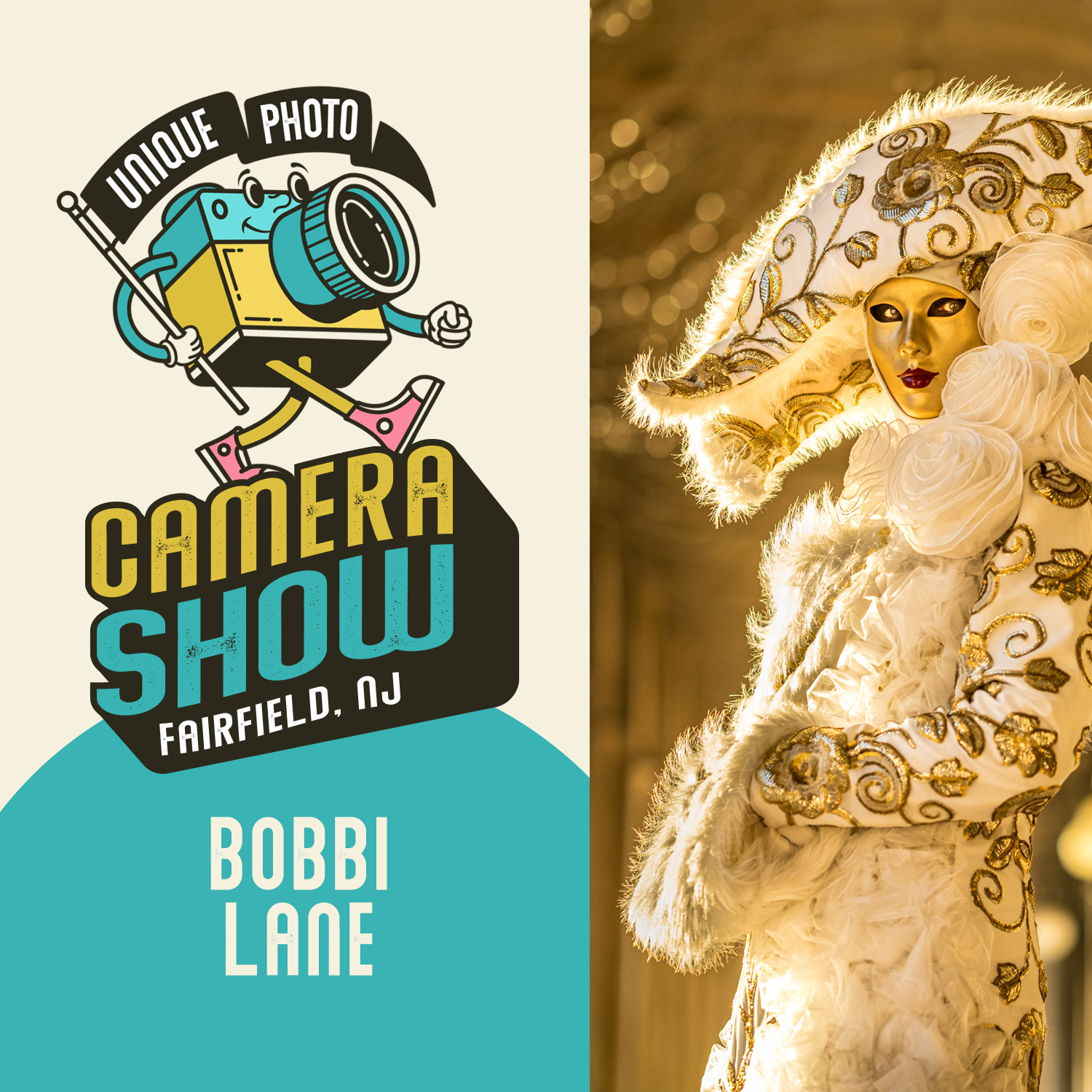
One of the best ways to improve travel images is to prepare before departure. Educational resources can be just as valuable as physical gear, especially when you’ll be photographing people, markets, interiors, or fast-changing natural light. The NJCS: Travel Portraits with Bobbi Lane (Fujifilm and Profoto) is a strong example of training that aligns well with travel photography, especially if portraits are part of your storytelling approach.
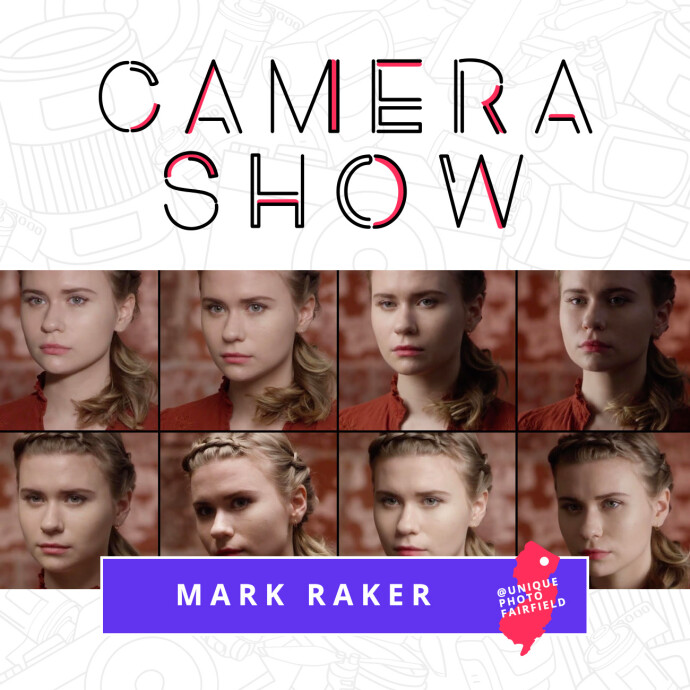
For photographers who want to strengthen their understanding of portable lighting before a trip, CS: Key Lighting Methods with Mark Raker (Nanlite) can also be a useful learning tool. Understanding how to shape light translates well when working in hotel rooms, shaded alleys, cafés, or on-location travel portrait sessions.
Pack Accessories That Add Real Utility
9. Bring accessories that solve actual travel problems
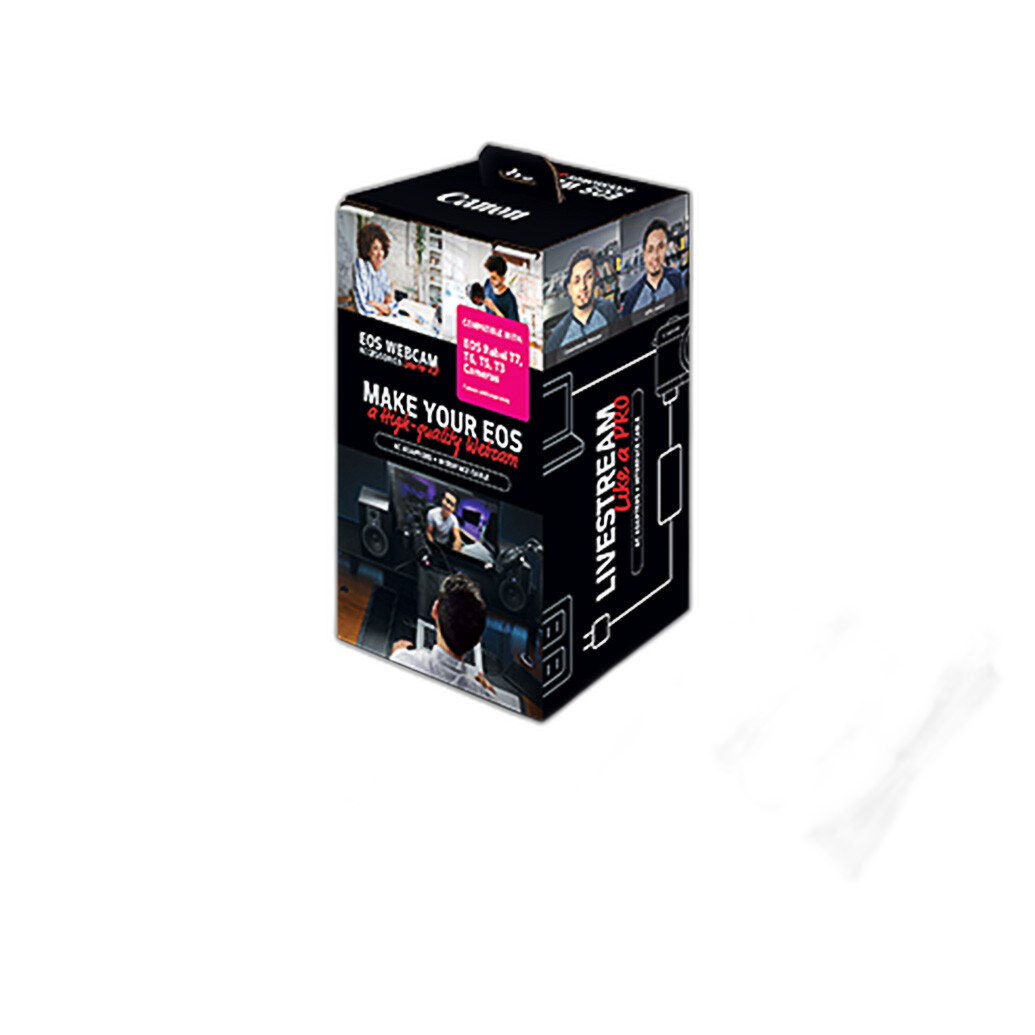
The best travel accessories are the ones that reduce friction. Cables, mounting tools, and adapters can be useful if your trip includes content creation, livestreaming, or remote communication while away. For creators carrying a compatible Rebel body, the Canon EOS Webcam Accessories Starter Kit for EOS Rebel Cameras may be helpful if part of your travel workflow includes virtual check-ins, streaming, or content production from the road.
As a rule, every item in your bag should answer one question clearly: what problem does this solve during the trip?
Keep a Simple Travel Shooting Routine
10. Create habits that protect your photos and your gear
The best camera for travel only performs well if your routine is solid. Frequent travelers often follow a simple checklist:
- Charge batteries every night
- Back up memory cards daily when possible
- Wipe dust, sand, and moisture off gear before repacking
- Reset exposure settings before the next day
- Keep one camera ready to shoot instead of packed too deeply
These habits save time, preserve gear, and help you stay focused on making pictures instead of troubleshooting equipment on the move.
Conclusion
Travel photography is rarely about carrying the most gear. It’s about bringing the right camera, choosing lenses thoughtfully, using protective accessories wisely, and adapting your methods to each destination. From compact wide-angle options like the Zeiss Batis 18mm f/2.8 to practical support items, power solutions, and educational resources, small choices can make a big difference on the road. If you're planning your next adventure, Unique Photo is a great place to explore gear, accessories, and learning opportunities that can help you travel smarter and shoot with more confidence.