Travel photographers love to debate the same question before every trip: should you pack a dedicated compact camera like the Fujifilm X100VI or Ricoh GR III, or just rely on your phone? The answer depends less on brand loyalty and more on how you actually shoot on the road. If portability, image quality, and comfort matter equally, a few practical considerations can make the decision much easier. Here are some tips to help you choose the right travel setup.
1. Start with how light you really want to travel
Prioritize the camera you'll actually carry all day
The Ricoh GR III has built a loyal following because it is genuinely pocketable. For travelers who want excellent image quality without feeling like they are carrying camera gear, that matters more than spec sheets. The Fujifilm X100VI is still compact, but it is a more deliberate carry. It offers a more substantial grip, a built-in viewfinder, and a shooting experience many photographers find more immersive, but it is not as effortless to slip into a jacket pocket.
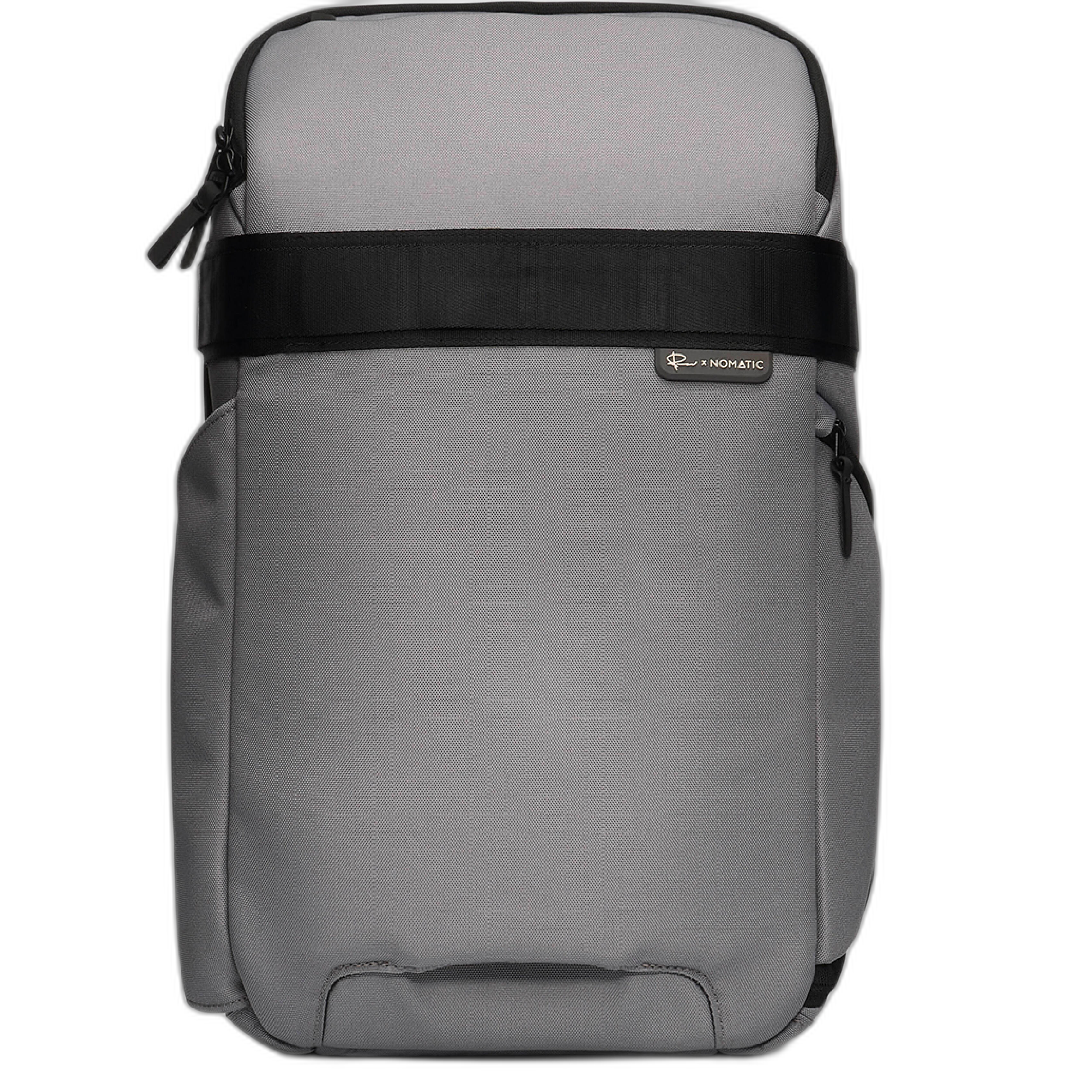
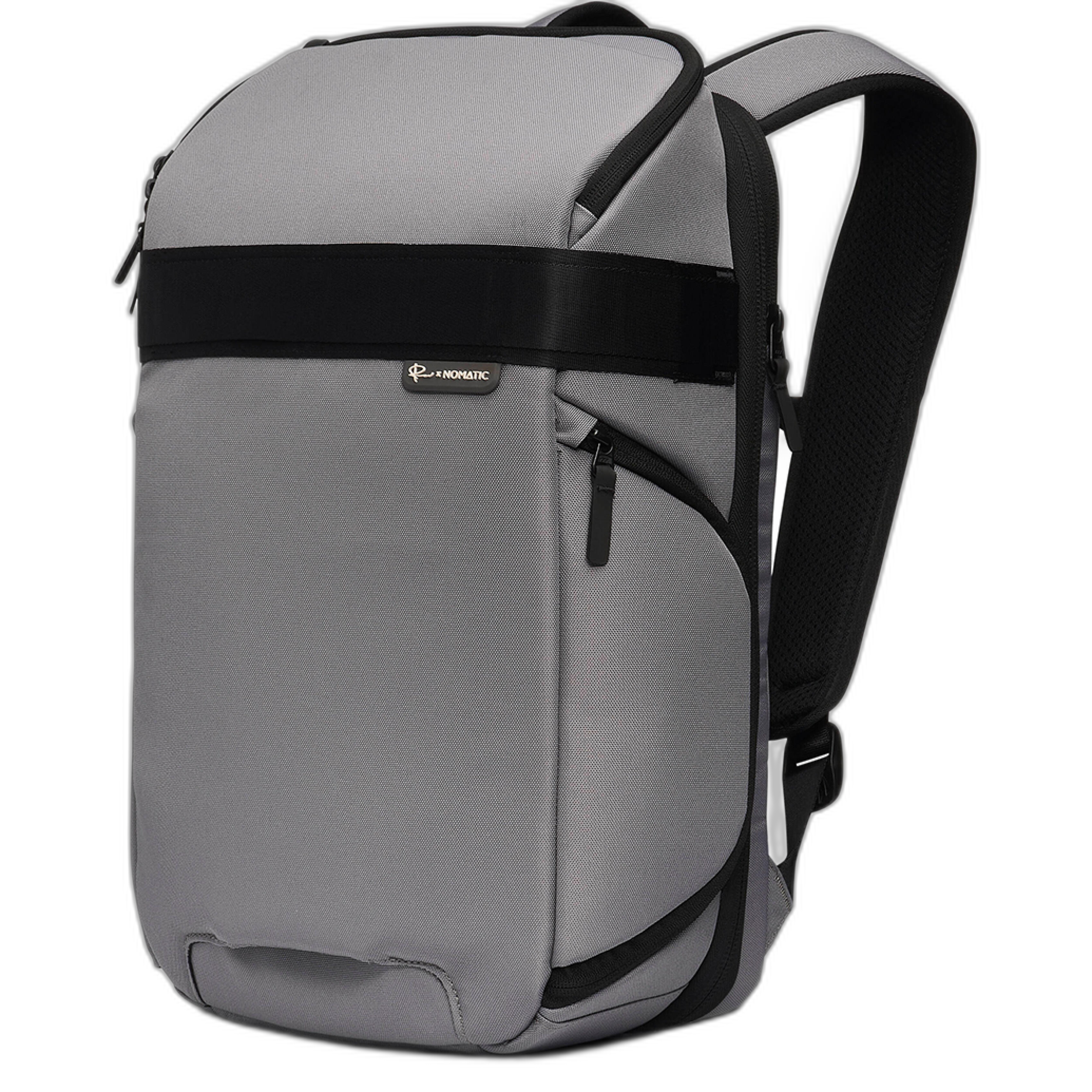
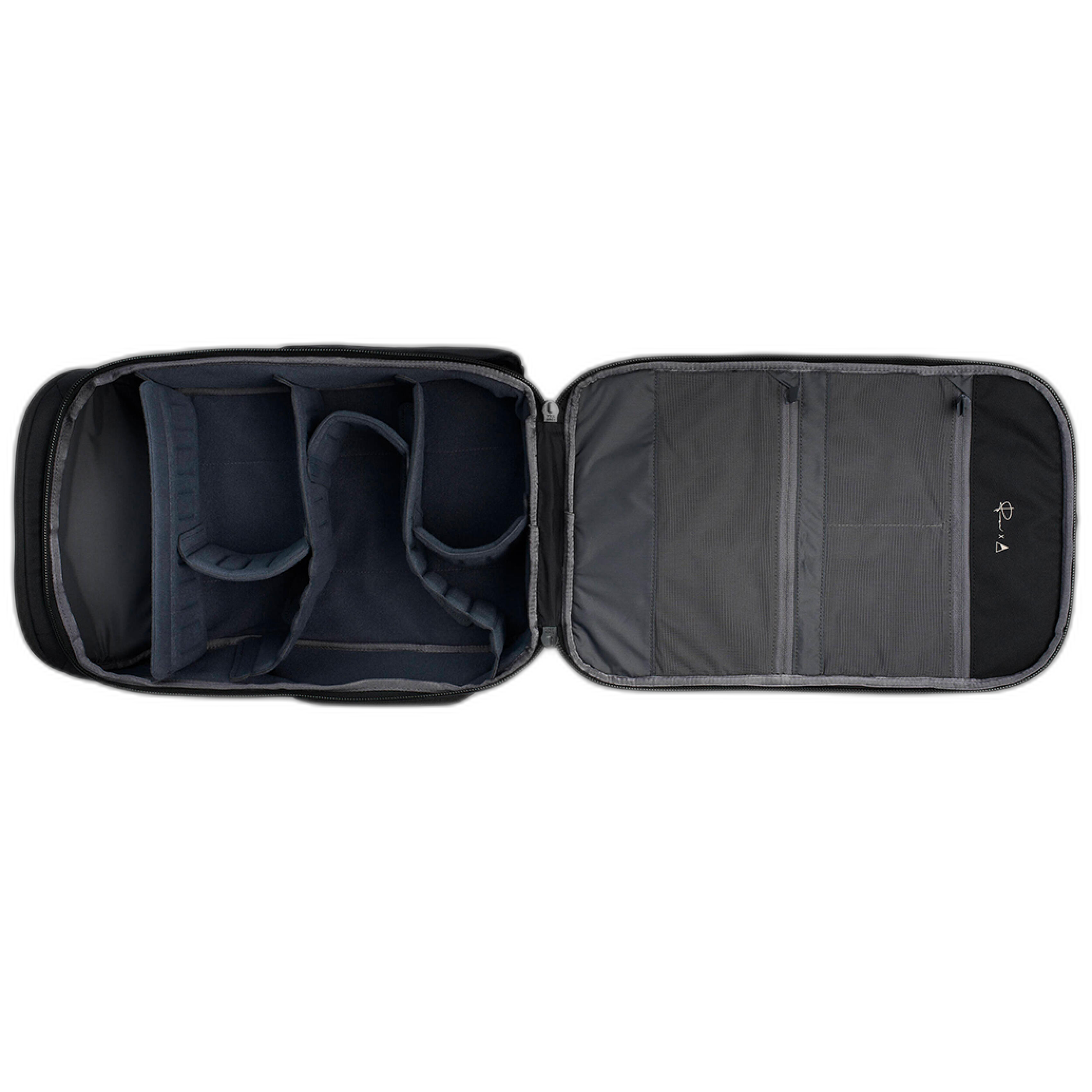
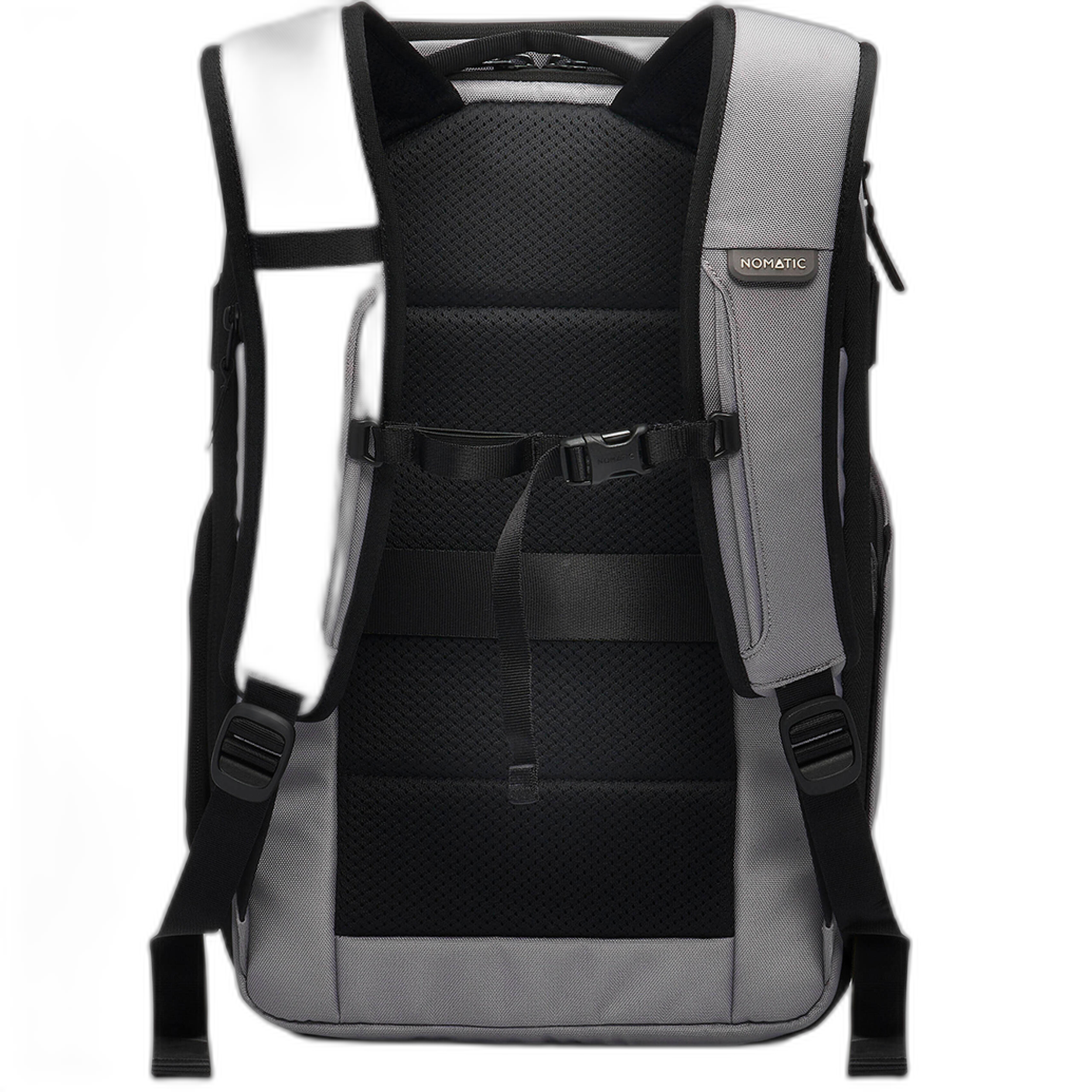
If your goal is to stay nimble through airports, markets, and long walking days, think honestly about whether you want a pocket camera or a small shoulder carry. A slim strap like the PGYTECH Camera Strap Slim - Vintage-Olive Green can make a compact camera more comfortable when you want quick access without a bulky bag. If you are bringing extras like batteries, chargers, and personal items, a compact travel bag such as the Nomatic Luma Camera Pack 18L - Stone can keep things organized without pushing you into full backpack territory.
2. Match image quality to the kind of photos you want to make
Street scenes, low light, and color all influence the right pick
Both the Fujifilm X100VI and Ricoh GR III can deliver image quality that clearly exceeds a phone in many situations, especially when light gets difficult or when you want more editing flexibility. The X100VI appeals to photographers who love Fujifilm color profiles, tactile controls, and a more classic shooting rhythm. The GR III is often favored by those who want sharp, clean files in an almost invisible camera.
A phone can absolutely be enough for casual travel memories, social sharing, and convenience. But if you enjoy printing your photos, recovering highlights and shadows in post, or shooting in dim restaurants, side streets, and nighttime city scenes, a dedicated compact camera still has real advantages. When your trip is about photography as much as the destination, that extra quality and control can be worth carrying.
3. Don't underestimate ergonomics
The best camera on paper may not be the one that feels best in hand
This is where the X100VI and GR III often split photographers. The Fujifilm X100VI tends to feel more satisfying for longer shooting sessions thanks to its external controls, viewfinder, and more traditional handling. The Ricoh GR III is minimal and incredibly convenient, but some photographers find it less comfortable for extended use, especially if they prefer a more secure grip.
Travel photography is often spontaneous. You may be shooting while walking, stepping into a train, or reacting quickly to changing light. A camera that feels intuitive can help you shoot more confidently. If comfort matters, consider how you'll carry it too. A lightweight strap like the PGYTECH Camera Strap Slim can improve the experience of carrying a compact camera all day, especially if you want it ready at chest level instead of buried in a bag.
4. Think about whether you want a camera that disappears or one that inspires
Small differences in design can change how often you shoot
The Ricoh GR III is excellent when you want to stay discreet. It draws little attention and is easy to keep with you at all times. That makes it a strong choice for candid street photography and minimalist travel. The Fujifilm X100VI, meanwhile, often inspires photographers to slow down and engage more intentionally with a scene. Its controls and viewfinder can make photography feel more immersive, which for some people is the whole point of bringing a dedicated camera.
There is no universal winner here. Some travelers want a camera that disappears into daily life. Others want one that makes them excited to wake up early for sunrise and wander until blue hour. Choose the one that fits your personality as much as your itinerary.
5. Build your travel kit around simplicity
A small support system makes any compact camera better on the road
- Keep carry minimal: A compact bag like the Nomatic Luma Camera Pack 18L - Stone is useful if you want room for a camera, accessories, and everyday essentials without overpacking.
- Use a comfortable strap: The PGYTECH Camera Strap Slim - Vintage-Olive Green suits lightweight travel setups and helps keep your camera accessible.
- Avoid gear creep: One compact camera, a spare battery, and a simple carry solution often beat a larger kit that stays in the hotel.
If your travel setup starts becoming complicated, you may be defeating the main reason to choose a compact camera in the first place.
6. Be honest about when a phone is enough
Convenience can outweigh technical advantages
Phones are always connected, easy to use, and increasingly capable in good light. If your priority is documenting a trip casually, posting quickly, and traveling as light as possible, your phone may genuinely be the best option. It is especially practical for family travel, business travel, or trips where photography is secondary.
But if photography is part of why you travel, a camera like the X100VI or GR III can make the experience more rewarding. The act of shooting becomes more intentional, and the files often offer more depth, texture, and flexibility. The right question is not whether a phone is good enough in general. It is whether it is good enough for your goals on this trip.
Conclusion
When choosing between the Fujifilm X100VI, Ricoh GR III, and your phone, the best answer comes down to how you balance portability, image quality, and shooting enjoyment. If you want true pocketability, the GR III is compelling. If you value a richer photographic experience and stronger ergonomics, the X100VI has clear appeal. And if convenience matters most, your phone might be all you need.
However you travel, a thoughtful carry setup can make a big difference, whether that means a slim strap or a compact bag that keeps your essentials ready. Explore travel-friendly camera accessories and more at Unique Photo, and build a kit that helps you shoot more and stress less on your next trip.