Why Low-Light Handheld Photography Is So Challenging
Getting sharp handheld photos in low light is one of the most common frustrations for photographers at every level. As shutter speeds drop, camera shake becomes more visible, autofocus can hesitate, and image quality often suffers as ISO climbs. The good news is that sharper low-light shots are absolutely possible without immediately jumping to a tripod-heavy workflow. What actually works is a combination of better technique, realistic gear choices, and understanding when stabilization, lens behavior, and camera handling matter most.
For photographers who want to improve their results quickly, a compact camera with solid stabilization and easy operation can be surprisingly capable, while an educational resource dedicated to night and low-light photography can help shorten the learning curve even further. At Unique Photo, two especially relevant options for this topic are the Canon PowerShot ELPH 360 HS and the Rocky Nook Enthusiast's Guide to Night and Low-Light Photography by Alan Hess.
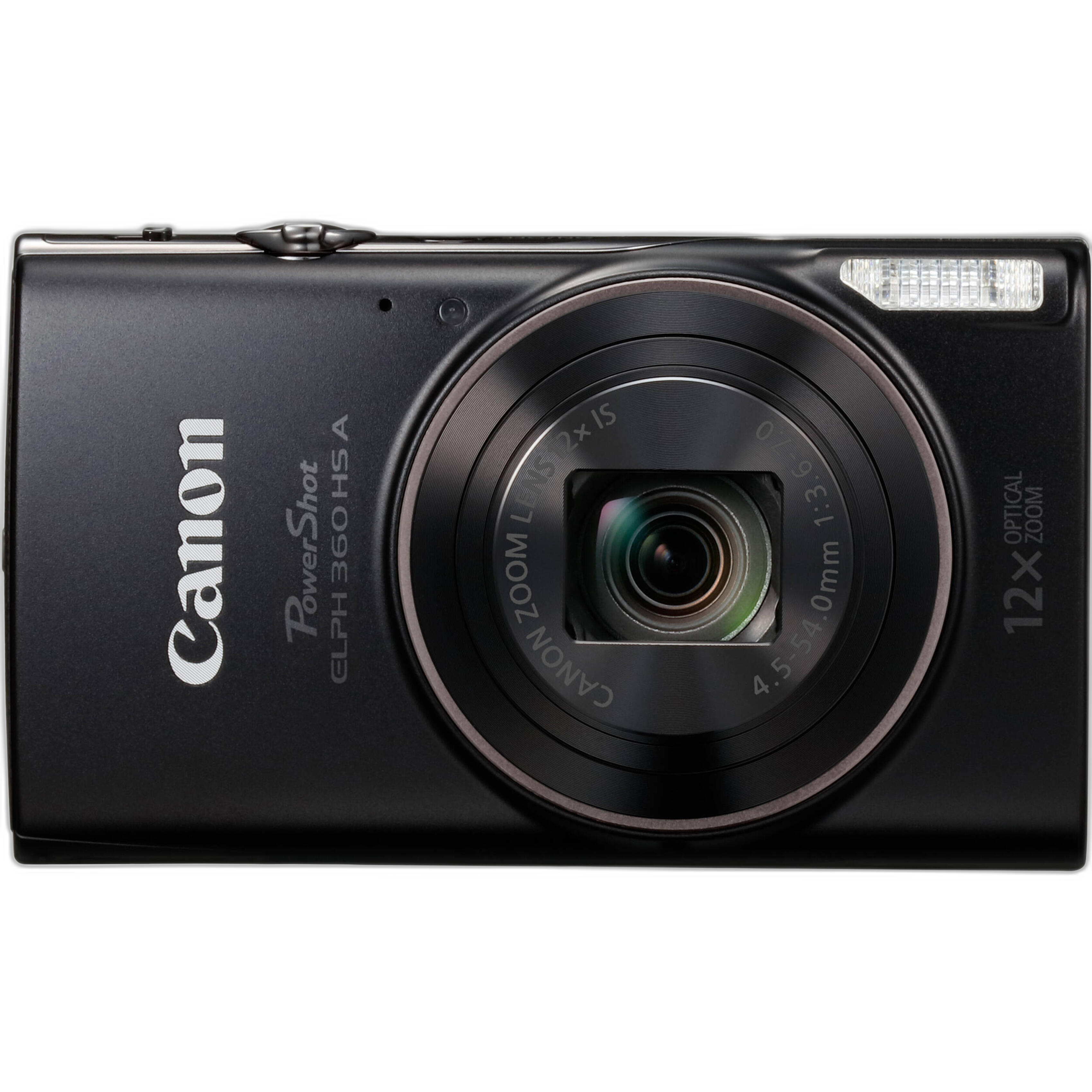
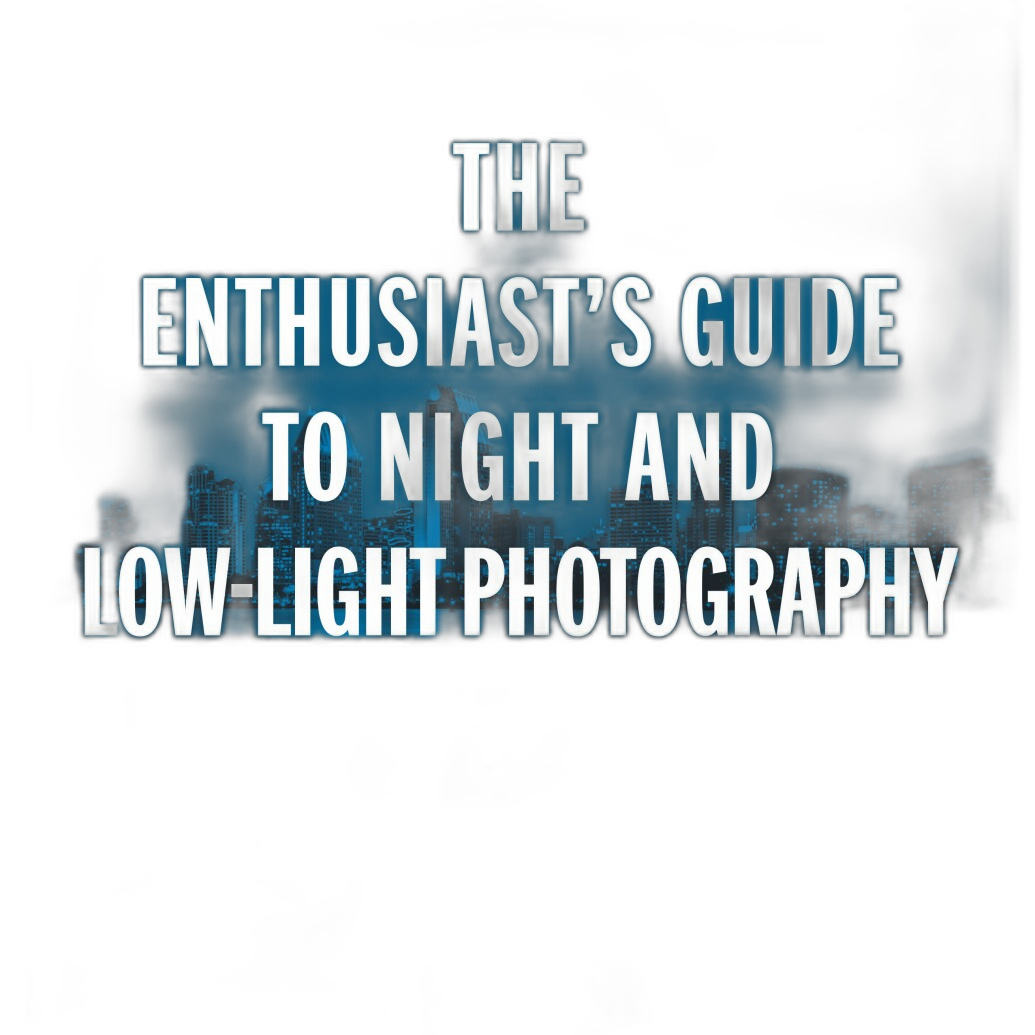
Rather than treating this as a generic tips article, it makes sense to review the tools and ideas that genuinely improve real-world handheld shooting. The Canon PowerShot ELPH 360 HS stands out here as a highly portable camera that encourages carrying a camera everywhere, which is half the battle in available-light photography. Meanwhile, Alan Hess's Rocky Nook guide serves as a practical companion for understanding exposure, movement, nighttime scenes, and low-light decision-making.
What Actually Works for Sharper Handheld Shots
1. Use a Faster Shutter Speed Than You Think You Need
The classic rule of thumb is to use a shutter speed at least as fast as the equivalent focal length, but in low light that rule is often too optimistic. High-resolution sensors, caffeine, fatigue, and awkward shooting angles all make motion blur easier to see. In practice, if you want reliably sharp handheld shots, it often helps to go one or two stops faster than the minimum you think is safe.
With a compact camera like the Canon PowerShot ELPH 360 HS, this means being aware of where you are in the zoom range. Wider angles are easier to hold steady; full telephoto makes camera shake far more obvious. If your image is soft, zooming out a bit and stepping closer can be more effective than simply hoping stabilization saves the shot.
2. Stabilization Helps, but It Is Not Magic
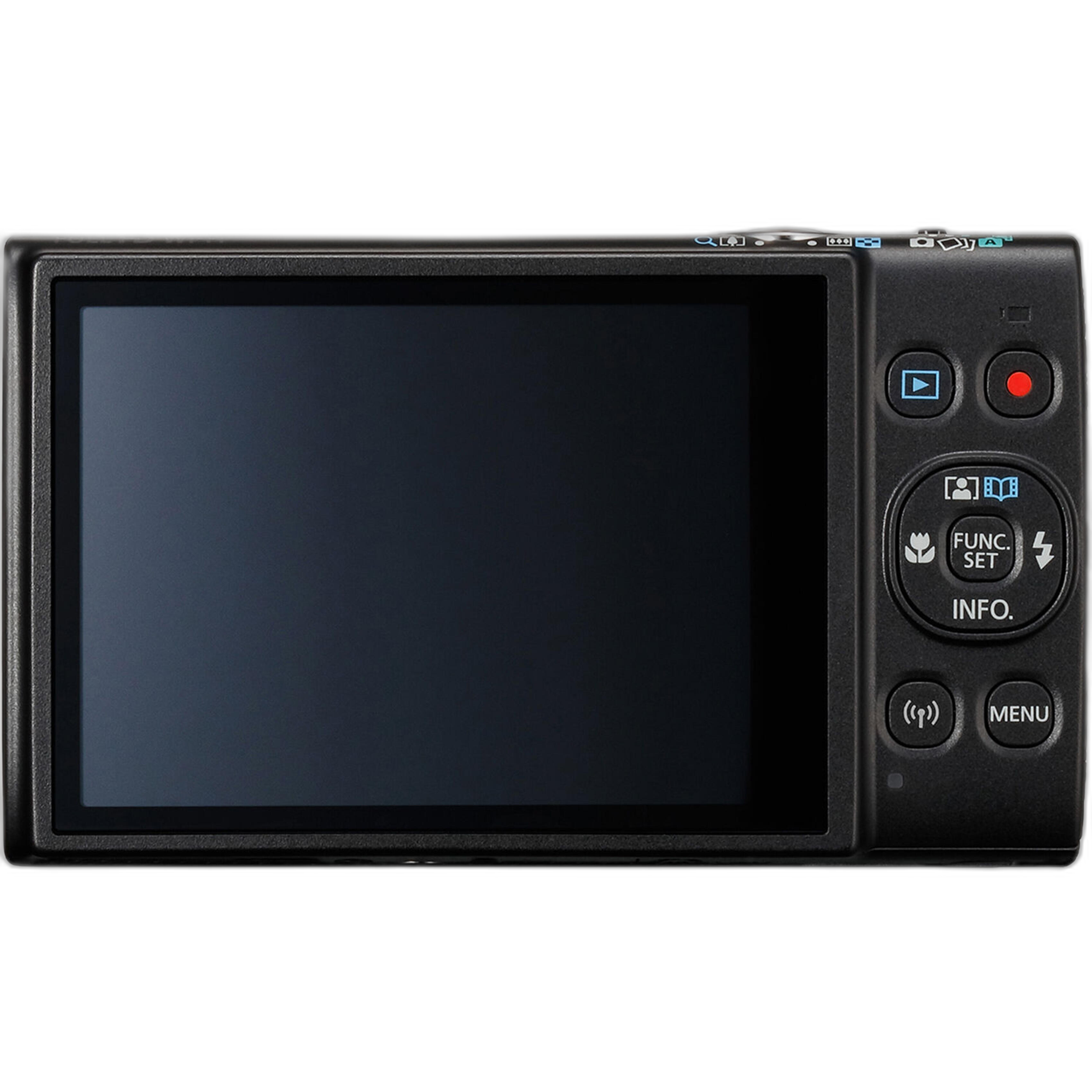
Optical image stabilization is one of the most useful handheld low-light features in any compact camera, and it is one reason the Canon PowerShot ELPH 360 HS remains appealing for casual travel, family, and walkaround use. Stabilization can reduce blur from your hands, but it cannot freeze a moving subject. That distinction matters. If your subject is standing still, stabilization can be incredibly effective. If they are dancing, walking, or turning their head, you still need enough shutter speed to stop that movement.
In other words, stabilization solves one problem, not all of them. For sharper results, pair stabilization with careful timing. Shoot at moments when your subject pauses briefly. Press the shutter gently. Fire short bursts if your camera allows it, because one frame is often sharper than the others.
3. Brace Your Body and Use the Environment
One of the cheapest and most overlooked upgrades is better handholding posture. Tuck your elbows in, control your breathing, and squeeze the shutter rather than stabbing at it. Lean against a wall, rest your forearms on a railing, or use a table edge for extra support. These small adjustments can easily buy you another stop of sharpness in real conditions.
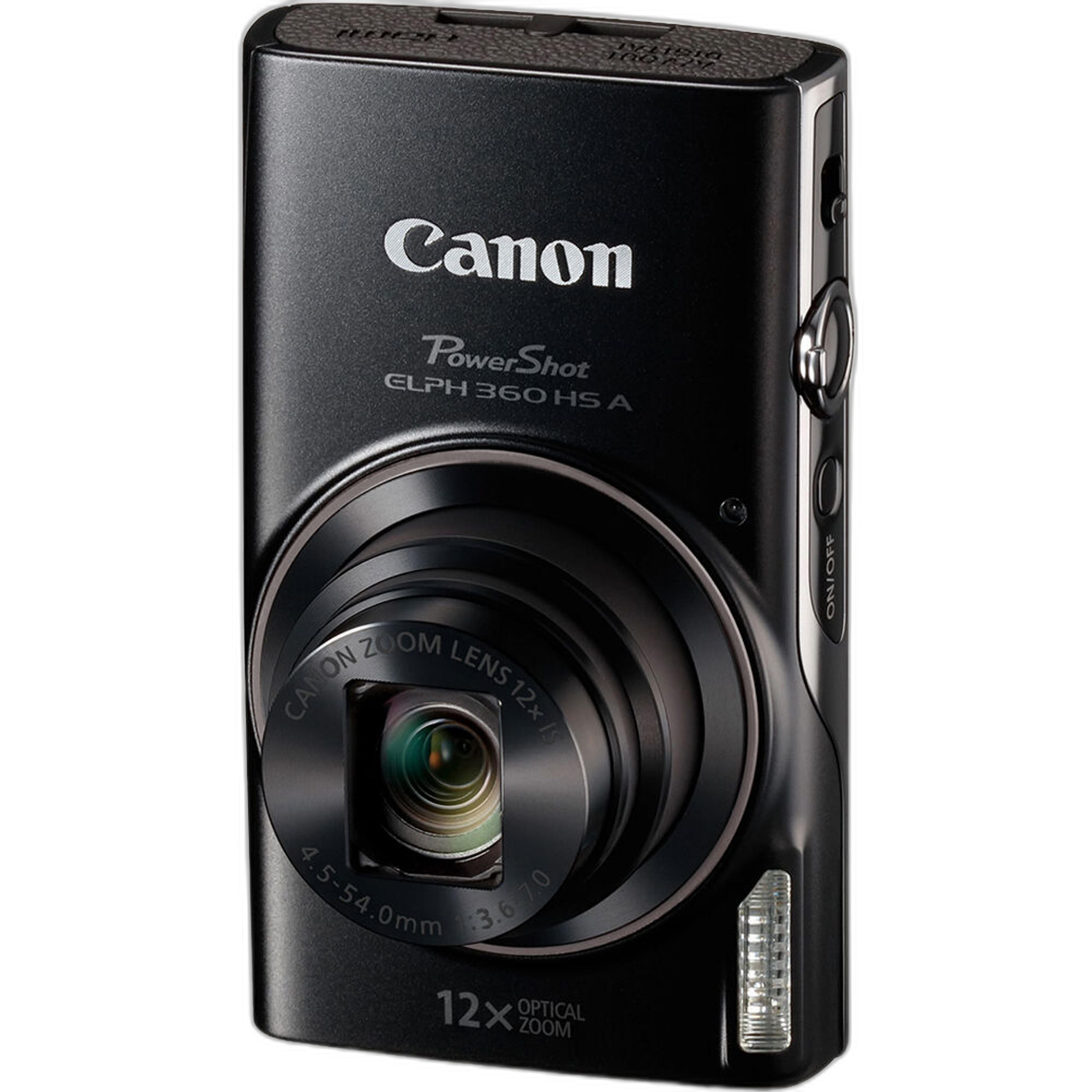
This is where compact cameras have an advantage: they are lightweight and easier to stabilize physically than larger interchangeable-lens setups. The ELPH 360 HS is the type of camera you can press close to your body and steady more naturally, especially for street scenes, travel moments, and indoor snapshots.
4. Don’t Fear ISO—Fear Blur More
Many photographers keep ISO too low in low light because they are worried about noise. But a noisy sharp image usually looks better than a clean blurry one. If the choice is between ISO 800 with a workable shutter speed and ISO 100 with motion blur, the higher ISO option is usually the keeper.
This is particularly important with small-sensor cameras. They do have limits in very dark scenes, but they can still produce pleasing, sharp images when used intelligently. Accepting some grain in exchange for detail is often the right tradeoff. Noise reduction software can help later; missed focus and blur are harder to fix convincingly.
5. Shoot Wide When Light Gets Bad
At wider focal lengths, camera shake is less obvious, maximum aperture behavior is often friendlier, and composition can feel more immersive in nighttime environments. If your images keep getting soft at the long end of a zoom, the simplest fix may be to zoom out. This is practical advice, not glamorous advice, but it works.
The Canon PowerShot ELPH 360 HS is best thought of as a camera that rewards smart use of its compact zoom rather than constant reliance on telephoto in dark conditions. For city scenes, restaurant interiors, and evening travel shots, staying wider generally improves your odds.
6. Learn the Patterns of Low-Light Exposure
Technique matters, but understanding exposure matters just as much. This is where the Rocky Nook Enthusiast's Guide to Night and Low-Light Photography by Alan Hess becomes genuinely useful. Rather than trying to learn low-light photography only through trial and error, a focused educational guide can explain why some scenes fool meters, why highlights blow out at night, and how to balance shutter speed, aperture, and ISO more intentionally.
For photographers who are serious about improving, this book is a strong supplement to hands-on practice. It is especially valuable because low-light shooting tends to produce inconsistent results unless you understand what the camera is doing and why.
Product Review: Canon PowerShot ELPH 360 HS for Low-Light Handheld Shooting
The Canon PowerShot ELPH 360 HS is not a niche low-light monster, but that is also not the point. Its strength is accessibility. This is a compact point-and-shoot camera built for convenience, portability, and everyday carry. And in low light, having a camera with you and ready to shoot often matters more than owning a larger camera left at home.
For handheld low-light work, its biggest appeal is the combination of compact size, stabilized lens, and ease of use. It is the kind of camera that makes spontaneous shooting possible, whether you are documenting a night out, capturing travel scenes after sunset, or taking indoor family photos where flash would ruin the mood.
Portability and Real-World Usability
Large cameras can deliver better technical image quality, but they are also less likely to be in your pocket when the moment happens. The ELPH 360 HS wins on convenience. It is easy to bring anywhere, quick to power on, and unintimidating in public. That matters for candid low-light photography, where natural moments disappear fast.
Stabilization and Handheld Advantage
In practical use, stabilization is the ELPH 360 HS feature that most directly contributes to sharper handheld images. It helps offset small hand movements and makes slower shutter speeds more realistic for static subjects. For city lights, museum interiors, and quiet street scenes, that can make a noticeable difference.
Limits to Keep in Mind
This is still a compact camera, so expectations should stay realistic. In very dim environments, autofocus speed, subject motion, and sensor noise can still become limiting factors. If your subject moves quickly or the room is extremely dark, you may need multiple attempts or a different shooting strategy. But within its class, the ELPH 360 HS remains a practical option for photographers who prioritize portability and simplicity.
Product Review: Rocky Nook Enthusiast's Guide to Night and Low-Light Photography
Photography books are easy to overlook in a gear-driven market, but this one is actually a smart recommendation for anyone struggling with low-light consistency. Alan Hess's Enthusiast's Guide to Night and Low-Light Photography is well-positioned for photographers who want actionable advice without drowning in overly technical theory.
Why It Matters
Low-light photography is full of tradeoffs. Knowing how to meter difficult scenes, control blur, manage mixed lighting, and decide when to embrace noise versus when to add support can improve results far more than random gear upgrades. A dedicated guide like this helps photographers build that judgment.
Best For
This book is best for beginners and intermediate shooters who want a clearer framework for nighttime and low-light shooting. It complements a compact camera like the ELPH 360 HS especially well, because learning stronger technique helps you get more out of modest gear.
Pros and Cons
Canon PowerShot ELPH 360 HS
- Pros: Extremely portable, easy to carry daily, optical stabilization helps with handheld shooting, approachable for beginners, discreet for candid travel and street use.
- Cons: Limited by compact-camera sensor performance in very dark scenes, telephoto use is harder to keep sharp in low light, moving subjects can still blur easily.
Rocky Nook Enthusiast's Guide to Night and Low-Light Photography
- Pros: Focused specifically on low-light challenges, useful educational value, helps improve results regardless of camera system, strong companion purchase for learners.
- Cons: It is a learning resource rather than a gear solution, photographers looking only for quick fixes may need hands-on practice to fully benefit.
Verdict
If you want sharper handheld shots in low light, what actually works is not one miracle setting or one expensive purchase. The real answer is a mix of better shutter-speed discipline, smarter use of stabilization, stronger handholding technique, and realistic ISO choices. Gear can help, but only when paired with good habits.
Among the products featured here, the Canon PowerShot ELPH 360 HS is the more practical hardware pick for everyday low-light handheld photography because it is compact, stabilized, and easy to keep with you. The Rocky Nook low-light photography guide is the best educational add-on for photographers who want to improve their keeper rate and understand why certain techniques work.
For shoppers looking to build a more successful low-light workflow, buying both can make a lot of sense: the camera for immediate portability and the book for lasting improvement. You can find them at Unique Photo, a reliable destination for cameras, photography books, and expert advice.
Recommendation
Buy the Canon PowerShot ELPH 360 HS if you want a small, simple camera that gives you a better chance of getting sharp handheld images in everyday low-light situations. Add the Rocky Nook guide if you want to move beyond guesswork and start understanding low-light photography in a more deliberate way. For photographers who value convenience, learning, and realistic improvement, this combination is easy to recommend from Unique Photo.