Introduction: Choosing the Right Travel Camera in 2024
Travel photography is all about balancing image quality, portability, durability, and versatility. In 2024, the best travel cameras are no longer defined only by megapixels or brand prestige—they are defined by how easily they fit into real trips. Whether you are navigating crowded city streets, hiking to scenic overlooks, documenting family vacations, or building a professional travel portfolio, the ideal camera should be lightweight enough to carry all day, capable in changing light, and flexible enough to handle landscapes, street scenes, portraits, and even occasional video.
Rather than focusing on a single model, this review looks at what makes a camera truly travel-ready and what kinds of systems photographers should prioritize this year. For many travelers, compact mirrorless bodies lead the conversation thanks to their smaller size, strong autofocus, and excellent image quality. Lens selection matters just as much, and wide-angle options remain especially valuable for cityscapes, architecture, interiors, and sweeping landscapes.

If you are shopping for travel photography gear, Unique Photo is an excellent place to buy cameras, lenses, accessories, and educational resources that can help you get more from your setup before your next trip.
What Makes a Great Travel Camera?
Portability Without Compromising Quality
A travel camera needs to be easy to carry from morning to night. Full-frame systems still offer excellent image quality and dynamic range, but many travelers now lean toward compact full-frame mirrorless bodies or advanced APS-C options because they reduce fatigue and fit more easily into smaller bags. Weight savings become especially important when flying, walking long distances, or packing multiple lenses.
Reliable Autofocus and Fast Operation
Travel rarely gives you perfect conditions. Great travel cameras should lock focus quickly, track moving people, and start up fast enough to capture fleeting moments. Street scenes, markets, transportation hubs, and changing weather all reward responsive autofocus and dependable exposure performance.
Strong Battery Life and Weather Resistance
Battery life matters when you are out all day without easy charging access. Weather sealing is also a major advantage for travelers encountering dust, mist, heat, cold, or light rain. A camera that can keep working through uncertain conditions adds real confidence on the road.
Lens Ecosystem and System Flexibility
One of the best indicators of a good travel camera is the strength of the lens lineup behind it. For travel photography, a lightweight zoom, a compact prime, and a sharp ultra-wide lens often make the ideal kit. Sony, Canon, Nikon, Fujifilm, and OM System all offer strong options depending on your priorities.
Best Travel Camera Types to Consider in 2024
Compact Full-Frame Mirrorless Cameras
For travelers who want premium image quality, impressive low-light performance, and broad dynamic range, compact full-frame mirrorless cameras remain some of the best choices in 2024. These are excellent for photographers who shoot everything from sunrise landscapes to evening street scenes. They pair especially well with lightweight primes and compact wide-angle lenses.
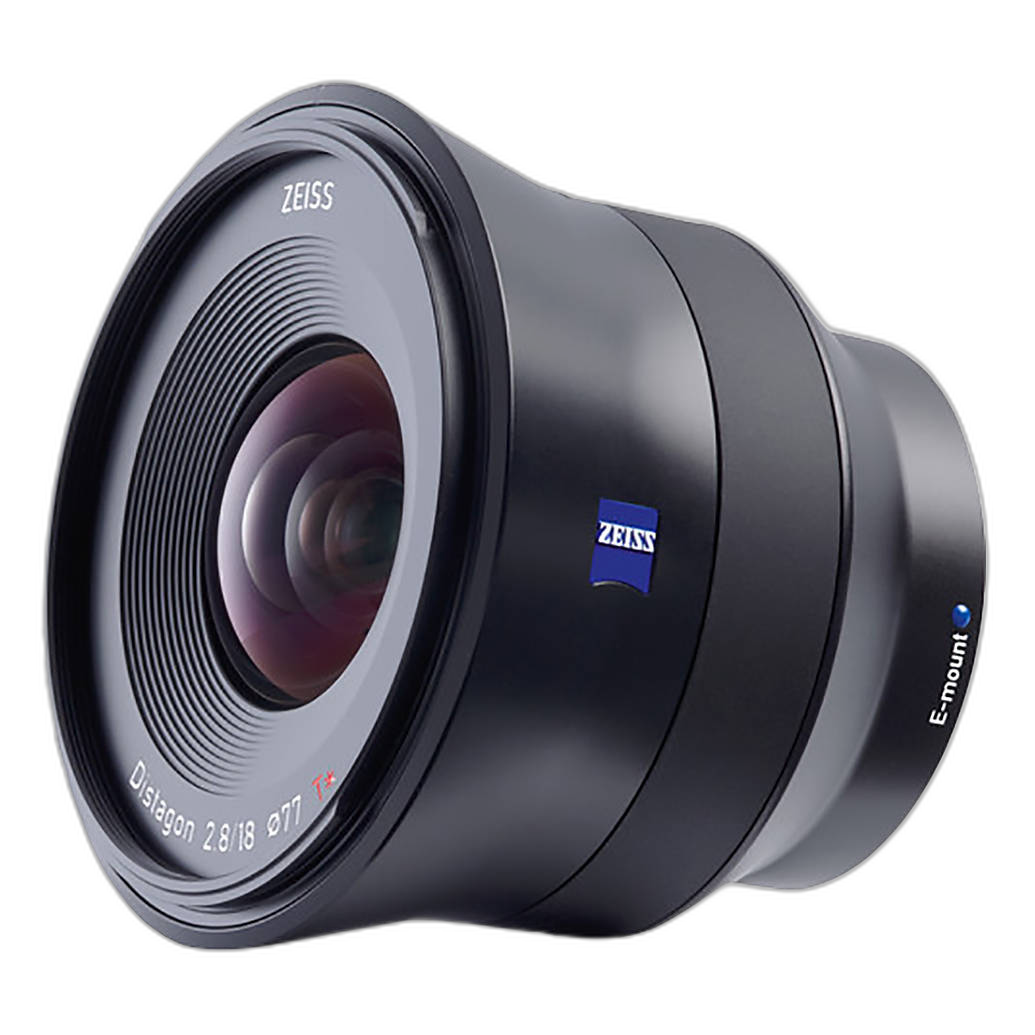
A great example of the kind of lens that suits this style of travel photography is the Zeiss Batis 18mm f/2.8 for Sony E-mount. While this article focuses on cameras, lenses like this help define how effective a travel setup can be in real use.
APS-C Mirrorless Cameras
APS-C cameras continue to be some of the smartest travel buys in 2024. They typically deliver an excellent balance of image quality, smaller body size, lower system weight, and lower total cost. For photographers who want to pack light without giving up interchangeable lenses, APS-C remains one of the most practical formats available.
These cameras are ideal for city breaks, international travel, and casual adventure work. They are often easier to carry discreetly, making them especially useful for candid and documentary-style travel imagery.
Micro Four Thirds Cameras
For travelers who value the lightest possible kit, Micro Four Thirds still deserves serious consideration. Bodies and lenses are often extremely compact, and the system can be excellent for hiking, outdoor travel, and long days on foot. While sensor size is smaller, many current models offer outstanding stabilization and strong feature sets.
Premium Fixed-Lens Cameras
Not every traveler needs a full interchangeable-lens system. Premium fixed-lens cameras can be ideal for those who prioritize simplicity, minimal weight, and fast access. They are especially attractive for travel journalists, casual travelers, and street photographers who want to stay unobtrusive.
Why Wide-Angle Capability Matters for Travel
Landscapes, Architecture, and Environmental Storytelling
Many of the most memorable travel images happen at the wide end: mountain overlooks, cathedral interiors, narrow streets, dramatic coastlines, and layered city skylines. A good travel camera becomes much more capable when paired with a sharp ultra-wide lens.
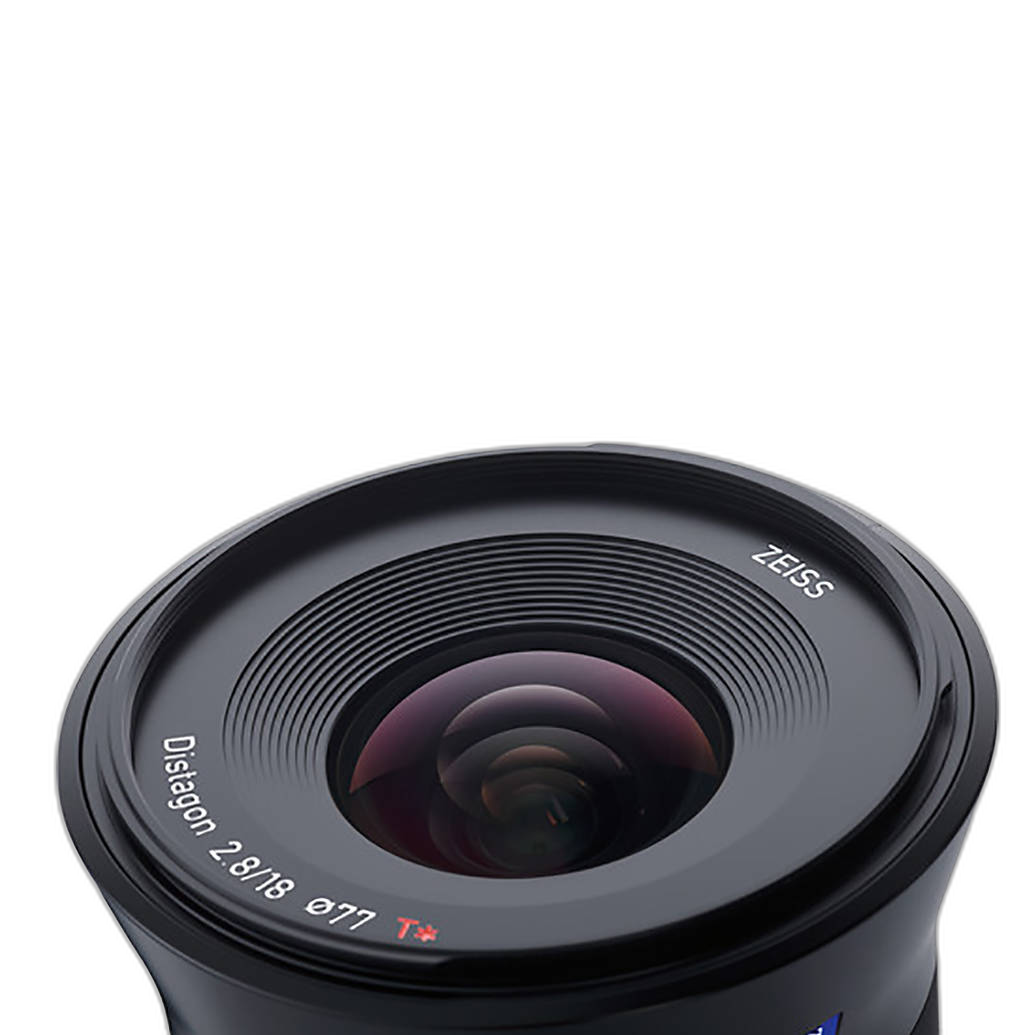
The Zeiss Batis 18mm f/2.8 is a strong example of a travel-friendly lens choice for Sony full-frame users. It offers a field of view that is highly useful for architecture, landscapes, and immersive environmental portraits. For travelers building a Sony kit, this kind of lens can transform a compact body into a highly capable visual storytelling tool.
Sharpness and Portability in the Real World
Travel gear must perform outside the studio. A lens suitable for travel should be sharp across the frame, durable enough for repeated use, and compact enough that you will actually bring it with you. Ultra-wide lenses are especially useful when you cannot physically step farther back, which is a common issue in travel settings.
Travel Photography Is Also About Learning the Craft
Inspiration and Field Education
The best camera for travel photography is only part of the equation. Photographers who improve their seeing, planning, and editing often get more meaningful results than those who simply buy more gear. Educational events and workshops can be especially valuable for travel photographers who want to build stronger storytelling habits and better understand light, location, and composition.
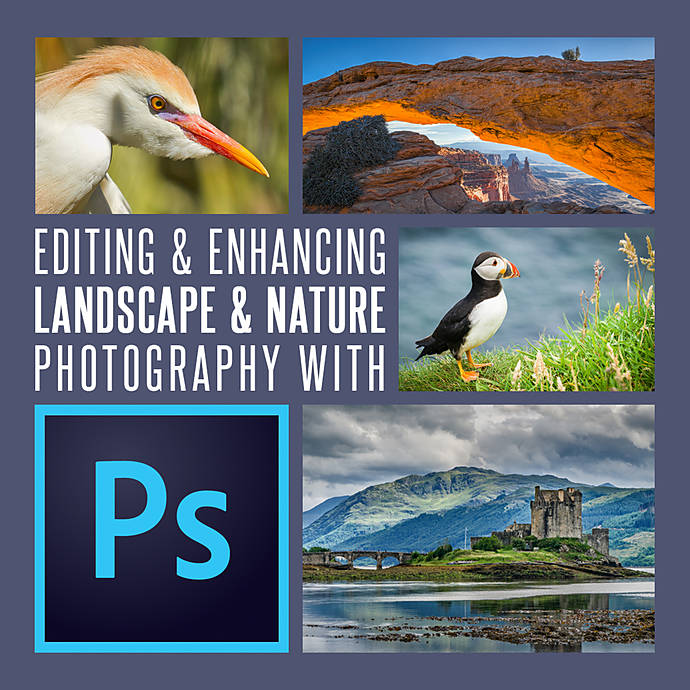
Unique Photo offers photography learning opportunities that can inspire travelers and image-makers alike. Programs such as travel-themed talks and workshops can help photographers refine how they approach life on the road.

Landscape Skills Still Matter for Travel Shooters
Travel photography often overlaps with landscape photography, especially for those visiting parks, coastlines, mountains, and rural regions. Understanding composition, foreground use, weather timing, and post-processing can elevate a travel portfolio significantly.

For photographers interested in strengthening these skills, educational resources available through Unique Photo can complement a new camera purchase and help you make more of every destination.
Pros and Cons of Today’s Best Travel Camera Approaches
Pros
- Modern mirrorless cameras deliver excellent image quality in smaller bodies than traditional DSLRs.
- Advanced autofocus makes it easier to capture candid travel moments and moving subjects.
- Compact lens ecosystems make it possible to build flexible kits for landscapes, street scenes, and portraits.
- Improved in-body stabilization helps in low light and reduces the need for heavy support gear.
- Full-frame and APS-C options now cover a wide range of budgets and travel styles.
Cons
- Premium travel camera systems can still be expensive, especially once lenses are added.
- Battery life on some mirrorless cameras may require carrying spares.
- Full-frame image quality often comes with larger and pricier lenses.
- Weather sealing varies by model and may not be consistent across an entire system.
- Choosing the wrong lens can make even a great travel camera feel limiting.
Who Should Buy What?
For Enthusiast Travelers
If you want strong image quality and flexibility without carrying too much, APS-C mirrorless systems are often the best starting point. They are ideal for travelers who want to shoot a bit of everything and still pack efficiently.
For Serious Landscape and Low-Light Shooters
If your travel photography leans toward dawn landscapes, interiors, night scenes, and large prints, a compact full-frame mirrorless body paired with a lens such as an 18mm ultra-wide can be a superb setup.
For Minimalist Travelers
If convenience matters most, consider premium compact or fixed-lens cameras. These reduce decision fatigue, save space, and can be ideal for travelers who prioritize enjoyment and portability over system expansion.
Verdict: The Best Travel Camera in 2024 Depends on How You Travel
There is no single best travel camera for everyone in 2024. The best choice depends on whether you value ultimate image quality, the lightest possible kit, interchangeable-lens flexibility, or a simpler carry-everywhere experience. For most photographers, the sweet spot is a modern mirrorless camera with strong autofocus, dependable battery performance, and access to compact wide-angle and standard zoom lenses.
Travel photographers who prioritize versatility should focus on systems with a proven lens lineup and manageable size. Sony full-frame users, for example, can build a very compelling travel kit around compact bodies and capable wide-angle glass like the Zeiss Batis 18mm f/2.8. At the same time, APS-C and Micro Four Thirds shooters still have excellent reasons to stay smaller and lighter.
Ultimately, the best travel camera is the one you will gladly carry every day and trust in changing conditions. If you are ready to build or upgrade your travel photography kit, Unique Photo is a smart place to buy cameras, lenses, and photography education that can help you travel better and shoot with more confidence.