Themed photography competitions can be exciting, challenging, and incredibly rewarding. The best entries do more than match the prompt—they interpret it with intention, personality, and technical confidence. Whether the theme is travel, nature, portraiture, night skies, or something more abstract, the goal is to create an image that feels memorable at first glance and even stronger on a second look. These tips will help you build a competition-ready approach while sharpening the creative and technical skills that make your work stand out.
Start by Interpreting the Theme Creatively
1. Look beyond the obvious
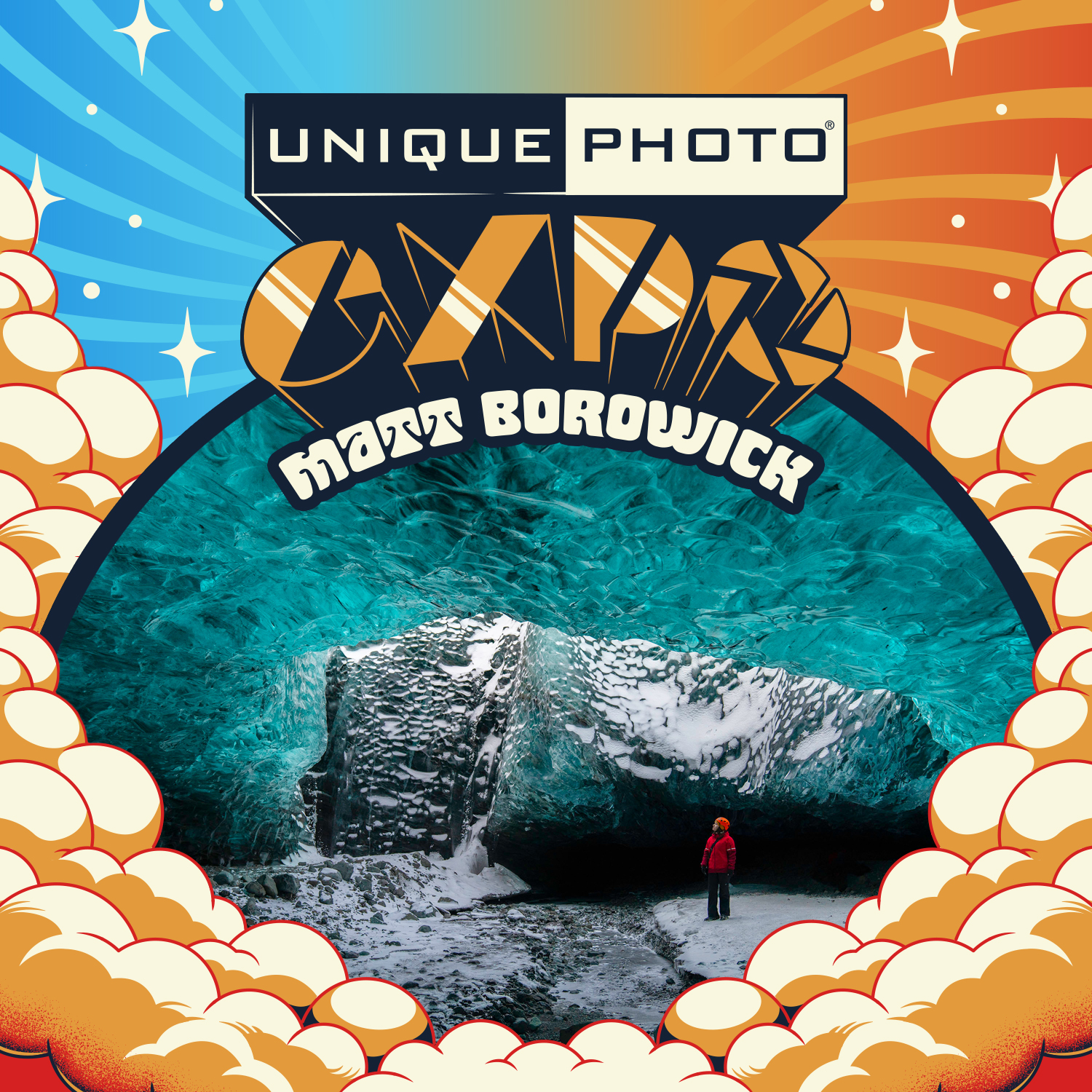
Judges often see plenty of literal takes on a theme, so one of the best ways to separate your work is to think a layer deeper. If the theme is “journey,” for example, you might photograph a road, but you could also explore emotion, change, distance, or memory. Building a stronger storytelling mindset can help here, and learning from a presentation like EXPO: Stories from the Road - Photography Across Worlds w. Matthew Borowick can inspire ways to turn a theme into a visual narrative instead of just a direct illustration.
Before you shoot, write down three possible interpretations of the theme: the literal meaning, a symbolic meaning, and a personal meaning. That quick exercise often leads to fresher concepts.
Build a Strong Concept Before You Pick Up the Camera
2. Make the idea do the heavy lifting
A polished image matters, but competitions are often won by photographs with a clear point of view. Sketch your frame, identify the emotion you want the viewer to feel, and think about what details support the idea. If your competition theme involves still life, design, or crafted visual symbolism, techniques from Product Photography and Post Production Editing with Blake Taylor can be surprisingly useful for controlling every element in the frame.

When every object, color, gesture, or shadow supports the theme, your final image feels intentional—and intentional images tend to stand out.
Use Light to Direct Attention
3. Shape the mood, not just the exposure
Lighting can be the difference between a good submission and a compelling one. Soft light may create intimacy, while harder directional light can add tension, drama, or graphic impact. If portrait or conceptual themes are part of your competition plan, understanding how to control contrast and highlight placement is essential. Understanding Light Modifiers with John Ricard and Models is a great example of the kind of training that helps photographers use light with purpose instead of guesswork.

- Use rim light to separate your subject from the background.
- Use grids or flags to keep the viewer focused on the key subject.
- Match the light quality to the theme’s emotional tone.
In competitions, controlled lighting often reads as confidence.
Know Your Camera Well Enough to Work Quickly
4. Technical hesitation can cost you the shot
If you are still searching menus or second-guessing autofocus settings, you are spending energy that should be going into composition and timing. Themed competitions often reward moments that feel immediate and precise, so being fluent with your gear matters. Resources like Understanding Your Sony Mirrorless Camera: Intermediate (Sony) or camera-specific references such as the Nikon D850 Guide to Digital SLR Photography by David Busch can help photographers get more consistent results and use advanced features more effectively.

The less you think about settings, the more attention you can give to the story inside the frame.
Find a Fresh Perspective on Familiar Subjects
5. Change your angle, distance, or scale
Many themed contests include subjects that are photographed often—flowers, landscapes, portraits, architecture, streets, or night skies. To stand out, avoid the default eye-level composition. Get lower, go tighter, include foreground elements, or isolate one detail that says more than a wide scene. Workshops like Macro and Landscape Photography at Duke Farms with Michael Downey are excellent reminders that perspective and lens choice can completely transform a common subject into something competition-worthy.

Ask yourself: what version of this scene does everyone expect to see—and what version have they probably not seen yet?
Lean Into Storytelling
6. Give the viewer something to discover
A standout competition image often reveals more over time. That can come from layered composition, gesture, symbolism, timing, or contrast between subjects and setting. If your theme invites documentary, travel, or human-centered work, storytelling becomes even more important. Presentations like EXPO: Stories from the Road - Photography Across Worlds w. Matthew Borowick can help photographers think about how a single image can suggest a much larger experience.

Strong storytelling images make judges pause, and that pause is valuable.
Use Editing to Refine, Not Rescue
7. Polish your submission with restraint
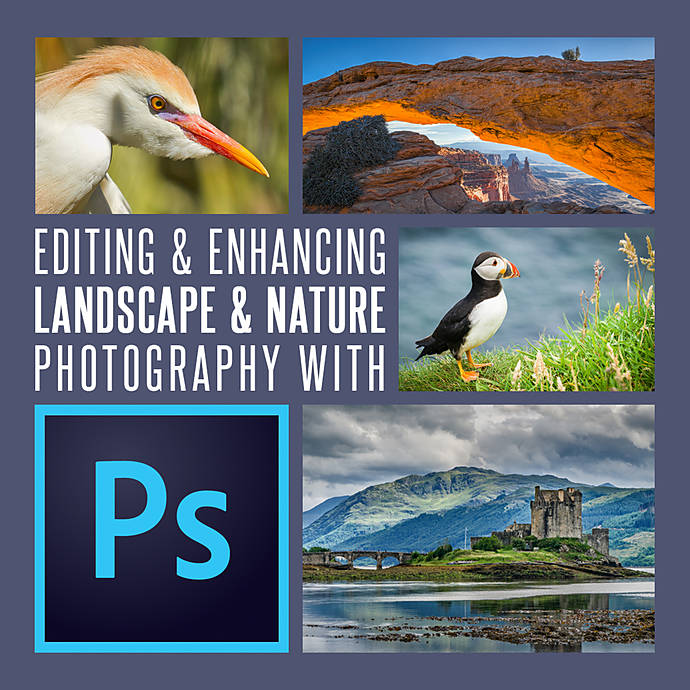
Post-processing should strengthen your concept, guide the eye, and support the mood of the theme. Clean tonal control, thoughtful color grading, and subtle local adjustments can make your image feel finished without looking overworked. For nature and scenic themes especially, Editing and Enhancing Landscape and Nature Photography with Photoshop offers the kind of workflow insight that helps images look refined and competition-ready.
- Burn distracting bright spots near the edges.
- Use color selectively to emphasize the theme.
- Sharpen for the final output size, not just for your screen.
The strongest edits usually feel invisible—they simply make the image read more clearly.
Match Technique to the Theme
8. Let specialized skills become your edge
Sometimes a competition theme naturally favors a certain technique. A night or wonder-themed contest may reward dramatic sky work, while a minimalist theme might benefit from careful studio control. If astrophotography fits the brief, sharpening your process with UUOnline: Astrophotography 4-Part Series with Temu Nana (Session 2) could help you create cleaner, more impactful night images that stand out from casual attempts.

When your execution matches the ambition of your concept, your image feels far more competitive.
Edit Your Final Selection Ruthlessly
9. Submit the image that communicates fastest and strongest
Photographers often choose images based on effort or personal attachment, but competition judges respond to impact. Narrow your finalists and compare them side by side. Which one reads most clearly as the theme? Which one has the strongest composition? Which one would make a stranger stop scrolling? Consider getting feedback from other photographers or instructors before submitting.
If you have multiple strong images, choose the one with the cleanest visual hierarchy and the clearest emotional hook. In competitions, clarity beats complexity when complexity does not serve the idea.
Respect the Rules and Presentation Details
10. Small technical mistakes can undermine great work
Always review crop requirements, file size limits, color space instructions, and any restrictions on compositing or heavy retouching. A fantastic image can lose impact if it is poorly prepared for submission. Make sure horizons are straight, dust spots are removed, borders are intentional, and the title supports the image rather than explaining it away.

Professional presentation signals that you care about the details—and judges notice that.
Conclusion
Standing out in a themed photography competition is about more than following the prompt. It is about interpreting the idea creatively, executing it with purpose, and presenting a final image that feels both personal and polished. With thoughtful practice, strong editing, and a willingness to push beyond obvious solutions, you can create entries that leave a lasting impression. For photographers looking to build those skills, Unique Photo offers classes, guides, and educational experiences that can help turn a good concept into a standout submission.