Photo contests can be exciting, motivating, and a little intimidating. Often, the difference between an image that gets overlooked and one that makes judges pause is not just technical quality—it’s how clearly and creatively the photograph answers the theme. If you want stronger entries, focus on interpretation, storytelling, and clean execution. The tips below can help you build images that feel intentional, memorable, and contest-ready.
Start by Interpreting the Theme Beyond the Obvious
1. Brainstorm literal, emotional, and symbolic meanings
Judges usually see plenty of obvious interpretations. If the contest theme is something like “motion,” a runner crossing the finish line may fit—but so can wind-blown curtains, a blurred subway platform, or even a quiet portrait that suggests life in transition. Before shooting, make a list of direct and indirect meanings of the theme and challenge yourself to build images from the less expected ideas.
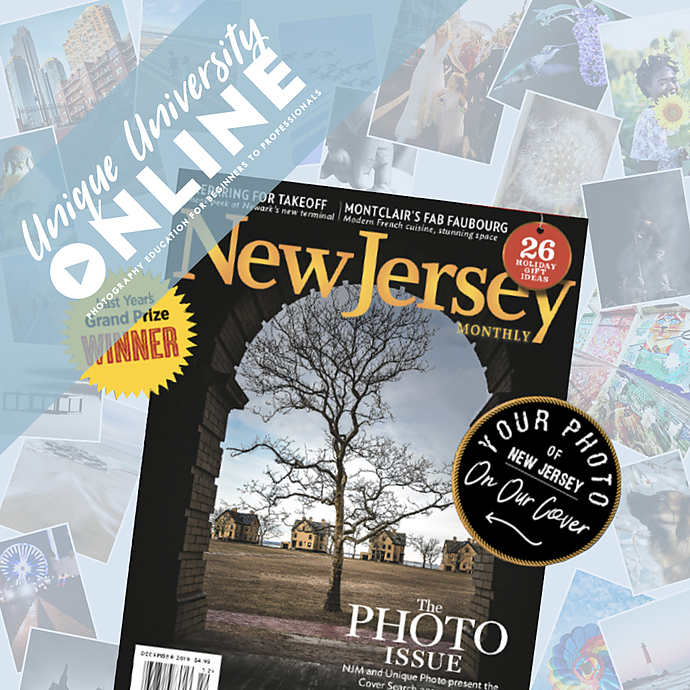
Looking at how winning images are discussed can sharpen your instincts. An event like UUOnline (Free): NJ Monthly 2020 Cover Search Contest Winners Reveal can be a useful reminder that standout contest work often combines theme relevance with a fresh point of view.
Build a Clear Story in a Single Frame
2. Give the viewer a beginning, middle, and end
Strong contest photos often suggest a larger story. Ask yourself: what happened just before this moment, what is happening now, and what might happen next? Gesture, expression, background details, and timing all contribute to that feeling.
If you’re photographing portraits or editorial-style scenes, simplify the frame so every element supports the narrative. A compelling story is easier for judges to connect with than a technically good image that feels emotionally vague.
3. Use supporting details without cluttering the composition
A prop, reflection, shadow, or environmental detail can reinforce your interpretation of the theme. The key is restraint. Judges notice when every element in the frame feels intentional. Remove distractions, watch your edges, and make sure the subject remains unmistakable.
Make Your Technical Choices Support the Theme
4. Choose light that strengthens the concept
Lighting should do more than make the image look polished. It should help communicate the theme. Soft light may enhance vulnerability or nostalgia, while harder directional light can emphasize drama, tension, or structure. If you’re creating a small controlled setup, support accessories can help you refine angles precisely.
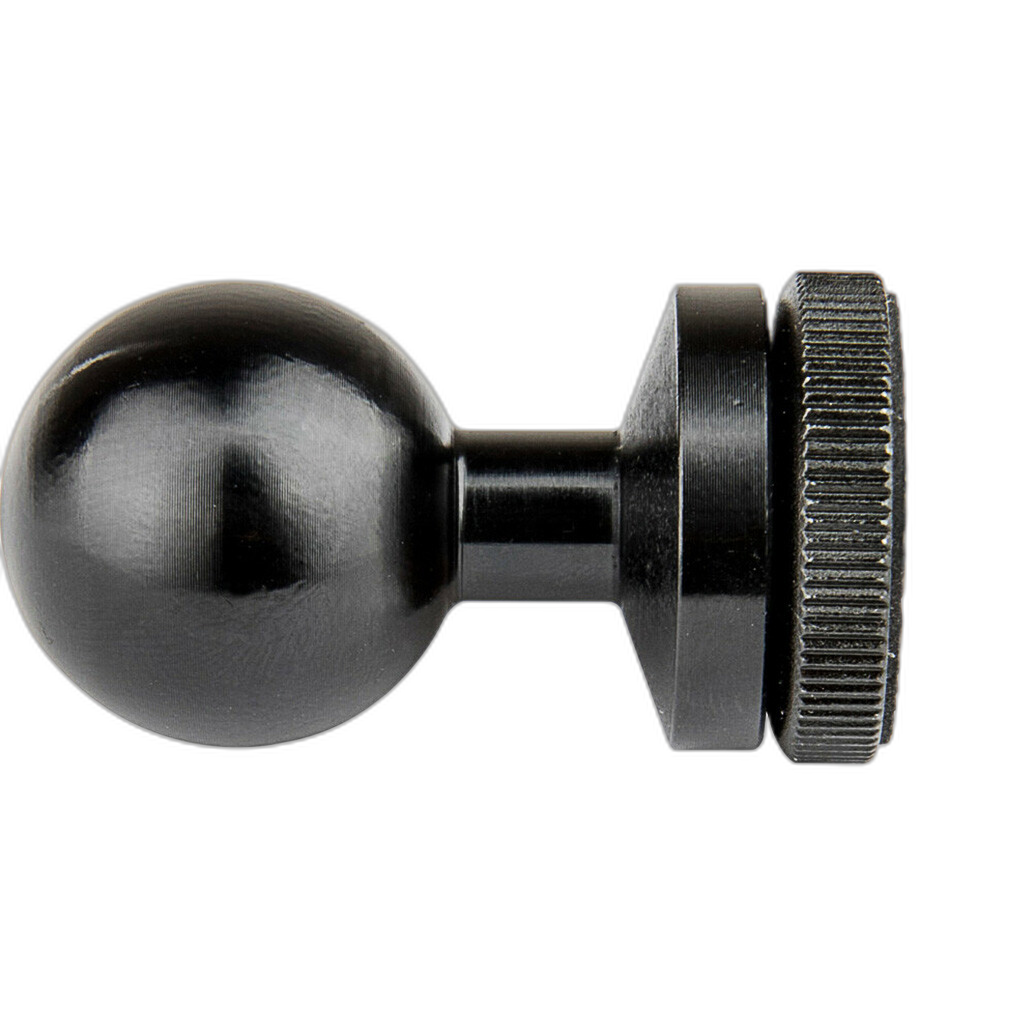
For example, tools like the Kupo Super Knuckle Ball with 1/4in-20 Male Thread or the Kupo Baby Pin with 1/4in-20 Male Thread can help position lightweight lights or accessories in a more exact way when you need repeatable placement for tabletop, portrait, or concept-driven still life work.
5. Keep horizons, framing, and alignment intentional
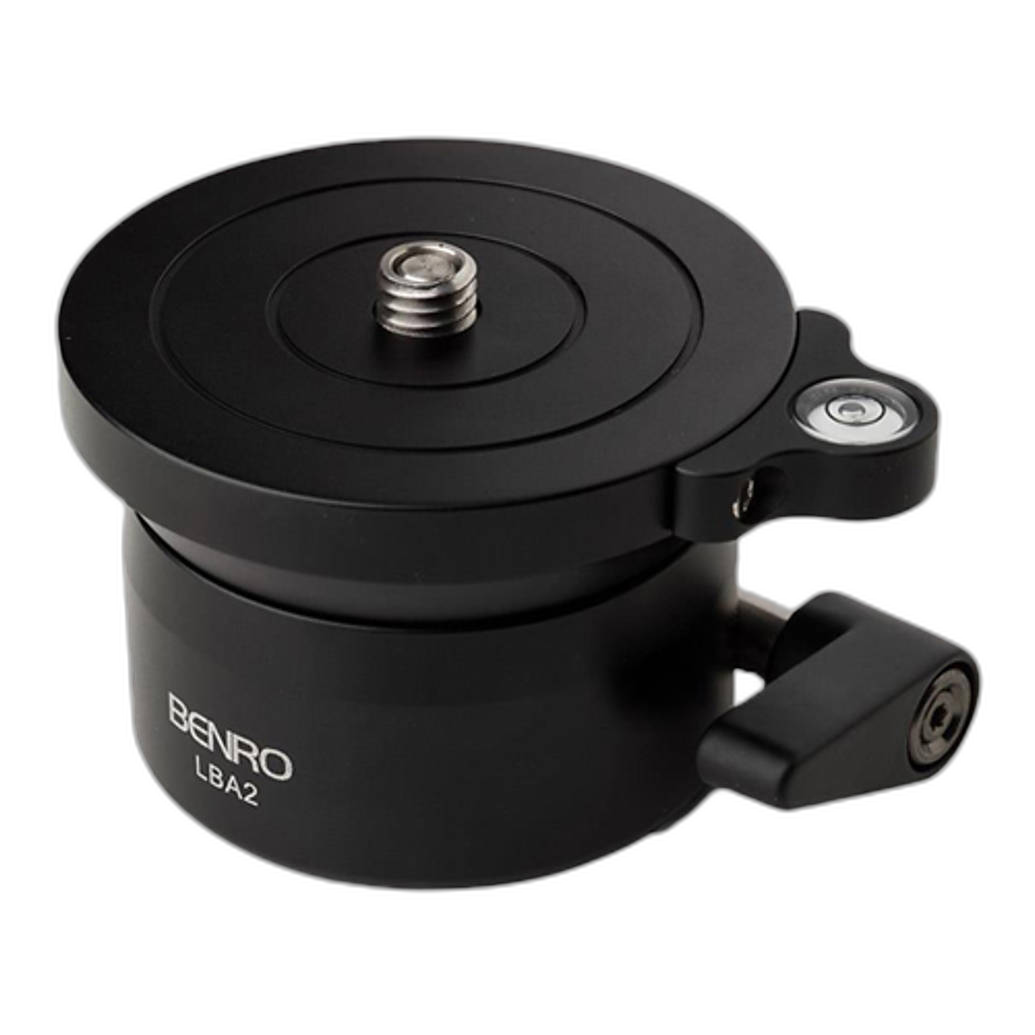
Nothing pulls attention away from a good idea faster than sloppy execution that doesn’t appear deliberate. If your image depends on symmetry, architecture, or a clean horizon line, leveling becomes especially important. The Benro LBA2 Leveling Base -- Dual Camera Thread can be useful when precision matters, especially for landscape, cityscape, or still-life contest entries where straight lines help the image feel finished.
Work the Scene Instead of Taking One Safe Shot
6. Shoot multiple interpretations of the same idea
Once you find a concept that fits the contest theme, don’t stop at one version. Change your focal length, distance, angle, and framing. Capture wide shots for context, medium shots for balance, and close-ups for emotional impact. Sometimes the most successful contest image is the one you almost didn’t select because it felt less predictable.
If you’re building a custom shooting rig or adding small accessories to a support system, pieces like the Kupo Adapter Stud to 3/8-16 Thread can be handy for fine-tuning setup flexibility in creative lighting situations.

7. Review on a larger screen before submitting
Images that feel strong in-camera can reveal problems when viewed larger: awkward hand placement, distracting background highlights, missed focus, or cropping issues. A larger review session also helps you compare which frame communicates the theme fastest and most powerfully. Contest judging can happen quickly, so clarity matters.
Use Editing to Clarify, Not Rescue
8. Edit with the theme in mind
Post-processing should reinforce the message of the image. Ask whether your crop, color treatment, contrast, and retouching all push the viewer toward the intended interpretation. If the contest theme suggests warmth, solitude, energy, or mystery, your edit can help underline that mood. Avoid heavy effects that distract from the concept unless the style itself is central to the story.
For photographers who also work with film submissions or hybrid workflows, learning how to improve digitization can make a difference in presentation quality. Film Lovers Event: Getting Better Scans with Your Digital Camera (Philly) is the kind of educational opportunity that can help you produce cleaner, more competition-ready files from analog originals.
Think Like a Judge During Final Selection
9. Ask three simple questions before you enter
- Does this image clearly connect to the theme?
- Does it hold attention for more than a second or two?
- Does the technical execution support the idea instead of distracting from it?
If the answer to any of those is uncertain, keep editing or keep shooting. Many strong contest entries come from photographers who are willing to refine their idea rather than submit the first decent frame.
10. Avoid generic choices when a personal angle is stronger
Judges respond to authenticity. A deeply observed local scene, a portrait with genuine emotion, or a thoughtfully constructed still life often stands out more than a polished but familiar image. Your goal is not just to fit the theme—it’s to say something specific within it.
Conclusion
To catch judges’ attention, aim for more than a technically correct photo. Interpret the theme thoughtfully, build a clear story, and make every creative and technical decision serve the idea. With practice, your entries will feel more focused and memorable. If you’re looking for tools, accessories, or learning opportunities to strengthen your contest photography, Unique Photo is a great place to keep building your skills.