Expired film can produce beautiful, unpredictable, and highly nostalgic images, which is exactly why so many film photographers seek it out. Whether you found a forgotten box of 35mm in a drawer or picked up old 120 rolls at a flea market, learning how to shoot expired film properly can help you maximize usable frames while still embracing its character. At Unique Photo, film photographers regularly explore both classic techniques and creative experimentation, and expired film remains one of the most interesting ways to add surprise to your work.
In this guide, we’ll cover how expired film behaves, how to rate expired film, storage considerations, metering tips, and the best ways to improve your chances of getting strong results.
What happens when film expires?
Film expiration dates are based on the manufacturer’s estimate of when the emulsion will deliver its intended color, contrast, grain, and sensitivity. After that date, film can still be usable, but the results become less predictable. Over time, heat, humidity, and radiation slowly alter the emulsion layers, which can lead to:
- Loss of sensitivity
- Increased grain
- Lower contrast
- Color shifts, especially in color negative and slide film
- Fogging or base veil
- Reduced shadow detail
Black-and-white expired film is often more forgiving than color film, while slide film tends to be the least forgiving because it has less exposure latitude. If you want a classic medium format experience with older stock, a compact vintage option like the Used Voigtlander Perkeo I 6x6 120 Film Camera - Good can be a fun match for expired 120 film hunting and experimentation.
How to shoot expired film for the best results
The most common advice for shooting expired film is to give it more light. As film ages, it typically loses sensitivity, so overexposing slightly can help preserve shadow detail and improve overall density. A widely used rule of thumb is:
Overexpose by 1 stop for every 10 years past expiration
For example:
- ISO 400 film expired 10 years ago: try rating it at ISO 200
- ISO 400 film expired 20 years ago: try rating it at ISO 100
- ISO 100 film expired 20 years ago: try rating it around ISO 25 to 50
This is only a starting point. Film that has been cold-stored may perform much closer to normal, while film stored in a hot attic may require even more exposure compensation or may be severely fogged.
How to rate expired film by film type
Different film types age differently, so your exposure strategy should change depending on what you’re loading into the camera.
Expired color negative film
Color negative film is usually the easiest expired film to work with because it has generous latitude. If you’re unsure how it was stored, rate it slower than box speed and expect possible color shifts toward magenta, green, blue, or yellow.
- Start with 1 to 2 stops over box speed for moderately expired rolls
- Use daylight or consistent lighting when testing
- Scan with color correction in mind
Expired black-and-white film
Expired black-and-white film can still produce excellent images, especially if it was stored well. Fogging is common, but many photographers love the extra texture and vintage feel.
- Rate slightly slower than box speed
- Bracket exposures if the film is very old
- Expect higher grain and lower contrast
Expired slide film
Slide film is the trickiest expired film to shoot because it demands precise exposure. Color shifts and low contrast are common, and underexposure is especially unforgiving.
- Keep expectations realistic
- Bracket aggressively
- Use it for experimental work rather than critical projects
Test one roll before shooting anything important
If you have multiple rolls from the same batch, the best strategy is to test one roll first. Shoot a variety of scenes in good light at different exposure settings and compare the results. This is especially important if the film is rare, discontinued, or has unknown storage history.
For example, if you have several rolls of expired 120 film, use one as a test roll before committing the rest. A simple camera with manual controls is helpful here, and vintage shooters often enjoy working with folding cameras and older medium format bodies for this kind of process.
Bracketing expired film exposures
Bracketing is one of the smartest ways to improve your keeper rate with expired film. Since you can’t be certain how much sensitivity the film has lost, shoot the same scene at multiple exposures.
A simple bracket might include:
- Metered exposure
- +1 stop
- +2 stops
If the film is especially old, you may even want to try a wider bracket. This gives you a better chance of finding the sweet spot and helps you learn how a specific batch responds.
Storage history matters more than the expiration date
One of the biggest factors in expired film performance is storage. Film kept frozen or refrigerated often performs surprisingly well long after expiration. Film stored in a car, garage, or humid basement usually degrades much more quickly.
When buying expired film, ask:
- Was it frozen, refrigerated, or stored at room temperature?
- How old is it exactly?
- Is it color negative, black-and-white, or slide film?
- Has the box been opened?
If the seller doesn’t know, assume the film may be compromised and expose generously.
Best lighting conditions for expired film
If you want the best possible results from expired film, choose lighting that helps the emulsion rather than challenges it. Bright, even light is usually your friend.
Good options include:
- Open shade with moderate contrast
- Bright overcast days
- Soft morning light
- Controlled studio light
Hard contrast scenes, dim interiors, and mixed lighting can make expired film even harder to evaluate. Start simple, then experiment once you understand how your film responds.
Use cameras with reliable metering or meter externally
Accurate exposure is especially important when shooting expired film. If your camera’s built-in meter is unreliable, use a handheld meter or a metering app. The goal is not absolute perfection, but consistency.
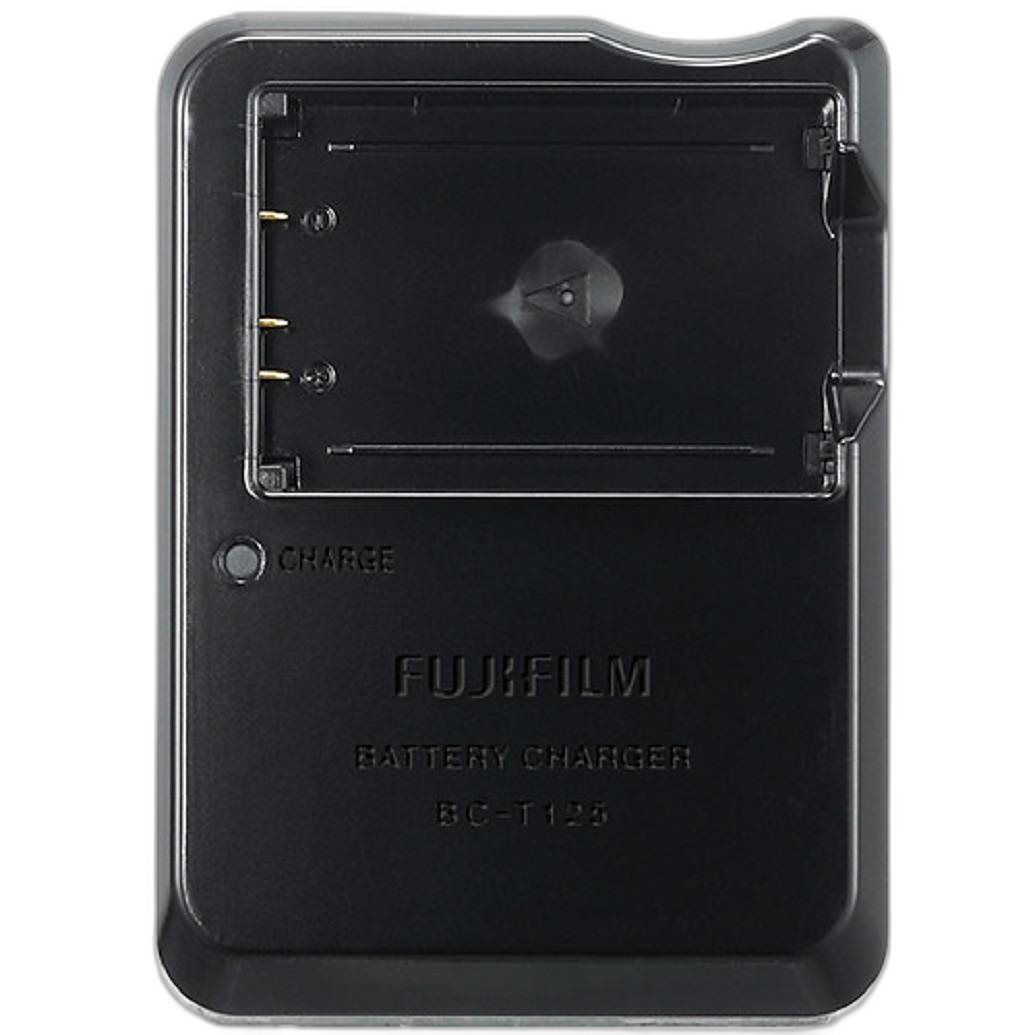
Many film photographers also pair older cameras with modern digital tools to refine their workflow. If you’re shooting both film and Fujifilm digital at the same time, accessories from Unique Photo can help round out your kit. For example, the Fujifilm BC-T125 Battery Charger for GFX 50S 50R GFX100 supports medium format Fujifilm shooters who may be using digital alongside film for testing exposure or documenting setups.
Should you push or pull expired film?
In most cases, expired film benefits more from extra exposure than pushing. Pushing increases contrast and can emphasize fog and grain, which often works against already weakened emulsion. Pulling is less common as a creative decision unless you intentionally overexposed heavily.
General advice:
- Avoid pushing old film unless you are experimenting
- Prioritize overexposure instead
- Tell your lab how you rated the film
If you develop at home, keep notes so you can compare exposure and development decisions across rolls.
How expired film affects color, grain, and contrast
Part of the appeal of expired film is that it rarely looks clinically clean. Depending on the stock and storage conditions, you may see:
- Muted colors
- Unexpected color casts
- Pastel tones
- Heavy grain
- Foggy shadows
- Lower sharpness
These imperfections are often what photographers love most. Rather than trying to make every frame look normal, it can be more rewarding to lean into the unpredictable aesthetic and use it intentionally for portraits, street photography, still life, or travel work.
Tips for developing and scanning expired film
When sending expired film to a lab, communicate clearly. Let the lab know the film type, expiration date if known, and the ISO you used. This gives the best chance of getting a usable scan or negative evaluation.
Scanning is often where expired film really comes to life. Skilled color correction can recover a lot from old emulsions, especially with color negative film. If you print your images afterward, Unique Photo also supports photographers working across digital and print workflows. Products like Fujifilm photo media and darkroom supplies can be relevant for photographers who want to turn experimental negatives into physical prints.
When expired film works best creatively
Expired film is often best used for personal projects, artistic series, and low-pressure shoots where experimentation is part of the goal. It’s ideal for:
- Dreamy portrait sessions
- Lo-fi travel photography
- Abstract color work
- Vintage-themed editorials
- Street photography with an unpredictable edge
It is generally less ideal for weddings, paid client work, or one-time events unless you also have a backup plan.
Common mistakes to avoid when shooting expired film
- Trusting box speed blindly: older film usually needs more light
- Using important shoots as a test: always test first if possible
- Ignoring storage history: it matters as much as age
- Choosing difficult lighting: start with even light
- Expecting perfection: unpredictability is part of the process
Is expired film worth shooting?
Yes, if you enjoy experimentation and understand the risks. Expired film can deliver one-of-a-kind images with color shifts, softness, and texture that are difficult to replicate digitally. It can also be a cost-effective way to explore discontinued emulsions or vintage workflows. The key is to approach it with realistic expectations, careful exposure, and a willingness to embrace surprise.
At Unique Photo, photographers can explore film cameras, accessories, and print-oriented tools that support both analog shooting and hybrid workflows. Whether you’re loading a classic medium format camera or combining film shooting with digital reference tools, the right preparation can make expired film far more rewarding.
Final thoughts on getting the best results with expired film
If you want better photos from expired film, remember the essentials: rate it slower, test a roll first, bracket your exposures, shoot in good light, and keep your expectations flexible. The more notes you take, the easier it becomes to understand how each stock behaves.
For photographers shopping at Unique Photo, helpful next steps might include browsing film cameras, used camera gear, darkroom supplies, and scanning or printing tools to build a complete analog workflow. Internal linking opportunities for this article could include categories or guides related to used equipment, used film cameras, darkroom supplies, and film photography educational content.