Canon R8 vs Sony a7 IV: Which Hybrid Camera Makes More Sense?
Choosing between the Canon EOS R8 and Sony a7 IV is a common decision for creators who need one camera for both stills and video. Both are capable full-frame mirrorless options, but they appeal to slightly different users depending on priorities like autofocus behavior, recording flexibility, handling, and lens pairing.
At Unique Photo, we usually recommend starting with how you actually shoot: quick social clips, long-form interviews, travel content, events, portraits, or action. That real-world use case tends to make the right choice much clearer than spec sheets alone.
1. Which camera is better overall for both photos and 4K video?
If you want the most balanced all-around hybrid body, the Sony a7 IV often has the edge thanks to its stronger feature depth for mixed photo and video use. It offers a higher-resolution sensor for stills, robust internal video options, and a body design that many shooters find more confidence-inspiring for frequent professional use. For creators who split their time evenly between client photography and serious video work, that extra flexibility matters.
The Canon R8, however, is extremely attractive if you want a lighter, more approachable full-frame camera with excellent image quality and strong video performance in a smaller package. It is especially compelling for content creators, travel shooters, and enthusiasts who want full-frame results without stepping into a larger, heavier system. If your workflow values portability and ease of use, the R8 can be the smarter buy.
In short: the a7 IV is often the more feature-rich hybrid tool, while the R8 is the more compact and budget-conscious route to full-frame photo and video quality.
2. How do the autofocus systems compare for fast-moving subjects?
Both cameras are highly capable when it comes to autofocus, and both are suitable for people, pets, events, and general action. Canon's autofocus is widely appreciated for how intuitive and sticky it feels, particularly for subject recognition and face/eye detection. The EOS R8 inherits much of Canon's newer autofocus intelligence, making it an excellent option for solo creators, family photographers, and event shooters who want dependable tracking with minimal setup.
Sony's autofocus on the a7 IV is also outstanding, especially when shooting varied subjects and switching between stills and video. It performs very well for movement across the frame, eye detection, and subject tracking in more demanding scenarios. For sports-adjacent work, weddings, run-and-gun video, and hybrid assignments where consistency matters, the a7 IV remains one of the strongest choices in its class.
For most buyers, this is less about one being bad and the other being good. It is more about feel. Many Canon users love the simplicity and responsiveness of Canon AF behavior, while many Sony users appreciate the maturity and breadth of Sony's tracking system.
3. Which camera has the advantage in 4K video quality and recording options?
The Sony a7 IV generally offers more room to grow for video-focused users. It is a better fit if you care about more advanced codec choices, stronger internal recording flexibility, and a body designed with hybrid creators in mind. If you are producing commercial content, interviews, real estate walkthroughs, or polished YouTube videos, the a7 IV's video toolset can be a meaningful advantage.
The Canon R8 is still very strong for 4K capture and can produce excellent-looking footage. It is a great match for creators who want sharp full-frame video, strong autofocus, and a simpler shooting experience. For reels, vlogs, travel films, and general online content, many users will find the R8 more than capable.
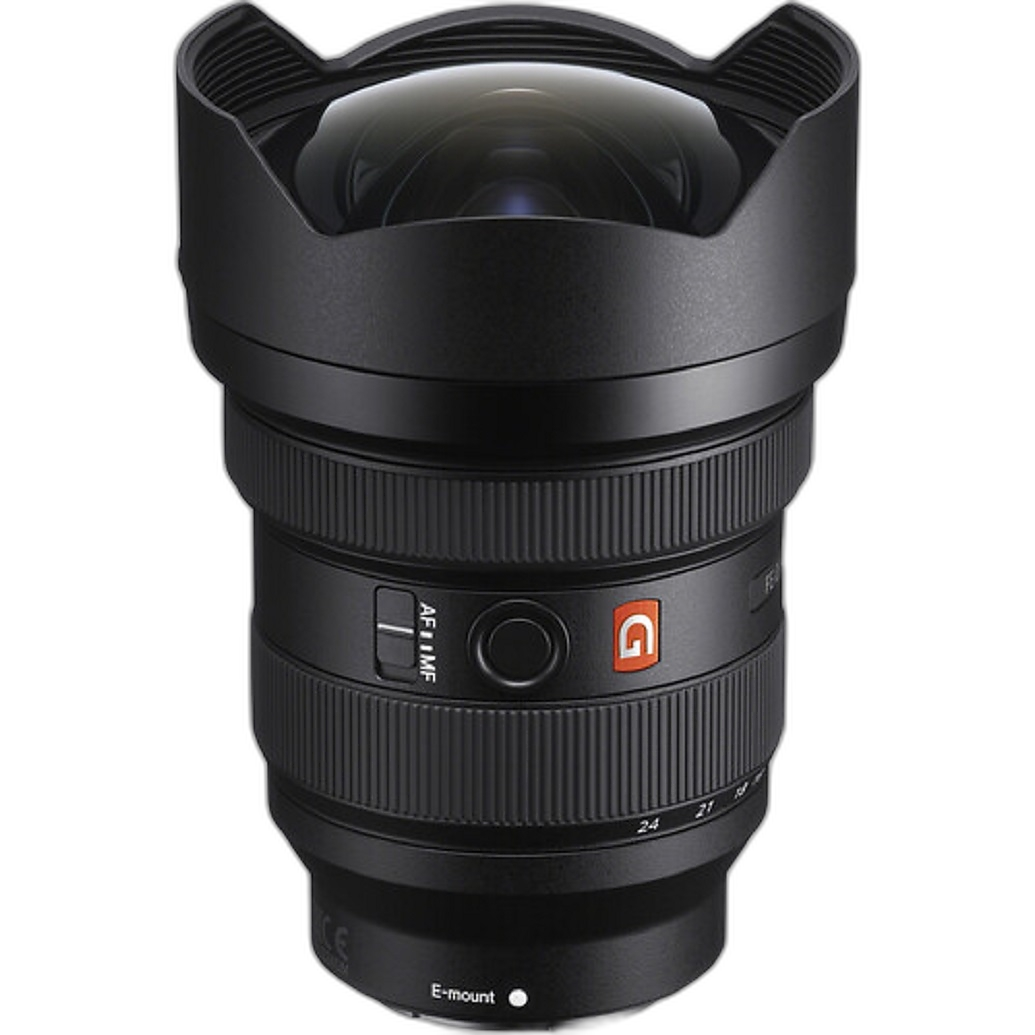
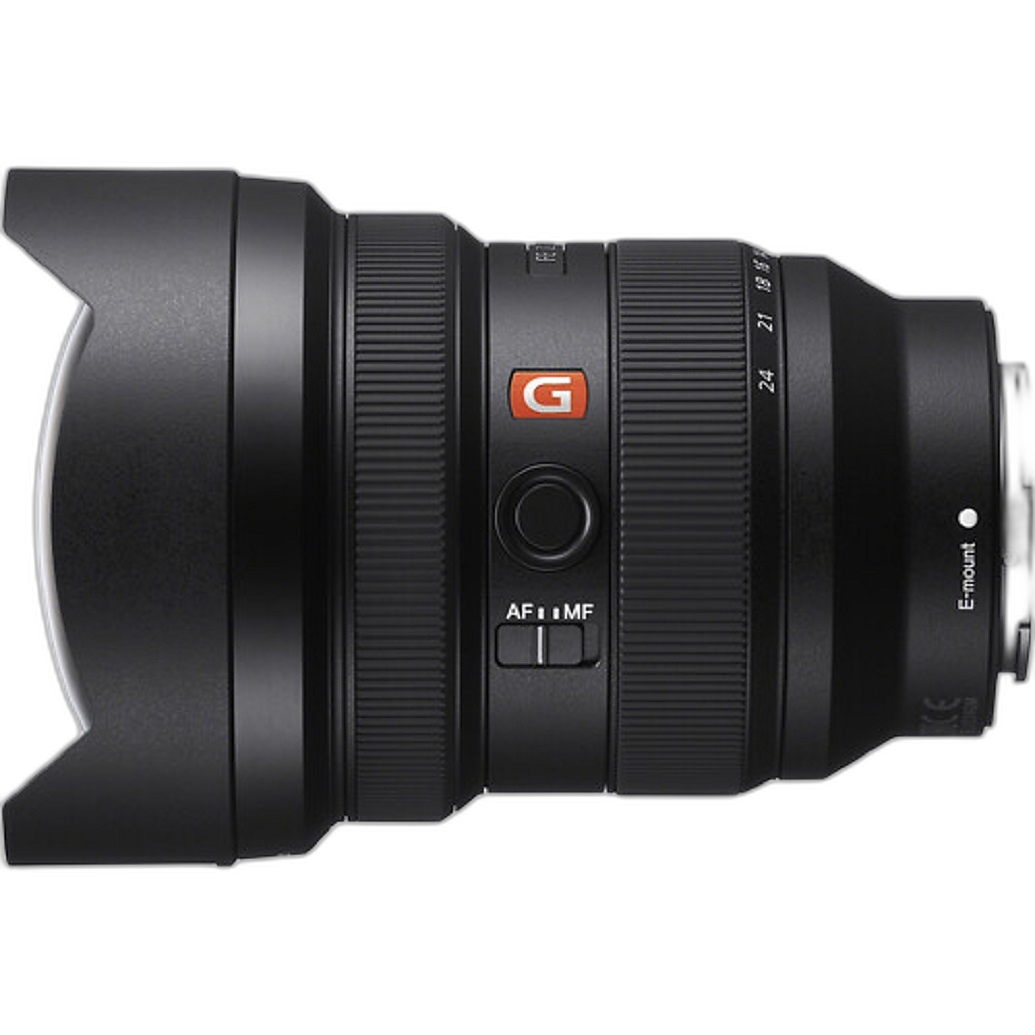
If you are building a Sony hybrid kit for landscape video, interiors, or dramatic establishing shots, an ultra-wide option like the Sony FE 12-24mm f/2.8 GM Lens can be a premium companion.
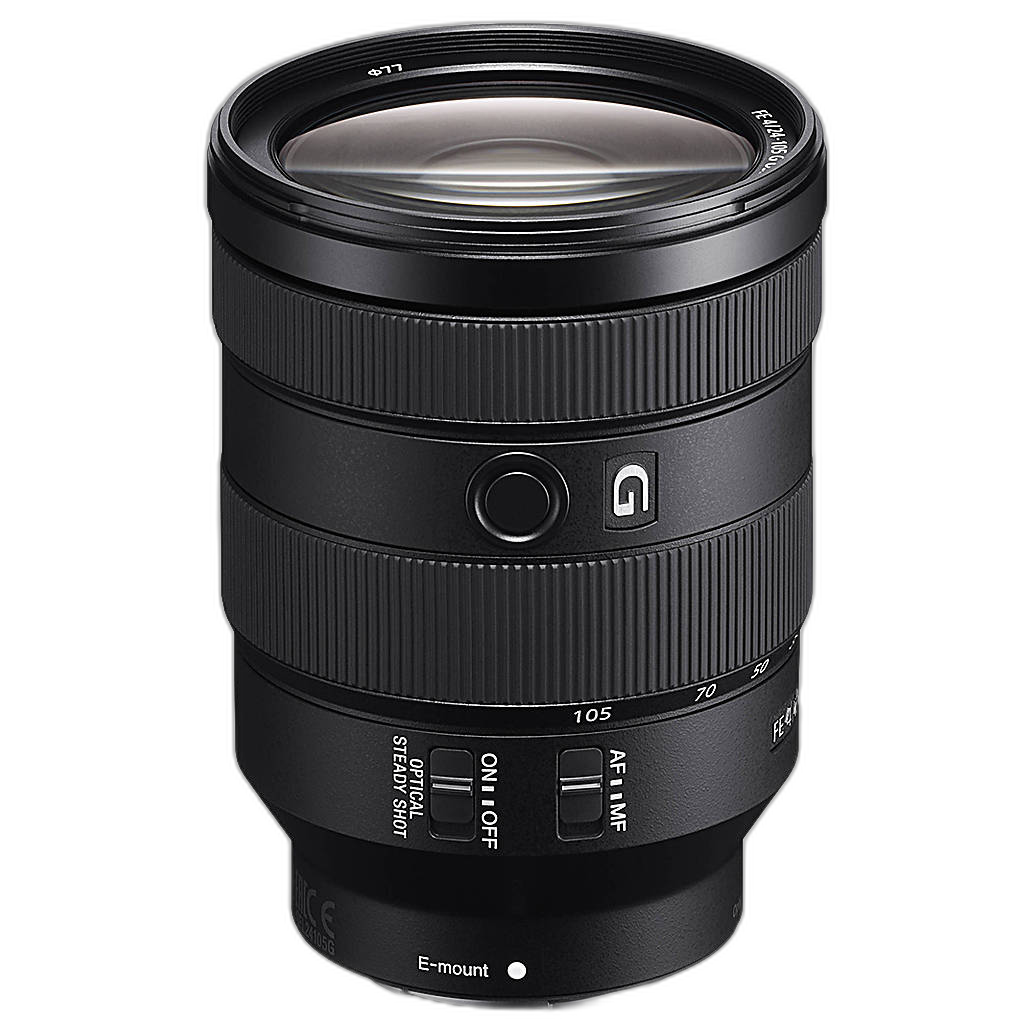
For creators who want one lens that covers a broad range of photo and video situations, the Sony FE 24-105mm f/4 G OSS Lens is one of the most practical pairings with the a7 IV thanks to its versatile zoom range and stabilization-friendly design.
4. Are overheating issues a concern on either model for longer video shoots?
Heat management is an important part of any hybrid buying decision, especially if you record long clips, interviews, ceremonies, or continuous event coverage. In general, the Sony a7 IV is often viewed as the more confidence-inspiring option for longer-form video sessions because of its body design and broader video-oriented positioning.
The Canon R8 can deliver excellent video results, but its compact size means thermal limitations may be a bigger consideration depending on settings, ambient temperature, and clip length. That does not make it a poor video camera; it simply means users planning extended recordings should be realistic about their workflow and test their preferred settings before a critical shoot.
If your projects involve frequent long takes, the Sony body may offer more peace of mind. If you mostly shoot shorter segments, social content, B-roll, and moderate-length clips, the Canon R8 can still be a very effective tool.
5. Which camera is better for travel, everyday carry, and content creation on the go?
The Canon R8 stands out for portability. A lighter body can make a huge difference for travel days, family outings, daily vlogging, and creators who shoot handheld for long stretches. If you want full-frame quality without feeling like you are carrying a heavy production rig, the R8 is especially appealing.
The Sony a7 IV is not oversized, but it is more substantial in the hand and may better suit users who prefer a more planted feel with larger lenses. That can be an advantage for serious stills work and extended sessions, but travelers and minimalists may find the Canon easier to live with.
For Sony users who want to keep their kit efficient while maintaining flexibility, the Sony FE 24-105mm f/4 G OSS Lens is a smart travel and walkaround option because it reduces the need to switch lenses constantly.
6. How important is lens selection when deciding between Canon and Sony?
Lens ecosystem matters a lot because it shapes your system long after you buy the camera body. Sony has a particularly deep full-frame lens ecosystem, with strong native options across ultra-wide, standard zoom, portrait, sports, and video-friendly focal lengths. That broad selection is one reason many hybrid shooters choose the a7 IV platform.
Canon's RF system continues to attract users who value Canon color, autofocus integration, and streamlined shooting experience. For photographers already invested in Canon or those who simply prefer Canon handling, the R8 can be an excellent entry into modern full-frame mirrorless shooting.
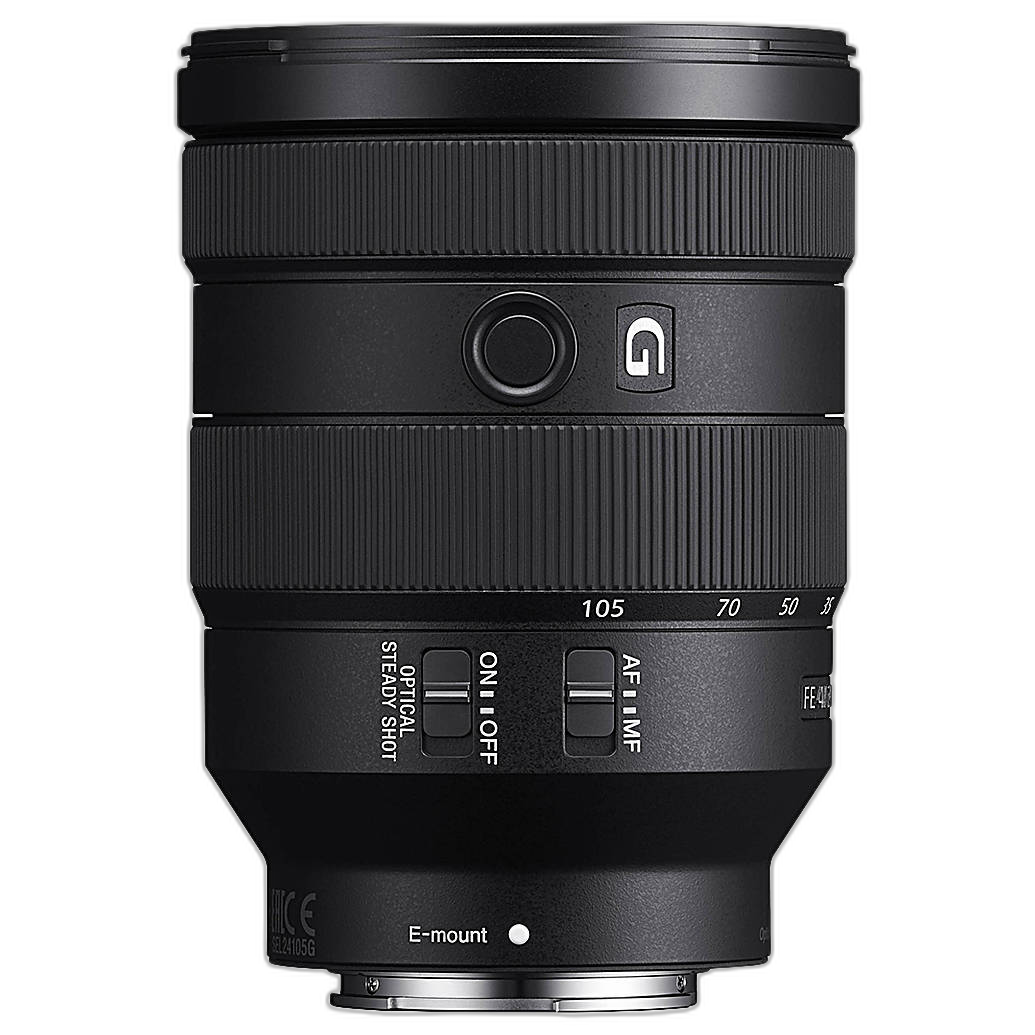
If you expect to build out a Sony kit over time, Unique Photo carries premium options like the Sony FE 12-24mm f/2.8 GM Lens for expansive scenes and the Sony FE 24-105mm f/4 G OSS Lens for versatile day-to-day work.
7. Which camera is the better choice for beginners moving into full-frame hybrid shooting?
For many upgraders, the Canon R8 is the friendlier starting point. It offers excellent modern autofocus, strong image quality, and a less intimidating path into full-frame photo and video creation. If you are coming from a phone, entry-level mirrorless camera, or DSLR and want something powerful without feeling overly technical, the R8 is easy to recommend.
The Sony a7 IV is still beginner-friendly in the sense that it is extremely capable and can grow with you for years, but it may make the most sense for users who already know they want a deeper hybrid workflow. If you anticipate paid work, more advanced grading, or a more deliberate lens roadmap, it is often worth the investment.
8. Which one should I buy if reliability and long-term value matter most?
If by long-term value you mean room to grow, system depth, and broad hybrid capability, the Sony a7 IV is often the safer long-view choice. If by value you mean getting excellent full-frame results in a lighter, more affordable package, the Canon R8 is very compelling.
Whichever system you choose, protecting your gear investment is important. For shoppers considering Canon accessories and support products, Unique Photo also offers Canon coverage options such as Canon CarePAK PLUS plans where applicable.

The best answer comes down to your shooting style: choose the Canon R8 for portability, simplicity, and strong everyday hybrid performance; choose the Sony a7 IV for a more robust all-around hybrid platform with excellent lens support and stronger long-form video appeal.
If you are still deciding, visit Unique Photo to compare gear, explore lenses, and talk with our team about the right hybrid setup for your photo and video workflow.