Entering a photo contest can be exciting, but preparing a strong portfolio for submission takes more than simply choosing your favorite images. Judges want to see consistency, intention, technical quality, and a clear point of view. Whether you are applying to a local exhibition, a national competition, or a themed juried show, the way you edit, sequence, print, and present your work can make a major difference.
At Unique Photo, we work with photographers at every level, from first-time entrants to seasoned professionals, and one thing is always true: a thoughtfully prepared portfolio stands out. Below are practical tips to help you build a contest-ready photo portfolio that feels polished and competitive.
How to choose the best photos for a contest portfolio
The first step is selecting images that fit the contest guidelines and theme. Many photographers lose points before judging even begins because they submit work that is too broad, inconsistent, or off-topic. Start by reading the rules carefully. Note image count, subject restrictions, file specifications, print size requirements, and whether the contest favors a series or standalone images.
As you narrow your selections, ask these questions:
- Does each image support the contest theme?
- Is the technical quality strong, including exposure, focus, and color?
- Does the portfolio show a consistent visual voice?
- Are you including your strongest work first?
- Do any images feel repetitive or weaker than the others?
A winning portfolio is usually tighter than you think. If a contest allows 10 images, that does not mean you must submit 10 if only 6 to 8 truly elevate your story. Strong editing shows discipline, and judges notice that.
It can also help to seek feedback before finalizing your selection. Portfolio reviews, classes, and critique groups are incredibly useful. Unique Photo’s educational events and workshops can be especially valuable for photographers refining a personal style or learning how to present cohesive work.
How many images should be in a photography contest submission
The right number of images depends on the submission format, but the guiding principle is always quality over quantity. If the contest asks for a portfolio, judges are often evaluating more than single-image impact. They are looking for sequencing, cohesion, and whether your body of work sustains attention from image to image.
Here are a few best practices:
- For a themed series: Choose images that build on one another without repeating the same composition.
- For open-category submissions: Keep a unifying thread such as color palette, subject matter, lighting style, or emotional tone.
- For single-image contests: Focus on one image with maximum visual impact and flawless processing.
If you are entering multiple categories, avoid sending the exact same visual approach to each unless the rules specifically support it. Tailor your work to the category and audience whenever possible.
What judges look for in a photography portfolio
Different contests have different priorities, but most judges evaluate submissions based on a combination of creativity, technical execution, originality, and presentation. Great images matter most, but the details of portfolio preparation can strengthen or weaken how your work is perceived.
Common things judges look for include:
- Consistency: Your images should feel like they belong together.
- Intentional editing: Every photo should earn its place.
- Technical polish: Clean files, appropriate sharpening, and good tonal control are essential.
- Storytelling: The portfolio should create a mood, narrative, or point of view.
- Professional presentation: File naming, print quality, and sequencing all matter.
One of the best ways to improve this aspect of your work is to study how experienced photographers build a visual narrative. Educational opportunities like EXPO: Stories from the Road - Photography Across Worlds w. Matthew Borowick can offer useful insight into storytelling, sequence, and visual coherence, all of which are valuable when preparing for contest submissions.

How to create a cohesive portfolio for a photo competition
Cohesion is one of the most important qualities in a successful contest portfolio. Even if each image is individually strong, the full submission can feel weaker if the work seems disconnected. Cohesion does not mean every image must look identical. It means the portfolio should communicate a unified intention.
You can create cohesion through:
- Subject matter, such as landscapes, portraits, documentary work, or macro studies
- Lighting style, whether natural light, dramatic studio light, or low-key scenes
- Color treatment, including black-and-white consistency or a defined color palette
- Composition choices, such as minimalism, layered framing, or symmetry
- Conceptual focus, such as memory, movement, identity, place, or environment
For example, if your portfolio is centered on nature photography, you may benefit from sharpening your technique through field learning experiences like Macro and Landscape Photography at Duke Farms with Michael Downey. Workshops like these can help photographers build stronger, more unified bodies of work by refining both vision and execution.

Best way to sequence images in a contest portfolio
Sequence can dramatically shape how judges experience your work. Think of your portfolio as a visual conversation. The first image should capture attention immediately, the middle images should develop the story or theme, and the final image should leave a memorable impression.
A few sequencing tips:
- Start strong: Open with one of your best and most representative images.
- Build rhythm: Alternate wide, medium, and close perspectives when appropriate.
- Avoid repetition: Similar compositions placed back to back can flatten impact.
- Create flow: Use color, shape, subject, or emotional tone to connect transitions.
- End with confidence: Your final image should feel like a satisfying conclusion, not an afterthought.
If the contest allows captions or artist statements, make sure they support the sequence rather than over-explain it. Keep written materials concise, professional, and relevant.
How to prepare digital files for a photography contest
Many contests are judged digitally, so file preparation is critical. Even incredible images can suffer if exported poorly. Always follow the contest’s specifications exactly, including dimensions, color space, file type, naming convention, and size limits.
Digital submission checklist:
- Export in the required file format, usually JPEG unless otherwise noted
- Use the requested color space, often sRGB for online judging
- Resize images to the exact pixel dimensions required
- Apply output sharpening appropriate for screen viewing
- Double-check for dust spots, halos, oversaturation, and banding
- Name files exactly as instructed by the contest guidelines
Before submitting, view your files on more than one screen if possible. A calibrated display is ideal, especially if color accuracy matters. At Unique Photo, photographers can explore printing and color-managed workflow tools that help maintain consistency from edit to final output.
How to print photos for a contest submission
Some competitions require physical prints, and this is where presentation becomes especially important. Print quality should reflect the same care as image selection. A weak print can undermine a strong photograph, while a beautifully produced print can elevate already compelling work.
When printing for competition, consider paper finish, tonal range, color accuracy, and archival quality. Metallic and glossy papers can add pop to certain images, especially scenes with vivid highlights, architecture, or dramatic landscapes. Fine art matte papers may be better for softer, more subtle work.
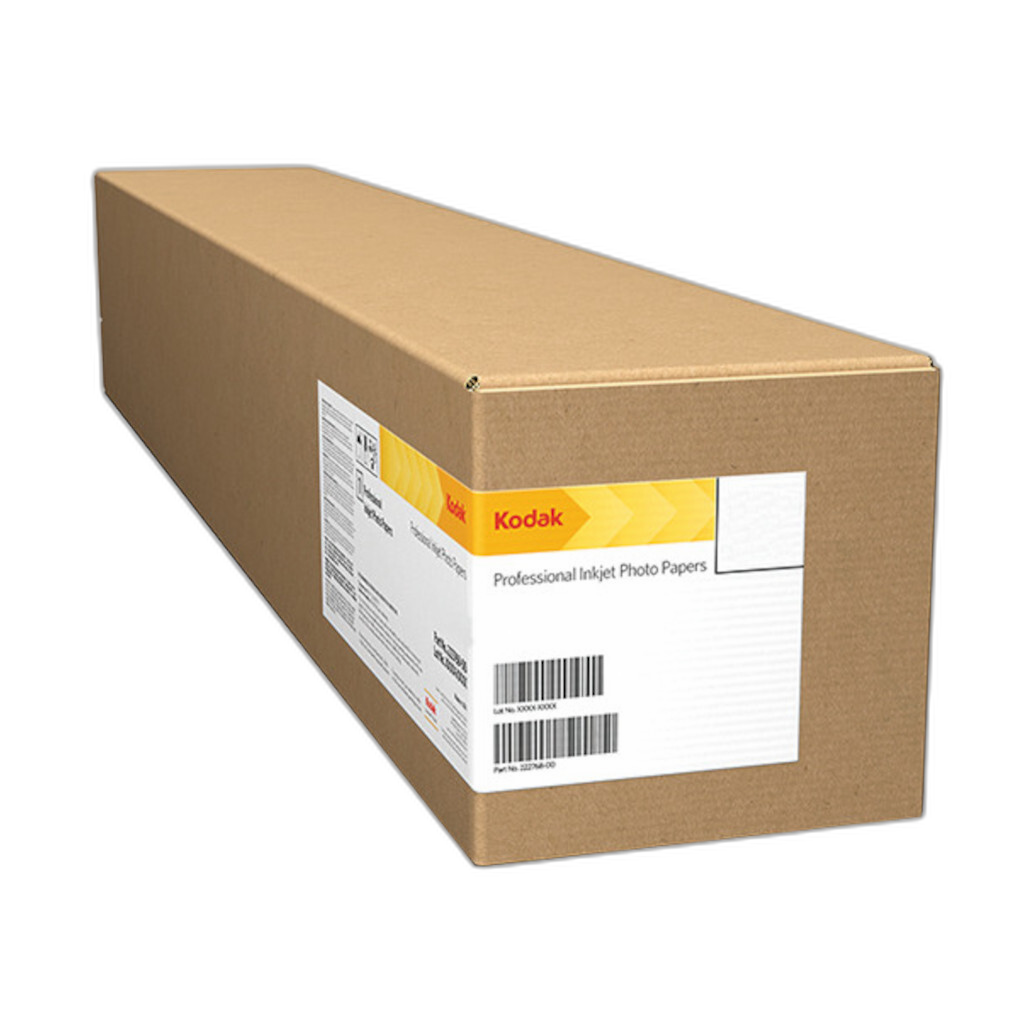
For photographers producing their own contest prints, the Epson SureColor P5370 17-Inch Professional Photographic Printer is a strong option for detailed, exhibition-quality output. Pairing it with a professional media choice like Kodak Professional Metallic Photo Inkjet Paper 44 x 100 Roll can help create presentation-ready prints with striking depth and polish.
Before final printing, make small test prints to evaluate contrast, skin tones, shadow detail, and highlight retention. This extra step often reveals adjustments you may miss on screen.
How to present printed photographs in a portfolio
If the contest requires physical delivery, your printed portfolio should be neat, protected, and easy for judges to handle. Avoid distracting presentation choices. The goal is to support the photographs, not compete with them.
Depending on the contest format, albums and sleeves may be helpful for organizing supporting prints, contact selections, or archival presentation. Products like the Pioneer 4 x 6 In. Bi-Directional Memo Photo Album or Pioneer Album Refill Pages for BP-200 Album can be useful for safely organizing reference prints and keeping your edits in order during the selection process.

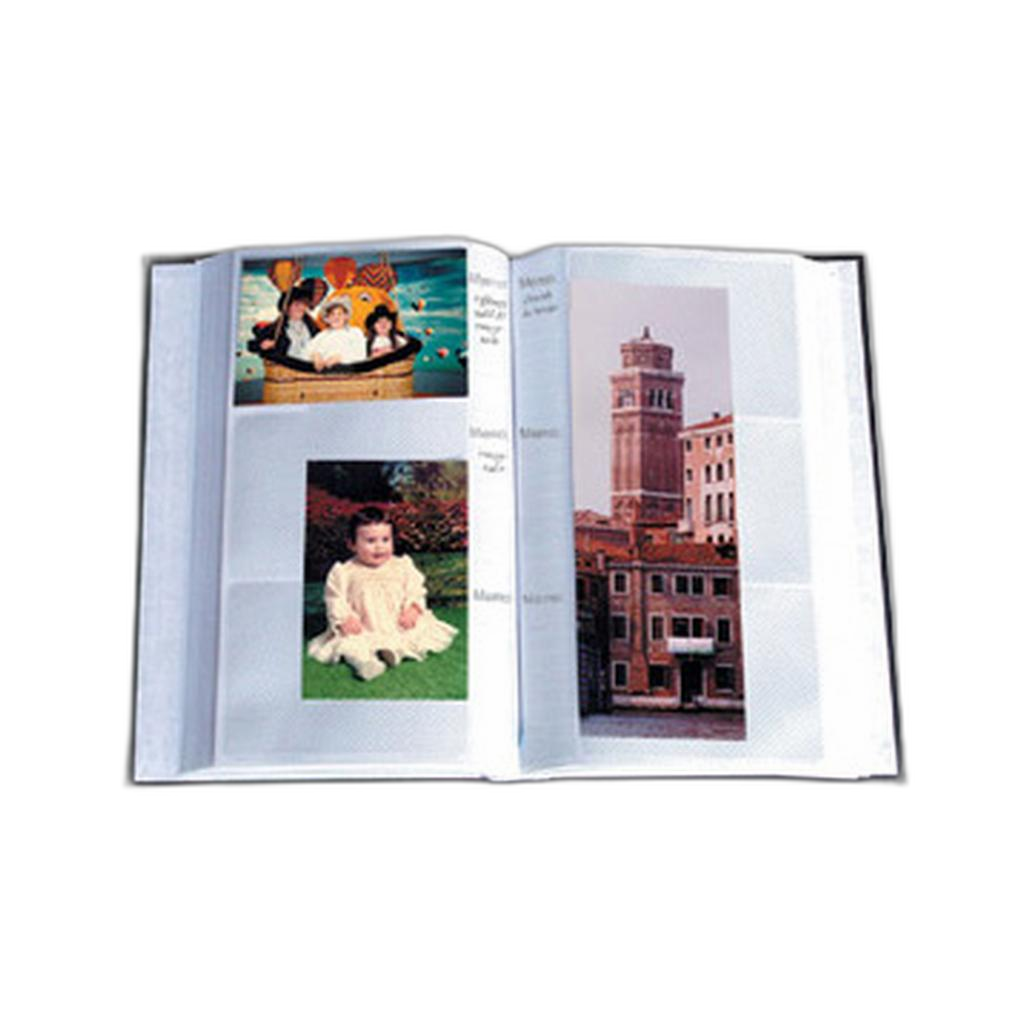
For photographers who like to keep a physical edit on hand while refining submissions, a well-organized album can make comparing sequence and variety much easier. Unique Photo carries practical presentation and archival tools that support this step of the workflow.
Common mistakes to avoid when submitting a photo portfolio
Even talented photographers can hurt their chances with avoidable mistakes. Before you send your work, review your submission with fresh eyes and check both artistic and technical details.
Some of the most common contest portfolio mistakes include:
- Ignoring the theme or submission rules
- Submitting too many similar images
- Over-editing with excessive HDR, sharpening, or saturation
- Including one weak image that brings down the full set
- Poor sequencing that disrupts flow
- Low-quality printing or incorrect file exports
- Last-minute submissions without proofreading or quality checks
Give yourself enough time to edit, print, review, and revise. Rushed submissions often show it.
How to improve your portfolio before the next photo contest
If your portfolio is not quite ready, use the contest deadline as motivation to strengthen your work. Build around a concept, return to the same subject over time, and photograph with the finished series in mind. Deliberate practice creates stronger submissions than random image gathering.
Hands-on shoots and guided outings can also deepen your portfolio quickly. Experiences like Photograph Fluorescent Zinc Ore at Sterling Hill Mine may help photographers produce distinctive images that stand apart from more common subject matter. Unique Photo’s classes, excursions, and events can be excellent resources for finding fresh inspiration and building contest-worthy projects.

Final tips for submitting a strong photo contest portfolio
The best photo contest portfolios are intentional, cohesive, technically polished, and professionally presented. Choose only your strongest work, sequence it thoughtfully, prepare your files or prints carefully, and follow every contest requirement precisely. If possible, get outside feedback before you submit. A second opinion can catch weak spots you may no longer see.
At Unique Photo, photographers can find printing tools, paper, educational workshops, and presentation supplies that support every stage of the portfolio-building process. Whether you are refining a nature series, preparing gallery-quality prints, or learning how to tell a stronger story through images, the right workflow can boost your confidence before submission day.
For readers exploring next steps, consider linking your workflow with related resources on Unique Photo such as printing and paper solutions, photo classes and workshops, portfolio presentation supplies, and printer options for photographers who want more control over contest-ready output.