Metering exposure with classic film cameras is one of the most important skills film photographers can learn. Whether you are shooting a fully mechanical rangefinder, a compact camera with an aging internal meter, or a medium format system with a prism finder, accurate exposure helps you get consistent negatives and better scans. At Unique Photo, we regularly help film photographers choose cameras, external meters, and accessories that make classic shooting more reliable and enjoyable.
Many vintage and used film cameras still offer excellent performance, but exposure systems can vary widely. Some have center-weighted meters, some rely on external metering, and some have meters that may drift over time. Understanding how to read light, meter for your subject, and compensate for tricky scenes will help you get the most out of every roll.
How do you meter exposure with a classic film camera?
To meter exposure with a classic film camera, start by setting the correct film ISO on your camera or meter. Then evaluate the light falling on your subject and decide whether your camera is reading reflected light through an internal meter or whether you are using an external handheld meter. Once you get a reading, choose the shutter speed and aperture combination that best fits your scene, lens, and creative intent.
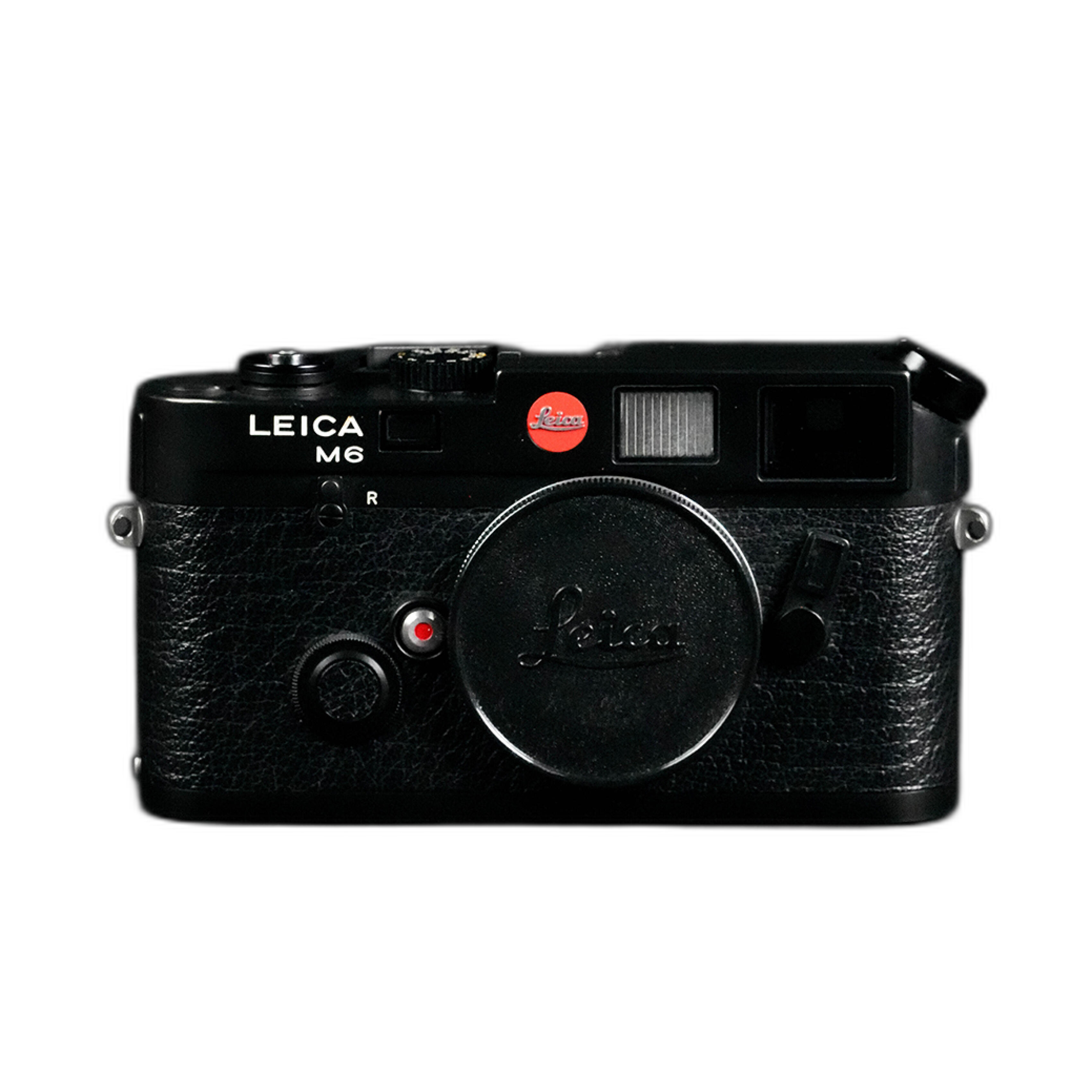
Classic film cameras often reward a slower, more deliberate approach. A camera like a Used Leica M6 0.72 Classic can make metering straightforward thanks to its built-in meter, while meterless or partially meter-dependent systems may benefit from an accessory like the KEKS M-Meter for Leica M-Cameras. Unique Photo offers both classic film bodies and modern metering solutions that fit naturally into a traditional shooting workflow.
Understanding reflected light vs incident light metering
One of the most helpful exposure concepts is understanding the difference between reflected and incident metering. Reflected light metering measures the light bouncing off your subject. This is how many in-camera meters work. It is convenient, but bright or dark subjects can fool the meter. Snow, sand, black clothing, or backlit scenes may all cause the reading to shift away from what you actually want.
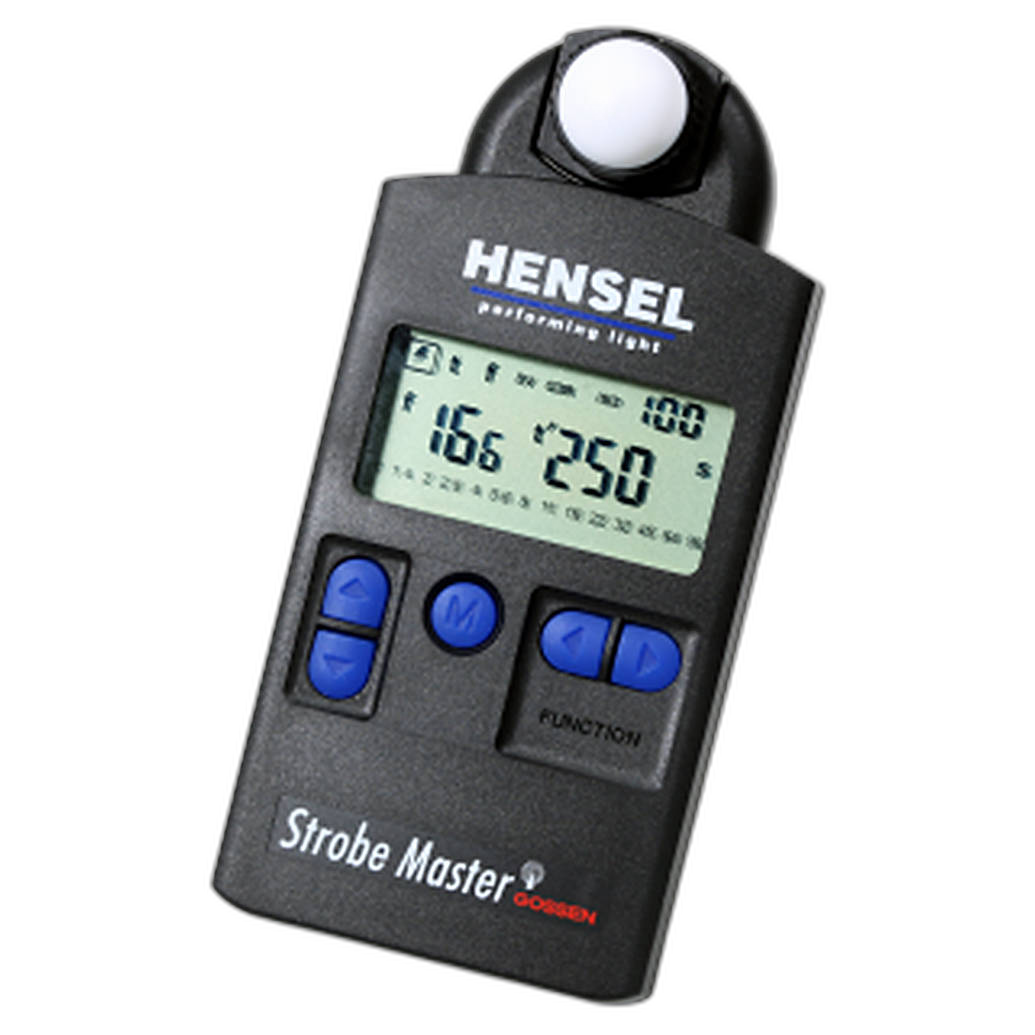
Incident light metering measures the light falling onto the subject rather than the light reflecting back. This method is often more consistent, especially for portraits and controlled lighting setups. A dedicated handheld option like the Hensel Strobe Master Light Meter can be useful for photographers working with flash, studio lighting, or careful manual exposure technique.
If your vintage camera has a built-in reflected meter, remember that it is trying to render the scene as a middle tone. That means very bright scenes may be underexposed and very dark scenes may be overexposed unless you compensate manually.
How to use a built-in meter on vintage film cameras
If your camera includes a working internal meter, the first step is to verify that it is reading consistently. Many classic cameras remain accurate, but others may have aging electronics or battery-related issues. For example, some used cameras may be sold with notes about meter performance. When shopping used gear at Unique Photo, product descriptions can help you understand whether a camera is best used with its internal meter, with compensation, or with an external meter.
Rangefinders such as the Leica M6 are popular because they combine classic manual operation with practical in-camera exposure guidance. A properly functioning M6 can be a fast and intuitive choice for street photography, travel, and everyday shooting. The same goes for other metered classics and systems with finder-based exposure readouts.
When using an internal meter:
- Set the correct ISO for your film stock.
- Point the camera toward the area you want exposed properly.
- Watch for high-contrast scenes that may require compensation.
- Favor shadow detail for negative film when possible.
- Bracket exposures if the scene is difficult or the meter is questionable.
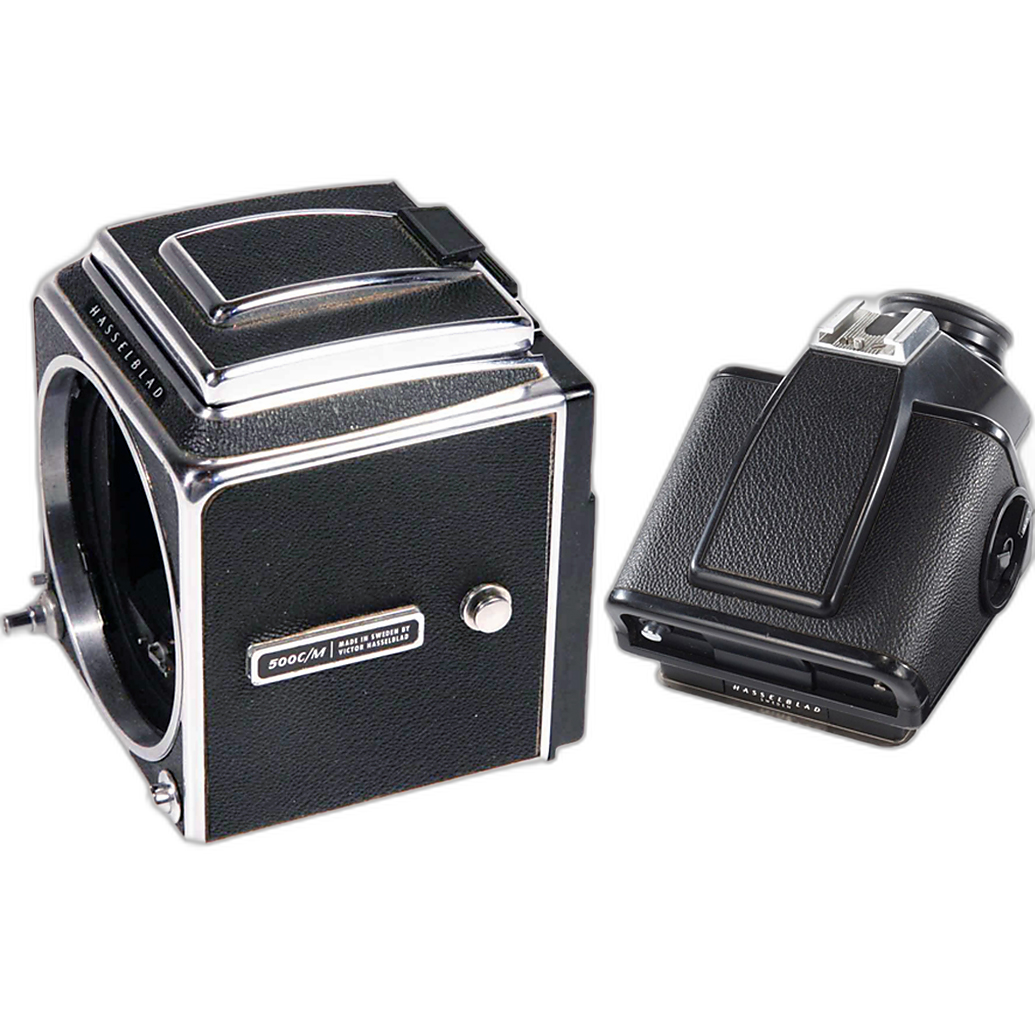
A camera like the Used Hasselblad 500CM With Metered Prism can also streamline exposure in medium format work by combining classic image quality with meter-assisted operation.
What if your classic camera light meter is inaccurate?
This is a common question for anyone shooting older film gear. If your camera meter is inaccurate, you still have several good options. First, compare its readings to a known reliable handheld meter, smartphone meter app, or another trusted camera. If you discover a consistent error, such as one stop under or two stops over, you can often work around it by applying compensation each time you shoot.
This is especially useful with older compact and mechanical cameras. For example, a vintage camera with a note about meter drift may still be very usable if the rest of the camera is in good shape. In some cases, photographers prefer to use sunny 16 or an external meter rather than rely on internal electronics.
Unique Photo frequently stocks sought-after used film cameras, and many experienced film photographers are comfortable working with cameras that need a little metering care. That can include using an accessory meter, shooting negative film for wider latitude, or testing a roll before important work.
Using an external light meter with classic film cameras
An external meter is one of the best upgrades for anyone serious about film exposure. It gives you a consistent reference point across multiple cameras and lenses, and it is especially helpful if you shoot meterless systems or cameras with questionable electronics.
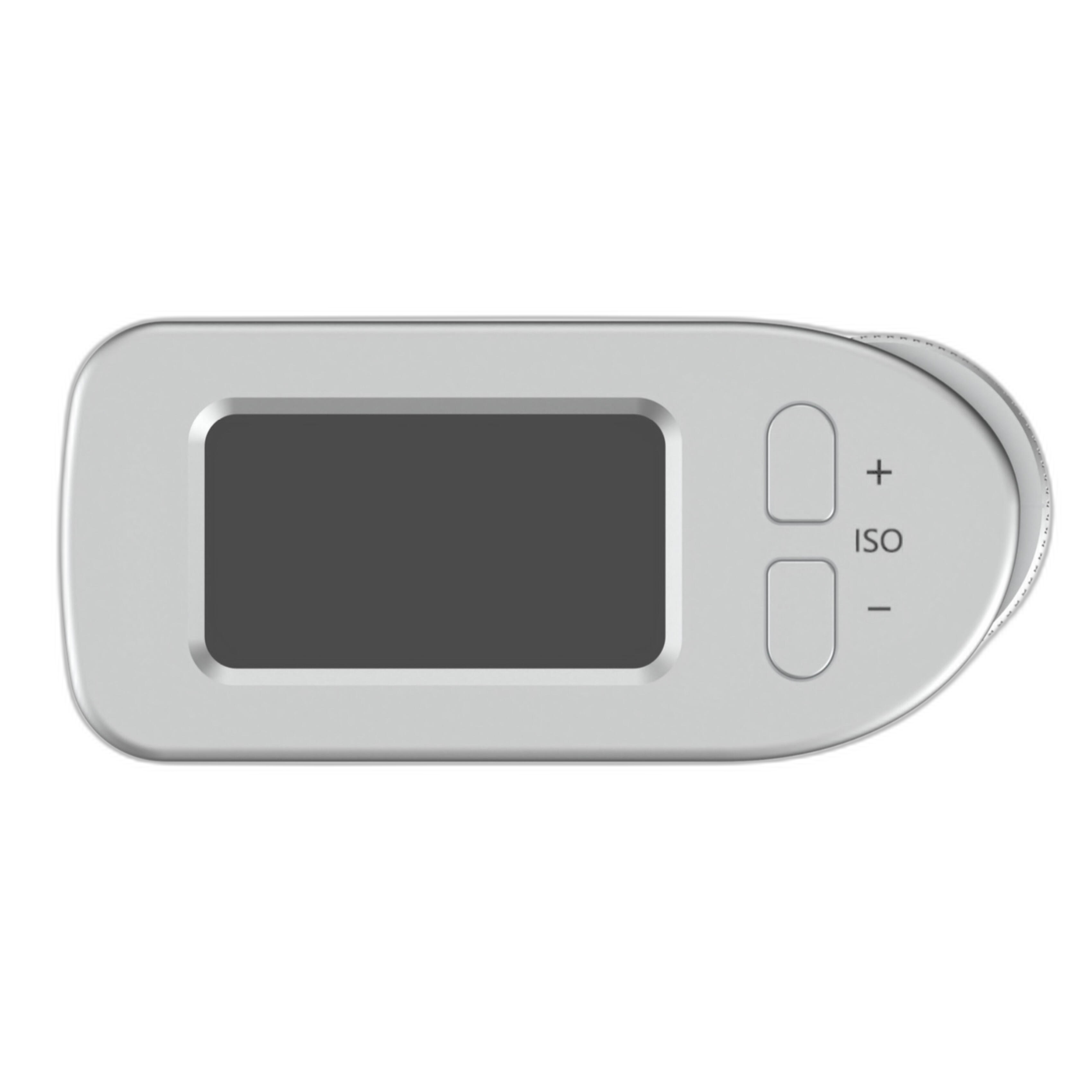
For Leica users and rangefinder photographers, the KEKS M-Meter for Leica M-Cameras - Chrome and KEKS M-Meter for Leica M-Cameras - Black Paint are elegant hot-shoe-mounted solutions. These compact meters are a natural fit for classic Leica bodies and can help preserve the manual shooting experience while adding dependable exposure guidance.
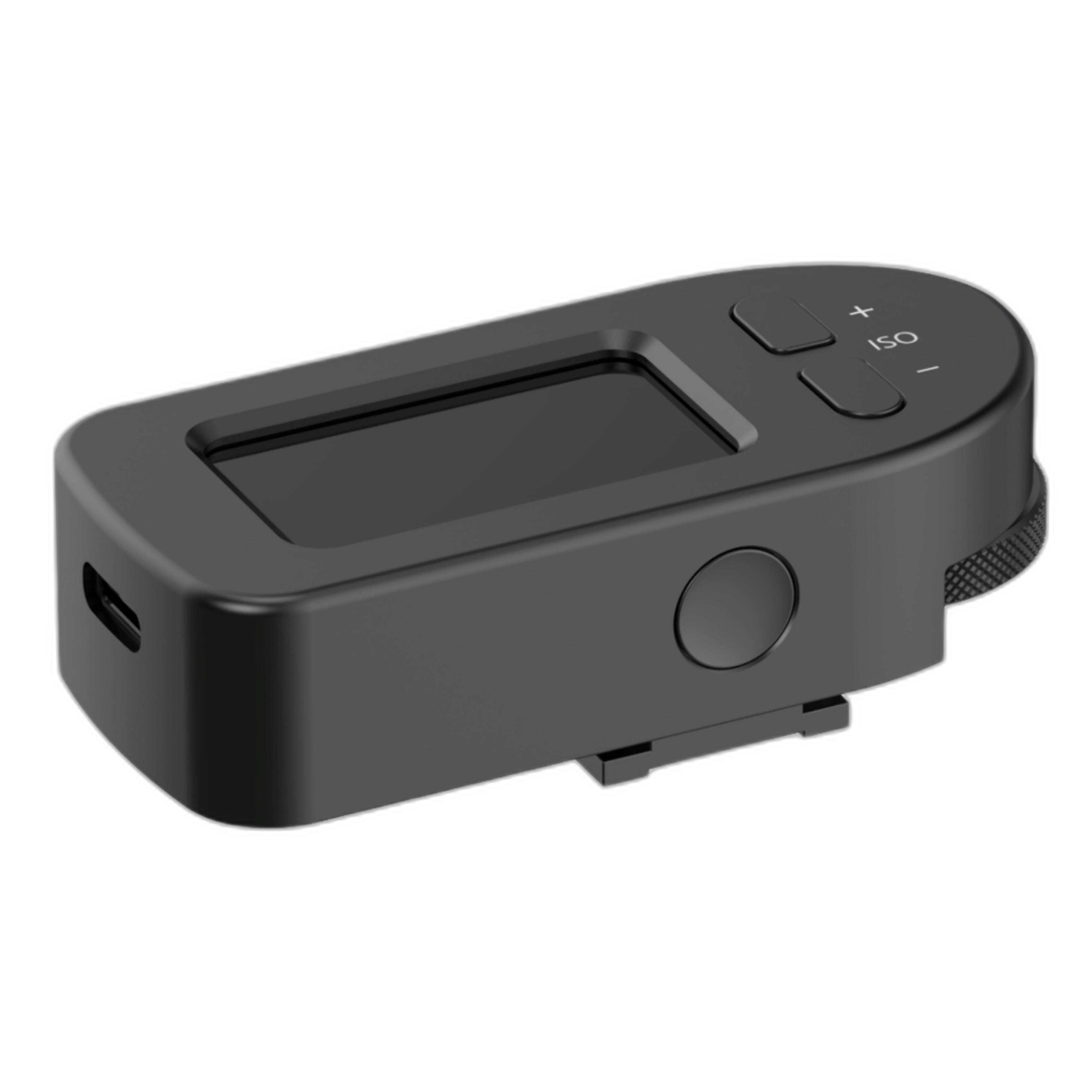
External meters are especially useful when:
- Your camera has no meter at all.
- Your internal meter is unreliable.
- You shoot several classic cameras and want one metering standard.
- You work with studio flash or mixed lighting.
- You want more control than a basic in-camera meter provides.
Sunny 16 for film photography: when to trust it
The sunny 16 rule is still one of the best exposure tools for classic film cameras. On a sunny day, set your aperture to f/16 and your shutter speed to the reciprocal of your film ISO, rounded to the nearest available setting. For ISO 400 film, that usually means 1/500 second at f/16. From there, adjust for clouds, open shade, or backlighting.
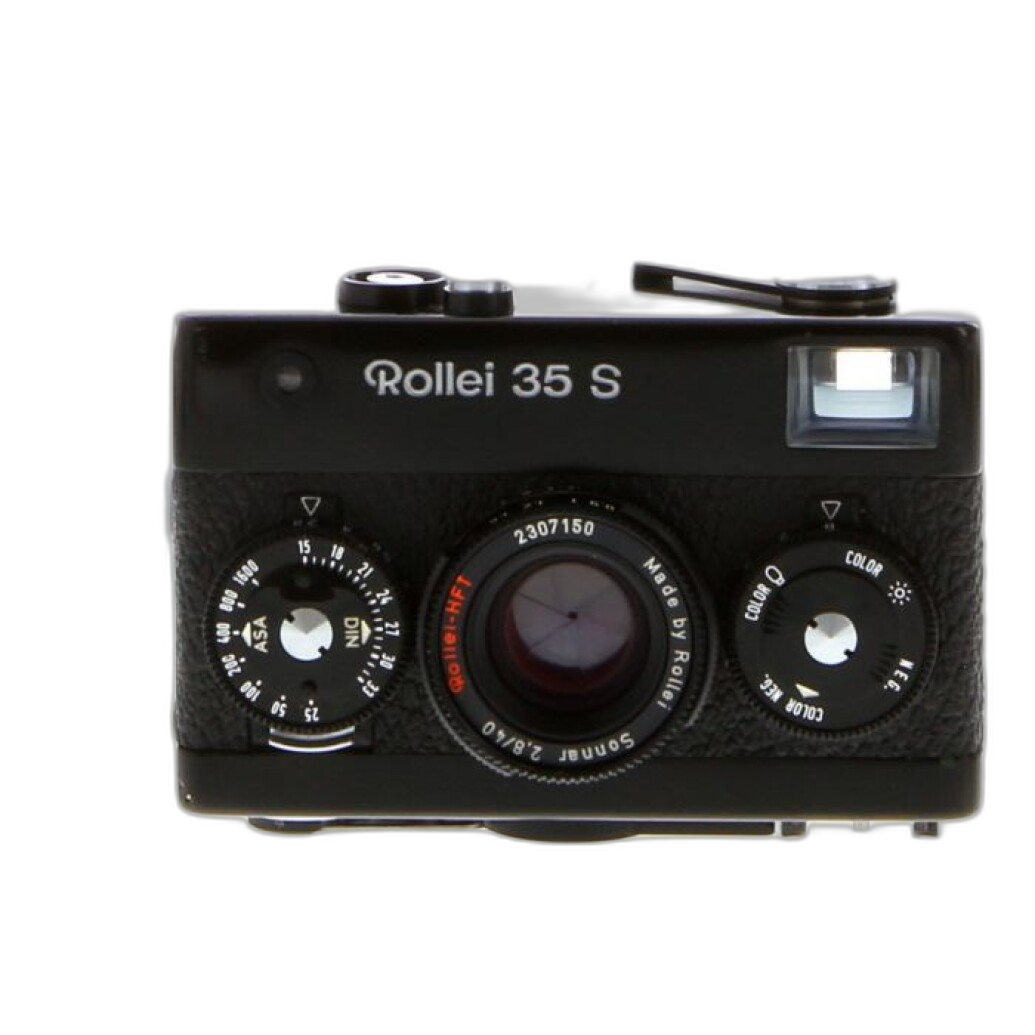
Sunny 16 works especially well when you are using mechanical cameras without dependable metering. It is also a smart backup if batteries fail or your meter gives readings that do not seem right. Photographers using compact classics like a Used Rollei 35S Black 35mm Film Point and Shoot Camera often benefit from learning sunny 16 because it builds confidence in reading outdoor light quickly.
As a quick guide:
- Bright sun: f/16
- Slight overcast: f/11
- Overcast: f/8
- Heavy overcast: f/5.6
- Open shade: f/4 or wider depending on conditions
How to meter for black and white negative film vs color negative film
Different films respond differently to exposure, and that affects how you meter. Color negative film usually has excellent overexposure latitude, so many photographers prefer to meter for shadows and let highlights run a little bright. This often produces rich, easy-to-scan negatives with pleasant color and detail.
Black and white negative film can also tolerate generous exposure, but the exact amount depends on the stock, developer, and your printing or scanning workflow. If you want open shadows and smooth tonality, a slight bias toward overexposure is often useful. Metering carefully in high-contrast scenes is especially important with black and white because tonal placement affects the final mood so strongly.
At Unique Photo, film shooters often pair classic rangefinders and manual SLRs with external meters for more repeatable results across different film stocks and lighting conditions.
Best metering tips for street photography with classic rangefinders
Street photographers using classic film rangefinders often need speed as much as precision. One of the best approaches is to pre-meter the light in the area where you expect to shoot. If the light is stable, lock in an exposure and focus zone, then concentrate on timing and composition.
This is where metered rangefinders and shoe-mounted meters can really shine. A camera such as the Used Leica M6 0.72 Classic or a classic body paired with a KEKS M-Meter gives you quick access to exposure information without interrupting the shooting flow too much.
Helpful street metering habits include:
- Meter once for the light, not for every single frame, when conditions are unchanged.
- Use negative film for greater exposure latitude.
- Watch for backlit subjects and bright shop windows.
- Expose a bit more generously when shadows matter.
- Bracket critical scenes if time allows.
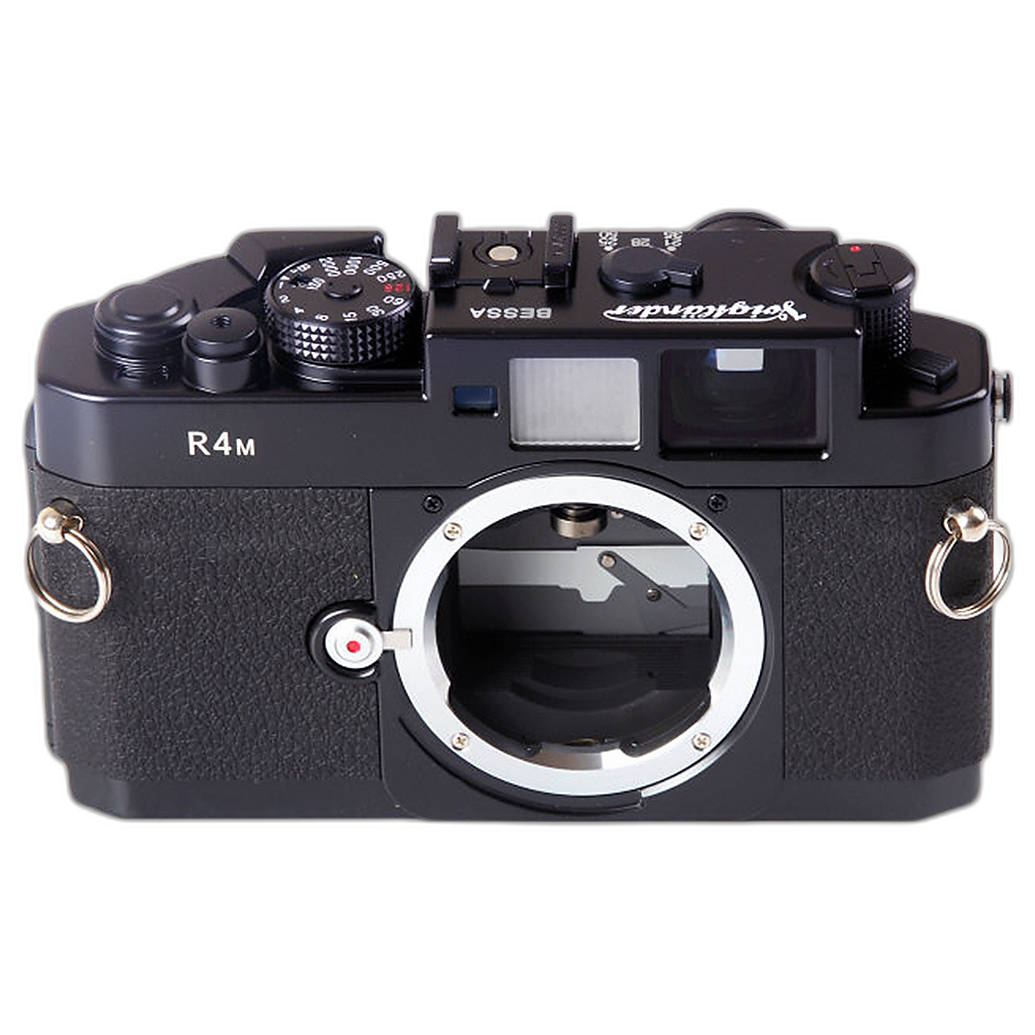
The Used Voigtlander Bessa R4M Classic is another strong example of a classic rangefinder-style film camera that appeals to photographers who want a manual, fast-paced shooting experience.
How to meter high-contrast scenes on film
High-contrast scenes are where film metering gets truly interesting. If you meter from the whole scene, bright skies or deep shadows can influence the reading too heavily. Instead, try metering from the most important midtone or shadow area you want to preserve, then place your exposure accordingly.
For color negative film, preserving shadow detail is often the priority. For slide film, highlights become much more critical because latitude is far narrower. If you are unsure, bracket. A three-frame sequence with one frame at the meter reading, one slightly over, and one slightly under can save an important shot.
Classic cameras with simple meters can still perform well here, but careful interpretation matters more than the reading itself. This is one reason many photographers enjoy the learning process of film: metering becomes part technical skill, part visual judgment.
Testing a used film camera meter before important shoots
If you recently bought a used film camera, it is wise to test the meter before relying on it for travel, events, or paid work. Compare it against a trusted digital camera, handheld meter, or meter app in several lighting situations: bright sun, shade, indoor window light, and low light. Take notes on whether the readings match or show a pattern of error.
If the meter is consistent but off by a fixed amount, that is manageable. If readings fluctuate unpredictably, an external meter may be the better solution. Unique Photo is a great source for used film cameras, and pairing a classic body with a dependable metering accessory can make the experience much more predictable.
Choosing the right metering setup for your film camera style
The best metering setup depends on how you shoot. If you want a self-contained camera for travel and everyday photography, a metered classic like a Leica M6 can be a strong choice. If you prefer fully mechanical simplicity, a meterless camera plus an accessory meter may be better. If you shoot portraits or studio work, a handheld incident meter gives you the most consistency.
Some photographers even use multiple approaches: sunny 16 outdoors, a shoe-mounted meter for walkaround shooting, and a handheld meter for controlled light. That flexibility is part of what makes classic film photography so rewarding.
At Unique Photo, film photographers can explore used rangefinders, compact classics, medium format bodies, and metering tools that support a wide range of shooting styles.
Conclusion: better metering means better film negatives
Learning to meter exposure with classic film cameras is less about chasing perfection and more about building consistency. Once you understand how your meter sees light, when to compensate, and when to trust an external meter or sunny 16, your results improve quickly. Negative film becomes easier to scan, black and white tones become more intentional, and difficult scenes become far less intimidating.
If you are building or refining your film kit, Unique Photo is a smart place to start. Consider exploring classic used film cameras, external light meters, and Leica accessories to match your workflow. Good internal linking opportunities for a related site experience could include pages for used camera equipment, used film cameras, light meters and accessories, and Leica-compatible accessories such as the KEKS M-Meter lineup.