If you are using Sony Lens Compare Beta to narrow down your next lens, the real advantage is not just seeing specs side by side—it is learning how to translate those differences into shooting decisions. A smart comparison can quickly reveal whether you need wider coverage, more flexibility, faster aperture performance, or a better everyday balance. Below are practical strategies to help you get more meaningful recommendations from the tool, especially when comparing popular options like the Sony FE 12-24mm f/2.8 GM Lens and the Sony FE 24-105mm f/4 G OSS Lens.
Start With the Job, Not the Spec Sheet
1. Build comparisons around real assignments
One of the best advanced strategies is to stop asking, “Which lens is better?” and instead ask, “Which lens is better for what I shoot most?” In Sony Lens Compare Beta, this means grouping lenses by use case before you begin evaluating details.
- For architecture, interiors, and dramatic landscapes, an ultra-wide option like the Sony FE 12-24mm f/2.8 GM Lens makes more sense as a starting point.
- For travel, events, portraits, and walkaround shooting, the Sony FE 24-105mm f/4 G OSS Lens gives you a much broader focal range in one lens.
If your typical workday includes multiple subjects and changing distances, zoom range may matter more than maximum aperture. If your work emphasizes scale and immersive perspective, the widest focal lengths may be the deciding factor.
Compare Focal Length in Terms of Framing Behavior
2. Think beyond the numbers and imagine camera position
Advanced users get more from comparison tools when they think in terms of how a lens changes their physical shooting position. Comparing 12-24mm against 24-105mm is not just about “wide versus zoom.” It is about where you need to stand and how the scene will feel.
- 12-24mm lets you exaggerate foreground elements, stretch spatial relationships, and fit difficult scenes into the frame.
- 24-105mm lets you move from moderately wide views to short telephoto compositions without switching lenses.
That means the Sony FE 12-24mm f/2.8 GM Lens may be the stronger recommendation for real estate, video gimbal work, and environmental storytelling, while the Sony FE 24-105mm f/4 G OSS Lens is often the smarter recommendation for creators who need one dependable lens for varied shooting days.
Use Aperture Differences the Right Way
3. Don’t overvalue speed if your subjects do not require it
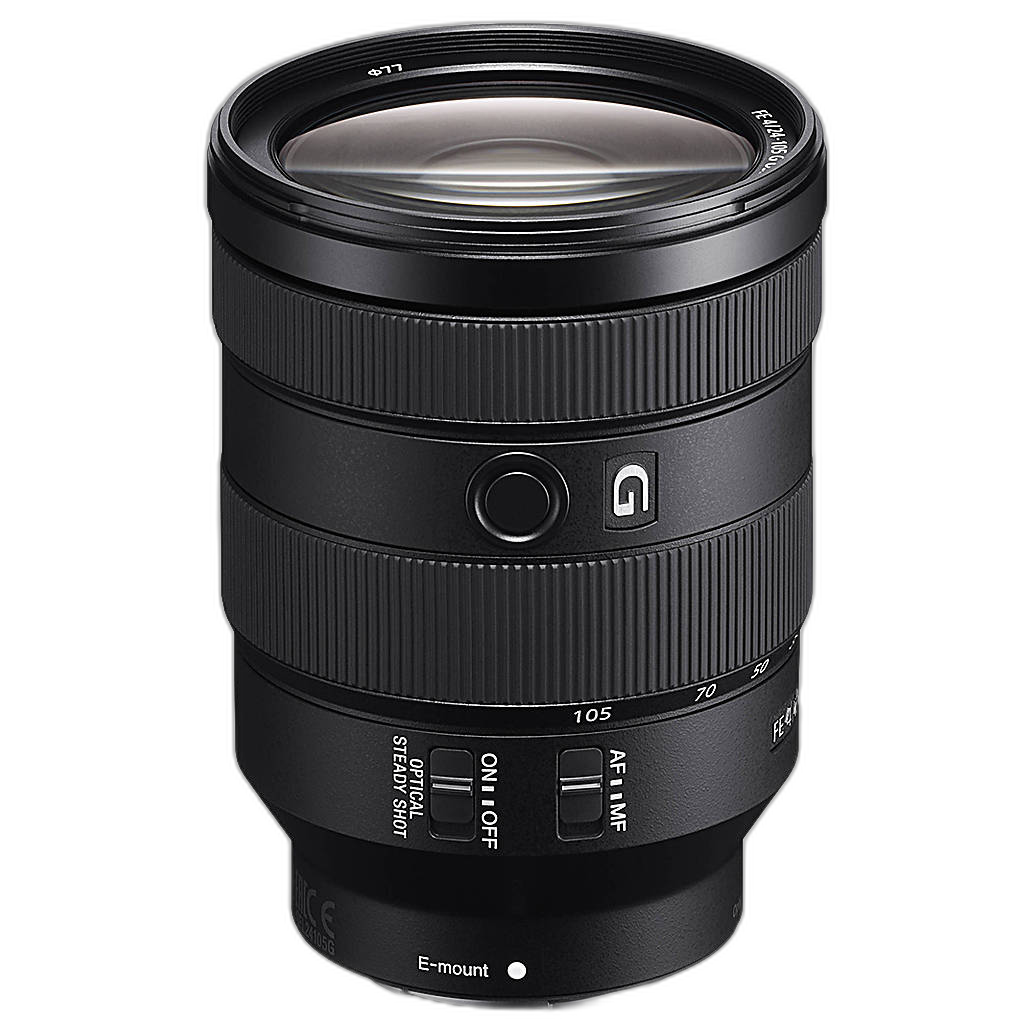
Lens Compare Beta can make aperture differences look decisive, but advanced recommendation strategy means placing that difference in context. A constant f/2.8 on the ultra-wide Sony FE 12-24mm f/2.8 GM Lens is especially useful for low-light interiors, astrophotography, and situations where every bit of light helps. However, the Sony FE 24-105mm f/4 G OSS Lens may still be the better practical choice if your priority is flexibility, reach, and stabilization-friendly everyday shooting.
When interpreting recommendations, ask:
- Do you often shoot in low light without a tripod?
- Are you trying to separate subjects with shallow depth of field, or are you usually stopping down anyway?
- Would broader focal range save more shots than one extra stop of light?
Those questions often lead to better buying decisions than aperture alone.
Prioritize Lens Role in Your Kit
4. Compare lenses as primary, secondary, or specialty tools
A useful advanced strategy is to classify each lens in your system before comparing. Not every lens needs to do everything.
- A primary lens should cover your most common assignments with minimal compromise.
- A secondary lens should fill a gap your main lens cannot cover.
- A specialty lens should solve a very specific creative or professional need.
Viewed this way, the Sony FE 24-105mm f/4 G OSS Lens often wins as a primary lens because of its wide-to-telephoto versatility. The Sony FE 12-24mm f/2.8 GM Lens shines as a specialty or complementary lens for shooters who already own a standard zoom and want a premium ultra-wide option.
Look at Edge Cases, Not Just Average Use
5. Let difficult shooting scenarios guide your final recommendation
When using any comparison tool, average performance is easy to understand. The better strategy is to think about the moments where your current lens limits you. Those edge cases often tell you what to buy next.
- If you regularly back into walls while photographing interiors, you probably need something like the Sony FE 12-24mm f/2.8 GM Lens.
- If you are missing candid moments because you need to switch lenses too often, the Sony FE 24-105mm f/4 G OSS Lens may be the stronger recommendation.
This method turns Lens Compare Beta into a problem-solving tool instead of just a comparison chart.
Pay Attention to System Expansion
6. Choose the lens that leaves room for your next move
Advanced recommendation strategy should account for where your system is going, not just where it is today. Before finalizing your choice, think about what lens you are likely to add next.
For example:
- If you plan to build a travel-friendly two-lens kit, starting with the Sony FE 24-105mm f/4 G OSS Lens could cover the widest range of daily needs.
- If you already own a standard zoom or a fast prime, adding the Sony FE 12-24mm f/2.8 GM Lens may expand your creative options more dramatically.
This kind of recommendation logic is especially helpful when two lenses are both excellent but serve different long-term kit strategies.
Use Handling and Workflow as Tie-Breakers
7. Think about how the lens affects your pace in the field
Once image quality and focal range are close enough, workflow becomes a major factor. Lens Compare Beta may help you shortlist lenses, but your recommendation should also reflect how you actually shoot.
- Do you prefer one-lens simplicity on trips and long event days?
- Do you work slowly and deliberately, setting up compositions for maximum impact?
- Do you need fewer lens changes to keep dust and downtime to a minimum?
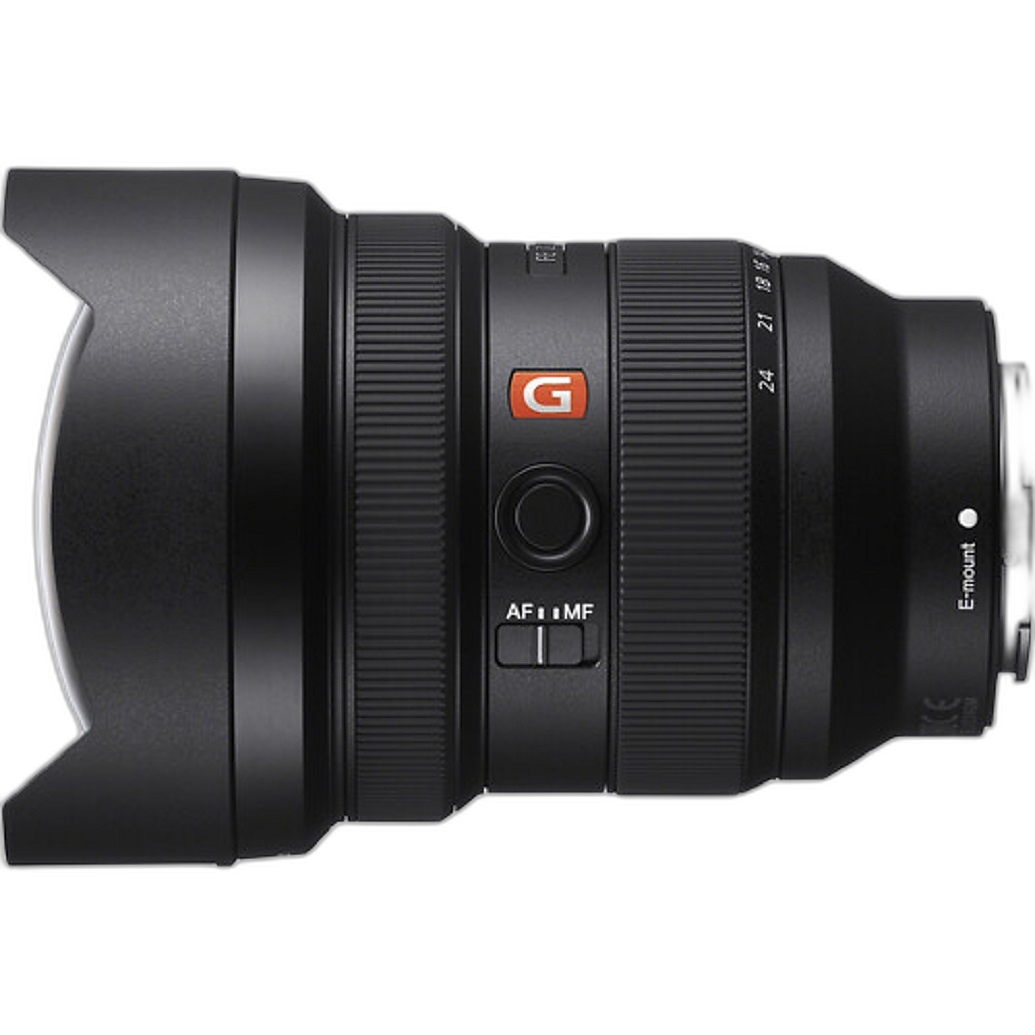
The Sony FE 24-105mm f/4 G OSS Lens naturally suits shooters who value speed and flexibility in changing environments. The Sony FE 12-24mm f/2.8 GM Lens fits shooters who intentionally pursue ultra-wide visual impact and need top-tier performance in that niche.
Make Recommendations Based on Output, Not Just Capture
8. Match your comparison to the final deliverable
A final advanced tip is to consider where your images will end up. The best lens choice for social media content can be different from the best lens choice for large prints, commercial work, or cinematic video production.
- For immersive real estate spreads, sweeping landscapes, and dramatic video establishing shots, the Sony FE 12-24mm f/2.8 GM Lens can be the more compelling recommendation.
- For mixed galleries, travel storytelling, documentary coverage, and general client work, the Sony FE 24-105mm f/4 G OSS Lens often delivers the more efficient all-around solution.
By tying Lens Compare Beta results to your final output, you avoid making a technically correct but practically wrong decision.
Conclusion
Sony Lens Compare Beta is most useful when you treat it as a decision framework instead of a simple spec checker. Compare lenses by assignment, by shooting distance, by kit role, and by the problems you need to solve most often. Whether you land on the ultra-wide creative power of the Sony FE 12-24mm f/2.8 GM Lens or the versatile everyday range of the Sony FE 24-105mm f/4 G OSS Lens, a smarter comparison process leads to a better recommendation. For more Sony gear and expert guidance, explore the selection at Unique Photo.