When event shooters compare gimbals and mechanical stabilizers, the conversation usually comes down to three things: how fast you can work, how dependable the setup is during a long day, and whether the results justify the cost. Weddings, corporate events, concerts, and live productions all demand smooth motion, but the right tool depends on your pace, your shooting style, and your tolerance for setup time. Below are practical tips to help you decide which stabilization approach makes the most sense for event coverage.

Start with the pace of the event
1. Choose a gimbal when speed and flexibility matter most
For many event shooters, a gimbal is the easier tool to deploy in fast-moving environments. If you are moving from bridal prep to ceremony coverage, or from backstage access to audience reactions at a concert, a modern motorized stabilizer can help you transition quickly between shots. Gimbals are especially useful when you need to switch directions, follow people through crowds, or capture dynamic walkthrough footage without spending too much time rebalancing your stance.
If your events involve lots of movement and changing angles, ease of use often tips the scale in favor of a gimbal. That is why so many discussions around event video, like Why Video: Panel Discussion with Gene Szucs and the Pros, tend to highlight fast, practical tools for real-world production days.
2. Consider a mechanical stabilizer for predictable, repeatable movement
Mechanical stabilizers still have a loyal following for good reason. They do not rely on batteries or motors, and once dialed in, they can produce beautifully organic motion. For event coverage with planned entrances, slow reveal shots, or cinematic venue details, a mechanical rig can feel very natural. Operators who have developed muscle memory with these systems often appreciate their reliability and the fact that there is less electronic complexity to manage during a live job.
The tradeoff is that they usually demand more practice. If your team is experienced and your event schedule allows for a more deliberate operating style, the price-to-performance ratio of a mechanical stabilizer can be excellent.
Think about reliability under pressure
3. Use mechanical systems when you want fewer electronic failure points
One of the strongest arguments for mechanical stabilizers is reliability. No batteries, no firmware, and no motor tuning means fewer variables on shoot day. For long events where charging logistics are inconvenient, that simplicity is valuable. If you routinely cover all-day conferences or multi-location productions, mechanical stabilization can provide peace of mind.
That kind of practical gear thinking often comes up in educational sessions and live discussions. Events such as the Sony Inspirational Panel Discussion with Gene Szucs and the Pros reflect how important reliability becomes once you are shooting professionally and under deadline.

4. Use gimbals when reliability means faster recovery and easier operation
Reliability is not only about avoiding failure. It is also about how quickly you can recover when things change. A gimbal can be more reliable for newer operators because it reduces the skill barrier to getting smooth footage. If a second shooter needs to step in, or if you need to move from a wide lens to a moderate focal length setup quickly, a gimbal often makes that handoff easier.
In practical event work, dependable results are often more important than theoretical perfection. A tool that helps your crew get usable footage consistently may be the better choice even if it is more electronic.
Match your budget to your workflow
5. Compare total cost, not just purchase price
When members debate price-to-performance, the smartest comparison includes more than the upfront cost. A mechanical stabilizer may cost less than a premium gimbal, but it can require more time to master. A gimbal may cost more initially, yet save time in training, setup, and shot execution. For solo event shooters, time savings can translate directly into value.
Think about accessories too: batteries, quick-release plates, support vests, stands, and transport cases all affect the real cost of ownership. The best value is the system that gets you through an event day with less friction.
6. Factor in learning curve as part of price-to-performance
A lower-cost tool is not automatically the better deal if it slows you down. Mechanical stabilizers reward practice and technique, while gimbals can help newer shooters get started faster. If you are building an event team or training assistants, that matters. A system that is easier to teach may deliver better long-term performance for your business.
Discussions around concert and live-event shooting, such as PCS: Discussing Concert Photography with Ricky Shoebio (Nanlite, Tamron), often reinforce this point: the best gear is the gear you can operate confidently when the moment happens only once.
Choose based on the type of coverage you deliver
7. Pick a gimbal for energetic highlight reels and social-ready clips
If your clients want high-energy recap videos, moving portraits, dance-floor footage, or immersive venue walk-throughs, a gimbal is often the better fit. It supports the flowing movement and quick direction changes that feel current in event video. This is especially useful for social media edits where motion adds polish and momentum.
8. Pick a mechanical stabilizer for timeless, cinematic movement
For shooters who want a more classic floating look, mechanical stabilization still holds real appeal. It can produce motion that feels less robotic and more handcrafted. In formal events, luxury weddings, and carefully staged sequences, that look may align better with the final edit.
Practice smarter before the job
9. Test your stabilization setup at workshops, talks, and community events
One of the best ways to decide between a gimbal and a mechanical stabilizer is to handle both in real shooting conditions. Community gatherings, artist talks, and educational meetups are great places to learn from working shooters and compare operating styles. A program like Film Lovers Event: Artist Talk and Discussion (Philly) is a reminder that growing as an event creator is not just about buying gear—it is also about hearing how others solve real production challenges.

10. Make a simple shot list and mark what each system does best
Before your next event, list the shots you regularly deliver: entrances, crowd reactions, room details, speaker walk-ons, dance-floor coverage, and interview-style clips. Then decide whether each shot benefits more from the speed of a gimbal or the deliberate feel of a mechanical stabilizer. Even a basic written plan can help clarify where your money should go.
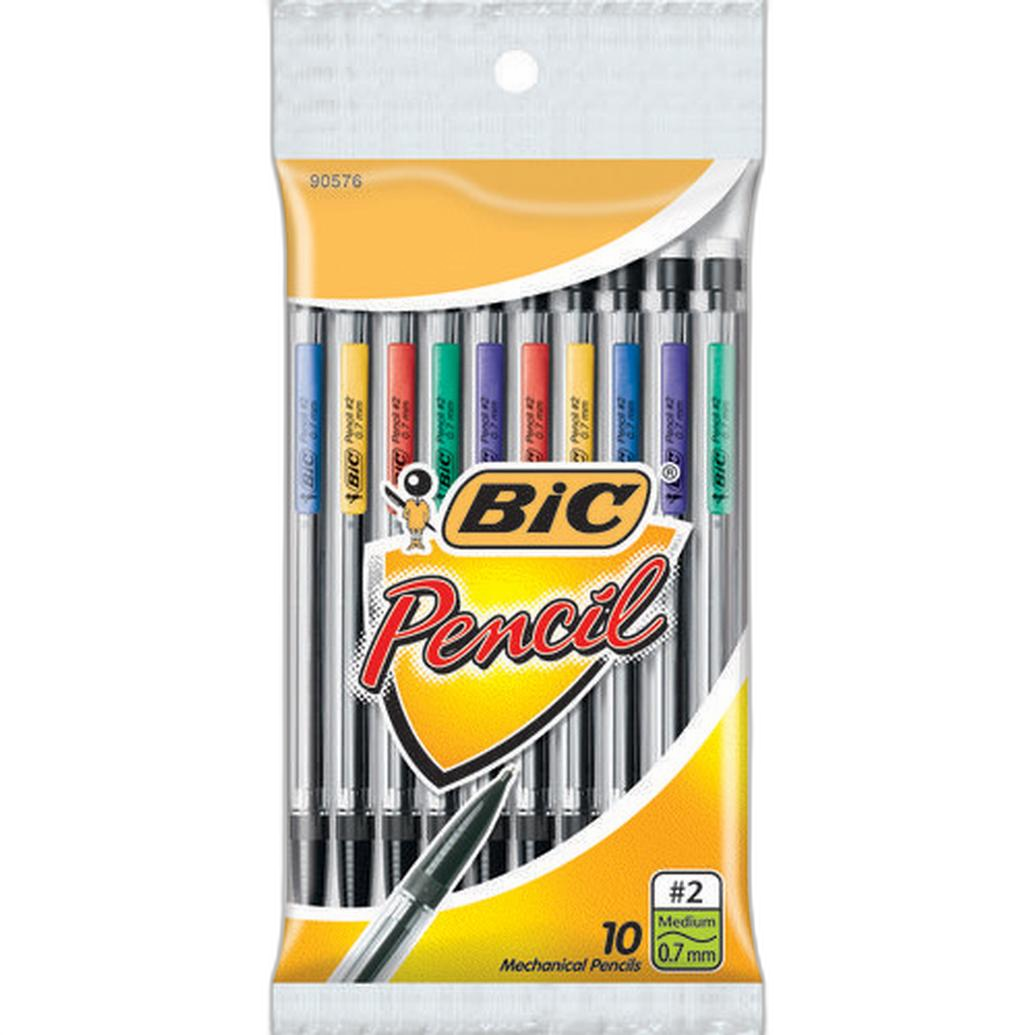
And yes, even old-school planning tools help. A simple item like the Bic Mechanical Pencil 10 Pack Pouch can be handy for building paper shot lists, timing notes, or operator checklists before a live production day.
Conclusion
There is no universal winner in the gimbal-versus-mechanical-stabilizer debate. Gimbals usually offer faster setup, easier operation, and strong value for fast-paced event work. Mechanical stabilizers offer simplicity, proven reliability, and a distinctive feel that experienced operators still love. The right choice comes down to your schedule, skill set, and the kind of footage your clients expect. Keep testing, keep refining your workflow, and if you want more inspiration, education, and event-focused insight, Unique Photo is a great place to continue the conversation.