Event videography rarely gives you a second chance. Whether you’re covering a wedding entrance, a corporate keynote, or a packed dance floor, your support system can make the difference between polished footage and distracting shake. The big question is whether a motorized gimbal or a traditional stabilizer is the better fit. The truth is that both have strengths, and the best choice depends on your shooting style, event pace, and how long you need to stay mobile.
Below are practical tips to help you decide which tool belongs in your event kit.
Understand What Each System Does Best
1. Choose a gimbal for fast-paced, high-variety coverage
A gimbal uses motors to keep your camera level and smooth, which makes it especially useful for unpredictable event work. If you’re moving quickly from speeches to candid reactions to detail shots, a gimbal helps you switch angles and directions without losing control. This is why many event shooters lean toward motorized support for modern hybrid coverage.
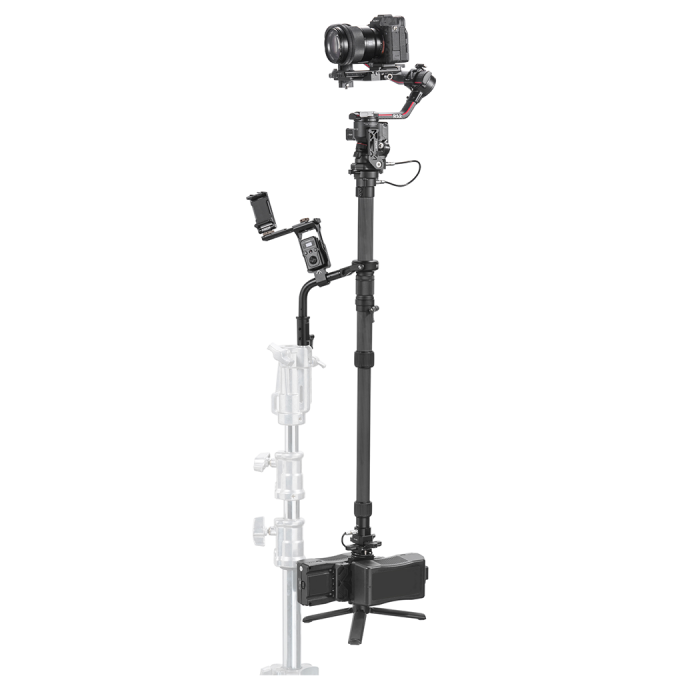
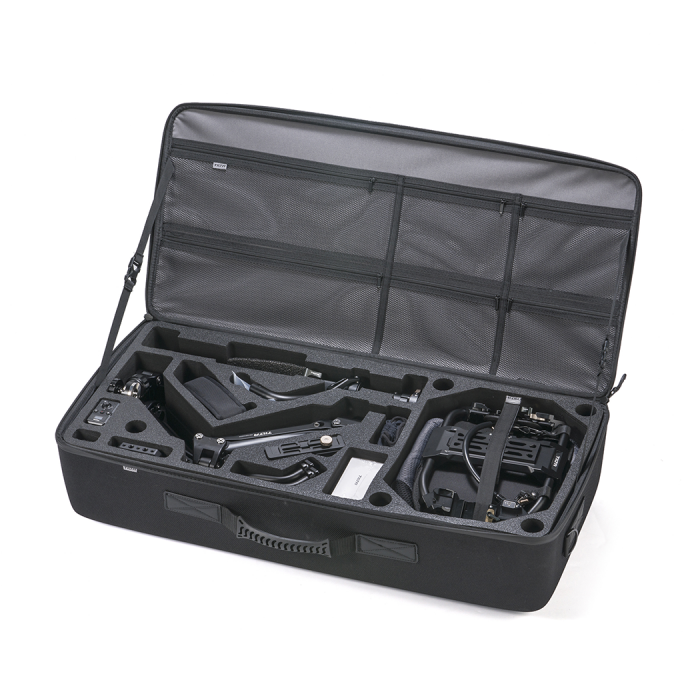
If you’re already using a DJI RS2 or RS3 setup, a support option like the Tilta Float Handheld Gimbal Support System for DJI RS2/3 - Gold Mount can be a smart upgrade for long event days. It helps redistribute weight so you can keep shooting smoother footage for longer stretches without burning out your arms.
2. Choose a traditional stabilizer for a more organic, floating look
A mechanical stabilizer doesn’t rely on motors, batteries, or app connectivity. That simplicity can be appealing for shooters who like a natural glide and want fewer electronic variables during a live event. Traditional stabilizers can also be a budget-friendly path into stabilized movement.
For example, a Used Glidecam HD4000 Stabilizer System - Good Condition can be a practical option for videographers who want smooth motion without committing to a more expensive motorized setup. It may take more practice than a gimbal, but some shooters prefer the feel and the freedom from battery management.
Match Your Support System to the Event Type
3. Weddings and social events usually favor gimbals
At weddings, quinceañeras, and other social events, you’re often weaving through crowds, following people through tight spaces, and changing pace constantly. Gimbals excel here because they help with dynamic movement: following a couple during a first look, circling a dance floor, or tracking a grand entrance.
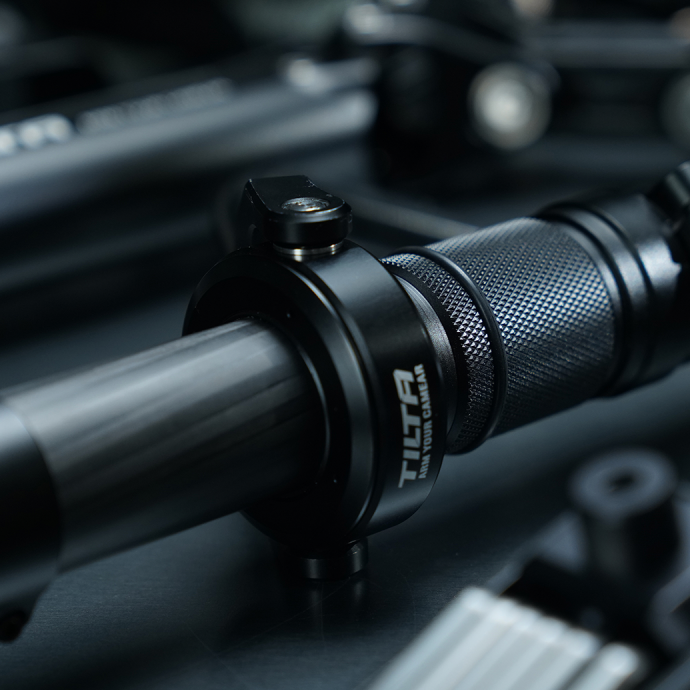
If your setup gets heavier with accessories, adding components such as the Tilta Gimbal Ring Adapter for Mini V-Mount Battery Plate can support a more production-ready rig, especially when you need longer power options during extended event coverage.
4. Ceremonial, formal, or slower productions can work well with a stabilizer
Not every event demands rapid repositioning. For slower-moving coverage, such as formal processions, staged performances, or controlled venue walkthroughs, a traditional stabilizer can still be an excellent choice. If your shots are planned and your movement is deliberate, a mechanical system can produce elegant floating footage with a cinematic feel.
Think About Fatigue Before You Commit
5. Long event days often come down to comfort, not just image quality
One of the biggest surprises for newer event shooters is how physically demanding stabilization can be. A standalone gimbal may feel great for a few minutes, but after hours of handheld operation, even a compact camera rig gets heavy. That’s where support systems matter.
The Tilta Float Handheld Gimbal Support System for DJI RS2/3 - Gold Mount is especially relevant for event professionals because it’s designed to reduce strain while preserving the responsive movement that makes gimbals attractive in the first place. If you regularly shoot all-day events, comfort can directly affect the quality and consistency of your footage.
6. Simpler gear can reduce mental load during live coverage
A traditional stabilizer has a learning curve, but once balanced, it can be refreshingly straightforward. No motors, no charging cycles, and no mode switching. For some videographers, that simplicity is a major benefit during live jobs where attention should stay on moments, not menus.
On the other hand, if you’re comfortable with modern camera rigs and regularly fine-tune settings, the control of a gimbal may still outweigh the simplicity of a manual stabilizer.
Factor In Setup Time and Reliability
7. Gimbals are convenient, but they need power and proper balancing
Modern gimbals are easier to use than ever, but they still require prep. You’ll need charged batteries, a well-balanced camera, and enough time before the event to confirm performance. If you’re changing lenses often or adding accessories like external power, that setup process can slow you down unless your rig is dialed in.
This is where accessories designed for expanded gimbal configurations, including the Tilta Gimbal Ring Adapter for Mini V-Mount Battery Plate, can help build a more event-ready system for longer shoots.
8. Traditional stabilizers reward practice more than menu knowledge
A mechanical stabilizer can be very reliable once you understand how to balance it and move with it. There’s less electronics-related troubleshooting, but there’s also less correction if your operating technique isn’t solid. If you choose this route, rehearsal matters. Walking heel-to-toe, controlling your turns, and keeping your upper body steady are key skills.
Improve Results with Training and Practice
9. Learn movement techniques, not just gear features
No matter which system you choose, technique matters more than many shooters expect. Knowing when to use a slow push-in, when to hold a wider moving shot, and when to stop moving entirely is what separates polished event coverage from footage that feels overproduced or distracting.
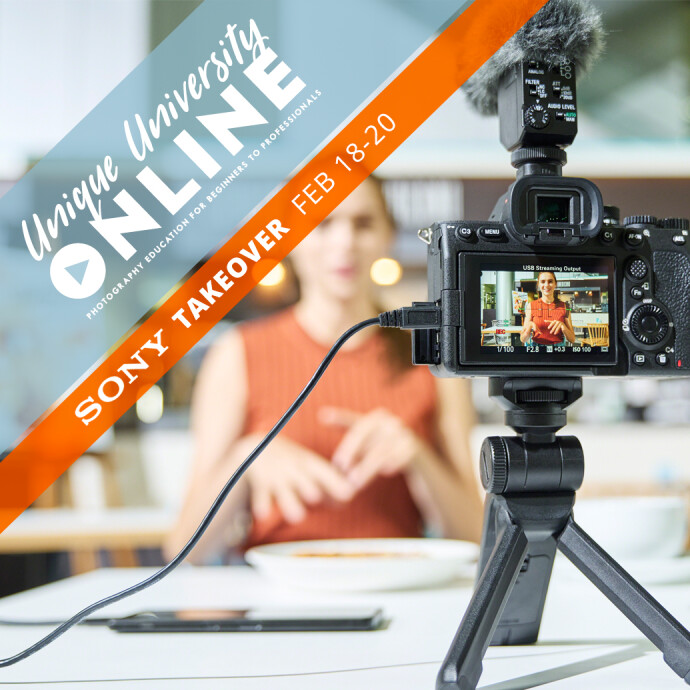
Workshops and classes can help sharpen those instincts. Programs like UUOnline (Sony Takeover): Videography Basics with Sony are useful for building core shooting skills, while event-focused education such as Seminar: How to Capture Great Festival and Event Photos with David Wells can help you think more strategically about anticipating moments in crowded, fast-changing environments.

10. Test your support choice before the paid job
The best way to decide between a gimbal and a stabilizer is to simulate a real event. Practice in a busy environment, follow subjects through doorways, shoot low angles, and hold a moving shot longer than you think you’ll need to. The right tool is the one that lets you stay creative under pressure while consistently delivering usable footage.
So, Which Is Better?
For most modern event videographers, a gimbal is the more versatile choice. It’s faster to operate in unpredictable situations, easier to adapt to dynamic coverage, and often better suited to weddings, parties, and corporate events. If you frequently shoot for long hours, pairing your setup with a support solution like the Tilta Float Handheld Gimbal Support System for DJI RS2/3 - Gold Mount can make a major difference.
That said, a traditional stabilizer is still a valid option for shooters who prefer a battery-free setup, a natural floating feel, and a lower-cost entry point, especially with options like a Used Glidecam HD4000 Stabilizer System.
Whichever route you choose, practice is what turns stabilization gear into storytelling gear. If you’re building out your event kit or looking to improve your technique, Unique Photo is a great place to explore gear, training, and expert guidance for your next shoot.