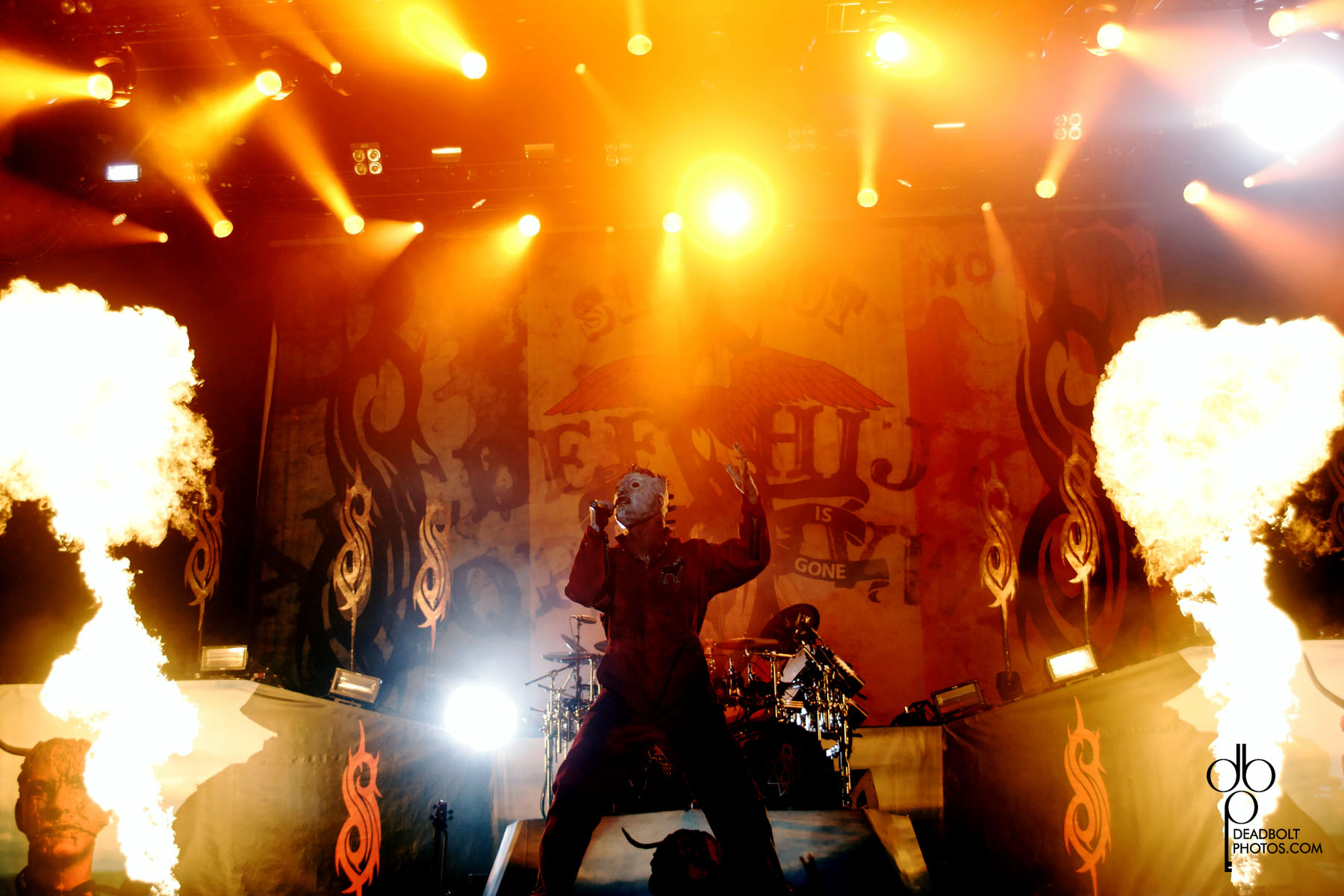
The other day, I was talking to Dan Schenker, a friend and fellow photography enthusiast, about a few things. The discussion led, as it often does, to our appreciation of the arts. We had begun talking about how monetary support for artists has dwindled in the last ten years. Coincidentally, Dan and I both went out and did something that isn't done often enough anymore: we bought a CD.
 Image Copyright Keeyahtay Lewis / Deadbolt Photos. Used with permission.
I am a concert photographer by trade. I've been given opportunities to shoot some of the biggest acts in the world, but because of some clients' unrealistic photo releases, I had to turn them down. This is what we as photographers refer to as a “total rights grab”: the subject of the photos or the one commissioning the shoot owns your images. But more on that later.
These two topics led us to ask an important question: how much is art or an artist worth? I cannot imagine Justin Timberlake loses much sleep wondering how many people are illegally downloading his music. As time goes on, it seems that photographers are being treated with more indifference, as if what we do is not important. Dan said to me, "it's ironic how the photos SELL the shows. Granted, it's the music that gets people there, but it's the photos that keep people talking about it." I think that sums it up nicely. It’s a shame that we live in a world in which photographers are given minimal rights or credit for anything. If I walked into a store and stole a drink, I’d get arrested. But our work is expected oftentimes for free, with the subjects of the photos claiming ownership. They can then do whatever they want with them: use them for shirts, posters, and other merchandise. Often, we are expected to swallow our pride and move on.
What about those of us who create these images? The ones who make the artists look good? Frankly, I have taken pictures that have upgraded an otherwise mundane performance and helped to amplify the artist’s desired image. I’ve considered not making a big deal about this, but honestly, forget that. I am. This is a big deal, and it pisses me off.
 Image Copyright Keeyahtay Lewis / Deadbolt Photos. Used with permission.
It has taken a lot of work to get to where I am. A lot of practice. Countless hours honing my craft. I know that a lot of people think you can pick up a camera and push a button, but that’s not true. If you don’t think that being a good photographer is a skill, then you should try to shoot a concert, where lighting conditions literally change by the second. That doesn’t even include the smoke, strobes, and the nightly occurrence of people crowd-surfing into the back of my head.
It really is a shame. It makes me sad for future photographers, as I am sure this will get worse.
It’s difficult for me to understand why “creatives” are seen as throw-away entities that don’t deserve anything in return. Which brings me back to the “total rights grab”. That piece of paper I've been expected to sign has said that they would take RAW copies of my photos with expectations of edited, high-res images to follow. They wanted the rights to use my photos for anything -- at any time, forever -- without any notice, and I could only dream of seeing any money from it. Just typing this out makes me annoyed. How nuts does that sound?
 Image Copyright Keeyahtay Lewis / Deadbolt Photos. Used with permission.
But it isn't just photography. People have been stealing music and movies for years. We’ve all done it. I won't pretend like I haven't downloaded music at some point because I have. But when a band you love puts out something great, you should support that band and buy their record. Go see them play, bring your friends, and buy their merchandise. That is how to show support. That is how you give them a chance to continue creating music.
I have decided to take a stand with many other photographers and refuse to sign these release. This means that when an artist or venue demands the rights to all of our photos, there will be no one there to take pictures. Thus, no photos can be used to promote the locations or the artists. These “total money grab” photo releases have become an unfortunate commonplace nowadays. When you have a chance to photograph a huge act, it is hard to say no. By holding our ground, we hope that change will come at some point.
 Image Copyright Keeyahtay Lewis / Deadbolt Photos. Used with permission.
The people that create the art that you love are simply people, just like you and I. We cannot pay our bills with exposure. I and many others work very hard to be good at what we do. Shouldn’t that be worth something? But it’s not just about money. For example, someone on tumblr will post your photo but will crop out your logo, or a band will use your images to promote themselves without checking with you first. I’ve had images of mine published in print and on very popular sites with no credit given at all. Forget about the fact that no one asked for permission -- I wasn't even credited.
I know of a few talented photographers who recently quit due to some of these things. I know bands that needed to break up because they couldn't afford to keep playing and recording music. I know of painters who couldn't afford canvas. To put it plainly, art is hard. The stereotype of the "starving artist" is an accurate one. But as a culture, art should be viewed as an important entity. No one starts taking pictures of bands because they expect to be rich. The people that make a living shooting music are few and far between. When I picked up a camera I never thought it would make me famous. But, credit should be given where credit is due, and money should be given to the person who created the content that is sold.
 Image Copyright Keeyahtay Lewis / Deadbolt photos. Used with permission.
That is how it works for everything else in the world. If I worked at a burger joint making food, I would be paid to make those burgers. If I pumped gas, I would be paid to pump gas. If I worked in a factory making car parts, I would be paid for the time put in. Why is it different when it comes to art, or in my personal case, photography? Photographers deserve to be compensated financially for their craft just as much as any other profession. The money they make is put toward the necessary expenses every artist must endure: Travel, equipment, promotion, housing, and food. It needs to be recognized that photographers have basic needs too. These photographers provide content that can bring in bigger audiences and more revenue.
As an artist, I do what I do because I love it, and because I cannot picture myself doing anything else. That being said, everyone wants to make a bit of money from their job. Photographers and other artists are no different. If you like Justin Timberlake, go buy his CD. (It really is amazing.) If you want to support your favorite band, go see them on tour. If you like what I am doing, come say hello to me at a show or visit my website.
[Author's note: Thanks to Dan Schenker and Tim Kauger.]
-----
About the author:
Keeyahtay Lewis is a New Jersey-based concert, wedding, and lifestyle photographer. He is no stranger to working with huge clients, having taken photos for Google, Live Nation, PNC Bank Arts Center. He has been published on numerous websites, publications, and in major magazines. For more information on Deadbolt Photos, visit www.deadboltphotos.com.