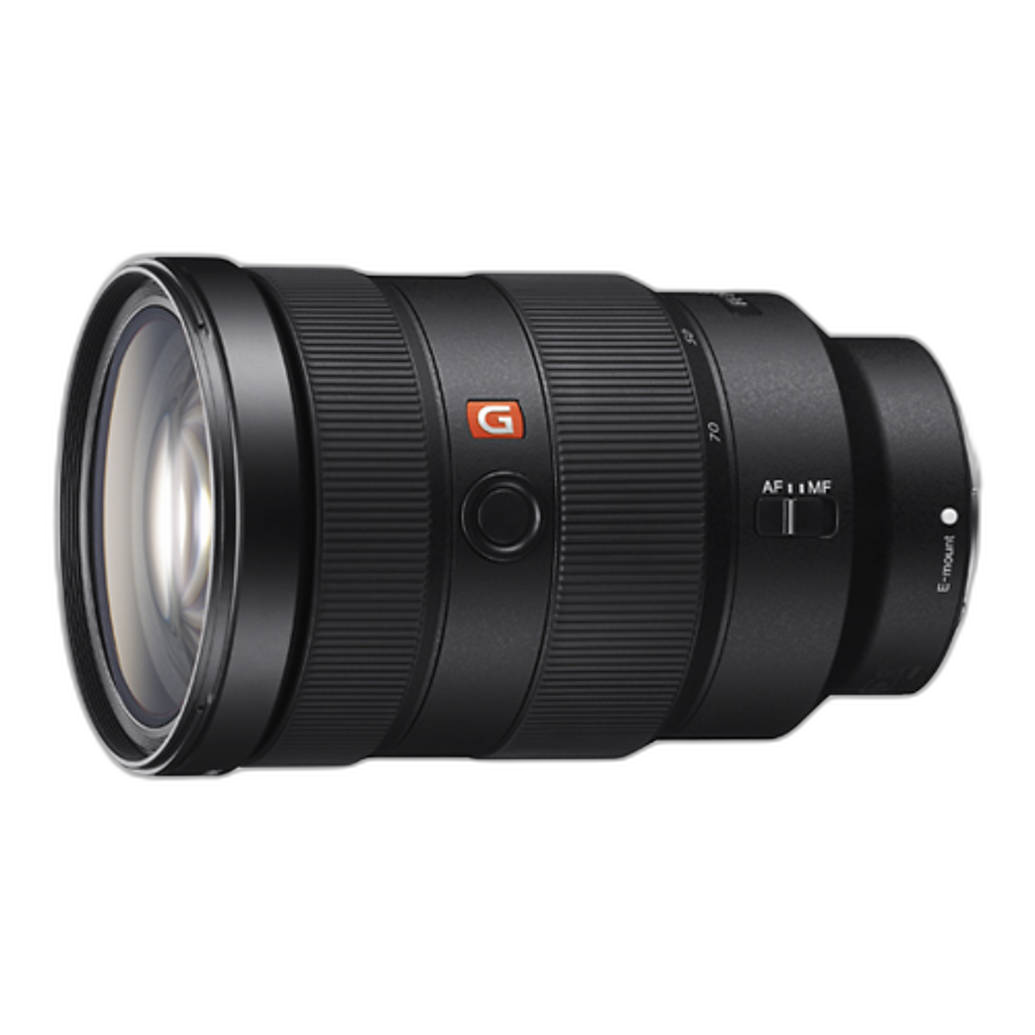
Sony’s FE mount has matured into one of the deepest full-frame mirrorless lens ecosystems on the market. By 2025, photographers and hybrid creators shopping for Sony full-frame bodies are no longer asking whether there are enough lenses—they are asking which FE lenses make the most sense for the way they actually work. That is an excellent problem to have.
This guide looks at the best Sony FE lenses right now by use case, with a practical focus on how buyers tend to shop in the real world. Some need a portrait specialist with beautiful subject separation. Others want a landscape lens with wide coverage and strong edge-to-edge rendering. Wildlife shooters care about reach, autofocus confidence, and handling. Video users need dependable focus behavior, useful focal lengths, and often a lens that fits into a broader production kit. And of course, many buyers simply want the smartest value in the system.
Because this is an archival buying guide written from the 2025 period, the recommendations below reflect the FE system as it stands in that moment: broad, competitive, and mature enough that "best" often depends less on absolute optical hierarchy and more on matching the lens to the job.
Why the Sony FE System Is So Strong in 2025
Sony launched FE as the full-frame E-mount lens line for its mirrorless cameras, and over time the system grew from a promising but selective lineup into a comprehensive platform spanning compact primes, professional zooms, super-telephotos, and creator-focused optics. By 2025, FE buyers benefit not only from Sony’s own lens development but from years of lens design refinement across the mount as a whole.
For many shoppers, the strength of FE is choice. Sony offers high-end G Master optics, versatile G-series lenses, compact primes, and more budget-conscious options within the mount family. That makes it possible to build around very different priorities: ultimate image quality, reduced size and weight, video-friendly operation, or overall value.
Best Sony FE Lenses for Portrait Photography
What portrait shooters should prioritize
Portrait photographers typically look for flattering focal lengths, strong subject isolation, smooth out-of-focus rendering, and autofocus that can keep up with eye-detection systems on modern Sony bodies. In the FE system, portrait buyers can choose between classic fast primes and highly capable zooms.
Best fit: fast FE portrait primes
If portraiture is your primary specialty, a fast FE prime is still the most direct answer. These lenses are favored for their ability to create separation between subject and background while maintaining the natural perspective portrait photographers often want. In the FE ecosystem, this category has become one of Sony’s strongest by 2025, with multiple options at traditional portrait focal lengths and premium rendering that appeals to wedding, editorial, and studio shooters alike.
The appeal of a dedicated portrait prime is not only shallow depth of field. It is also consistency. A lens built with portrait work in mind tends to encourage a rhythm: you move with intention, frame carefully, and make the look of the lens part of your style. For many FE users, this remains the most satisfying route for headshots, environmental portraits, and wedding coverage.
Alternative: standard FE zooms for portrait flexibility
Not every portrait photographer wants to work with a single prime. Event shooters, family photographers, and hybrid professionals often prefer a standard zoom because it lets them move quickly between wider contextual portraits and tighter framing without changing lenses. In the Sony FE system, a high-quality standard zoom can be the most practical portrait lens you own, especially when assignments demand speed over specialization.
If you shoot portraits professionally but also cover events or commercial work, a standard FE zoom may be the better first purchase, with a portrait prime added later when you want a more distinctive rendering style.
Best Sony FE Lenses for Landscape Photography
What landscape photographers should prioritize
Landscape photographers usually care about wide coverage, strong detail from center to edge, manageable distortion, and the ability to work comfortably in changing outdoor conditions. Depending on shooting style, the best FE landscape lens may be an ultra-wide zoom, a wide prime, or even a standard zoom with excellent stopped-down performance.
Best fit: ultra-wide FE zooms
For most Sony landscape shooters in 2025, the safest recommendation is an FE ultra-wide zoom. This type of lens gives you compositional freedom in the field, which is especially valuable when working with foreground elements, uneven terrain, or changing weather and light. Instead of committing to a single focal length, you can fine-tune framing at the tripod or react more quickly when conditions are brief.
Ultra-wide zooms are especially useful for travel landscapes, seascapes, mountain scenes, and architectural environments where a little extra width can transform the composition. In the FE lineup, this category has become a core strength, and serious landscape photographers have multiple credible choices depending on how much they value speed, portability, or top-tier optics.
Alternative: compact wide FE primes
Some landscape photographers prefer a smaller kit and a more deliberate way of working. For them, a compact FE wide prime can be the better companion. Prime users often appreciate lower carry weight, simpler field kits, and the discipline that comes from learning one angle of view deeply. A strong wide prime can also serve double duty for travel, documentary work, and low-light environmental images.
If your landscape style emphasizes hiking, simplicity, and portability, a compact FE prime may be more useful than a larger zoom, even if the zoom offers more flexibility on paper.
Best Sony FE Lenses for Wildlife Photography
What wildlife shooters should prioritize
Wildlife photography places very different demands on a lens. Reach is critical, but so are autofocus responsiveness, subject tracking, handling, and practical mobility. The best FE wildlife lens is often the one you can carry, deploy quickly, and trust with moving subjects.
Best fit: telephoto and super-telephoto FE zooms
For the majority of wildlife photographers, a telephoto or super-telephoto FE zoom is the most practical solution. Zoom flexibility matters in the field, where subject distance can change instantly and opportunities may be brief. By 2025, Sony’s full-frame mirrorless platform is well established among action and wildlife shooters, and FE telephoto zooms are a major reason why.
These lenses suit birding, safari travel, field sports crossover use, and general nature photography. They also tend to be a more approachable entry point than large fixed super-telephoto primes, which remain aspirational tools for many photographers but are less realistic as a first wildlife purchase.
Alternative: long FE primes for dedicated specialists
Photographers who shoot wildlife as a primary discipline may still gravitate toward a long prime. The advantages are familiar: simplified framing discipline, potentially stronger subject isolation, and a professional workflow built around one focal length. But this path usually makes the most sense once you already know your subjects, distances, and shooting habits. For most buyers entering wildlife work in the FE system, a telephoto zoom remains the smarter first lens.
Best Sony FE Lenses for Video
What video creators should prioritize
Video shooters in the Sony ecosystem often shop differently from still photographers. They may care less about maximum aperture heroics and more about focus consistency, practical focal ranges, size on rigs or gimbals, and how a lens fits into a repeatable production setup. Hybrid creators may also need one lens that handles interviews, b-roll, stills, and travel work all in the same week.
Best fit: versatile FE zooms
A versatile FE zoom is often the best starting point for video. It allows creators to work quickly, adapt to changing set conditions, and avoid constant lens swaps. For documentary work, event coverage, run-and-gun production, and small-team commercial shooting, a dependable zoom is usually more useful than a bag full of specialty primes.
Standard zooms are often the center of a video kit because they cover the most common framings. Wide zooms also matter for interiors, gimbal work, real estate, and establishing shots. In 2025, Sony FE buyers building a video kit are in a strong position because the mount supports both compact setups and more cinema-adjacent workflows.
Alternative: compact FE primes for controlled productions
If your work is more narrative, interview-based, or intentionally stylized, compact FE primes can make excellent video lenses. They encourage consistency in framing and can help create a cleaner, more deliberate lens package. For creators who light scenes carefully and repeat setups, primes can be ideal. But for many working buyers, the flexibility of a zoom still makes it the first lens to own.
Best Sony FE Lenses for Budget-Conscious Buyers
What value-minded shoppers should prioritize
Budget does not have to mean settling. One of the most important developments in the FE system by 2025 is that buyers can enter full-frame Sony with lenses that are genuinely useful, not just placeholders. The smartest budget lens is not necessarily the cheapest; it is the one that will stay in your bag after your skills improve.
Best fit: practical standard zooms and modest primes
For most budget-minded FE buyers, the best first lens is either a practical standard zoom or a modest prime. A standard zoom gives you broad everyday coverage and helps you learn what focal lengths you actually use. A modest prime can deliver strong image quality, low-light utility, and a more distinctive look without requiring a large investment.
If you are new to the FE system, think in terms of longevity. A lens that covers daily shooting, travel, portraits, and casual video may offer far more value than a niche optic bought too early. Budget buyers often make the best decisions when they start broad, learn their preferences, and specialize later.
How to Choose the Right FE Lens for Your Needs
Start with your main subject, not the lens hype
It is easy to shop for lenses by reputation alone, especially in a mature mount like Sony FE. But the better approach is to identify your main use case first: portrait, landscape, wildlife, video, or all-around value. Once you know what you actually shoot most, the field narrows quickly.
Think about kit balance
The best Sony FE lens for you should make sense with your camera body and your existing gear. A small travel-oriented body may pair better with compact lenses. A more grip-heavy professional body may feel more balanced with larger zooms or telephoto options. Balance matters in day-long use more than many buyers expect.
Buy for the next two years, not the next two weeks
A lens purchase should support the kind of work you expect to do, not just the assignment or trip immediately ahead. If you are growing into portraiture, buy the lens that will still be useful when your technique advances. If you are moving toward wildlife, choose a lens that gives you room to learn tracking and long-lens handling. The FE system rewards long-term thinking because it is broad enough to build around strategically.
Final Thoughts
The best Sony FE lenses right now are best understood by role. Portrait photographers should lean toward fast primes or flexible standard zooms. Landscape shooters are often best served by ultra-wide zooms or compact wide primes. Wildlife photographers usually need telephoto reach first and perfection second. Video creators benefit from versatile zooms that support real production workflows. And budget-minded buyers should focus on lenses with lasting usefulness rather than the lowest sticker price.
That is the real strength of Sony FE in 2025: not just optical quality, but the ability to build a system around how you actually work. If you are ready to compare Sony FE lenses, upgrade your kit, or get expert guidance on the best option for your style of shooting, Unique Photo is a great place to buy, explore the system, or learn more.