DSLR vs Mirrorless: What Enthusiast Photographers Need to Know
For enthusiast photographers, the DSLR vs mirrorless debate is less about which format is universally “best” and more about which system best fits the way you like to shoot. Both can produce excellent image quality, offer interchangeable lenses, and support everything from landscapes and portraits to travel and action photography. The difference comes down to handling, autofocus behavior, size, lens ecosystems, battery life, and long-term system growth.
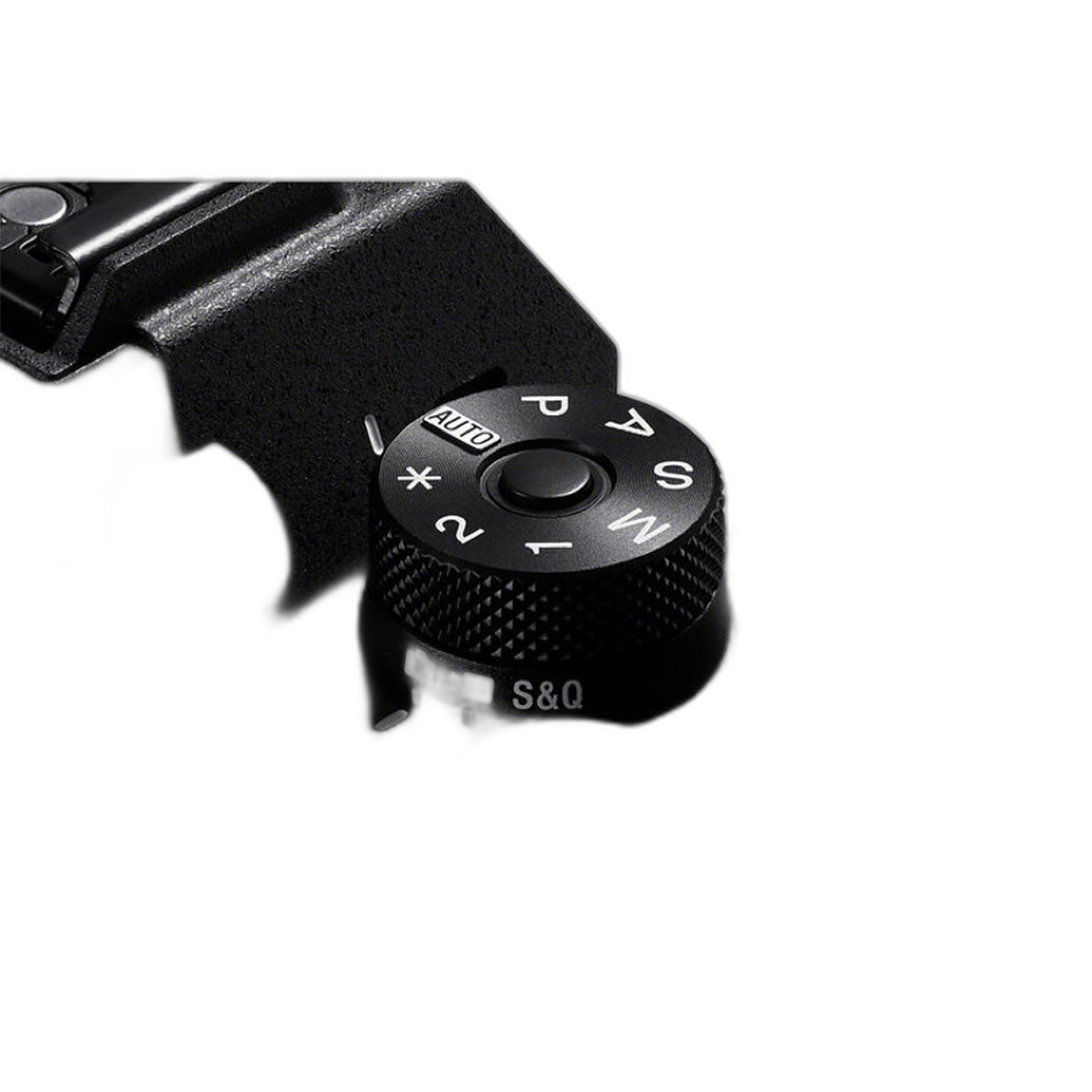
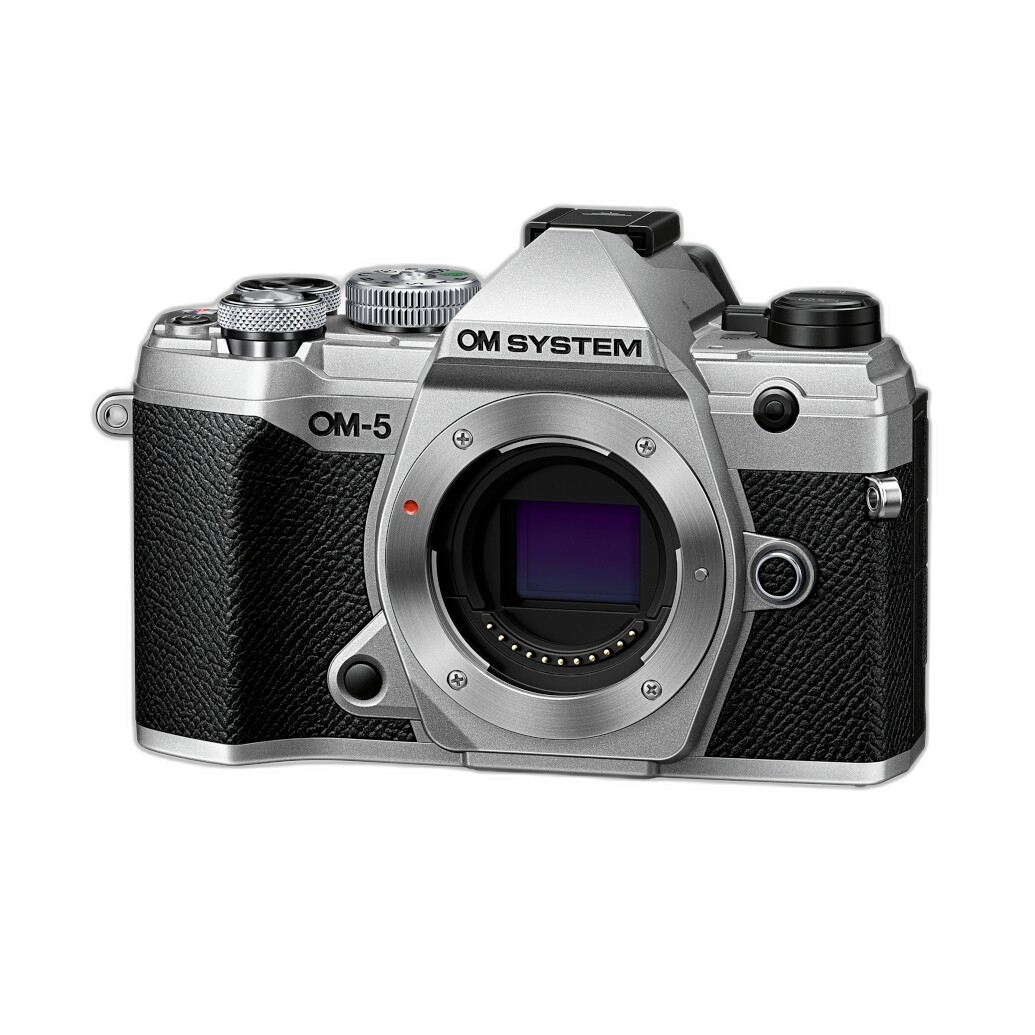
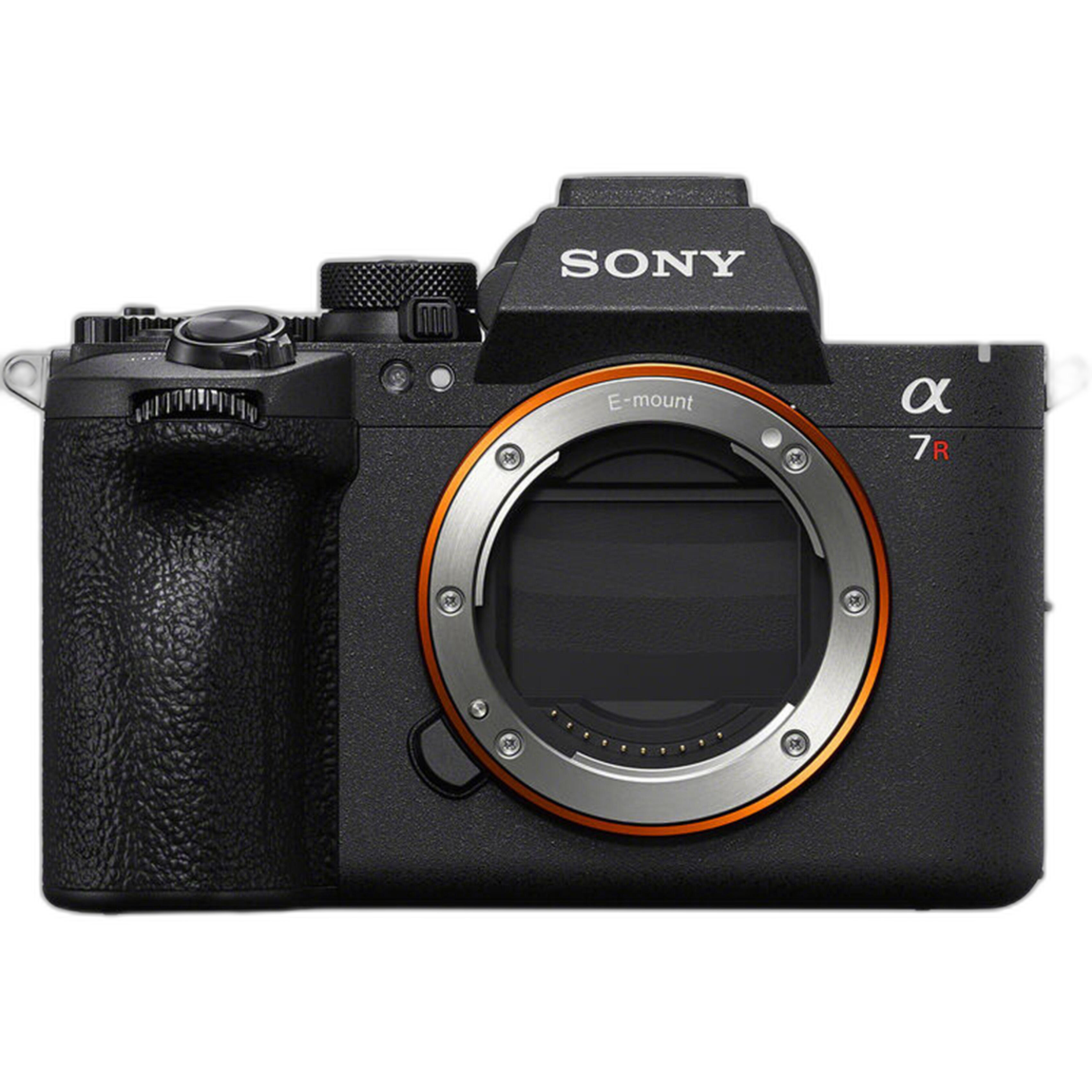
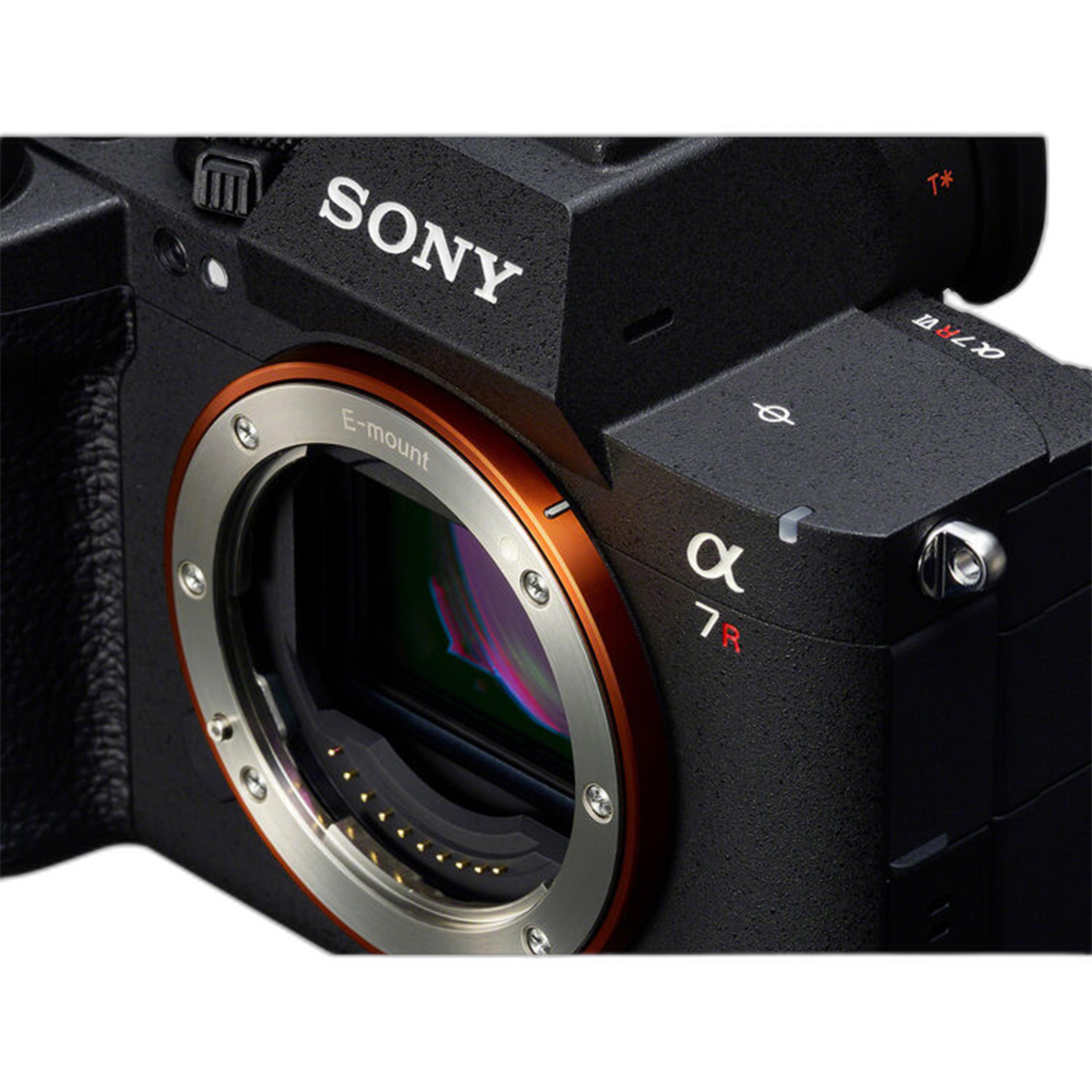
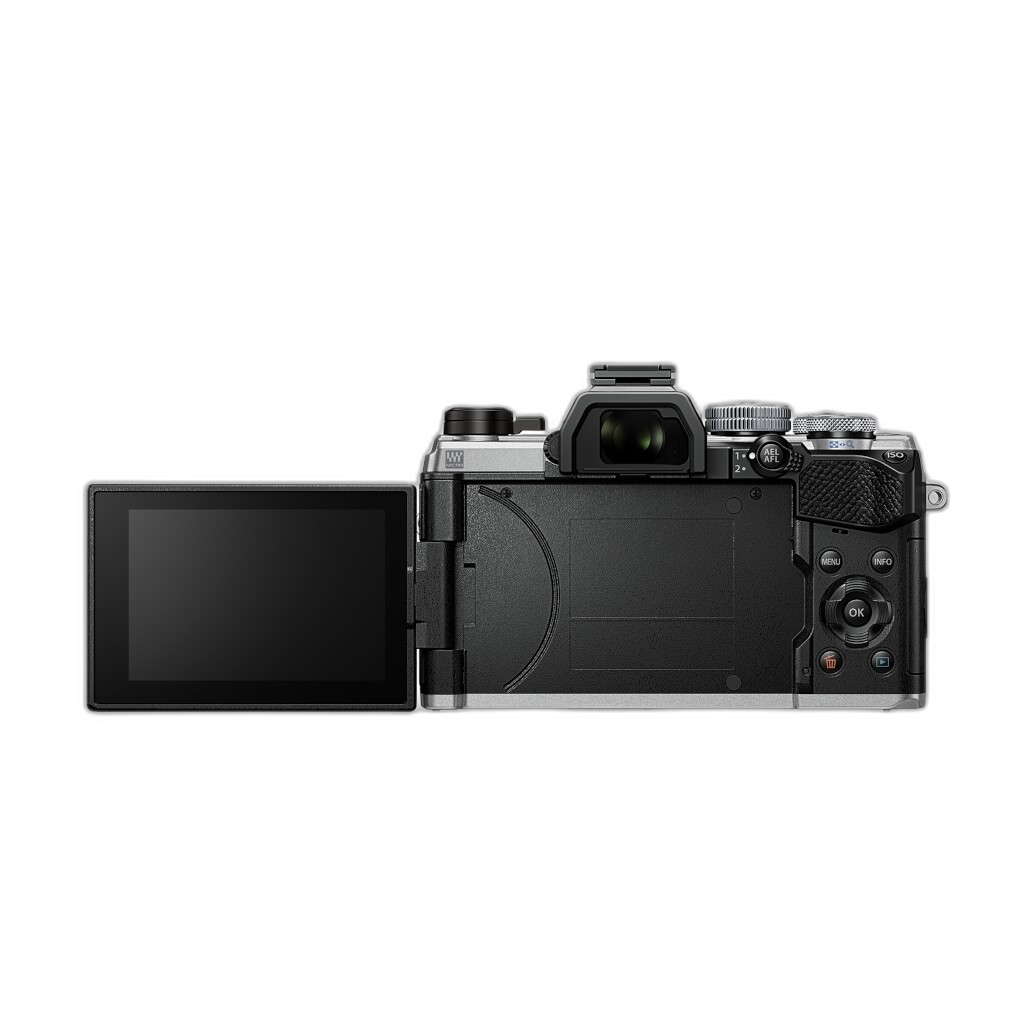
Today, mirrorless cameras dominate new product development, but DSLRs still hold real advantages for many photographers who prefer an optical viewfinder, longer battery life, and proven ergonomics. To illustrate what modern mirrorless brings to the table, we’ll reference two current mirrorless options available at Unique Photo: the high-resolution Sony a7R VI Mirrorless Camera and the compact OM SYSTEM OM-5 Mirrorless Camera.
At-a-Glance Comparison
| Category | DSLR | Mirrorless |
|---|---|---|
| Viewfinder | Optical viewfinder with real-time direct viewing through the lens | Electronic viewfinder with live exposure preview and overlays |
| Autofocus | Strong phase-detect performance, especially on established pro bodies | Usually better subject detection, eye AF, and frame-wide coverage on newer models |
| Size & Weight | Typically larger and heavier bodies and lenses | Generally more compact, especially for travel-oriented systems |
| Battery Life | Usually longer due to optical finder and lower power draw | Typically shorter, though improving with newer bodies |
| Shooting Experience | Traditional handling, mature controls, familiar feel | Modern interface, live preview, silent shooting, advanced customization |
| Video Features | Often more limited on older models | Usually stronger video tools and hybrid functionality |
| Lens Ecosystem | Huge used-market options for Canon and Nikon DSLR mounts | Rapidly expanding native lens choices and stronger long-term support |
| Best For | Photographers who value battery life, OVF shooting, and budget used gear | Photographers who want the latest AF, compact kits, and future-focused systems |
Mirrorless Examples: Why So Many Enthusiasts Are Switching
The mirrorless category now spans everything from compact travel bodies to ultra-high-resolution professional tools. That breadth is a big reason many enthusiasts are moving away from DSLRs.
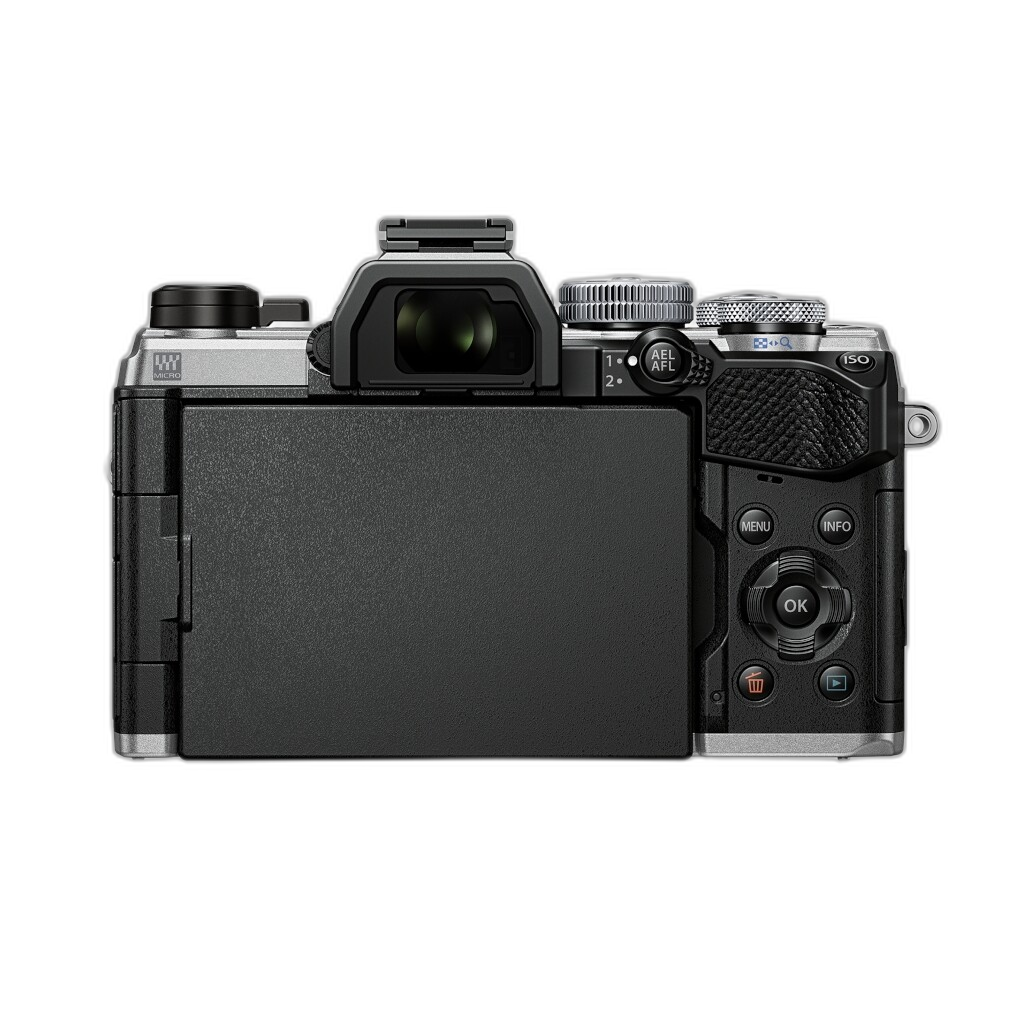
The Sony a7R VI Mirrorless Camera represents the high-end mirrorless experience: a modern full-frame body designed for photographers who prioritize resolution, advanced autofocus, and top-tier imaging flexibility. The OM SYSTEM OM-5, on the other hand, shows the appeal of a lighter, more portable mirrorless setup that still delivers enthusiast-level control and strong outdoor versatility.
| Reference Mirrorless Camera | Type | Ideal User | Key Strength |
|---|---|---|---|
| Sony a7R VI Mirrorless Camera | Full-frame mirrorless | Advanced enthusiasts shooting landscapes, portraits, commercial work, and hybrid content | High-end performance and system depth |
| OM SYSTEM OM-5 Mirrorless Camera (Silver, Body Only) | Compact mirrorless | Travel, street, outdoor, and enthusiast shooters who value portability | Small, capable, adventure-friendly design |
Category-by-Category Comparison
1. Size, Weight, and Portability
This is often the first reason enthusiasts consider mirrorless. By removing the mirror box and optical viewfinder assembly, mirrorless bodies can be made smaller and lighter. That matters on long walks, travel days, hikes, or daily carry.
DSLRs still appeal if you prefer a larger grip, more substantial balance with bigger lenses, and the classic feel of a traditional camera body. But for many enthusiasts, a lighter kit means they actually bring the camera more often—which usually matters more than theoretical advantages on paper.
The OM-5 is a great example of how attractive mirrorless can be for travel and outdoor photographers who want capability without bulk.
2. Viewfinder Experience
DSLRs use optical viewfinders, giving you a natural, lag-free view through the lens. Many photographers still love this. It feels direct and immersive, especially for long shooting sessions.
Mirrorless cameras use electronic viewfinders, which offer one major advantage: you see exposure, white balance, picture style, focus aids, histograms, and other overlays before you take the shot. For enthusiasts learning light and exposure more deeply, this feedback can dramatically shorten the learning curve.
If you love a classic photographic experience, DSLR still has charm. If you want a more informative and adaptive shooting interface, mirrorless wins.
3. Autofocus and Subject Tracking
This is one of the biggest reasons mirrorless has surged ahead. Modern mirrorless systems often provide highly sophisticated eye detection, face detection, animal tracking, and broad autofocus coverage across much of the frame.
DSLR autofocus through the viewfinder can still be very good, particularly on advanced models, but mirrorless has become the stronger choice for many enthusiast needs—especially portraits, events, family photography, and fast-moving subjects.
The Sony a7R VI is exactly the kind of camera that highlights mirrorless autofocus progress, delivering the sort of intelligent focusing performance enthusiasts increasingly expect from a modern system.
4. Image Quality
For pure image quality, the format itself is not the deciding factor. A DSLR and a mirrorless camera with similar sensor size and generation can both produce excellent files. What matters more is sensor technology, lens quality, processing pipeline, and how the camera fits your style.
That said, many of the newest sensor and processing innovations are arriving in mirrorless bodies first. Enthusiasts shopping new gear will often find more cutting-edge performance in mirrorless systems simply because that is where manufacturers are focusing development.
5. Battery Life
Battery life remains one of the more practical DSLR advantages. Because an optical viewfinder does not require a powered display, DSLRs can often shoot longer on a single charge.
Mirrorless bodies are more power-hungry due to constant sensor readout, EVF use, and rear-screen operation. For enthusiast photographers who shoot long events, all-day outings, or remote locations, carrying extra batteries becomes part of the mirrorless workflow.
This is not a dealbreaker for most users, but it is still one of the clearest areas where DSLR keeps an edge.
6. Lens Selection and System Investment
DSLR systems benefit from years of lens development and a healthy used market. If you are budget-conscious, used DSLR bodies and lenses can offer excellent value.
Mirrorless systems, however, are where brands are putting their energy now. New lenses, firmware innovation, autofocus refinements, and accessory ecosystems are expanding around mirrorless mounts. For enthusiasts building a system for the next five to ten years, mirrorless usually makes more sense as a long-term investment.
7. Video and Hybrid Shooting
If you shoot both stills and video, mirrorless is usually the easier recommendation. Most current mirrorless cameras offer stronger autofocus in video, better live-view usability, and more hybrid-friendly interfaces than comparable DSLRs.
Even if you mainly shoot stills today, many enthusiasts eventually explore video clips, social content, behind-the-scenes footage, or travel vlogging. Mirrorless gives you more room to grow into those workflows.
8. Learning Curve and Shooting Confidence
Enthusiast photographers often want a camera that helps them improve, not just capture images. Mirrorless cameras can be especially helpful here because live exposure preview, focus peaking, zebras, and in-viewfinder information make the camera feel more educational and responsive.
DSLRs can still be incredibly rewarding and intuitive, but mirrorless often gives newer enthusiasts faster feedback. That can lead to more confidence in difficult light and more consistency in results.
Who Should Choose a DSLR?
A DSLR may still be the better choice if you:
- Prefer an optical viewfinder
- Want longer battery life
- Like larger, more traditional camera ergonomics
- Are shopping the used market for maximum value
- Mainly shoot stills and do not need the latest autofocus features
Who Should Choose Mirrorless?
Mirrorless is likely the better choice if you:
- Want the latest autofocus and subject tracking
- Prefer a smaller, lighter system
- Need stronger video and hybrid shooting tools
- Value live exposure preview and modern assist features
- Are building a system for long-term growth
Our Pick
Our Pick: Mirrorless for most enthusiast photographers.
While DSLRs still make sense for photographers who love an optical viewfinder and want great value on the used market, mirrorless is the better overall choice for most enthusiasts today. The advantages in autofocus, portability, live preview, video capability, and future system support are simply too strong to ignore.
If you want premium full-frame performance and room to grow, the Sony a7R VI Mirrorless Camera is the aspirational enthusiast option. If portability and versatility matter most, the OM SYSTEM OM-5 is an excellent example of why mirrorless is so compelling.
Final Thoughts
The DSLR vs mirrorless decision ultimately comes down to how you like to shoot, what you want to carry, and where you see your photography going next. DSLRs remain capable, satisfying tools, but for most enthusiast photographers buying into a system today, mirrorless is the more flexible and future-focused path.
If you are ready to compare camera systems, lenses, and accessories in more detail, Unique Photo offers a strong selection of enthusiast-friendly gear to help you find the right fit for your photography goals.