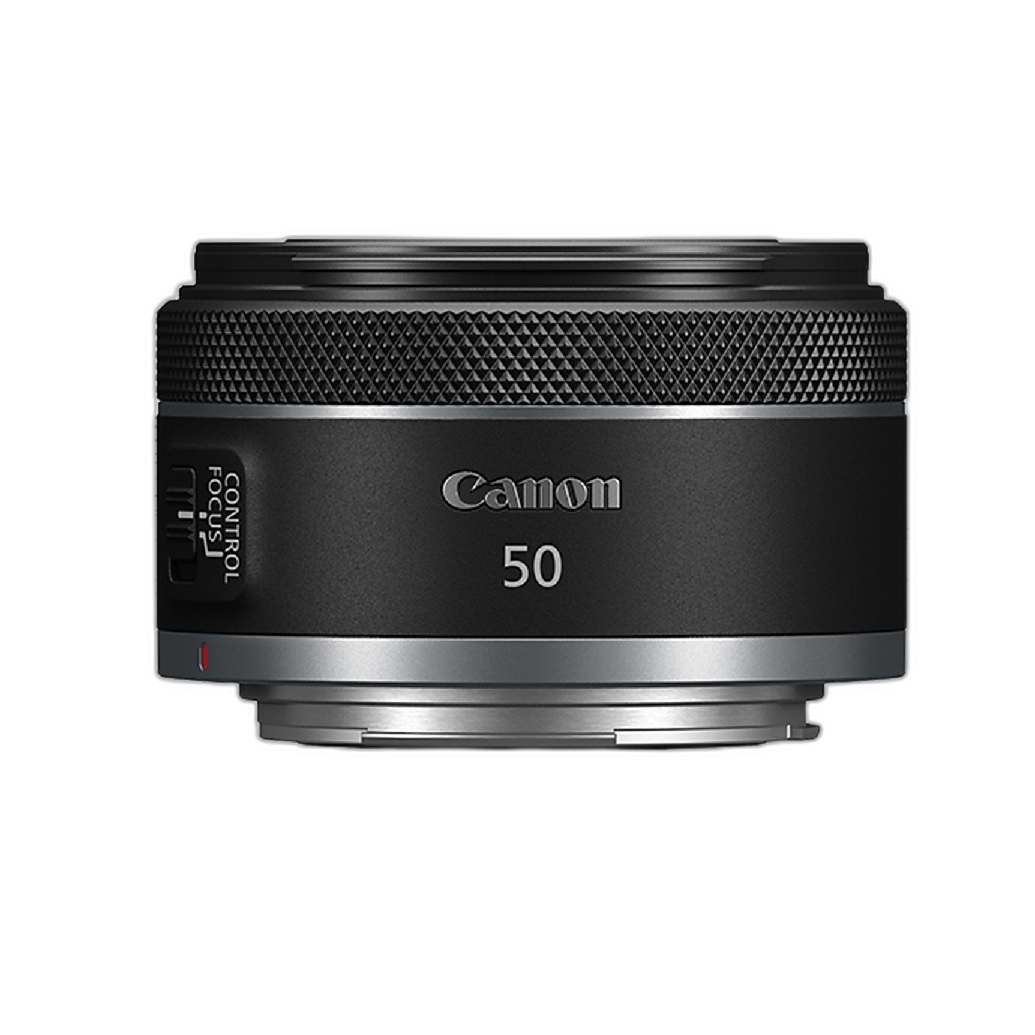
Canon’s RF mount has matured quickly into one of the most compelling full-frame mirrorless lens ecosystems on the market. For photographers and hybrid creators shopping in or around 2025, the question is no longer whether the RF system has enough options—it is which lenses make the most sense for the way you actually shoot. That is where a use-case-driven guide becomes far more helpful than a simple ranked list.
As Canon’s mirrorless system has expanded, the RF lineup has come to include premium L-series zooms, highly specialized primes, practical everyday lenses, and a growing set of creator-focused options. Some lenses are built for outright optical performance, some for portability, some for value, and some for highly specific tasks like wildlife reach or stabilized handheld video. The best Canon RF lens, in other words, depends heavily on what you need it to do.
This archival buying guide looks at the best Canon RF lenses right now by category, with a focus on five major use cases: portrait, landscape, wildlife, video, and budget-conscious buying. Rather than treating one lens as universally “best,” we’re looking at the strongest choices for real-world photographers and filmmakers building an RF kit during this period.
How to Think About the Canon RF Lineup
Canon’s RF mount was designed for mirrorless cameras, and one of its biggest advantages is how effectively Canon has used the shorter flange distance and modern optical designs to produce lenses that are often both ambitious and highly refined. In practical terms, RF buyers tend to encounter a few broad tiers:
- L-series lenses, Canon’s premium line, aimed at professionals and enthusiasts who want top-tier build quality, weather resistance, and strong optical performance.
- Non-L consumer lenses, often smaller, lighter, and more affordable, with many standout options for travel, everyday use, and entry to intermediate shooting.
- Specialty lenses, including unique primes, long telephotos, and video-friendly designs that fill specific creative roles.
The result is a system that can serve everyone from a first-time full-frame mirrorless buyer to a working professional. The key is matching lens character to subject matter.
Best Canon RF Lens for Portrait Photography
What Portrait Shooters Should Prioritize
Portrait photographers usually want a lens that can deliver flattering perspective, strong subject separation, and pleasing rendering of out-of-focus areas. Autofocus performance matters too, especially for eye detection on modern Canon mirrorless bodies. Depending on your style, that could mean a classic short telephoto prime, a versatile zoom, or a faster standard prime for environmental portraiture.
Top Portrait Picks
In the RF system, portrait shooters are especially well served by Canon’s premium primes and fast standard zooms. A classic portrait focal length remains one of the most natural fits for the category, particularly for headshots, half-length portraits, and wedding work. Canon’s higher-end RF portrait options are often the lenses photographers gravitate toward when they want both subject isolation and a polished, premium look.
At the same time, a fast midrange zoom can be the more practical choice for event portraiture, weddings, editorial sessions, or family photography. The flexibility to move between wider environmental frames and tighter compositions without changing lenses is a major advantage. For many buyers, the “best” portrait RF lens is not necessarily the most specialized one, but the one that best balances speed, flexibility, and budget.
If your portrait work leans more lifestyle or documentary, a standard prime can also be a smart RF choice. These lenses often feel less intimidating in front of subjects, work well in lower light, and can produce a more immersive style than a longer portrait lens.
Best Canon RF Lens for Landscape Photography
What Matters Most for Landscapes
Landscape photographers usually care about edge-to-edge sharpness, control of distortion, weather resistance, and a focal length range that suits everything from sweeping vistas to compressed telephoto compositions. Landscape work is sometimes associated only with ultrawide lenses, but in reality, many landscape photographers build around a combination of wide, standard, and telephoto glass.
Top Landscape Picks
For traditional scenic work, a high-quality wide-angle RF zoom is one of the strongest foundations in the system. These lenses are useful not only for grand outdoor views, but also for architecture, interiors, and travel. In Canon’s RF lineup, the best landscape-oriented wide zooms tend to come from the L-series, where robust construction and high optical consistency are major selling points.
That said, landscape photography is often as much about portability as absolute performance. Hikers, travelers, and photographers who spend long days outdoors may prefer a lighter lens that encourages them to keep the camera with them. In that context, some of Canon’s more compact RF lenses can be just as appealing as larger professional optics, especially when paired with modern high-resolution bodies and in-camera corrections.
Telephoto lenses also deserve a place in the landscape discussion. Many of the most striking landscape images rely on compression, layered ridgelines, isolated details, or changing weather far in the distance. A strong mid-telephoto or telephoto zoom in the RF system can therefore be every bit as important as a wide lens.
Best Canon RF Lens for Wildlife Photography
What Wildlife Shooters Need
Wildlife photography is one of the clearest examples of a use case where the lens matters as much as the camera body. Reach, autofocus responsiveness, image stabilization, handling, and portability all come into play. The ideal wildlife lens is long enough for distant or wary subjects, fast enough to keep up with movement, and practical enough to carry into the field.
Top Wildlife Picks
Canon’s RF system has become especially strong for wildlife photographers because it includes both premium professional telephotos and more approachable long-lens options. For serious bird, sports, or safari shooters, the best RF wildlife lenses are typically the long telephotos and telephoto zooms that balance substantial reach with advanced autofocus compatibility on modern EOS R bodies.
One of the most important distinctions in this category is whether you need an all-around telephoto zoom or a more dedicated super-telephoto solution. A zoom can be a better fit for photographers who move between larger mammals, birds, and general outdoor subjects. A longer specialty lens may be the better choice for small birds or distant action where every bit of reach counts.
Weight is another major consideration. Canon’s mirrorless-era lens design has made some wildlife options feel more realistic for enthusiast use than older professional telephotos once did. That matters because the best wildlife lens is often the one you are willing to carry for hours, not simply the one with the most impressive specifications on paper.
Best Canon RF Lens for Video
What Video Creators Should Look For
Video shooters often evaluate lenses differently than still photographers. Smooth autofocus transitions, stable handheld performance, manageable breathing, useful focal length range, and compact rigging are all part of the equation. Depending on the production, a creator might prefer a stabilized zoom for run-and-gun work, a compact prime for gimbal use, or a more specialized lens for interviews and controlled setups.
Top Video Picks
In the RF ecosystem, standard zooms are among the most practical video choices because they cover a broad range of everyday focal lengths while minimizing lens swaps. This is especially useful for documentaries, events, corporate content, and solo creator work. A high-quality RF standard zoom can function as the backbone of an entire hybrid kit.
Wide zooms are also extremely valuable for video, particularly for vlogging, interiors, real estate, travel filmmaking, and handheld environmental work. Their wider perspective can make movement feel more dynamic and can simplify framing in tighter spaces.
For creators who want a cinematic look, RF primes remain highly attractive. A good prime can provide lower-light flexibility and a shallower depth of field, making it a popular choice for interviews, branded content, and narrative work. The tradeoff, of course, is less flexibility in fast-moving situations. That is why many RF users end up building video kits around a zoom-first approach, then adding primes for specific visual goals.
Best Budget Canon RF Lens Options
Value Matters in a Growing System
Not every buyer entering the RF mount in 2025 is building a top-tier professional kit. Many are stepping up from older DSLRs, buying a first full-frame mirrorless body, or trying to keep costs under control while still taking advantage of Canon’s modern autofocus and image quality. Fortunately, the “best” budget RF lens does not have to mean “compromise in every area.”
Canon’s more affordable RF lenses often emphasize one or more of the following strengths: compact size, practical zoom range, low weight, approachable pricing, or unexpectedly strong optical performance for everyday use. For travel, family photography, student work, and general walkaround shooting, these lenses can be among the smartest purchases in the system.
Top Budget Picks
The strongest budget RF choices are typically standard zooms and modestly sized primes. A practical everyday zoom can cover casual portraits, travel, street scenes, and video without requiring the buyer to invest in multiple lenses at once. Meanwhile, an affordable prime can be a terrific way to gain better low-light capability and more creative background blur at relatively low cost.
Budget-conscious buyers should also remember that spending less on the first lens can sometimes be the right strategic move. A more affordable starter lens can help you identify whether your real long-term need is portrait glass, wildlife reach, or a specialized video tool. In other words, the best budget RF lens may be the one that opens the door to the system while leaving room for a more targeted second purchase.
Choosing the Right RF Lens for Your Style
If you primarily shoot people, prioritize portrait rendering, autofocus confidence, and a focal length that matches how you interact with subjects. If you spend your weekends outdoors, think beyond just ultrawide coverage and consider the balance between optical excellence and packability. If wildlife is your focus, reach and field usability matter most. If you create video, handling and workflow may matter even more than outright still-image sharpness. And if budget is the deciding factor, look for lenses that offer flexibility first and specialization later.
That is the real strength of Canon’s RF system in this period: it gives buyers multiple valid ways to build a kit. There is no single best Canon RF lens for everyone, but there are very strong best choices depending on what you shoot most.
Final Thoughts
Seen from the perspective of the mid-2025 RF landscape, Canon’s lens lineup feels established enough that buyers can choose by purpose rather than by availability. That is a sign of a mature system. Whether your next priority is portrait work, landscape travel, wildlife reach, video production, or simply getting started without overspending, there is now an RF lens path that makes practical sense.
If you are ready to compare Canon RF lenses in person, build out a new EOS R kit, or get advice on which lens fits your shooting style, Unique Photo is a great place to buy, learn more, and talk through the options with knowledgeable staff.