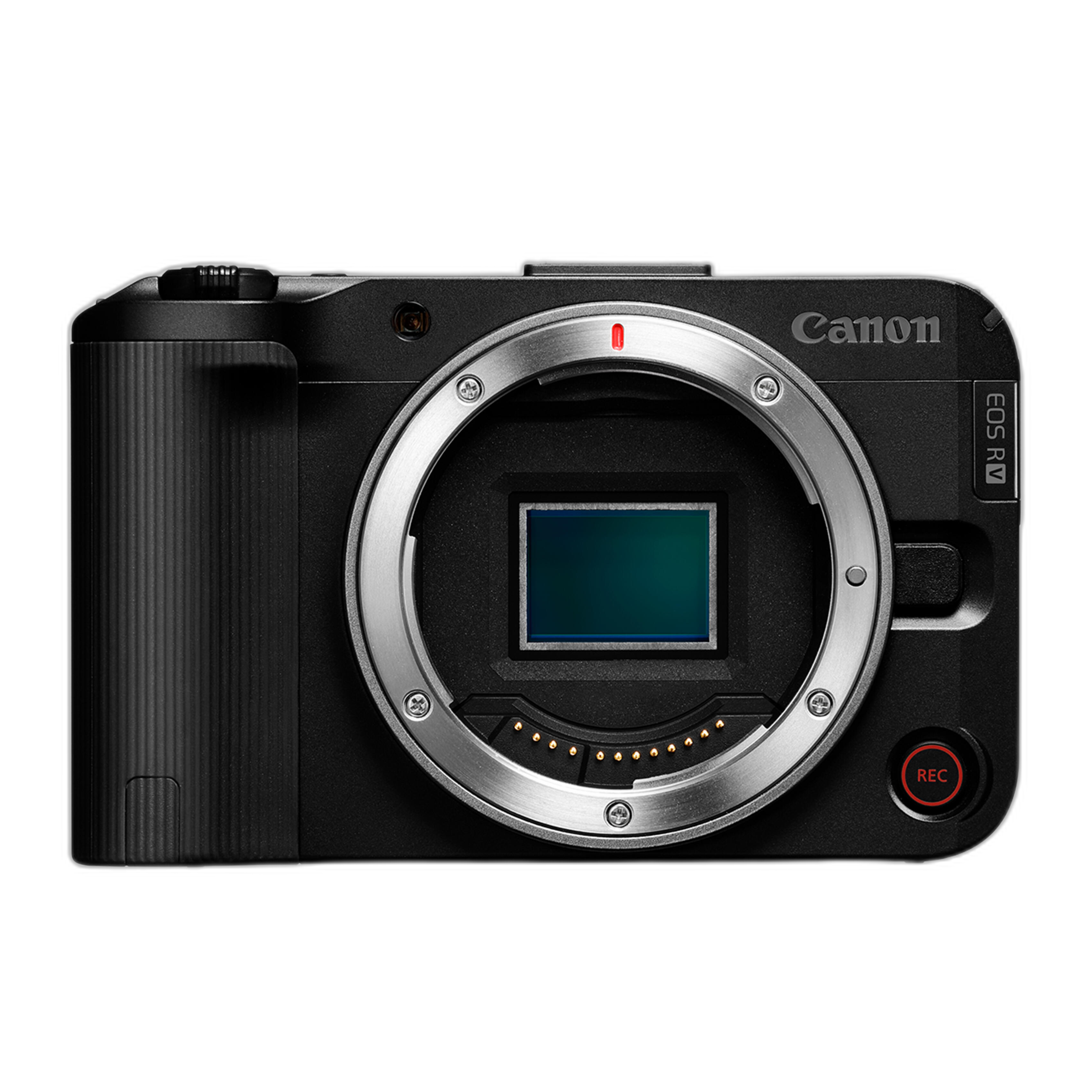
Canon’s EOS R system has matured into a broad lineup, and for first-time interchangeable-lens buyers in the mid-2020s, that created a very good kind of problem: there were finally several genuinely approachable ways to get into RF mount photography. For beginners weighing the Canon EOS R50, EOS R10, EOS R8, and EOS RP, the decision was less about finding a single “best” camera in the abstract and more about matching priorities—price, size, speed, simplicity, and whether full-frame mattered from day one.
Viewed as a release-period buying guide and historical snapshot, this comparison captures a moment when Canon’s entry full-frame and APS-C RF bodies formed a particularly important on-ramp into the system. These cameras sat at different points in the lineup, but together they told the story of Canon making mirrorless more accessible to new photographers, content creators, and families stepping up from phones or older DSLRs.
Why These Four Cameras Mattered
The EOS R50, R10, R8, and RP covered the most common beginner questions in the RF era. Did you want the easiest camera to carry every day? Did you need something fast enough for sports and action? Were you determined to start with full-frame for portraits and low-light work? Or did you simply want the most affordable route into Canon full-frame mirrorless?
Canon’s answer was not one camera but four distinct personalities:
- EOS R50: the approachable, compact, modern beginner favorite.
- EOS R10: the enthusiast-leaning APS-C option with more direct control and room to grow.
- EOS R8: the lightweight full-frame choice for buyers who wanted a more advanced sensor format without moving into larger, pricier bodies.
- EOS RP: the earlier affordable full-frame entry point that remained relevant because of its accessibility and straightforward appeal.
For many beginners, the most important dividing line was simple: APS-C versus full-frame.
APS-C vs Full-Frame for Beginners
In this group, the EOS R50 and EOS R10 represented Canon’s APS-C RF bodies, while the EOS R8 and EOS RP represented entry full-frame RF bodies. Historically, this split shaped nearly every buying conversation.
APS-C models often made the most sense for beginners who wanted lower overall system cost, smaller kits, and strong everyday versatility. They were especially appealing to travelers, students, casual family photographers, and newcomers who wanted reach for sports or wildlife without immediately investing in expensive lenses.
Full-frame models appealed to buyers who prioritized subject separation, wide-angle flexibility, and stronger low-light ambitions. For portrait shooters and those already thinking seriously about image quality as a creative tool, the jump to full-frame could feel worthwhile from the start.
That said, sensor size alone did not decide the best beginner camera. Handling, autofocus confidence, portability, and how “welcoming” a camera felt in daily use often mattered more for first-time owners.
Canon EOS R50: The Easiest Recommendation for Most Newcomers
If a friend walked into a camera store in this period and asked for the most beginner-friendly Canon mirrorless option in the RF system, the EOS R50 would likely have been the first camera brought out. Its role in Canon history was significant because it translated much of the company’s modern mirrorless ease-of-use into an especially compact and unintimidating body.
The R50 made sense for buyers coming from smartphones, compact cameras, or entry DSLRs who wanted better image quality without a steep learning curve. It was small enough to take anywhere, simple enough to hand to a family member, and modern enough to feel current rather than stripped down.
Who the R50 Was Best For
- True beginners buying their first interchangeable-lens camera
- Travelers and everyday shooters who value compact size
- Parents documenting family life
- Creators who want an accessible entry into Canon mirrorless
Its biggest strength in a buying guide like this was balance. It did not need to be the most advanced body here to be the best choice for many people. Often, the best beginner camera is the one that gets carried, used, and enjoyed consistently. The R50 fit that description well.
Canon EOS R10: The Best APS-C Choice for Room to Grow
The EOS R10 occupied a very smart middle ground. It remained approachable for newcomers, but it clearly leaned more toward the enthusiast side than the R50. Historically, that gave it a valuable place in Canon’s lineup: it was the beginner camera for people who already knew they wanted to learn technique, use more direct controls, and shoot more demanding subjects.
Compared with the R50, the R10 generally made the stronger case for users interested in action, school sports, wildlife, or any shooting style where responsiveness and handling mattered. It also better suited buyers who expected to stay with one body for a longer period before upgrading.
Who the R10 Was Best For
- Beginners who want a more enthusiast-oriented camera from the start
- Students learning photography fundamentals
- Action and sports shooters on a budget
- Users who prefer more physical control over settings
For many shoppers, the real R50-versus-R10 question was not image quality alone. It was whether they wanted maximum simplicity or more control headroom. If the R50 was the easiest first step, the R10 was the smarter long-term APS-C investment for a more ambitious beginner.
Canon EOS R8: The Modern Full-Frame Beginner’s Pick
The EOS R8 was important because it lowered the barrier to modern Canon full-frame mirrorless in a body that did not feel overly bulky or intimidating. Historically, it signaled Canon’s effort to make full-frame less of a specialist’s choice and more of a realistic option for newer users entering the RF system.
For beginners, the R8 was not necessarily the cheapest path, but it was often the most compelling modern full-frame path. Buyers considering portraits, low-light scenes, events, and hybrid shooting could see it as the camera that offered future-facing performance while remaining relatively compact.
Who the R8 Was Best For
- Beginners committed to starting with full-frame
- Portrait photographers and low-light shooters
- Upgraders from older Canon cameras seeking a lighter mirrorless body
- Users who want a more advanced-feeling body without moving far up the price ladder
The R8 was best understood as the camera for the beginner who already knew what they wanted from photography. It was less about cautious entry and more about buying into a format and workflow with intention.
Canon EOS RP: The Affordable Full-Frame Gateway
The EOS RP came from an earlier phase of the EOS R system, but it remained relevant in this comparison because it had long been associated with one of Canon’s most approachable full-frame mirrorless entry points. In historical terms, the RP helped normalize the idea that full-frame Canon no longer had to mean a large professional body or an overwhelming investment.
For beginners around the mid-2020s, the RP often appealed on value and familiarity. It was the camera that made shoppers say, “I can actually afford full-frame.” Even as newer models drew attention, the RP retained importance because affordability itself is a feature for first-time buyers.
Who the RP Was Best For
- Budget-conscious shoppers who want full-frame
- Portrait and lifestyle photographers entering the RF system
- Canon DSLR users seeking a simple mirrorless transition
- Beginners who value price over having the newest body in the lineup
If the R8 represented the newer wave of entry full-frame RF cameras, the RP represented the foundational one. That made it a meaningful archival comparison point.
Which Canon Beginner Camera Was Best?
From a release-period perspective, the answer depended on the kind of beginner.
Choose the EOS R50 if:
You want the simplest, most travel-friendly, most approachable camera here. For many people, it was the best all-around beginner choice.
Choose the EOS R10 if:
You want APS-C value but with more control, more ambition, and better suitability for action-oriented shooting.
Choose the EOS R8 if:
You want the most compelling modern full-frame starting point in this group and are comfortable investing more in the system from the beginning.
Choose the EOS RP if:
You want an affordable entry into Canon full-frame and do not mind choosing an earlier-generation body to get there.
The Historical Takeaway
What made this lineup notable in Canon history was not just variety, but clarity. Canon had reached the point where the EOS R system could meet beginners at multiple levels without forcing them into one generic starter camera. The R50 and R10 made APS-C mirrorless approachable and capable. The R8 and RP made full-frame RF more realistic for non-professionals than it had been in earlier eras.
That is why this comparison still matters as an archival guide. It reflects a moment when Canon’s mirrorless system became broad enough that beginners could choose based on goals rather than compromise alone.
Final Thoughts
If you were shopping at the time, the EOS R50 was probably the safest recommendation for the widest audience, the EOS R10 was the best APS-C growth option, the EOS R8 was the strongest modern full-frame pick, and the EOS RP remained the budget full-frame wildcard. Each had a clear identity, and that clarity helped make Canon’s RF system easier to understand for first-time buyers.
To explore Canon EOS R cameras, compare beginner-friendly options, or learn more about the RF system, visit Unique Photo—an excellent place to shop Canon gear and get advice from photographers who know the system well.