Tamron vs. Sigma Lenses for Wildlife Photography: FAQ
Choosing between Tamron and Sigma for wildlife photography often comes down to more than brand loyalty. Wildlife shooters need reach, fast autofocus, dependable handling, and a setup that works well with their camera body in real conditions.
At Unique Photo, we help photographers compare gear based on how it performs in the field, not just on a spec sheet. Below, we answer the most common questions about Tamron vs. Sigma telephoto lenses for wildlife work, and we also touch on camera body pairing for photographers building a practical starter or travel-friendly wildlife kit.
Which brand is sharper for wildlife photography, Tamron or Sigma?
In real-world wildlife photography, both Tamron and Sigma offer lenses capable of excellent detail, especially in the mid-range to super-telephoto categories. Sharpness differences are often smaller than expected once you factor in shutter speed, atmospheric distortion, subject movement, and autofocus accuracy. A technically sharper lens on paper will not always produce a better bird or wildlife image if focus acquisition is slower or if stabilization is less effective.
Generally, the better question is whether a specific lens stays sharp at the focal lengths you use most often. Wildlife photographers frequently work near the long end of the zoom range, so edge-to-edge performance matters less than center sharpness, contrast, and consistency at maximum reach. If you are shooting with a compact APS-C camera body, perceived reach can be especially helpful, making lens-body balance just as important as lab-tested sharpness.
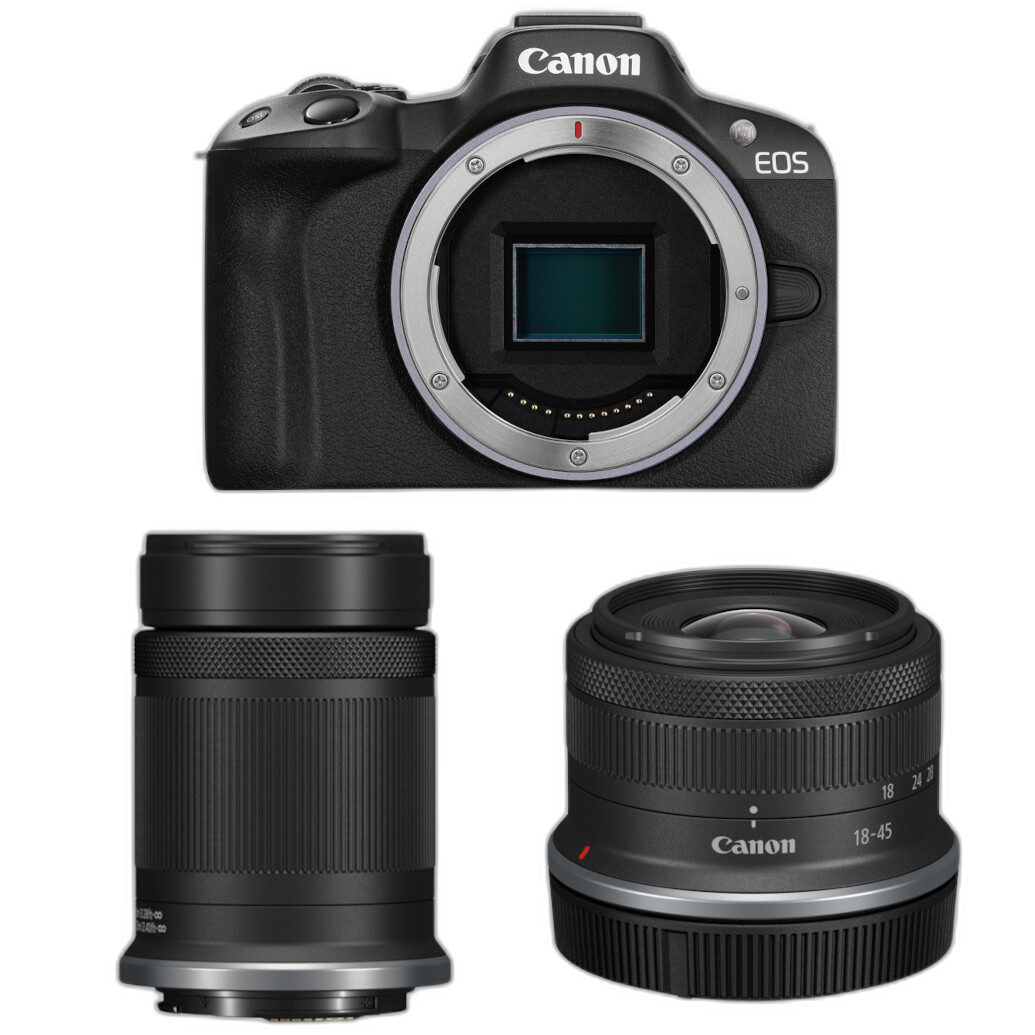
For newer Canon users building a lightweight wildlife setup, an accessible entry point can be a two-lens mirrorless kit such as the Canon EOS R50 with RF-S 18-45mm and 55-210mm lenses. While this kit is not a direct replacement for a dedicated third-party super-telephoto, it is a practical way to start learning autofocus tracking, subject framing, and long-lens technique before investing in a larger wildlife lens.
How does autofocus compare between Tamron and Sigma telephoto lenses?
Autofocus performance is one of the biggest deciding factors for wildlife shooters. Fast-moving birds, mammals in low light, and unpredictable subject motion all demand reliable subject acquisition and tracking. In many cases, autofocus differences between Tamron and Sigma are less about brand-wide superiority and more about the age of the lens design, the mount version, and how well the lens communicates with your camera body.
Some lenses prioritize speed, while others emphasize smoothness or stabilization. For wildlife, you want a lens that locks confidently, resists hunting, and maintains tracking when the subject crosses a busy background like trees or brush. On modern mirrorless systems, body autofocus plays a major role too. Eye detection, animal recognition, and advanced tracking can elevate the performance of a lens that might feel less impressive on an older body.
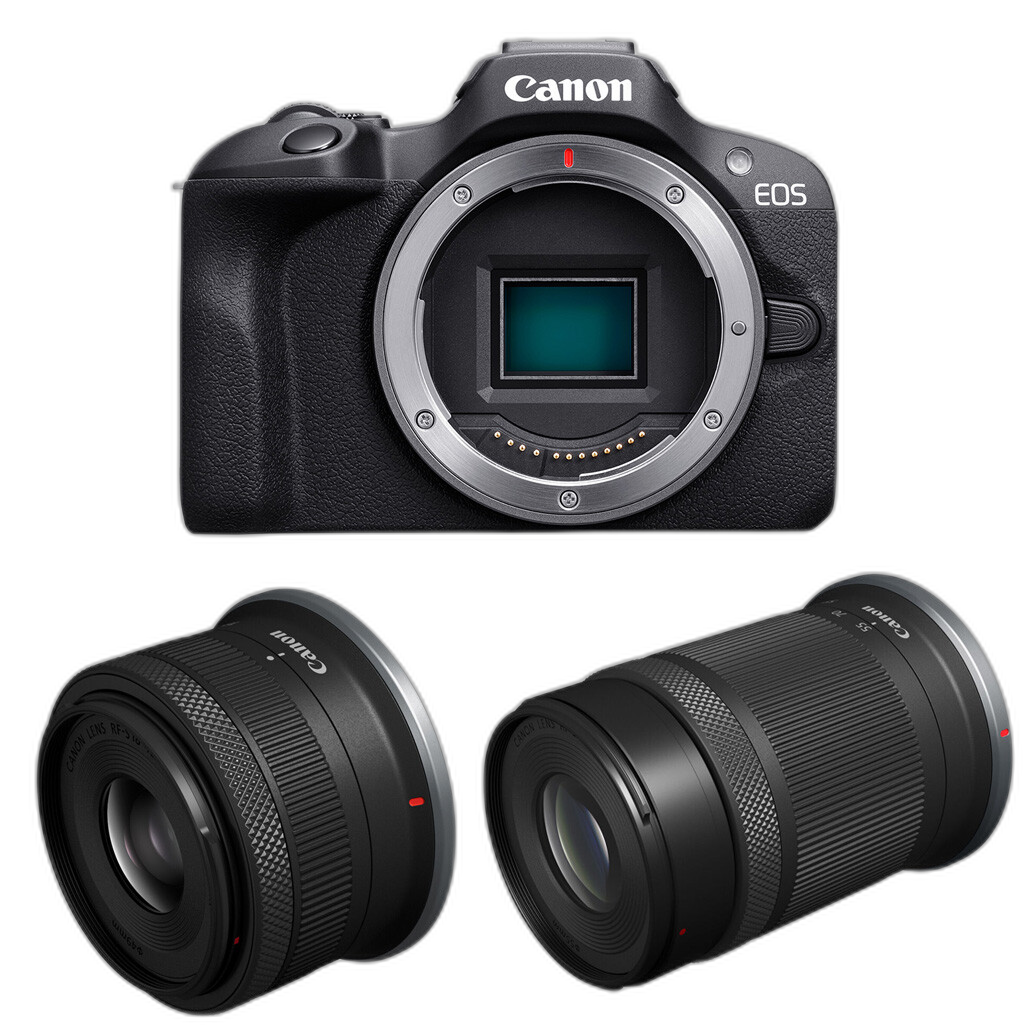
If you are assembling an affordable Canon wildlife kit, a camera like the Canon EOS R100 with RF-S 18-45mm and RF-S 55-210mm lenses can be a budget-friendly platform for learning how Canon mirrorless autofocus behaves with telephoto subjects. It gives new shooters a manageable way to practice wildlife timing and tracking techniques before stepping up to a more specialized lens.
Is weather sealing really important for wildlife photography?
Yes, weather sealing can matter quite a bit for wildlife photography, especially if you routinely shoot at dawn, in wetlands, on trails, near the shore, or during changing weather. Wildlife subjects do not wait for ideal conditions, so photographers often work in mist, dust, light rain, and cold temperatures. A lens with better sealing can provide more confidence when conditions become less predictable.
That said, weather sealing is not an all-or-nothing requirement for every photographer. If you mostly shoot from a vehicle, stay close to home, or head out only in fair weather, you may get better value by prioritizing autofocus, reach, and optical quality over premium build features. Good field habits matter too: use a rain cover when needed, avoid rapid temperature swings, and keep microfiber cloths and protective bags on hand.
For many wildlife photographers, weather resistance becomes more important as the cost and effort of each outing increases. If you travel for birding, spend hours waiting in a blind, or hike with your equipment, durability and sealing become more than a luxury feature.
Are there compatibility issues with Canon, Nikon, or Sony cameras?
Compatibility is one of the most important things to check before buying any third-party wildlife lens. Tamron and Sigma both produce lenses for multiple mounts, but not every lens is available for every system, and performance can vary depending on whether you are using DSLR, mirrorless, or an adapter.
Canon users should be especially careful to confirm mount support, firmware status, and autofocus behavior with their specific body. Nikon and Sony users should also check whether the lens supports the latest focusing modes and in-body corrections. For wildlife photographers, even small differences in tracking behavior, burst performance, or focus limiter support can affect keeper rate.
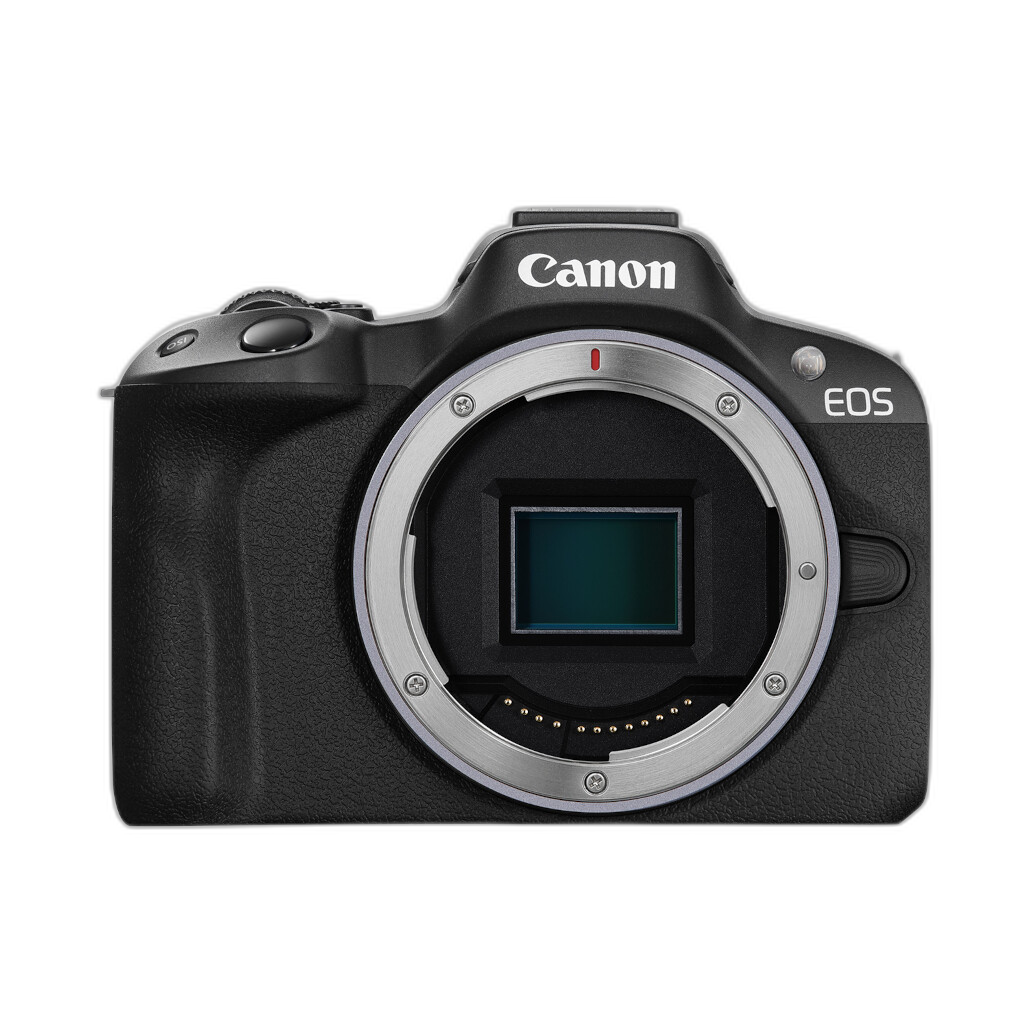
It is also worth remembering that entry-level mirrorless bodies can be a smart starting point while you evaluate your long-term lens plans. A kit like the Canon EOS R50 or Canon EOS R100 can help new photographers enter the mirrorless ecosystem and develop their shooting style before deciding whether a more advanced body or longer lens is the next upgrade.
Which offers better value for the money: Tamron or Sigma?
Value depends on what you need the lens to do. If your priority is maximum reach for the price, one brand may stand out in a specific focal length category. If your goal is a better balance of autofocus, sharpness, handling, and build quality, the best value may be a different lens entirely. Wildlife photographers should think in terms of cost per usable result, not just sticker price.
A lens that costs less upfront but struggles with moving subjects may not be the best bargain if you miss critical moments. Likewise, a more expensive lens is not automatically the smarter choice if it offers features you rarely use. The best-value wildlife lens is usually the one that gives you enough reach, dependable autofocus, and comfortable handling for the species and environments you shoot most often.
For photographers just getting started, a lower-cost camera kit can free up budget for future lens upgrades, memory cards, support gear, and protective accessories. That is one reason many beginners start with a compact mirrorless system before investing in a dedicated wildlife telephoto.
Should beginners buy a third-party telephoto lens right away?
Not always. If you are new to wildlife photography, it can be smarter to first learn core skills such as tracking moving subjects, choosing shutter speed, using burst shooting effectively, and understanding how focal length affects composition. A lighter, more affordable kit can help you build those skills without the cost or weight of a large super-telephoto setup.
The Canon EOS R50 and Canon EOS R100 two-lens kits are good examples of approachable wildlife starters for photographers who want telephoto capability in a portable package. The included 55-210mm lens gives beginners meaningful reach for larger animals, zoo photography, backyard birds, and travel wildlife opportunities.
As your needs grow, you can then decide whether a Tamron or Sigma telephoto makes more sense based on the subjects you shoot and the camera system you plan to keep long term.
What matters more for wildlife: lens sharpness, autofocus, or stabilization?
For most wildlife photographers, autofocus is usually the first priority, followed closely by focal length and stabilization. Sharpness is important, but a slightly less sharp lens that focuses quickly and consistently will often produce better wildlife images than a sharper lens that hunts or misses moving subjects.
Stabilization also plays a major role, especially when shooting handheld at long focal lengths. It helps with framing, lowers fatigue, and can improve keeper rate for still subjects in lower light. But stabilization cannot freeze subject motion, so shutter speed remains critical for birds in flight or active mammals.
The best wildlife setup is a balanced one: enough reach to frame your subject well, autofocus you can trust, stabilization that supports handheld shooting, and image quality that holds up when you crop. That is why lens choice should always be considered alongside the body you are using.
How should I choose between Tamron and Sigma for my shooting style?
Start by thinking about the type of wildlife you photograph most. Bird photographers often need fast acquisition, long reach, and strong tracking performance. General wildlife shooters may care more about versatility, portability, and value. If you hike long distances, weight and balance can be just as important as optical performance. If you shoot from a tripod or vehicle, larger lenses may be easier to manage.
Next, consider your camera system and upgrade path. A lens that performs beautifully on one mount may not be the best option on another. Finally, think about your budget realistically. Sometimes the best decision is not the most expensive lens, but the one that leaves room for accessories, extra batteries, memory cards, and future body upgrades.
At Unique Photo, we recommend comparing real-world priorities: subject type, camera compatibility, handling, and value over time. That approach leads to a more satisfying wildlife kit than choosing based on brand name alone.
Whether you are comparing Tamron and Sigma telephoto options or starting with a compact Canon mirrorless kit, the right wildlife setup is the one that matches your experience level, subjects, and budget. Shop cameras and accessories at Unique Photo to build a system that helps you spend more time shooting and less time second-guessing your gear.