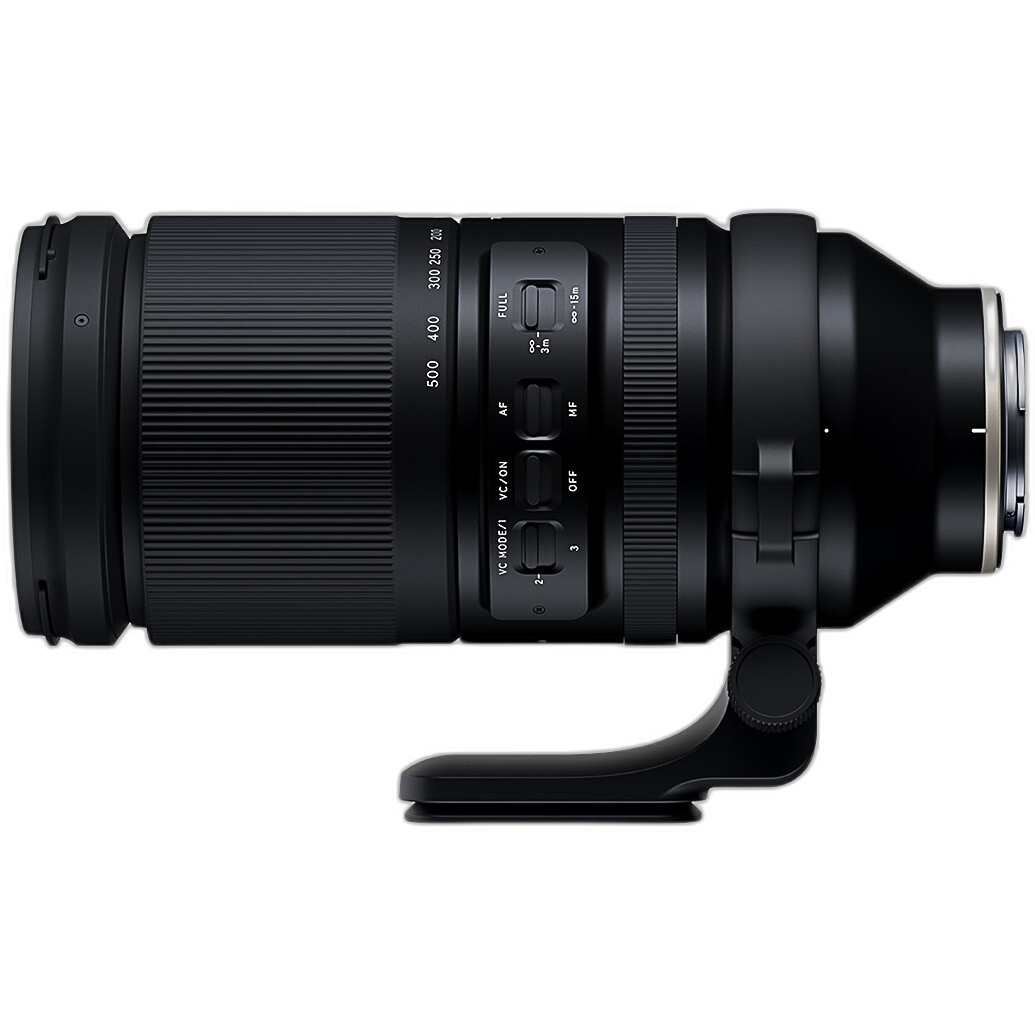
When Tamron introduced the 150-500mm f/5-6.7 Di III VC VXD in 2021, it immediately stood out as a notable moment in the continuing evolution of mirrorless telephoto zooms. Long focal lengths had traditionally meant large, heavy, and expensive lenses, especially for photographers interested in wildlife, sports, aviation, and distant landscape details. Tamron’s new zoom aimed to challenge that expectation by delivering true super-telephoto reach in a package designed to be comparatively compact and approachable for everyday use on mirrorless systems.
Presented here as an archival look back at the lens around its release period, the Tamron 150-500mm arrived with a clear purpose: give Sony E-mount photographers a practical way to reach 500mm without stepping into the size and price class of many traditional telephoto options. Its launch price of $1,399 helped reinforce that mission. In the years since, the lens has also become available for Fujifilm X mount, further broadening its appeal among photographers looking for serious reach in a relatively portable design.

A Super-Telephoto Zoom Built for the Mirrorless Era
The Tamron 150-500mm f/5-6.7 Di III VC VXD was part of a larger shift in lens design during the early mirrorless boom. Manufacturers and third-party lens makers alike were rethinking what photographers could expect from long lenses once the constraints of DSLR-era design were loosened. Rather than simply adapting older formulas, companies increasingly explored how to make optics that better matched the size, balance, and usage patterns of mirrorless cameras.
Tamron had already established itself as an aggressive innovator in this area, particularly with zooms that prioritized portability without giving up versatility. The 150-500mm fit squarely into that philosophy. Its focal range covered a broad span of telephoto applications, from tighter portrait-like compression at the short end to genuine super-telephoto capability at 500mm. For many photographers, that meant one lens could cover wildlife, outdoor sports, birds, motorsports, zoo photography, travel telephoto work, and even some moon and landscape compression subjects.
Just as important, this was not a lens designed only for occasional use from a tripod. The release period conversation around the lens centered heavily on the idea of handholdable reach. That made its inclusion of VC image stabilization especially significant.
Key Specifications at Launch
The core appeal of the Tamron 150-500mm can be understood through a few central specifications:
- Focal length: 150-500mm
- Maximum aperture: f/5-6.7
- Image stabilization: VC
- Mounts: Sony E / Fuji X
- Launch price: $1,399 USD
These numbers tell an important story. A 150-500mm range is inherently ambitious, offering more flexibility than a fixed 500mm lens while extending further than a typical 100-400mm class zoom. The f/5-6.7 maximum aperture reflects the compromises often necessary to keep a super-telephoto zoom more compact and affordable, but it also fits the practical reality of how many long-lens photographers work: outdoors, in daylight, and often with modern cameras that handle higher ISO settings well.
Why the 150-500mm Range Mattered
One of the most interesting aspects of this lens at release was its focal range itself. The long end naturally drew attention, but the 150mm starting point was equally important. It made the lens more flexible than a narrower super-telephoto option, allowing photographers to frame larger wildlife, field sports action, and environmental telephoto scenes without changing lenses as often.
Compared with the more familiar 100-400mm category, a 150-500mm lens sacrifices some short-end versatility but rewards the photographer with extra reach where it often matters most. For birding and wildlife photographers in particular, 500mm can make a meaningful difference. It provides tighter framing of small or distant subjects and can reduce the need for cropping. Around the lens’s debut, that extra reach was a strong part of its identity: this was a lens for photographers who regularly found 400mm just a little short.
VC and the Importance of Stability
Tamron’s VC stabilization was a major part of the story. Super-telephoto shooting magnifies not only distant subjects but also every small movement from the photographer. At 500mm, stability becomes critical. VC helped make the lens more practical for handheld work, especially in outdoor conditions where mobility matters and a tripod is not always convenient.
That feature was especially relevant in the mirrorless market of 2021, where many photographers wanted telephoto setups that could travel more easily and react faster in the field. A stabilized 150-500mm matched that demand well. Whether photographing birds in flight, wildlife at dawn, or a game from the sideline, photographers were increasingly looking for systems that balanced reach with responsiveness. VC supported that goal by helping users work more confidently at longer focal lengths.
VXD and Tamron’s Modern Autofocus Direction
The lens name also signaled Tamron’s emphasis on modern focusing performance. The “VXD” designation identified it as part of Tamron’s newer generation of autofocus designs intended to suit the speed and precision demands of mirrorless cameras. During this period, autofocus expectations were rising quickly, driven by improved subject recognition, eye detection, and continuous tracking performance in camera bodies themselves.
For a lens in this class, autofocus is not a secondary concern. Bird, wildlife, and sports photographers need rapid response and dependable tracking. The Tamron 150-500mm was positioned as a lens that would not simply deliver focal length, but also work in step with the strengths of current mirrorless bodies. That was an important part of its market relevance in 2021.
Sony E and the Expanding Role of Third-Party Glass
At release, the Sony E-mount version landed in a market that had become increasingly receptive to premium third-party lenses. Sony’s mirrorless ecosystem had matured enough that photographers expected not only native choices from Sony itself, but also innovative alternatives from brands like Tamron. This lens fit neatly into that environment.
Its value proposition was easy to understand. For Sony users wanting long reach, the 150-500mm offered a combination of super-telephoto coverage, stabilization, and a relatively accessible launch price. It was not trying to replace every higher-end exotic telephoto on the market. Instead, it carved out a practical middle path: serious performance and substantial focal length in a lens many enthusiasts could realistically consider.
Fujifilm X Availability and a Broader Audience
As the lens became available in Fujifilm X mount as well, its appeal widened. Fujifilm users have long appreciated compact systems, but telephoto needs do not disappear in smaller mirrorless formats. A lens offering this level of reach opened the door for wildlife and action photographers within the X system to access Tamron’s take on the super-telephoto zoom category.
The cross-mount presence also reflects a broader historical point about Tamron in this era. The company was no longer viewed merely as an alternative supplier; it had become one of the key players actively shaping what mirrorless lens lineups could look like. The 150-500mm is a good example of that influence.
Who This Lens Was For
Around its introduction, the ideal audience for the Tamron 150-500mm was fairly clear. This was a lens for photographers who needed reach often enough to justify dedicated super-telephoto glass, but who still wanted something more manageable than a much larger professional telephoto prime or premium zoom. Enthusiast wildlife photographers, birders, outdoor sports shooters, airshow fans, and travel photographers with a telephoto specialty all fell squarely within its target audience.
It also appealed to photographers moving up from shorter telephoto zooms. Someone accustomed to a 70-300mm or 100-400mm could see the 150-500mm as the next step toward more specialized long-range work. That made it an especially compelling lens in the enthusiast market, where ambition often grows faster than the desire to carry enormous gear.
A Significant Telephoto Release of 2021
In historical terms, the Tamron 150-500mm f/5-6.7 Di III VC VXD represents an important phase in lens development: the point at which super-telephoto zooms for mirrorless cameras began feeling less like niche luxury items and more like practical tools for a wider range of photographers. Its blend of 150-500mm coverage, VC stabilization, modern autofocus intent, and a $1,399 launch price made it one of the more interesting long-lens releases of its moment.
For photographers looking back at the early 2020s, it stands as a strong example of Tamron’s mirrorless-era strategy: make capable lenses that solve real photographic problems, keep them comparatively compact, and price them within reach of committed enthusiasts as well as many working shooters.
If you want to explore the Tamron 150-500mm f/5-6.7 Di III VC VXD further, or compare it with other long lenses for Sony E or Fujifilm X, Unique Photo is a great place to buy camera gear or learn more from photographers who know the system firsthand.