Introduction: The Real Question Behind the Upgrade
For many photographers, moving from DSLR to mirrorless is no longer a futuristic idea—it is a practical buying decision happening right now. The appeal is obvious: smaller bodies, advanced autofocus, real-time exposure preview, better subject detection, and increasingly powerful video tools. But the real question is not whether mirrorless is better on paper. It is whether switching systems is worth the cost, learning curve, and possible lens ecosystem changes for your kind of photography.
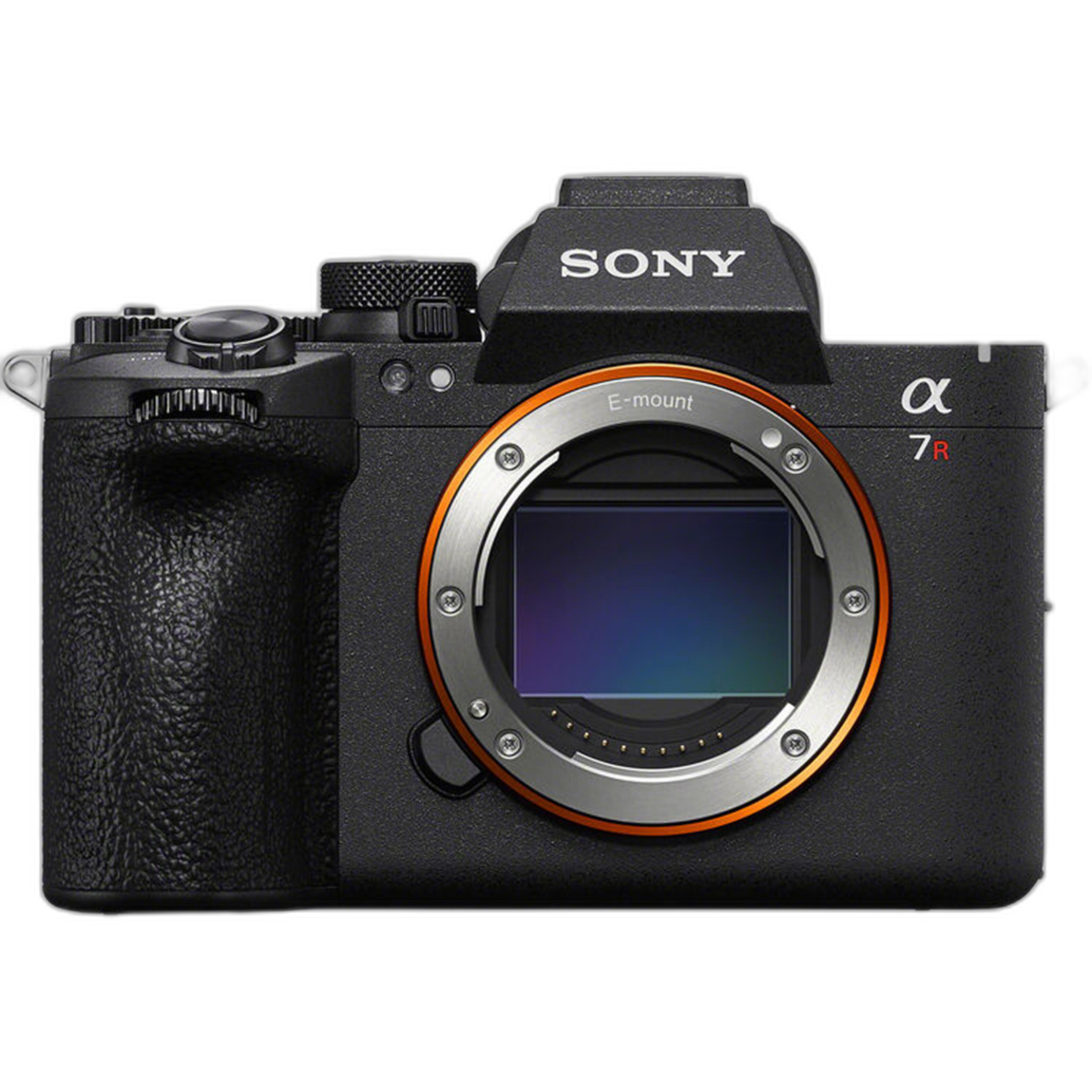
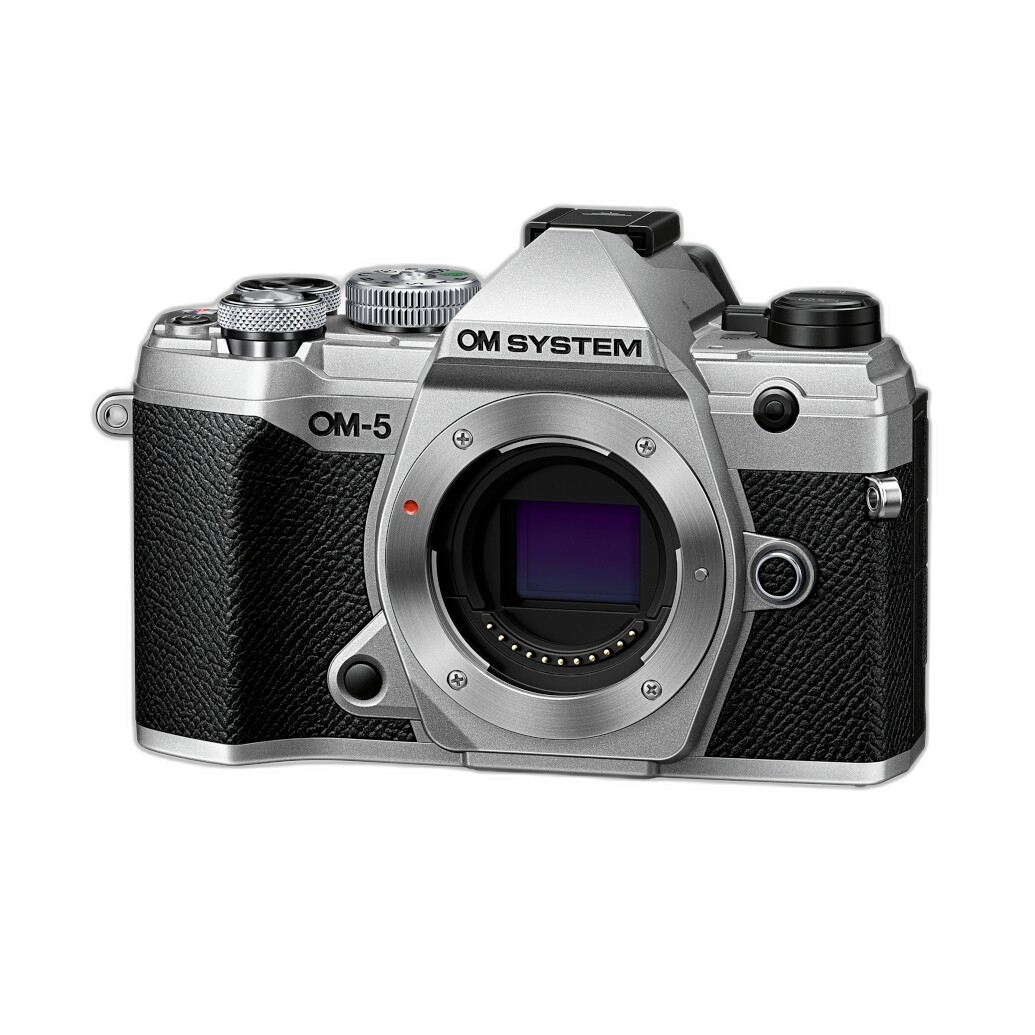
In this review-style guide, we are looking at the DSLR-to-mirrorless transition through the lens of several current options available at Unique Photo. From a flagship high-resolution body like the Sony a7R VI Mirrorless Camera to travel-friendly and budget-conscious options like the OM SYSTEM OM-5, the used Nikon Zf, and the used Panasonic LUMIX S9, today’s mirrorless market offers a much broader range of upgrade paths than early adopters had.
If you are a DSLR user wondering whether now is the right time to jump, the short answer is: often yes—but not always for the same reasons. For some photographers, mirrorless is a transformational improvement. For others, it is only worth it if autofocus, portability, or video performance matters enough to justify replacing or adapting existing gear.
What Mirrorless Actually Changes Compared to DSLR
The DSLR experience is built around an optical viewfinder, dedicated phase-detect autofocus module, and a body design historically optimized for stills. Mirrorless replaces the optical finder with an electronic viewfinder or rear display, allowing the camera to preview exposure, white balance, picture styles, and focus aids in real time. That alone can significantly speed up shooting for many users.
Mirrorless cameras also tend to offer wider autofocus coverage across the frame, stronger eye and subject tracking, faster burst rates, and more advanced hybrid stills/video capability. On the other hand, DSLR users may miss the battery endurance, familiar ergonomics, and optical finder immediacy they have relied on for years.
So the upgrade is not simply about image quality. In many cases, a modern DSLR can still produce excellent files. The bigger advantage is how mirrorless can improve the shooting experience, increase hit rate, and reduce size and weight.
Key Features That Make Mirrorless Worth Considering
1. Autofocus That Dramatically Improves Keeper Rate
This is one of the strongest arguments for switching. Modern mirrorless autofocus can detect and track eyes, faces, animals, vehicles, and subjects moving unpredictably across the frame. For event photographers, portrait shooters, parents, and wildlife users, that can be the difference between a good camera and a camera that actively saves shots.
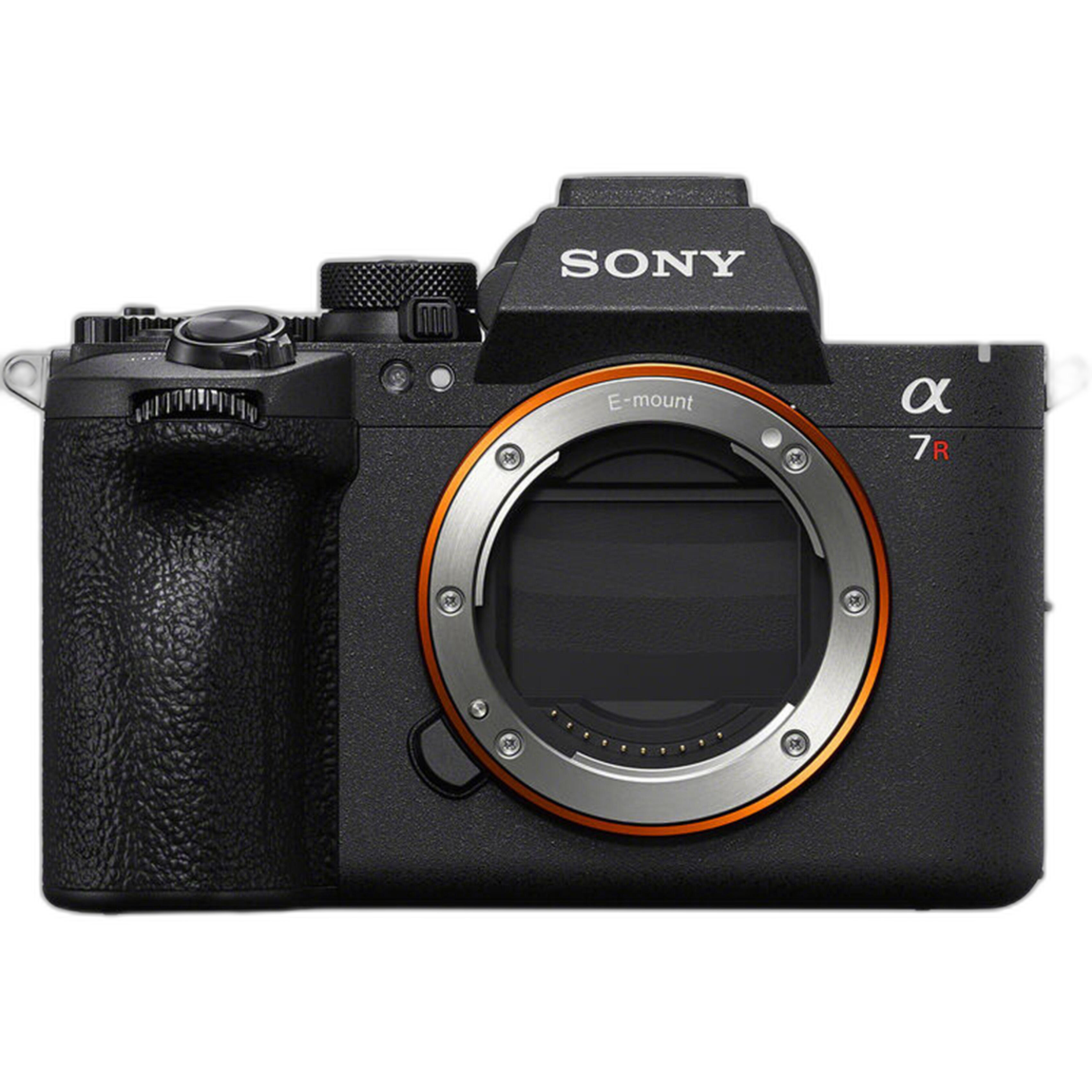
The Sony a7R VI Mirrorless Camera represents the high end of this advantage. Sony’s mirrorless ecosystem has built a reputation around fast, intelligent autofocus and excellent full-frame performance, making it especially compelling for DSLR users who are frustrated by missed focus in challenging situations.
If your DSLR still feels dependable for static work like studio portraits or landscapes, autofocus alone may not justify the jump. But if you photograph movement, people, pets, weddings, or mixed lighting environments, mirrorless often feels like a major leap rather than a minor refresh.
2. Real-Time Exposure Preview and EVF Benefits
DSLR shooters who have not used a modern EVF in a while may be surprised by how good they have become. Being able to see your exposure, color balance, and depth-of-field effects before pressing the shutter reduces guesswork. Add in focus peaking, magnification, zebras, and live histograms, and mirrorless becomes especially useful for manual focus, backlit scenes, and video.
This is not just a convenience feature. It can make you faster and more confident in the field. Landscape photographers and content creators tend to benefit immediately, while longtime DSLR users may need a short adjustment period before they fully appreciate the change.
3. Size and Weight Savings—Sometimes More Than You Expect
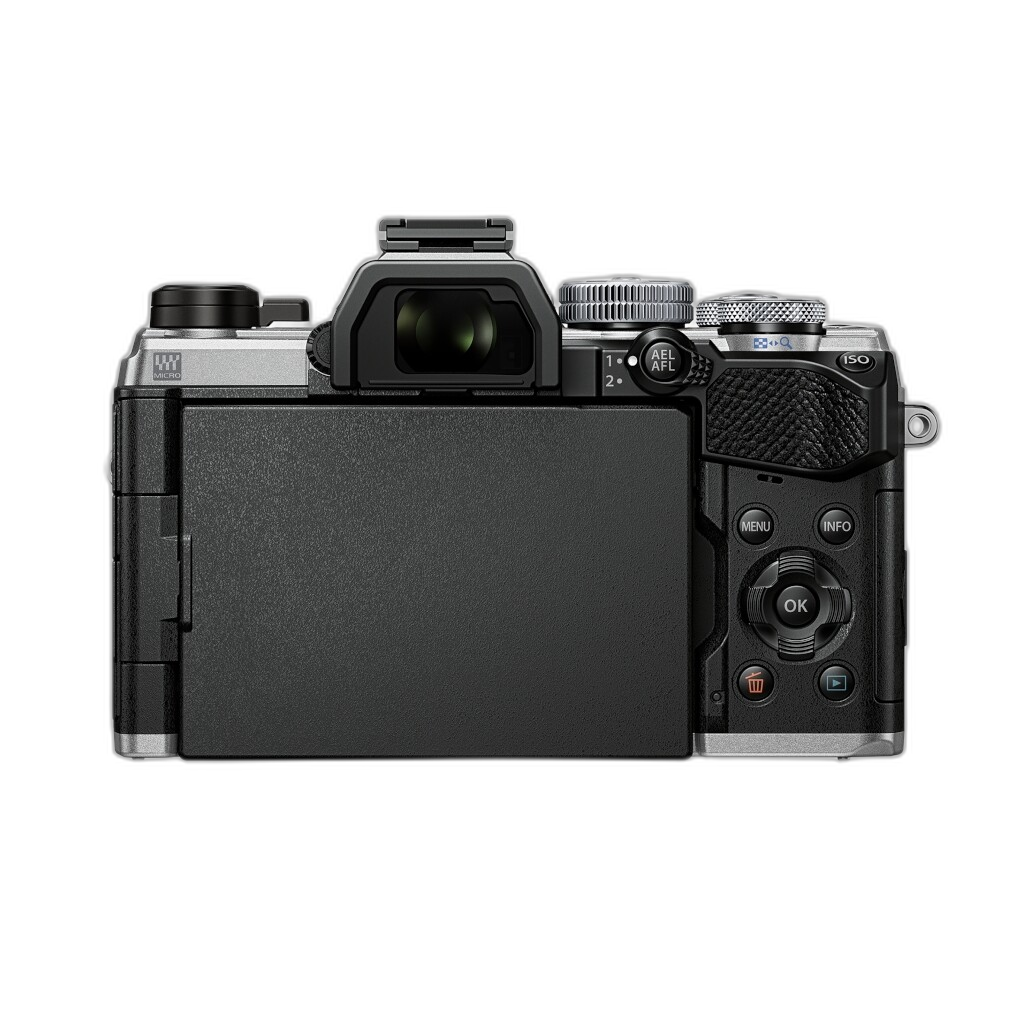
Many DSLR users begin considering mirrorless because they are tired of carrying a large kit. This is where models like the OM SYSTEM OM-5 Mirrorless Camera stand out. It offers a compact, travel-ready body style that is particularly attractive to outdoor photographers, hikers, and enthusiasts who want capable gear without the burden of a heavy full-frame DSLR setup.
That said, switching to mirrorless does not always guarantee a tiny bag. Full-frame mirrorless bodies paired with fast lenses can still be substantial. But there are more pathways to portability now, especially if you are willing to consider Micro Four Thirds, compact primes, or a right-sized body for your needs.
4. Better Video Integration
If your DSLR workflow includes even occasional video, mirrorless is almost always a more modern platform. Better autofocus during video, improved live-view usability, stronger codec options on many models, and body designs built for hybrid use make the transition appealing. The used Panasonic LUMIX S9, for example, is worth noting for users who want a mirrorless system that leans into creator-friendly shooting and portability.
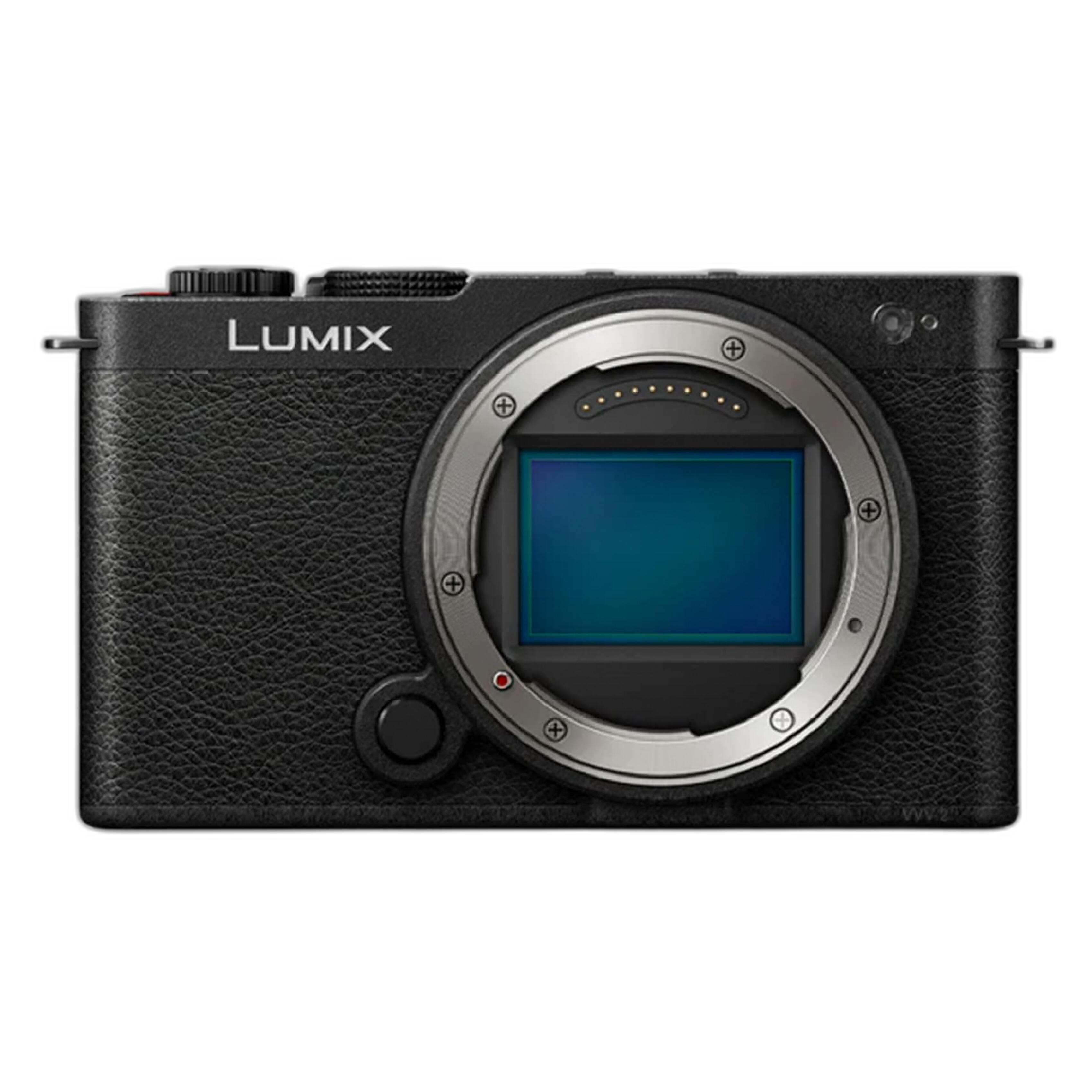
For creators moving from DSLR, this can be one of the most immediately noticeable improvements. What once felt clunky or limited on older DSLR bodies becomes smoother and more intuitive on modern mirrorless systems.
Who Benefits Most from the Switch?
Sony a7R VI: Best for Serious Enthusiasts and Pros Who Want Maximum Performance
If your DSLR upgrade path is about getting the most advanced autofocus, premium full-frame image quality, and a professional-grade feature set, the Sony a7R VI Mirrorless Camera is the kind of body that makes the case for switching very easy. It sits at the high end of the market, so it is not the most casual or budget-friendly recommendation, but it strongly represents what mirrorless can do when performance is the priority.
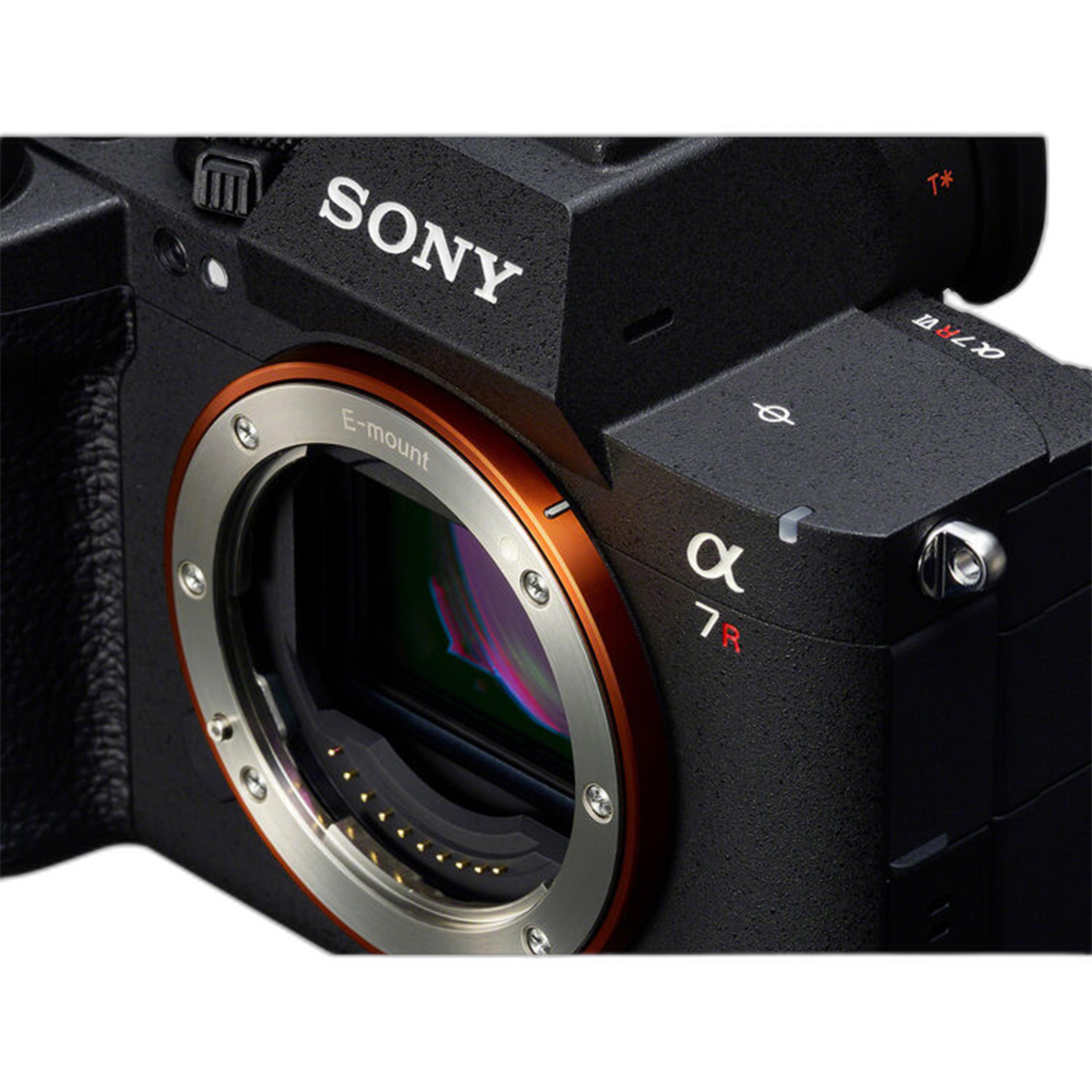
For landscape, portrait, commercial, and advanced hybrid shooters, a body like this can feel like a true generational step forward from an aging DSLR.
OM SYSTEM OM-5: Best for Travel, Everyday Carry, and Outdoor Use
The OM SYSTEM OM-5 Mirrorless Camera is a strong reminder that not every DSLR user needs to jump to a large, expensive full-frame system. If your biggest frustration with DSLR is bulk, this kind of body may be a more satisfying upgrade than a premium flagship. It is an especially sensible option for photographers who prioritize mobility, adventure, and ease of carrying.
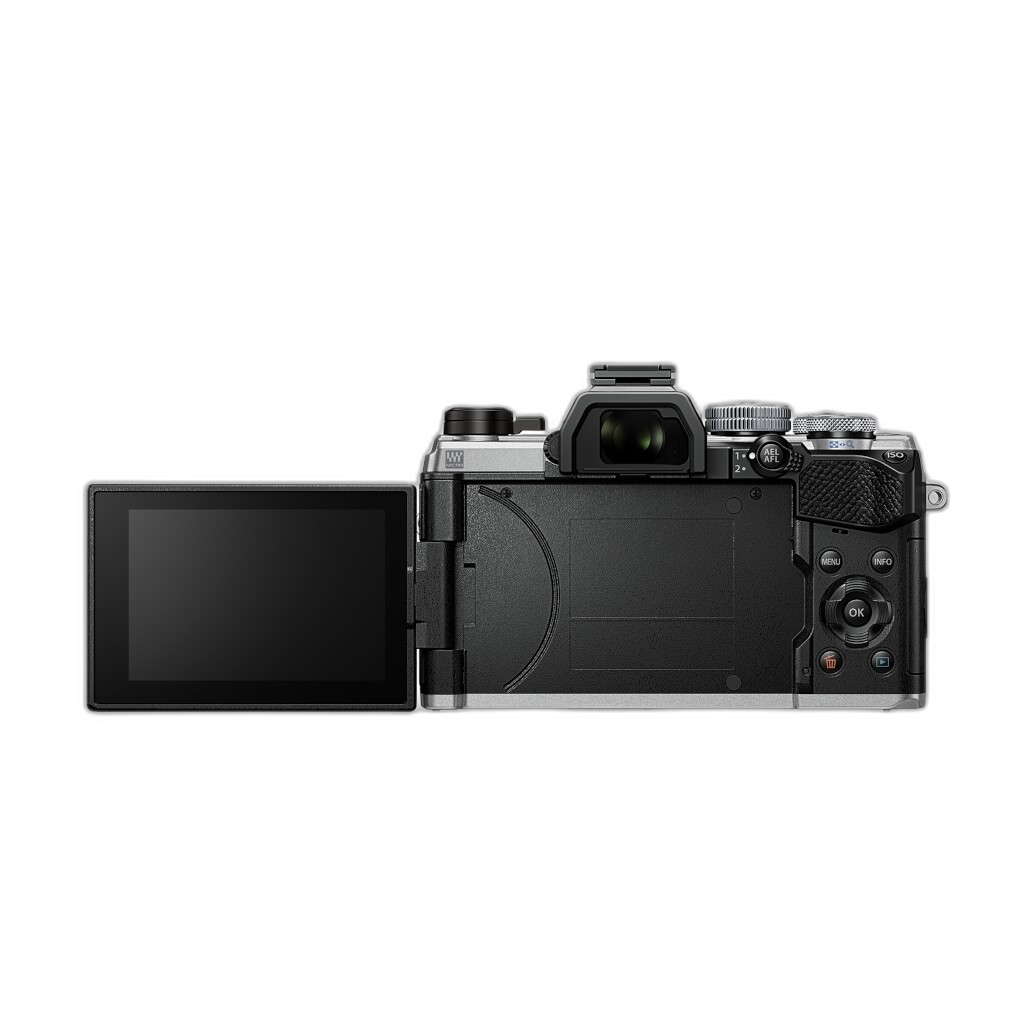
For some users, this is where mirrorless makes the most sense: not as a spec chase, but as a way to bring the camera more often and shoot more consistently.
Used Nikon Zf: Best for DSLR Users Wanting Familiar Handling with a Modern Core
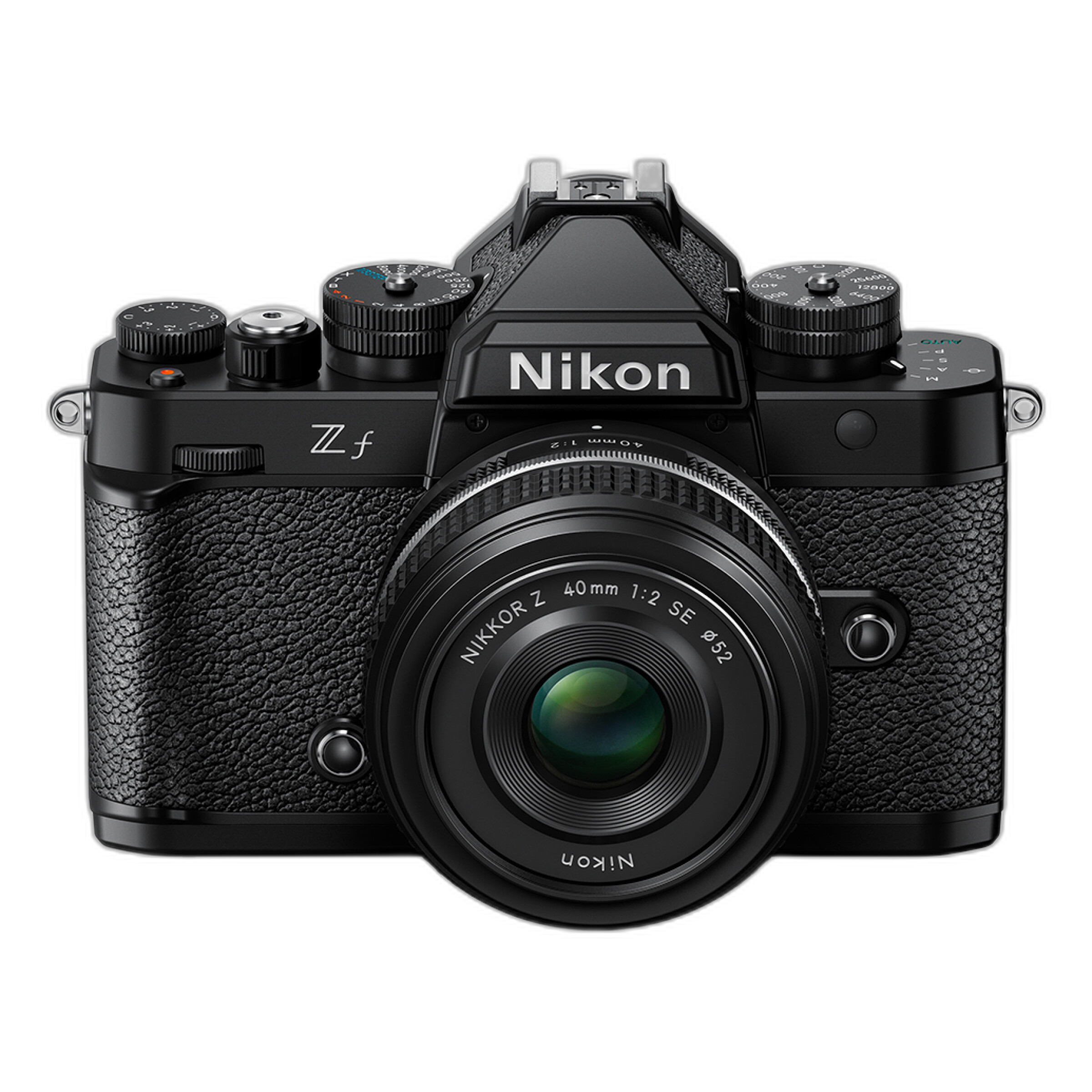
The Used Nikon Zf Mirrorless Camera with 40mm f/2 SE Lens is an appealing middle ground for DSLR photographers, especially Nikon users, who want the benefits of mirrorless without giving up a tactile, photography-first feel. The used market also helps soften the financial hit of changing systems, and that is a major part of the DSLR-to-mirrorless conversation.
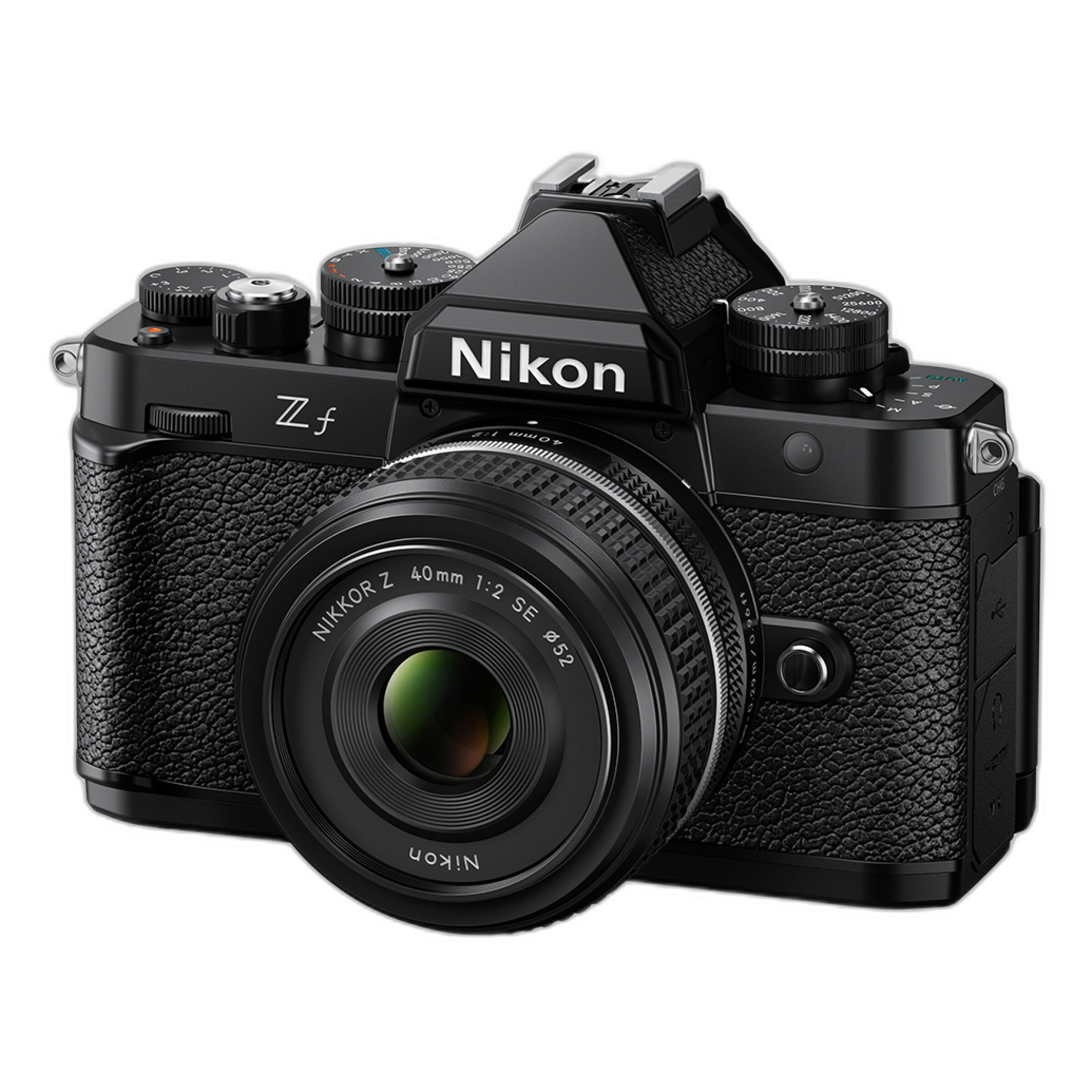
Buying used can make a mirrorless transition far more practical, particularly if you want to test the waters without committing to a fully new-body-and-lens overhaul on day one.
Used Panasonic LUMIX S9: Best for Compact Full-Frame Creators
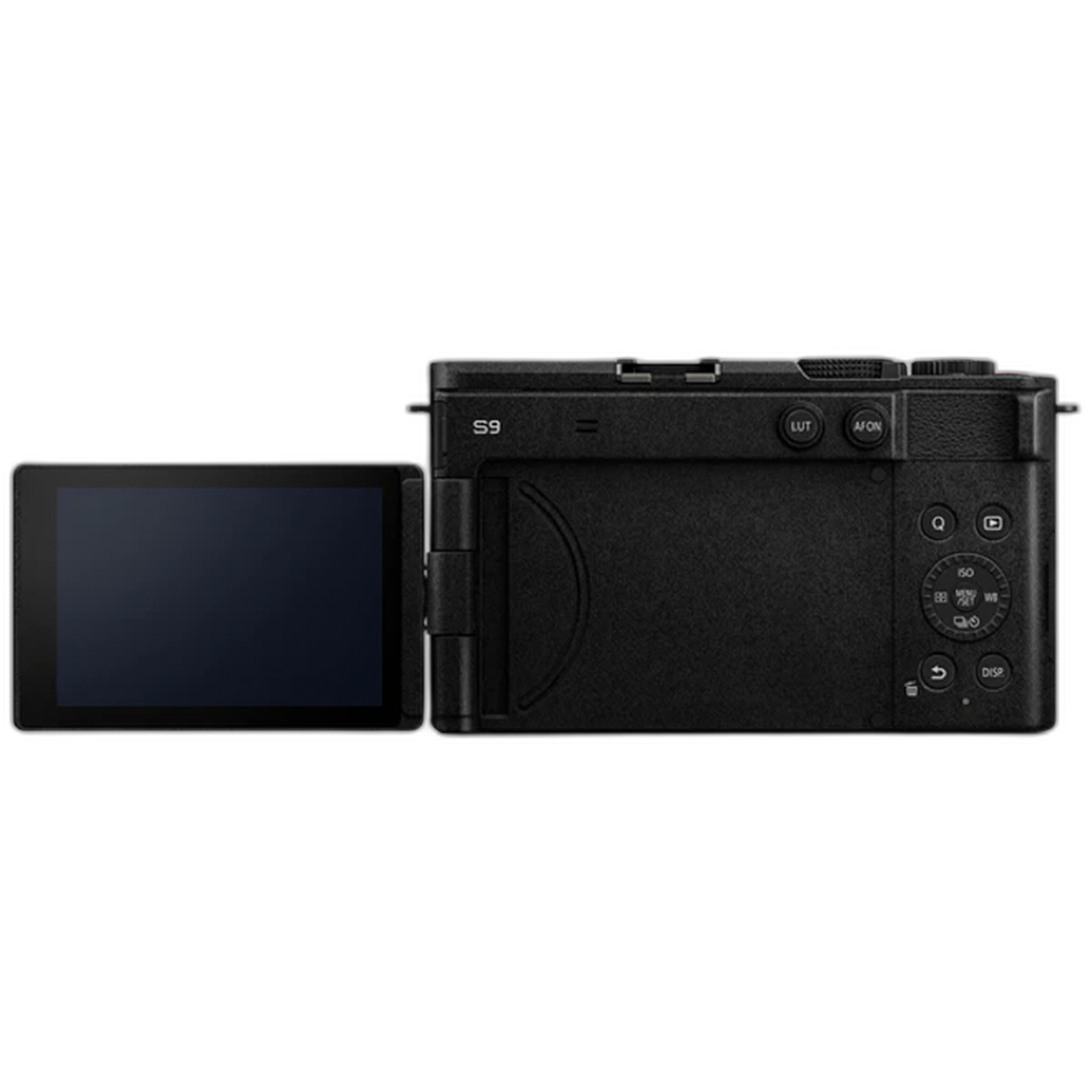
The Used Panasonic LUMIX S9 makes sense for users who want an approachable mirrorless body that emphasizes modern shooting styles and portability. It may not be the direct replacement for every DSLR workflow, but it highlights how mirrorless systems have diversified to serve creators who care about compactness and hybrid performance.
The Hidden Costs of Switching Systems
This is where many DSLR users hesitate, and for good reason. The body is only part of the equation. If you switch mounts, you may need new lenses, batteries, memory cards, bags, and accessories. Adapters can help preserve some DSLR lens investments, but they do not always deliver the same balance, autofocus consistency, or experience as native mirrorless glass.
That is why the answer to “Is it worth it?” depends heavily on what you already own. If you have a deep DSLR lens kit that still serves you well, the smartest path may be a gradual transition. If your current system is aging and you were planning to invest anyway, mirrorless is usually the more future-focused move.
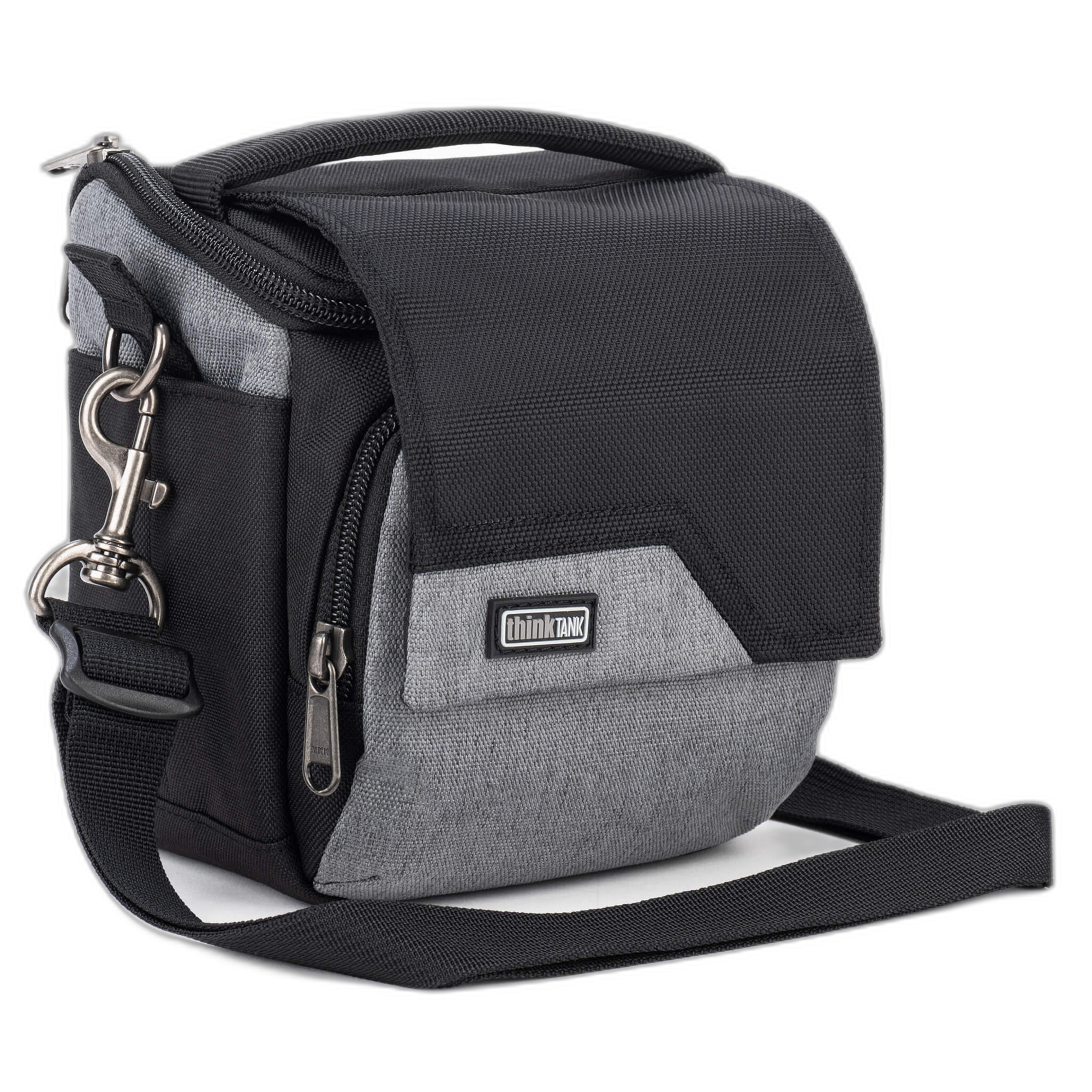
For practical carrying, something like the Think Tank V2 Mirrorless Mover 10 Cool Grey also reflects another reality of the switch: smaller systems can lead to simpler kits.
Learning Curve: Easier Than Expected, but Still Real
Most photographers adapt quickly to mirrorless, but there can be a brief adjustment period. Menus, EVFs, battery management, and autofocus customization all feel a bit different from DSLR shooting. If you are moving into a feature-rich system like Sony, a little training can go a long way.
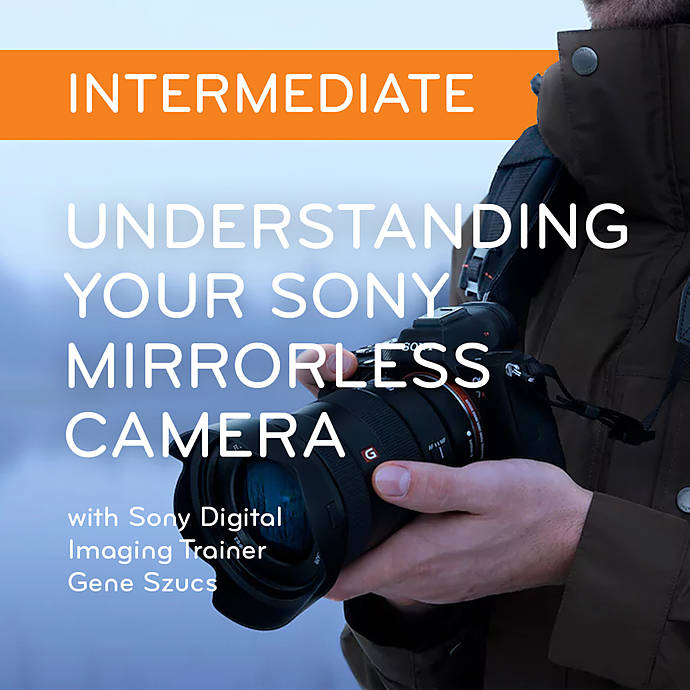
That is why educational resources matter. A class like Understanding Your Sony Mirrorless Camera: Intermediate (Sony) available through Unique Photo can help shorten the transition and unlock the features that make mirrorless worth buying in the first place.
Pros and Cons of Upgrading from DSLR to Mirrorless
Pros
- More advanced autofocus with better tracking and eye detection
- Real-time exposure preview through EVF or LCD
- Typically smaller and lighter body options
- Stronger video features and hybrid shooting performance
- Greater focus-area coverage across the frame
- Access to modern lens ecosystems and newer processing technology
Cons
- Switching costs can be significant if you need new lenses and accessories
- Battery life is often shorter than DSLR equivalents
- Some photographers still prefer an optical viewfinder experience
- High-performance mirrorless bodies can be expensive
- Adapting older DSLR lenses may not always deliver the best user experience
Verdict: Is It Worth Upgrading?
For most active photographers buying into a system today, yes—switching from DSLR to mirrorless is worth it. The autofocus gains, live-view advantages, compact design possibilities, and stronger hybrid capabilities make mirrorless the more forward-looking platform. The difference is especially meaningful for portrait, event, travel, wildlife, and content-creation shooters.
That said, the best upgrade is the one that fits your budget and shooting priorities. If you want top-tier full-frame performance, the Sony a7R VI Mirrorless Camera is a compelling flagship-level example of why mirrorless has become the new standard. If portability matters more, the OM SYSTEM OM-5 is a smart and highly practical path. If budget is the biggest concern, the used market—like the Nikon Zf or Panasonic LUMIX S9—can make the jump much easier to justify.
Our recommendation: if your DSLR still meets your needs and your lens investment is substantial, transition carefully. But if you are ready for a more modern shooting experience, mirrorless is no longer just an alternative—it is the upgrade path most photographers should be considering. You can shop these mirrorless cameras, accessories, used options, and learning resources at Unique Photo.