If you’ve been shooting video on a DSLR, you’ve probably hit a point where you’re asking the big question: is it finally time to move up to a cinema camera? For many creators, the answer depends less on hype and more on workflow, client expectations, and how often video is your main deliverable. Cinema cameras can offer major advantages in recording formats, monitoring tools, audio options, cooling, and overall production efficiency. But that doesn’t mean every DSLR shooter needs to upgrade immediately. Here are a few practical tips to help you decide whether making the jump is truly worth it.
1. Decide Whether Your Biggest Limitation Is Image Quality or Workflow
Know what’s really slowing you down
Many DSLR and hybrid shooters assume they need a cinema camera because they want a more “cinematic” image. In reality, the first major upgrade often isn’t just image quality—it’s workflow. Cinema cameras are designed to make production smoother with better codecs, more robust cooling, dedicated video controls, and easier rigging.
If you want a bridge between photo-style familiarity and cinema-focused features, the Canon EOS R5 C Digital Cinema Camera is one of the most compelling options. It feels approachable for DSLR and mirrorless users, while adding professional video features that make longer shoots and more demanding productions easier to manage.
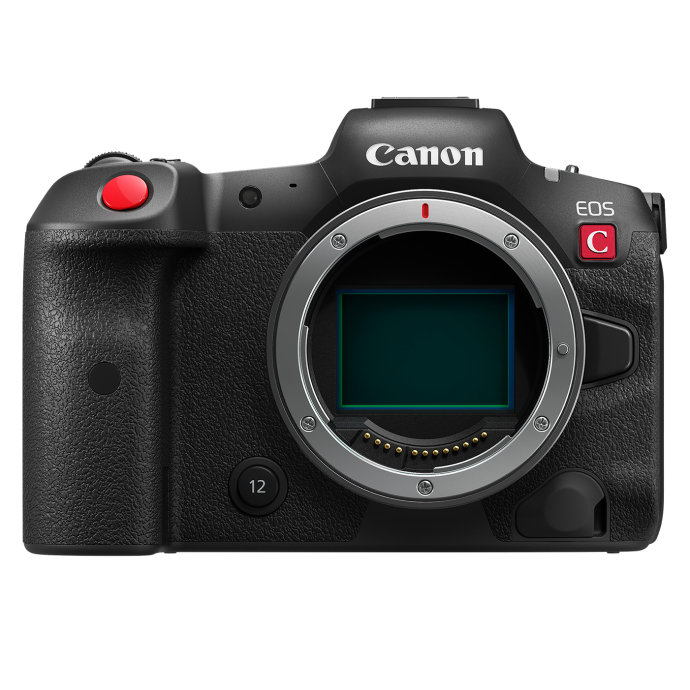
If your DSLR still delivers the look you want but your setup slows you down on set, that’s a strong sign a cinema camera could be worth the investment.
2. Think About How Often You Shoot Long-Form Video
Event, documentary, and interview shooters benefit quickly
One of the biggest reasons people move beyond DSLRs is reliability during extended recording. Long interviews, live events, documentaries, and corporate productions all benefit from cameras built for sustained capture. Better heat management, more production-ready interfaces, and less interruption can make a huge difference on paying jobs.
The Canon EOS C80 Digital Cinema Camera makes a lot of sense for creators who want a more dedicated cinema body without jumping straight into a large, high-end production platform. It’s the kind of camera that can help simplify professional shoots where uptime matters just as much as image quality.
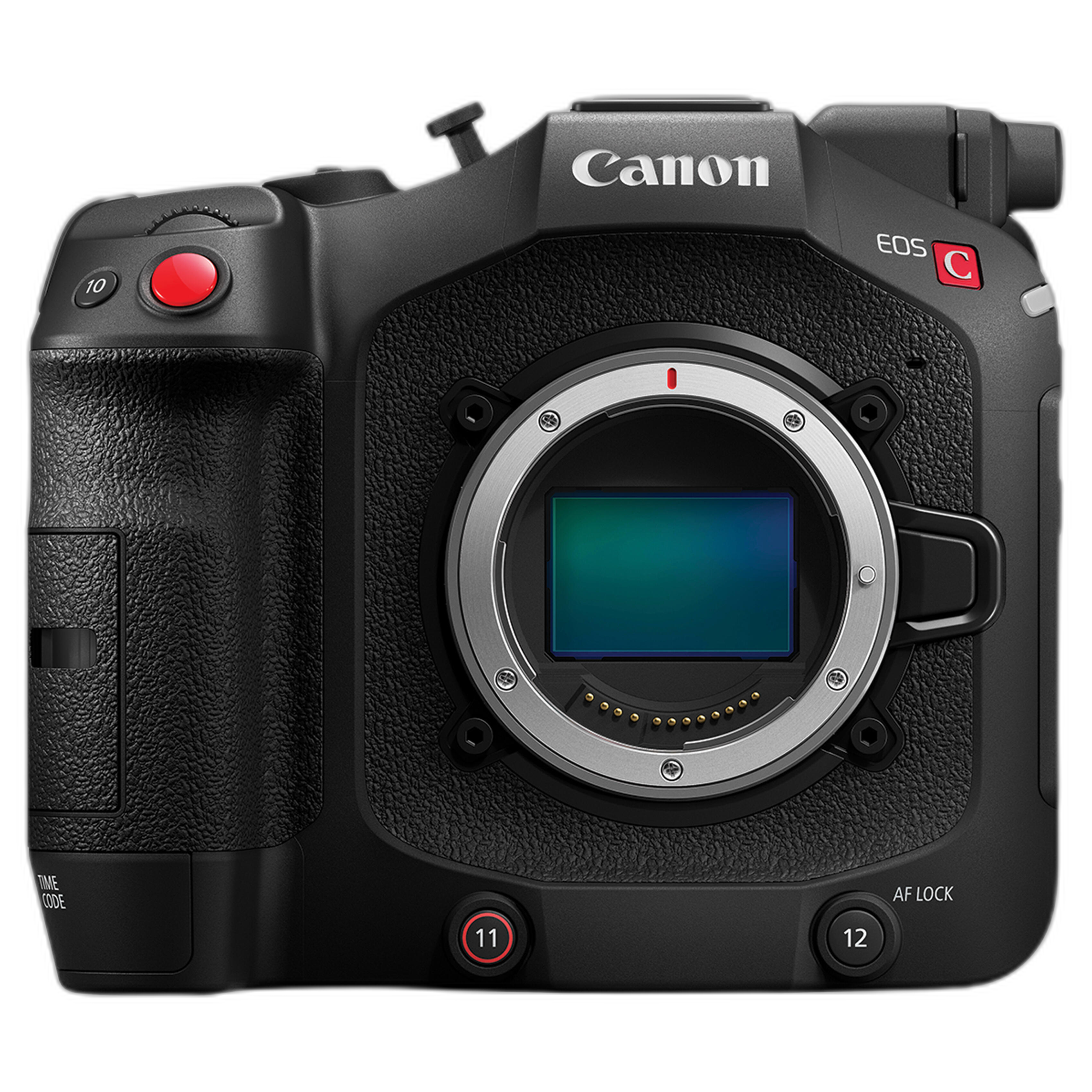
- If you regularly shoot interviews, talking heads, or live productions, cinema cameras can reduce stress considerably.
- If most of your video work is short-form social content or occasional clips, your DSLR or hybrid setup may still be enough.
3. Consider the Audio and Monitoring Advantages
Professional video tools save time in post
DSLR shooters often build complex cages and accessory setups just to get the monitoring and audio tools they need. Cinema cameras are designed with video production in mind, which means you’re more likely to get better monitoring options, easier access to settings, and cleaner audio integration right out of the box.
That’s especially important if you work with external mics, time-sensitive productions, or crews that need a faster, cleaner setup. A camera like the Canon EOS C400 6K Full-Frame Digital Cinema Camera is built for productions where those professional features aren’t “nice to have”—they’re essential to getting the job done efficiently.
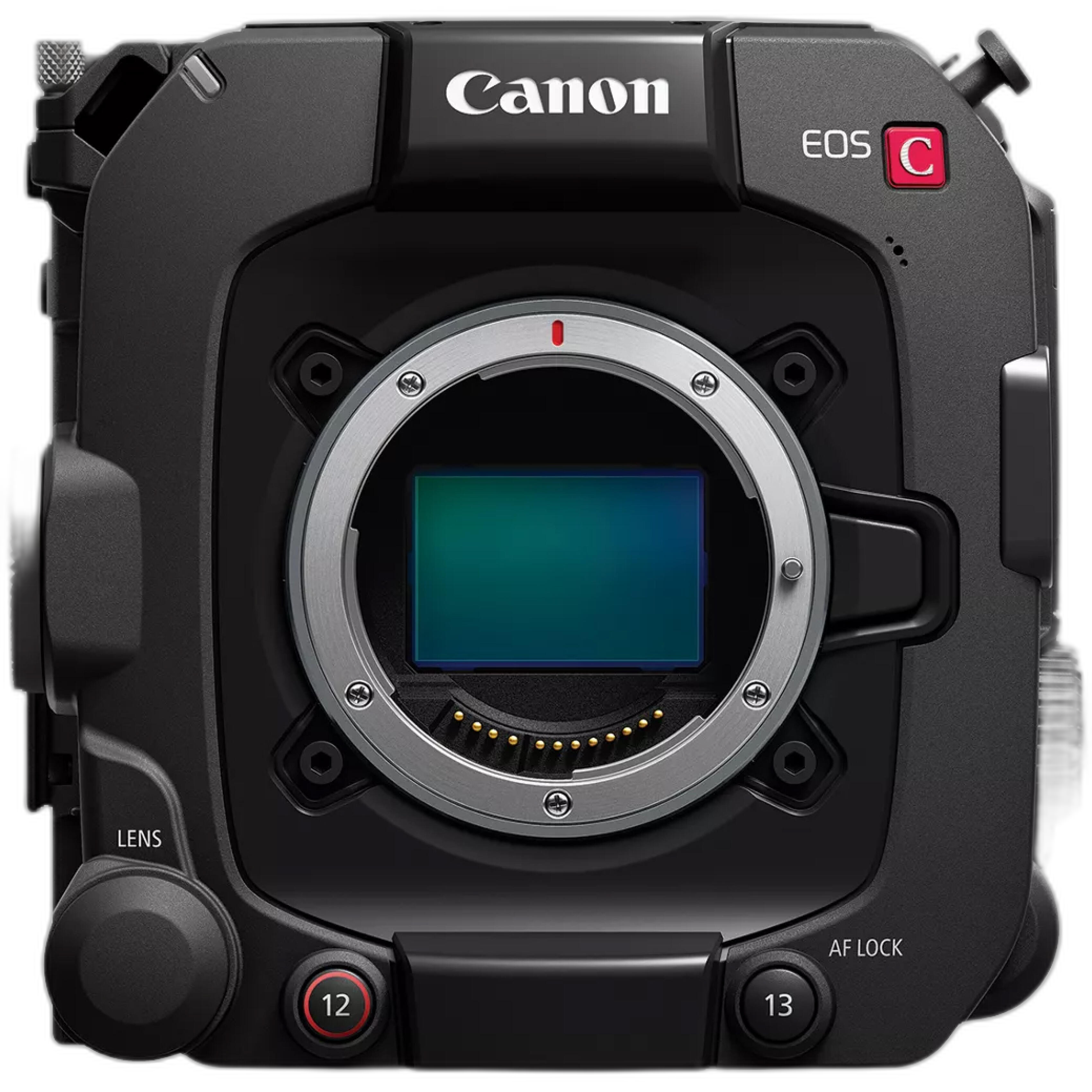
If your current DSLR rig feels like a workaround instead of a solution, that’s a strong clue you’ve outgrown it.
4. Be Honest About Your Clients and Deliverables
Upgrade when the work demands it
Not every shooter needs a cinema camera just because one exists. But if clients expect high-end delivery formats, heavy color grading, or larger commercial production standards, a dedicated cinema body can absolutely help you keep up. More robust recording options and production-friendly design can be a meaningful advantage when the stakes are higher.
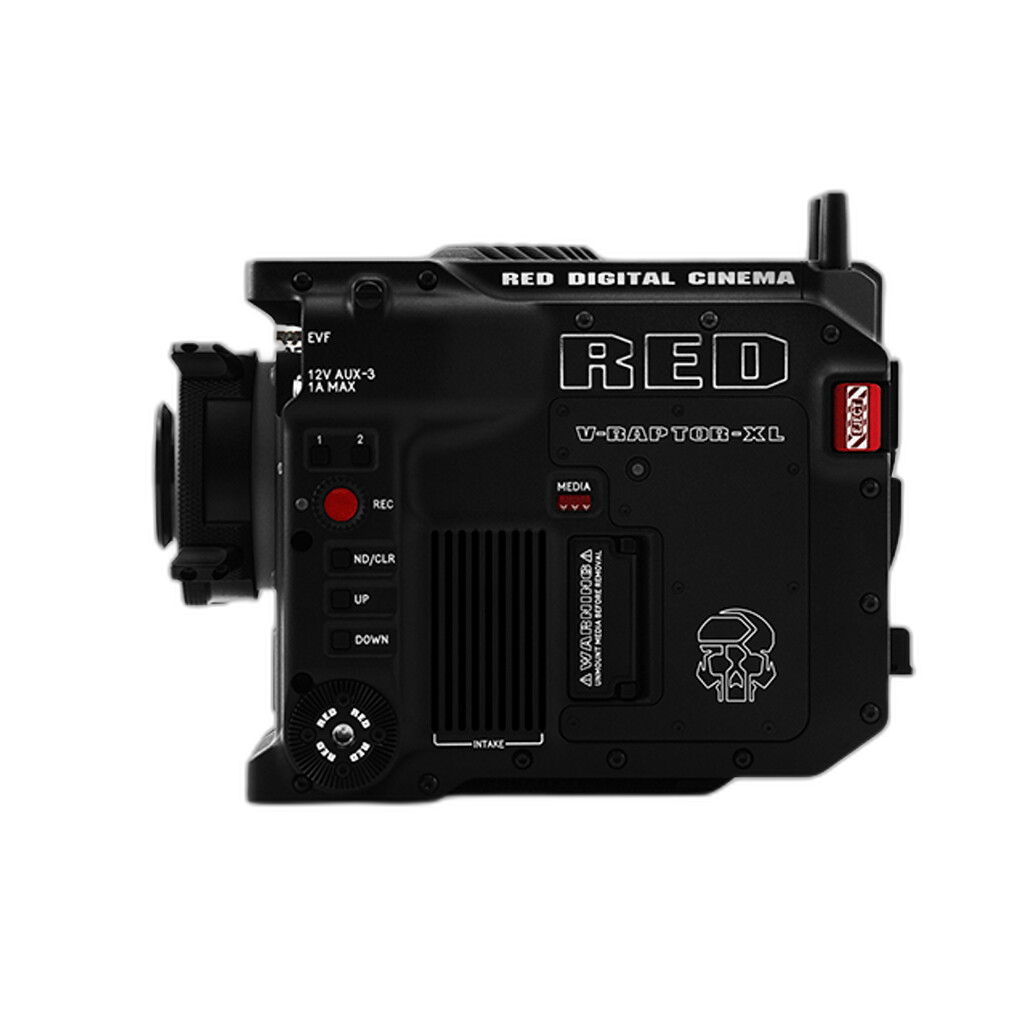
For top-tier commercial, narrative, or advanced production environments, a system like the RED DIGITAL CINEMA V-RAPTOR XL 8K VV Cinema Camera is built for demanding workflows where flexibility in post and premium capture are key priorities. It’s a very different level of tool than a DSLR, and for the right productions, that leap is justified.
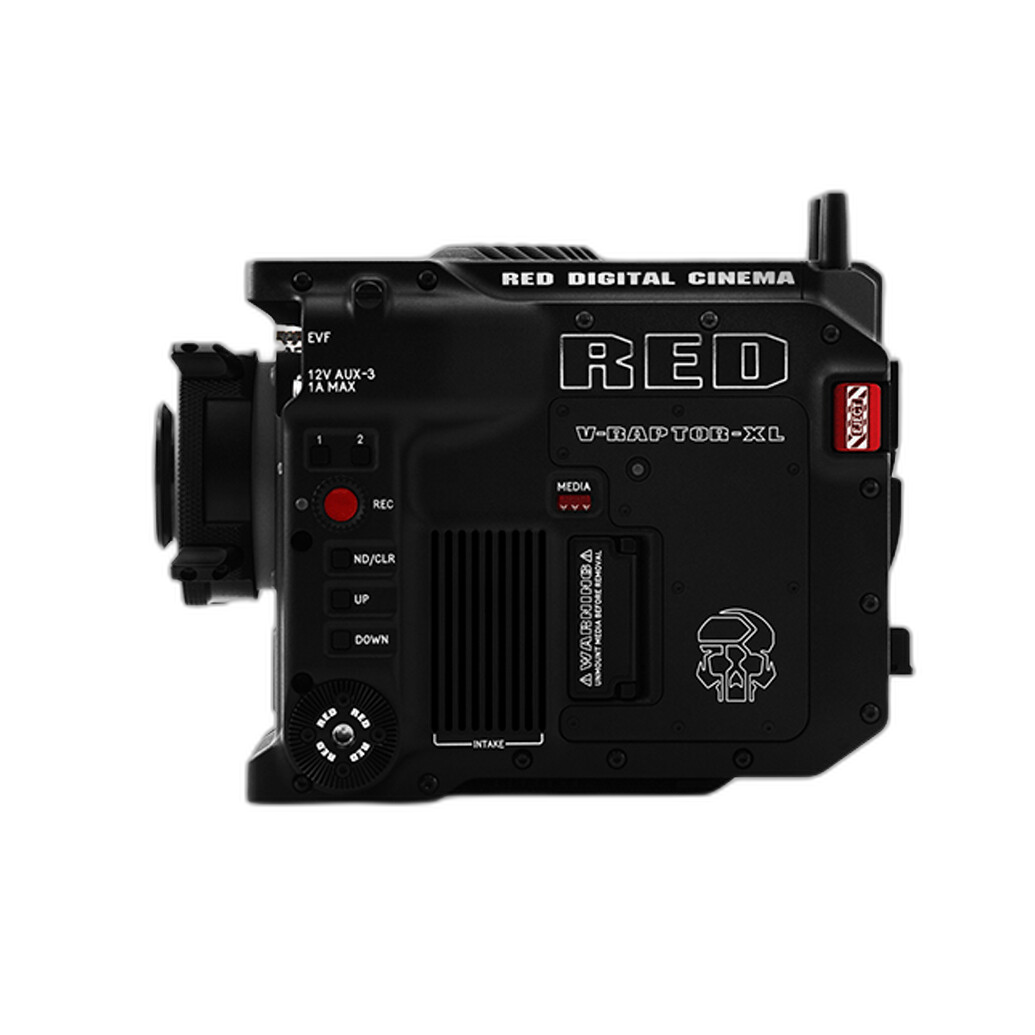
That said, if your clients mainly want polished web video and fast turnaround, you may not need to jump all the way to a flagship cinema platform.
5. Start with a Hybrid-Cinema Option if You’re Unsure
You don’t have to leap to the biggest body first
For many DSLR users, the smartest move is not going from a stills camera directly to a full cinema rig with every accessory imaginable. A model that blends familiar handling with advanced video performance can be a more realistic first step.
The Canon EOS R5 C remains a standout choice here because it gives creators a comfortable transition into dedicated cinema features while keeping the overall experience approachable. If you already know the Canon ecosystem, the learning curve can feel a lot less intimidating.
This is often the sweet spot for wedding filmmakers, content creators, hybrid shooters, and small production teams that want more professional video capability without completely rebuilding the way they work.
6. Don’t Overlook Used Gear as a Lower-Risk Entry Point
Used cinema gear can make the upgrade easier to justify
If budget is the main thing holding you back, used gear can be a smart way to step into cinema production without taking on the full cost of a brand-new body. That can be especially helpful if you’re still testing how much of your work truly benefits from the upgrade.
Options like the Used Excellent Canon EOS R5 C Digital Cinema Camera, Used Good Canon EOS R5 C Digital Cinema Camera, or Used Fair Canon EOS R5 C Digital Cinema Camera can be practical paths for filmmakers who want cinema-focused capability while keeping spending under control.

- Used gear is great for filmmakers testing a new production direction.
- It can also free up budget for lenses, audio, storage, and support gear.
- In many cases, those accessories make as much difference as the camera body itself.
7. Ask Whether the Upgrade Will Make You Faster, Not Just Better
Speed and confidence matter on real shoots
The best gear upgrades don’t just improve specs on paper—they help you work faster, more confidently, and more consistently. A cinema camera may be worth it if it helps you expose more accurately, monitor more effectively, record more reliably, and spend less time troubleshooting on set.
That could mean stepping into a compact dedicated cinema option like the Canon EOS C80, moving into a more advanced production-ready body like the Canon EOS C400, or going all-in with a premium platform such as the RED DIGITAL CINEMA V-RAPTOR XL 8K VV Cinema Camera (Gold Mount) for larger productions.
If the upgrade helps you deliver better work with fewer compromises, it’s often worth far more than the resolution or headline spec alone.
Conclusion
So, is switching from a DSLR to a cinema camera worth it? If video has become a serious part of your business or creative work, the answer is often yes—especially when workflow, reliability, and production tools matter as much as image quality. The key is choosing a camera that matches the kind of work you actually do today, while giving you room to grow tomorrow. If you’re ready to compare options, explore cinema cameras at Unique Photo and find the setup that fits your style, budget, and next level of filmmaking.