If you shoot weddings, corporate events, concerts, school performances, or fast-moving live coverage, stabilization gear can make or break your footage. The right support system helps you stay mobile, react quickly, and deliver polished video without fighting camera shake all day. But choosing between a gimbal, tripod, or monopod depends on how you work: do you need smooth movement, locked-off ceremony coverage, or a fast, flexible middle ground?
This guide is for event shooters who need dependable stabilization for real-world production. We’ll compare the strengths of each option, explain when each one makes the most sense, and highlight standout picks available at Unique Photo.
Gimbal vs. Tripod vs. Monopod: What’s the Difference?
Gimbals are built for motion. They actively stabilize your camera while you walk, track subjects, or capture dynamic establishing shots. They’re ideal for entrances, dance floors, venue walk-throughs, and cinematic B-roll.
Tripods are best when you need a locked, stable frame for long stretches. For event coverage, they shine during ceremonies, speeches, presentations, and any situation where consistency matters more than mobility.
Monopods split the difference. They’re faster to reposition than a tripod and more stable than pure handheld shooting. For event videographers covering speeches, processions, performances, and documentary-style work, a monopod is often the most practical tool in the bag.
Quick Comparison
| Support Type | Best For | Mobility | Stability | Learning Curve | Typical Event Use |
|---|---|---|---|---|---|
| Gimbal | Moving shots and cinematic coverage | High | High while moving | Moderate | Entrances, walk-throughs, dance floor, detail shots |
| Tripod | Locked-off framing | Low | Very high | Low | Ceremonies, speeches, presentations |
| Monopod | Fast repositioning with extra support | Medium-High | High | Low | Events, performances, run-and-gun coverage |
How to Choose for Event Coverage
If you’re mostly filming motion-heavy sequences, a gimbal gives you the smoothest results and the most modern look. If your priority is long, uninterrupted coverage, a tripod remains essential. If you need to move quickly between angles without constantly rebalancing or setting up legs, a monopod is often the smartest choice.
Many event shooters ultimately use a combination: tripod for safety coverage, gimbal for B-roll, and monopod for the majority of active shooting. If you’re buying one tool first, think about the percentage of your day spent moving versus holding static framing.
Our Pick
Our Pick: Benro A48FDS6PRO Aluminum Video Monopod with S6PRO Head
For many event videographers, the monopod is the most versatile single-tool solution. The Benro A48FDS6PRO stands out because it offers more stability and video-friendly control than basic monopods, while staying far quicker to deploy than a full tripod. If you cover ceremonies, speeches, stage events, and fast-paced documentary moments in the same day, this style of support is hard to beat.
Recommended Gear
Zhiyun CRANE M3S Handheld Gimbal Stabilizer Combo
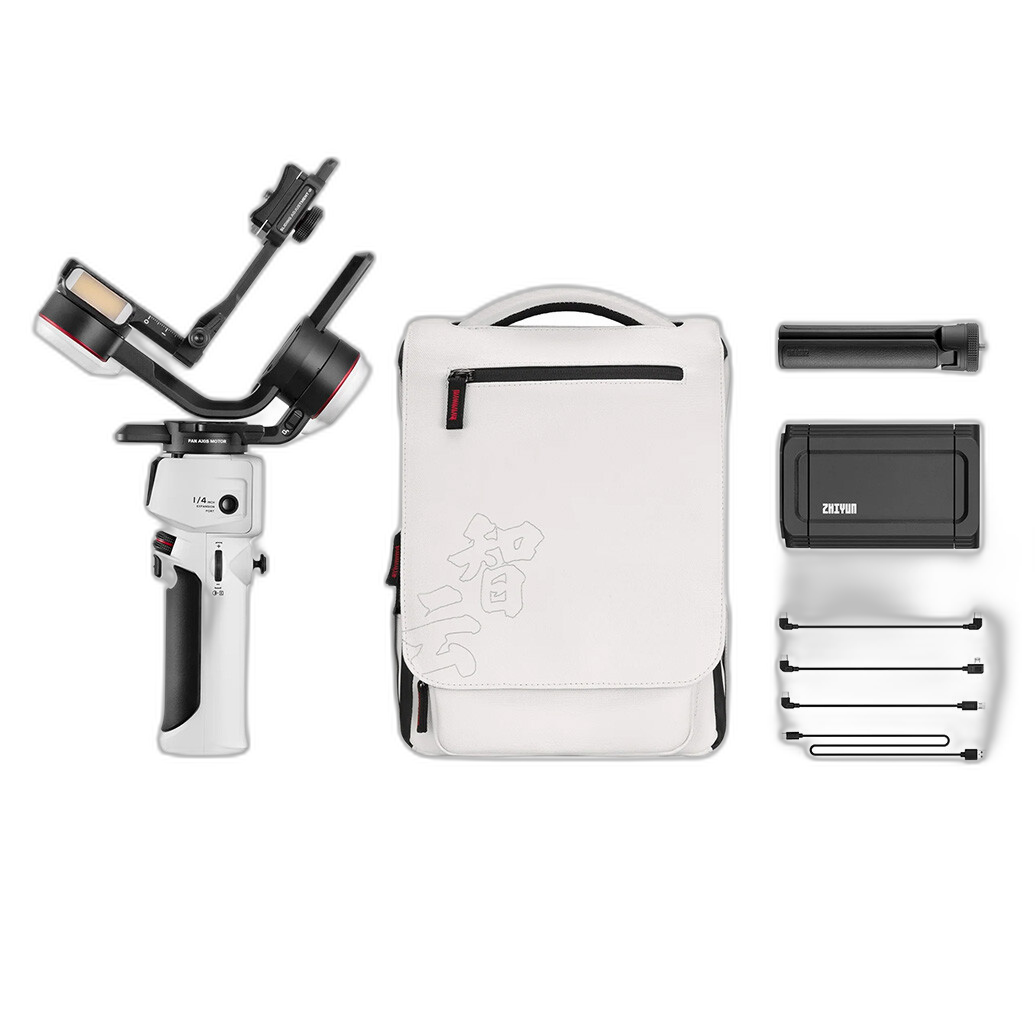
The Zhiyun CRANE M3S Handheld Gimbal Stabilizer Combo is a strong choice for creators who want smooth motion in a compact, event-friendly package. For wedding highlight reels, venue tours, reception coverage, and behind-the-scenes content, a lightweight gimbal like this can add production value immediately.
This is the right fit if your work leans cinematic and you’re comfortable balancing a camera before the job. It’s especially useful when handheld shake would otherwise distract from the final video. For solo shooters who move constantly, a compact gimbal can be easier to keep in rotation throughout the day than a larger cinema-focused rig.
Best for: walk-and-talk shots, bridal prep, entrances, dance floor coverage, creative B-roll
Used DJI RSC 2 Gimbal Stabilizer - Excellent
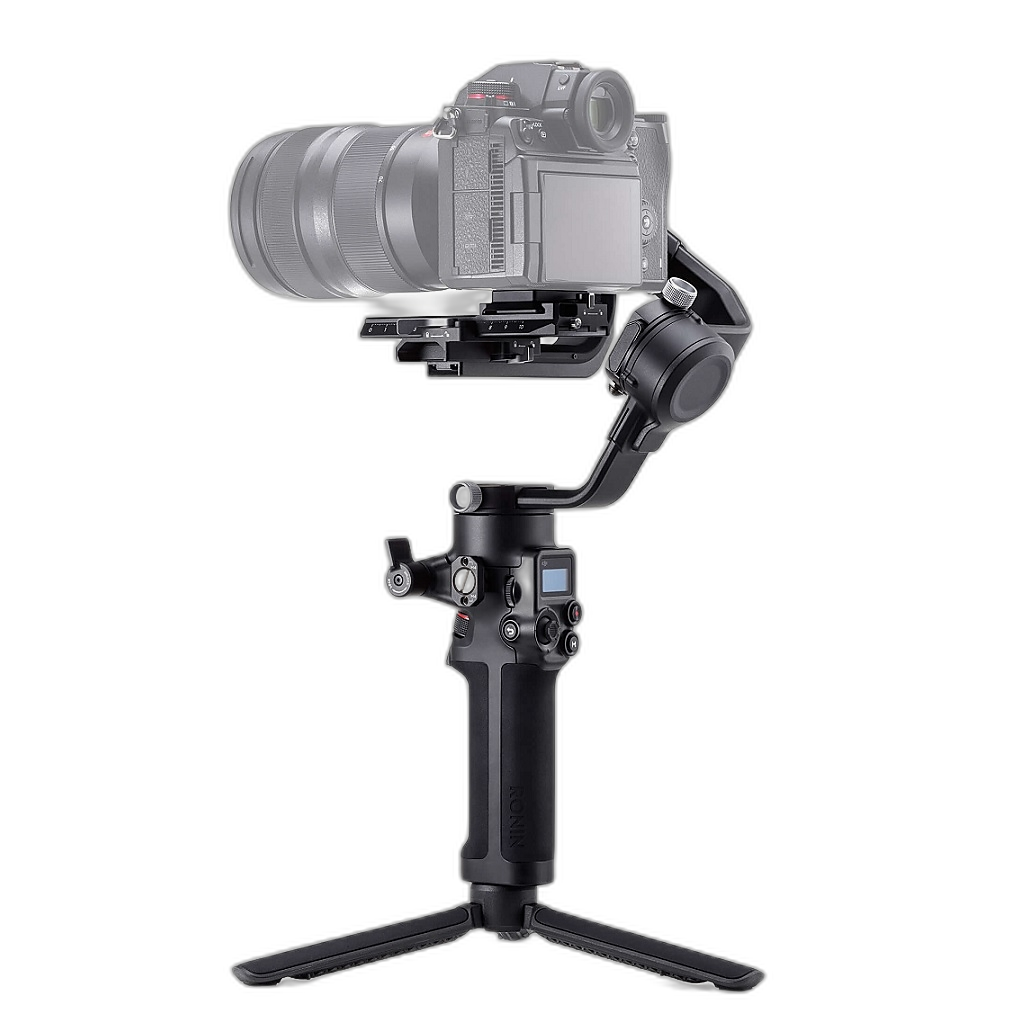
If you want the benefits of motorized stabilization while shopping more value-conscious options, the Used DJI RSC 2 Gimbal Stabilizer - Excellent deserves a look. DJI gimbals are popular with event shooters because they’re designed for dependable stabilization and adaptable shooting styles.
A used gimbal can be a smart way to add motion tools to your kit without stretching your budget. For event work, that means you may be able to reserve more of your budget for lenses, audio, or lighting while still gaining smooth tracking shots and moving coverage.
Best for: budget-minded buyers wanting cinematic movement, hybrid shooters expanding into video
Benro A48FDS6PRO Aluminum Video Monopod with S6PRO Head
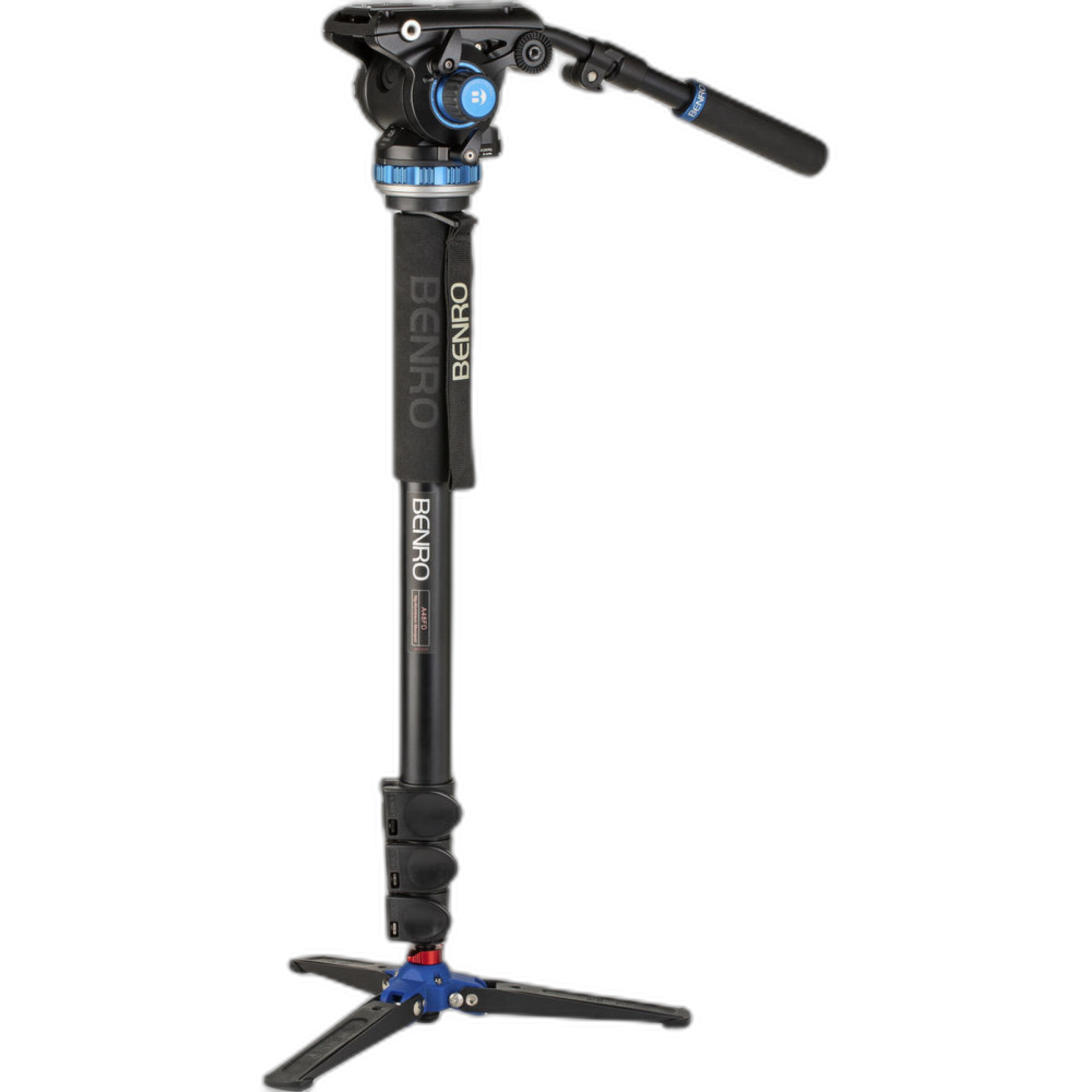
This Benro video monopod setup is one of the most event-ready options here. A monopod with a proper video head makes a major difference when you need smoother pans, controlled tilts, and quick resets between moments. That’s why this style of support is a favorite for ceremonies, speeches, stage performances, and sideline coverage.
Compared to handheld shooting, it reduces fatigue and improves consistency. Compared to a tripod, it is dramatically faster to move through aisles, crowds, and tight venues. If your work demands agility without sacrificing a professional look, this is an excellent all-around solution.
Best for: ceremonies, speeches, stage coverage, documentary-style event shooting
Benro A48FDS4PRO Aluminum Video Monopod with S4PRO Head
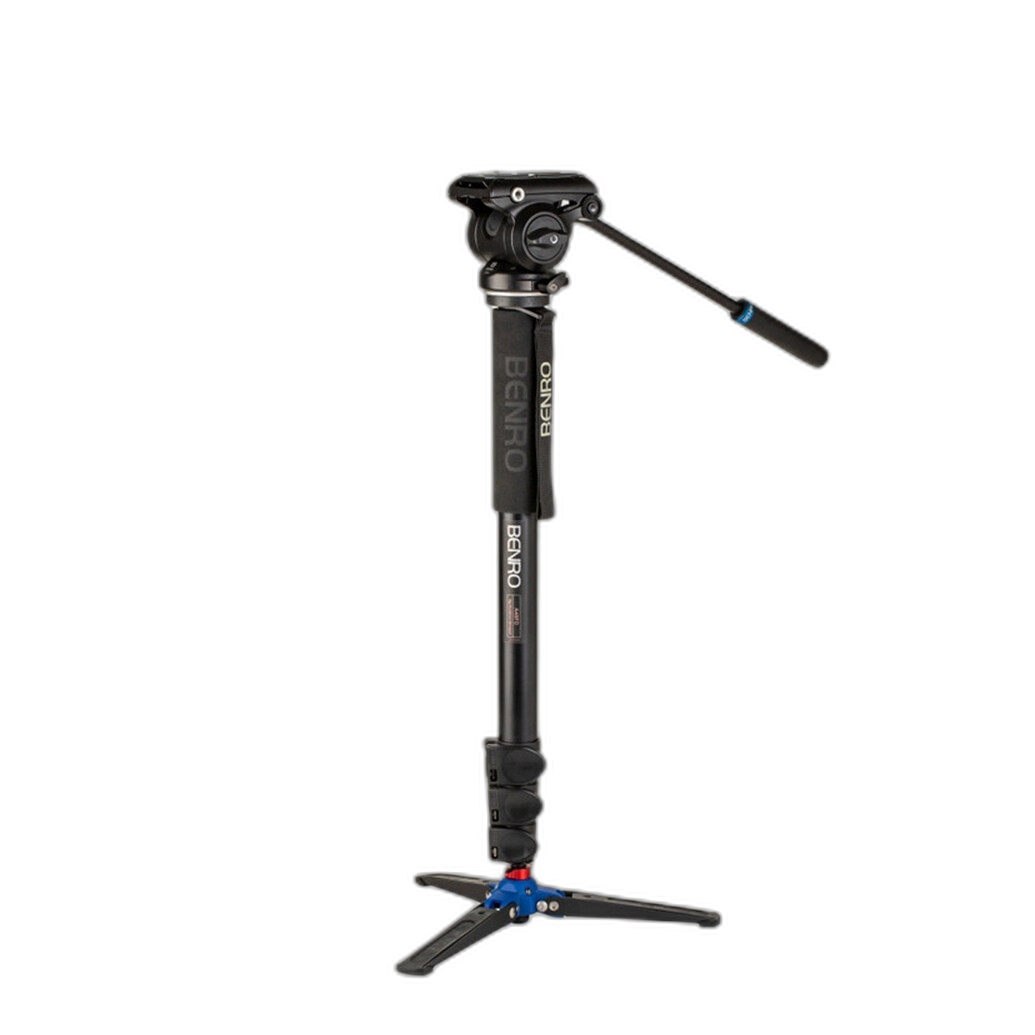
The Benro A48FDS4PRO Aluminum Video Monopod with S4PRO Head offers many of the same advantages as the S6PRO version: speed, support, and improved control over handheld shooting. It’s a practical option for event shooters who want a dedicated video monopod system that’s easy to reposition throughout a venue.
If you cover school events, recitals, conferences, or worship services, a monopod like this can be the perfect in-between tool. It gives you steadier footage without committing to a full tripod footprint, which matters when space is limited or movement is constant.
Best for: versatile event shooters who want stability with a smaller setup footprint
Used Excellent Zhiyun CRANE M3S Handheld Gimbal Stabilizer
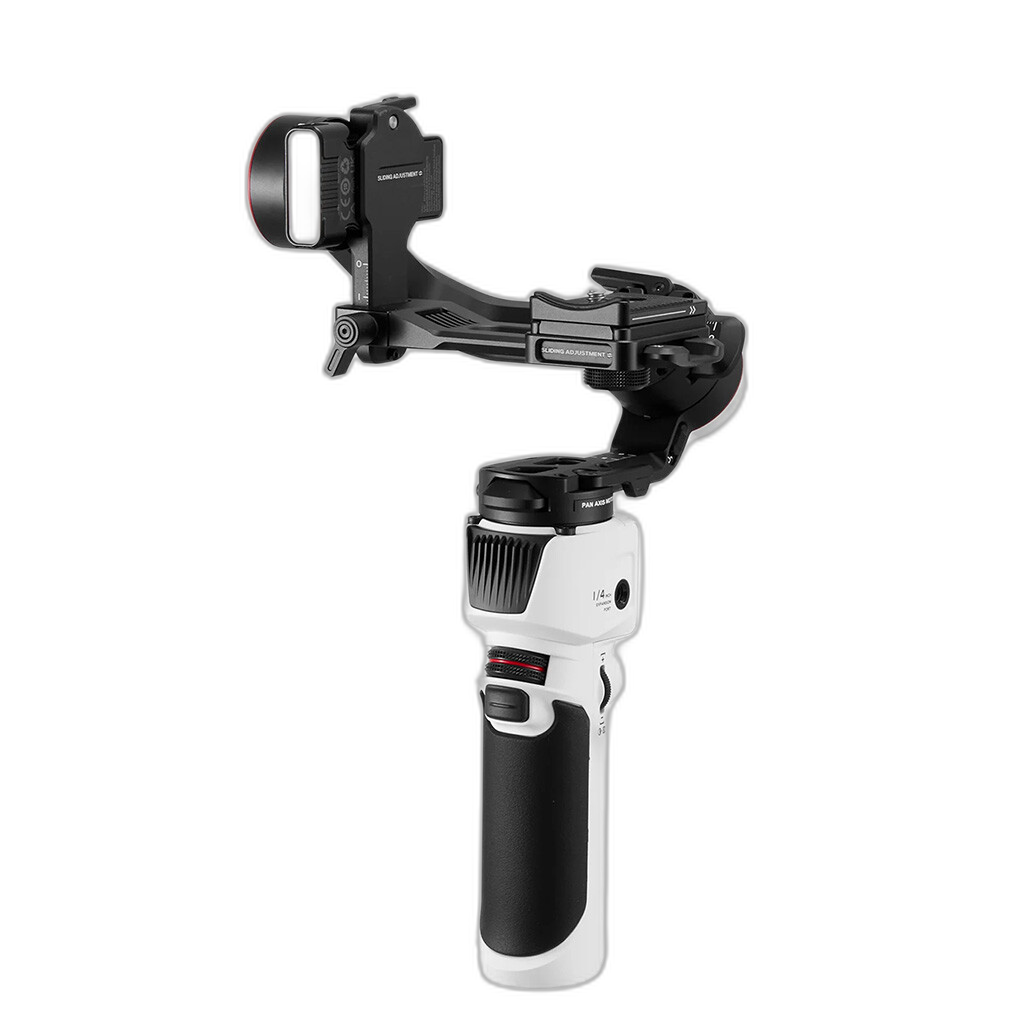
The used excellent-condition Zhiyun CRANE M3S is an appealing option for creators who want compact gimbal performance at a potentially better value than buying new. For event coverage, this can be a practical route into stabilized motion if you only need a gimbal for select parts of the day.
Used gear is especially attractive for photographers crossing into video, social creators building a hybrid kit, or part-time event shooters who want professional-looking motion without paying full-price for every accessory.
Best for: occasional video shooters, value-focused buyers, hybrid creators
Used Good Zhiyun CRANE M3S Handheld Gimbal Stabilizer
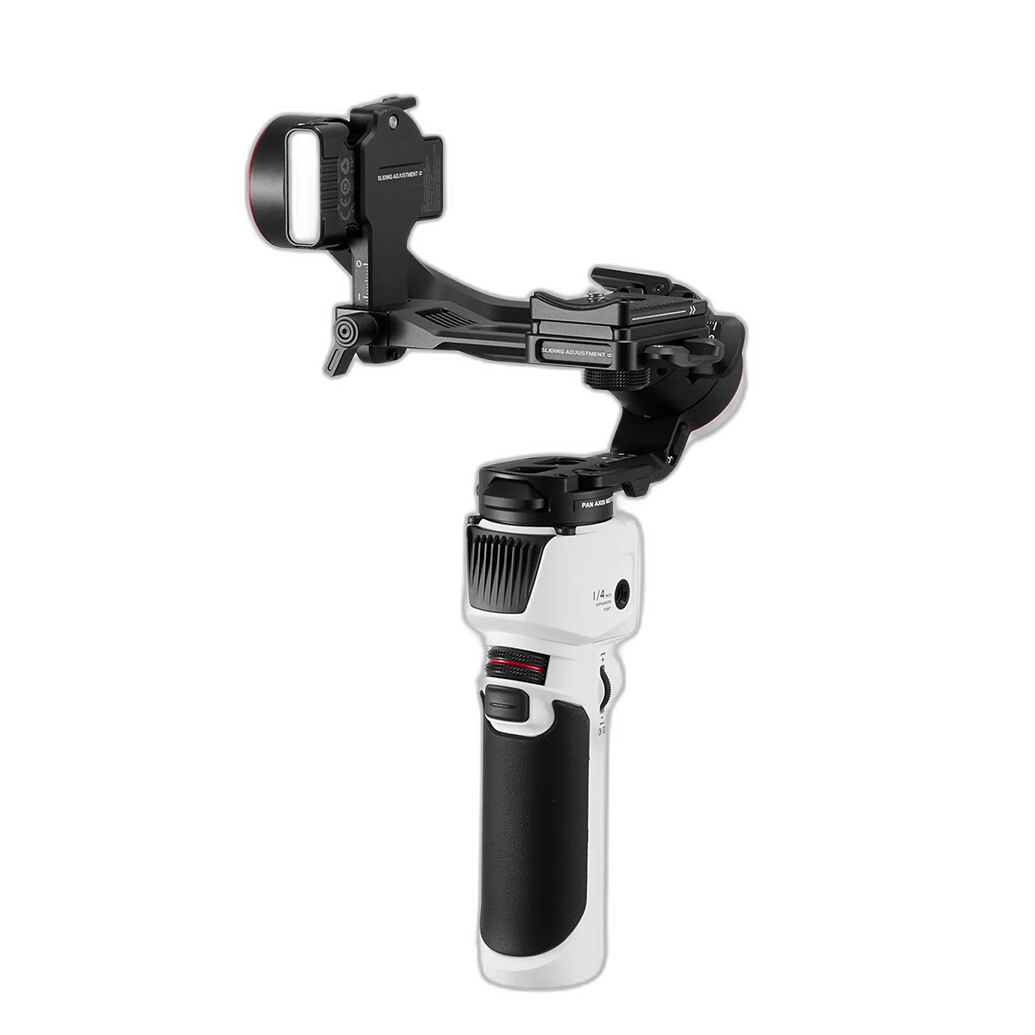
If getting into gimbal shooting at the lowest practical cost is the priority, the used good-condition Zhiyun CRANE M3S is worth considering. For many event shooters, a second support tool is more useful than a premium version of the same tool, and used gear can help make that possible.
This option makes sense for backup kits, newer creators, or shooters who primarily rely on monopods and tripods but still want occasional moving shots in their workflow.
Best for: entry-level event video, backup kits, cost-conscious buyers
Best Use Cases by Shooter Type
| Shooter Type | Recommended Support | Why |
|---|---|---|
| Wedding filmmaker | Gimbal + Monopod | Use the gimbal for cinematic moments and the monopod for ceremony and speeches |
| Corporate event videographer | Monopod + Tripod | Fast repositioning with stable coverage for presentations and interviews |
| Solo hybrid shooter | Monopod first | Best balance of mobility, support, and simplicity |
| Content creator covering live events | Compact gimbal | Helps create polished moving footage in crowded environments |
Which One Should You Buy First?
If you only have budget for one stabilization tool, a video monopod is often the most practical first purchase for event coverage. It improves stability immediately, sets up fast, works well in tight spaces, and handles a wide range of real assignments.
If your style is more cinematic and movement-driven, start with a gimbal. Just keep in mind that gimbals reward preparation, balancing, and battery management. A tripod is still a must-have for certain productions, but for many active event shooters, it may not be the most versatile first addition unless your work is heavily ceremony- or presentation-based.
Final Verdict
For most event shooters, the choice is less about which stabilization tool is universally best and more about which one fits your shooting style. If you want the broadest versatility for live coverage, the Benro A48FDS6PRO Aluminum Video Monopod with S6PRO Head is our top recommendation. If your priority is fluid movement and cinematic energy, the Zhiyun CRANE M3S is a compelling gimbal option, with used choices offering even more value.
Whether you’re building a complete event kit or adding a specialized support tool, Unique Photo is a great place to compare new and used stabilization gear for your workflow.