Sony Zoom vs Prime for Event Photography: FAQ and Compare Tool Tips
Choosing between a Sony zoom and a prime lens for event coverage is rarely about one lens being universally better. It comes down to how you shoot, how quickly scenes change, and which tradeoffs matter most in low light, crowded venues, and unpredictable timelines.
At Unique Photo, we recommend using any lens comparison tool as a starting point rather than the final answer. Specs can help you narrow your shortlist, but event photography demands a practical balance of speed, framing flexibility, autofocus confidence, and subject separation.
What specs matter most when comparing Sony zoom and prime lenses for events?
For event photography, the most important specs are maximum aperture, focal length flexibility, autofocus performance, size and handling, and how the lens fits your shooting distance in real venues. A fast prime can give you stronger background blur and better low-light capability, while a zoom usually wins when you need to reframe instantly without moving through a crowd.
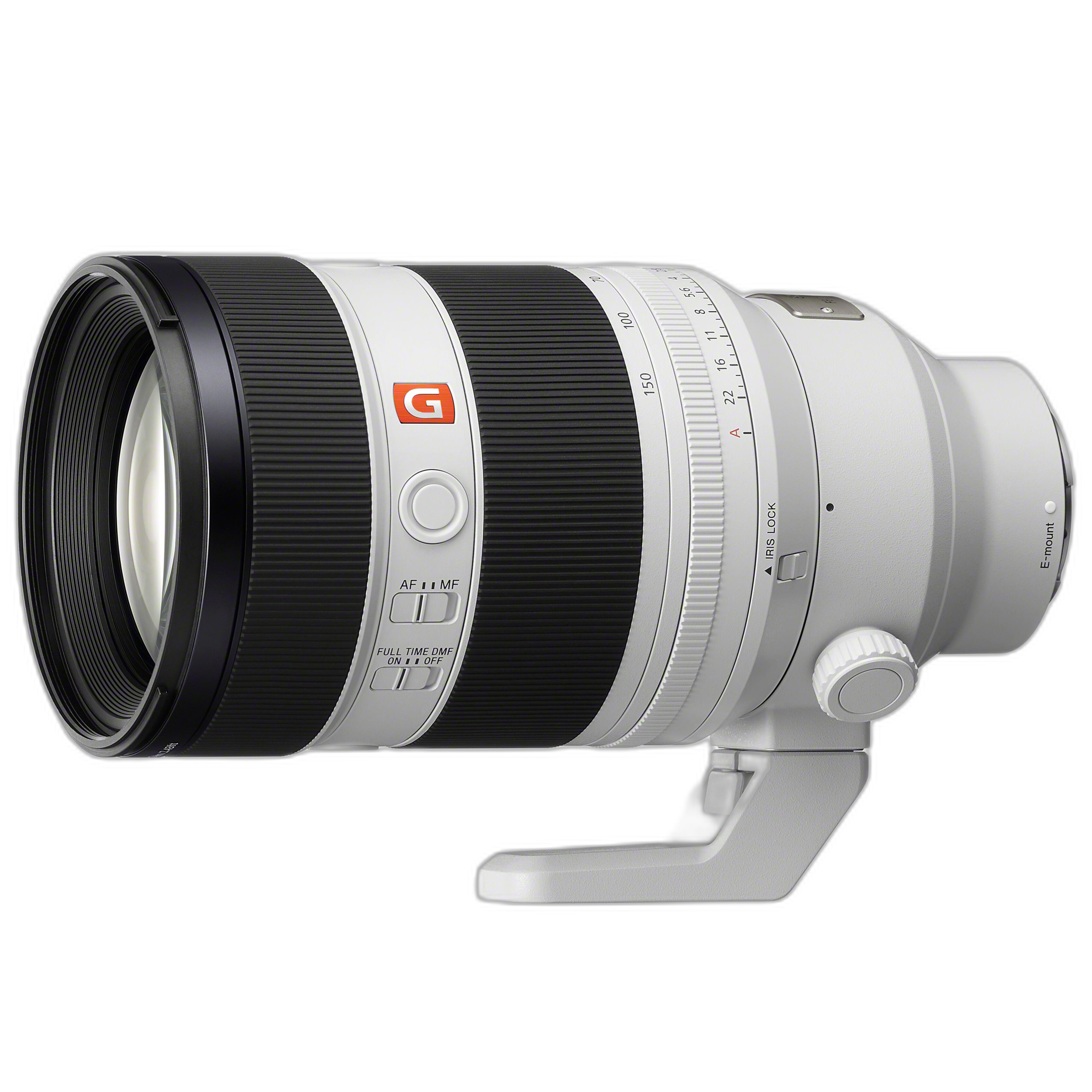
In practice, start with aperture and focal length. If you often work in dim reception halls, a fast prime may help keep ISO lower and shutter speeds safer. If you are covering speeches, candid reactions, room details, and portraits in rapid succession, a zoom can save shots simply because you can adapt faster. For photographers who need reach during ceremonies, stage presentations, or tighter portrait moments, the Sony FE 50-150mm F2 GM Lens is especially compelling because it combines strong telephoto coverage with a bright f/2 aperture.
Also pay attention to weight and balance. A lens that looks ideal on paper can become tiring over a long wedding day or corporate event. If you shoot handheld for hours, handling is not a minor spec; it directly affects your consistency.
How should I think about a 24-70mm f/2.8 zoom versus a 35mm f/1.4 prime for real event work?
This is one of the most common event-lens decisions because both options are highly practical, but they solve different problems. A 24-70mm f/2.8 is the classic all-around event lens because it covers wide environmental scenes, mid-range candids, and tighter portraits without a lens swap. It is often the safer choice when you only want to carry one lens.
A 35mm f/1.4 prime, by contrast, is often the more creative and low-light-friendly choice. It can deliver a more immersive perspective, brighter viewing, and shallower depth of field. If your style favors storytelling, dance floor energy, table interactions, and natural-looking environmental portraits, 35mm can be excellent. The tradeoff is that you need to move your feet more, and there will be moments when you simply cannot get closer or farther fast enough.
Our advice: if your assignments are unpredictable or you are still refining your event workflow, the zoom is usually the more versatile foundation. If you already know you love the 35mm field of view and you regularly shoot in darker venues, the prime may align better with your style.
When is a zoom the better choice for event photography?
A zoom is the better choice when the pace is fast, the schedule is tight, or your position is restricted. Think ceremonies, keynote presentations, family formals with limited space, and receptions where moments unfold across the room with no warning. In these situations, framing flexibility is often more valuable than the extra stop or two of aperture from a prime.
The Sony FE 50-150mm F2 GM Lens stands out for event shooters who need premium reach and subject isolation without giving up versatility. It is particularly useful for capturing speakers on stage, emotional reactions from a distance, and polished portraits during events where you cannot constantly reposition.
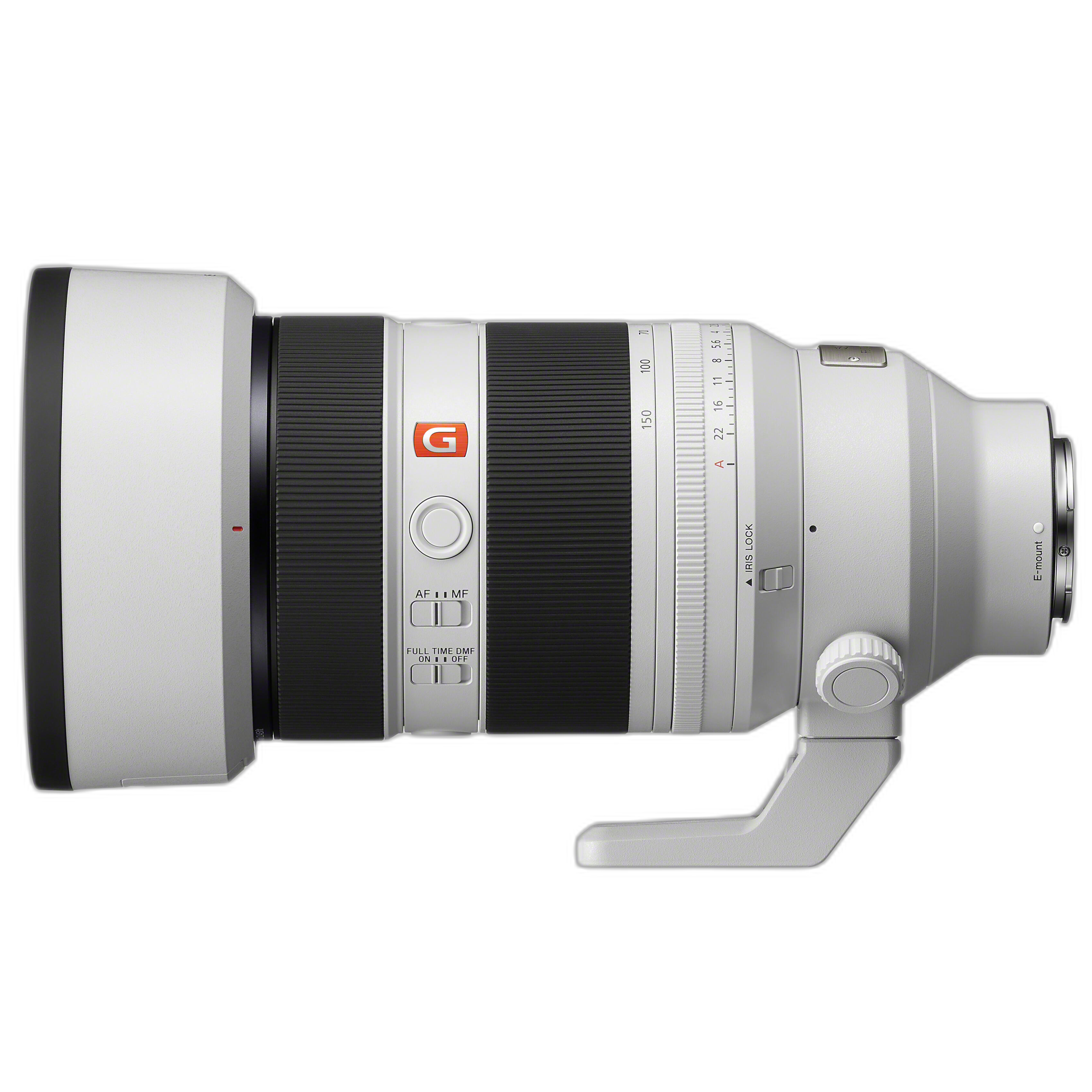
A zoom also reduces lens changes, which matters in dusty venues, outdoor ceremonies, and any environment where downtime can cost you important images.
When does a prime make more sense for events?
A prime makes more sense when low-light performance, subject separation, and a consistent visual style matter more than instant reframing. Many event photographers love primes for editorial-style coverage, portraits, and cinematic detail work because they encourage deliberate composition and often provide a brighter maximum aperture.
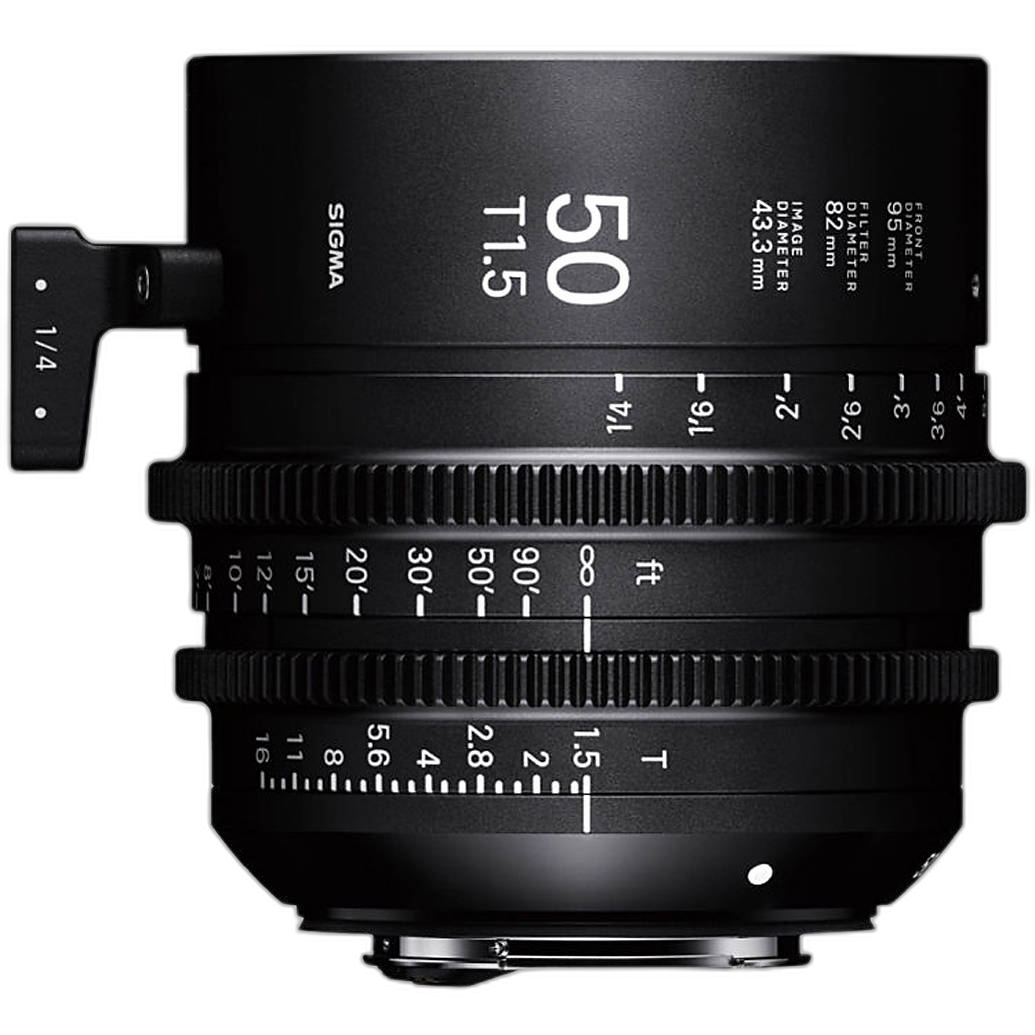
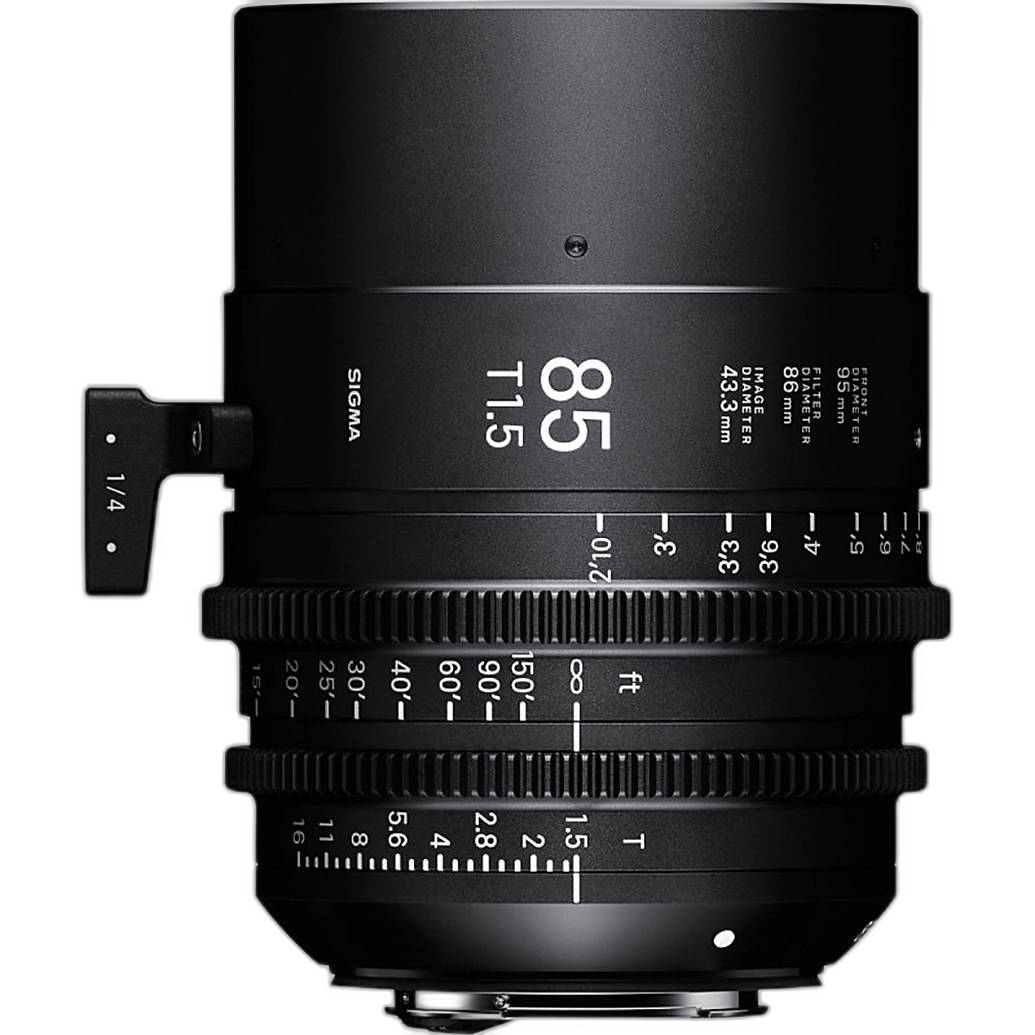
While the products available here include cine-oriented Sony E-mount primes rather than still-photo autofocus primes, they still illustrate the creative advantages of fast single focal lengths. For example, the Sigma 50mm T1.5 Fully Luminous FF High-Speed Prime Lens offers the kind of normal-perspective look many shooters love for portraits, detail shots, and natural scene rendering. Likewise, the Sigma 85mm T1.5 Fully Luminous FF High-Speed Prime Lens reflects the classic flattering short-telephoto perspective ideal for tighter portraiture and elegant subject isolation.
For hybrid teams creating both photo and video coverage, these kinds of fast cine primes can be especially attractive for controlled portrait setups, branded event content, and interview-style coverage around an event production.
What should I prioritize in a comparison tool if I shoot weddings, parties, or corporate events?
Use the tool to compare the factors that will actually affect your hit rate. First, compare focal length ranges or your most-used prime focal length. Second, compare maximum aperture and think honestly about how dark your venues typically are. Third, evaluate size, weight, and close-focus ability if you also shoot details like table settings, products, invitations, or décor.
Then rank your use cases. A wedding photographer may prioritize low-light performance and portrait rendering. A corporate event photographer may care more about telephoto flexibility and fast coverage across a ballroom. A party photographer may prioritize one-lens convenience and fast response in constantly changing spaces.
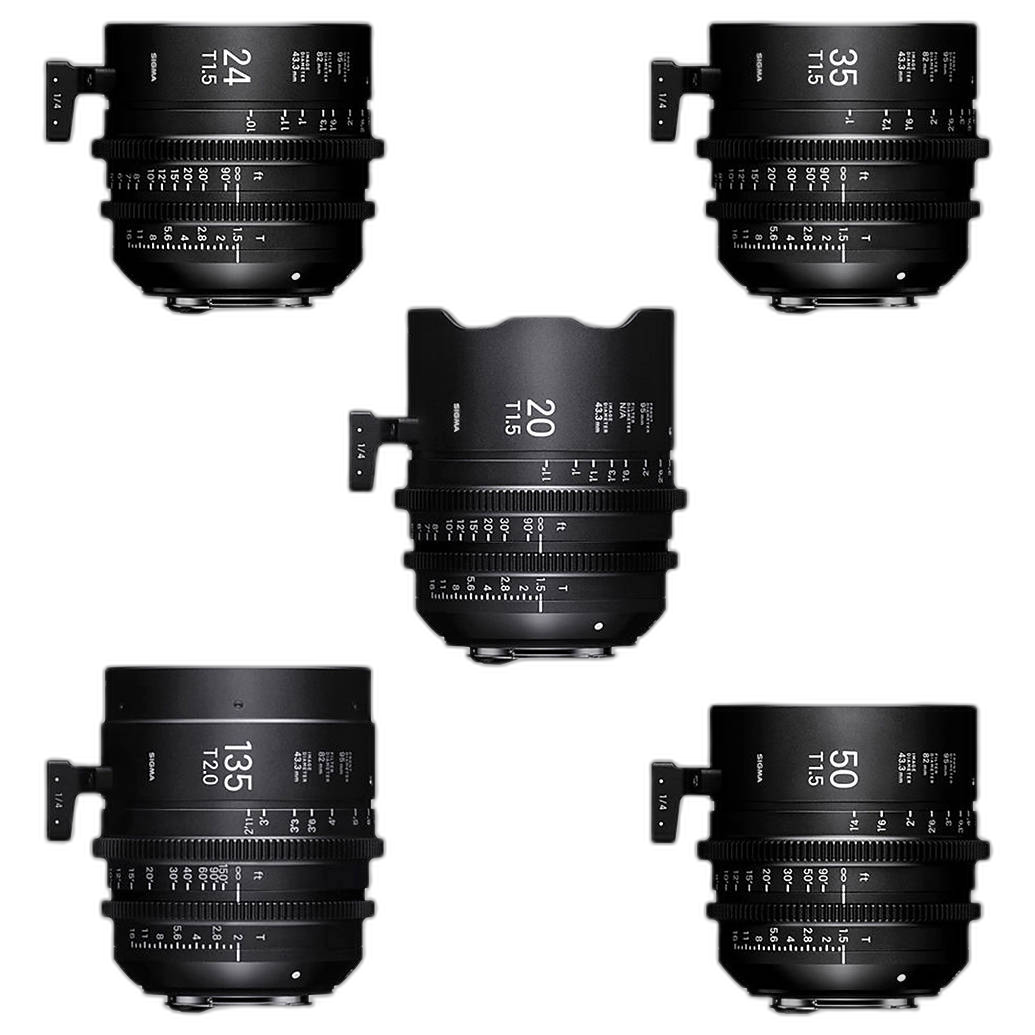
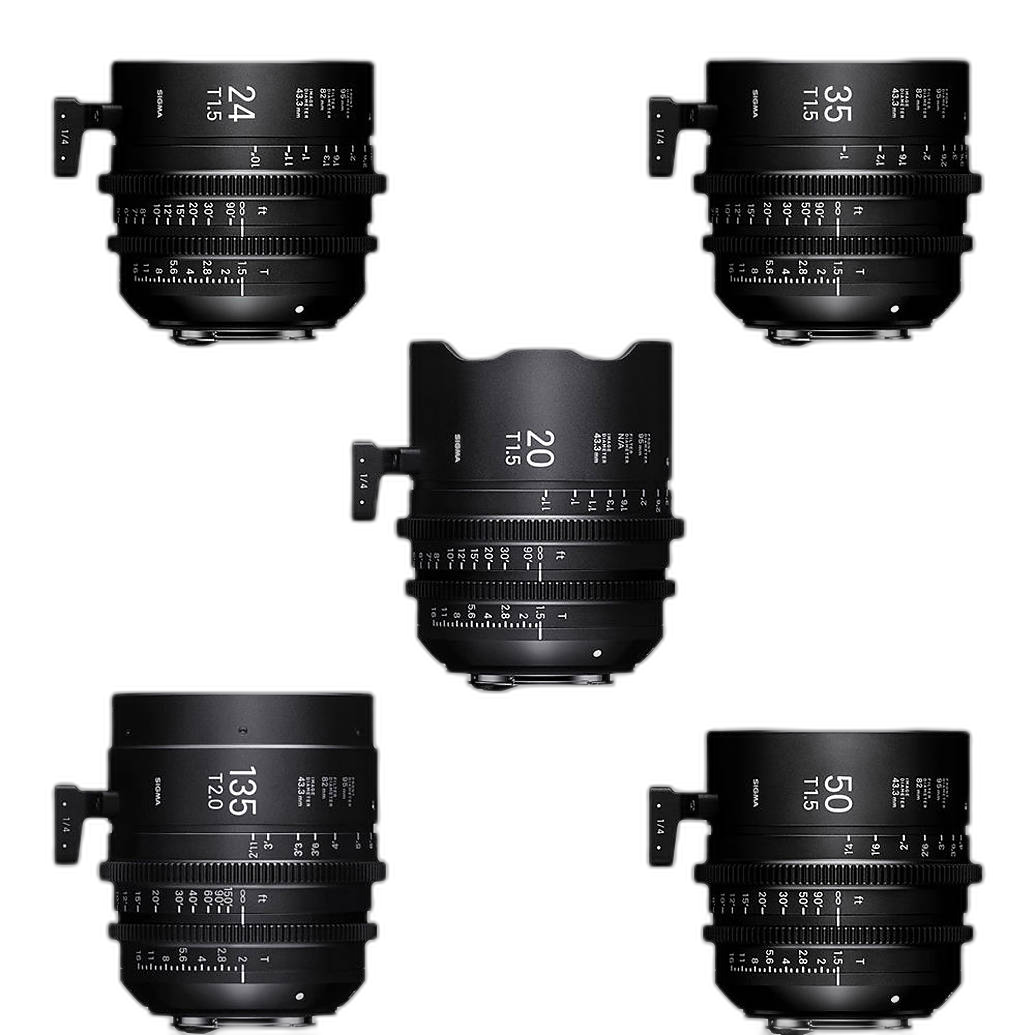
If your workflow includes video segments, interviews, or stylized event films, a broader prime kit may be worth considering. Options like the Sigma T1.5 FF High-Speed 5 Prime Lens Kit with Case or the Sigma T1.5 FF High-Speed 5 Fully Luminous Prime Lens Kit for Sony E systems can support consistent visual rendering across multiple focal lengths.
How can I get more useful results from a lens comparison tool before an event?
Start by comparing only two or three realistic candidates. Too many options make it harder to identify what actually matters. Next, use recent event images from your own archive and check the focal lengths you used most often. That data is often more helpful than general advice because it reflects your actual habits.
We also suggest creating a simple priority list before you compare lenses: low light, versatility, subject isolation, portability, or reach. Once you know your top two needs, the comparison process becomes much clearer. After that, test your likely choice in a real-world scenario such as a family gathering, indoor performance, or low-light walk-through. Even a short field test can reveal whether the lens supports your pace.
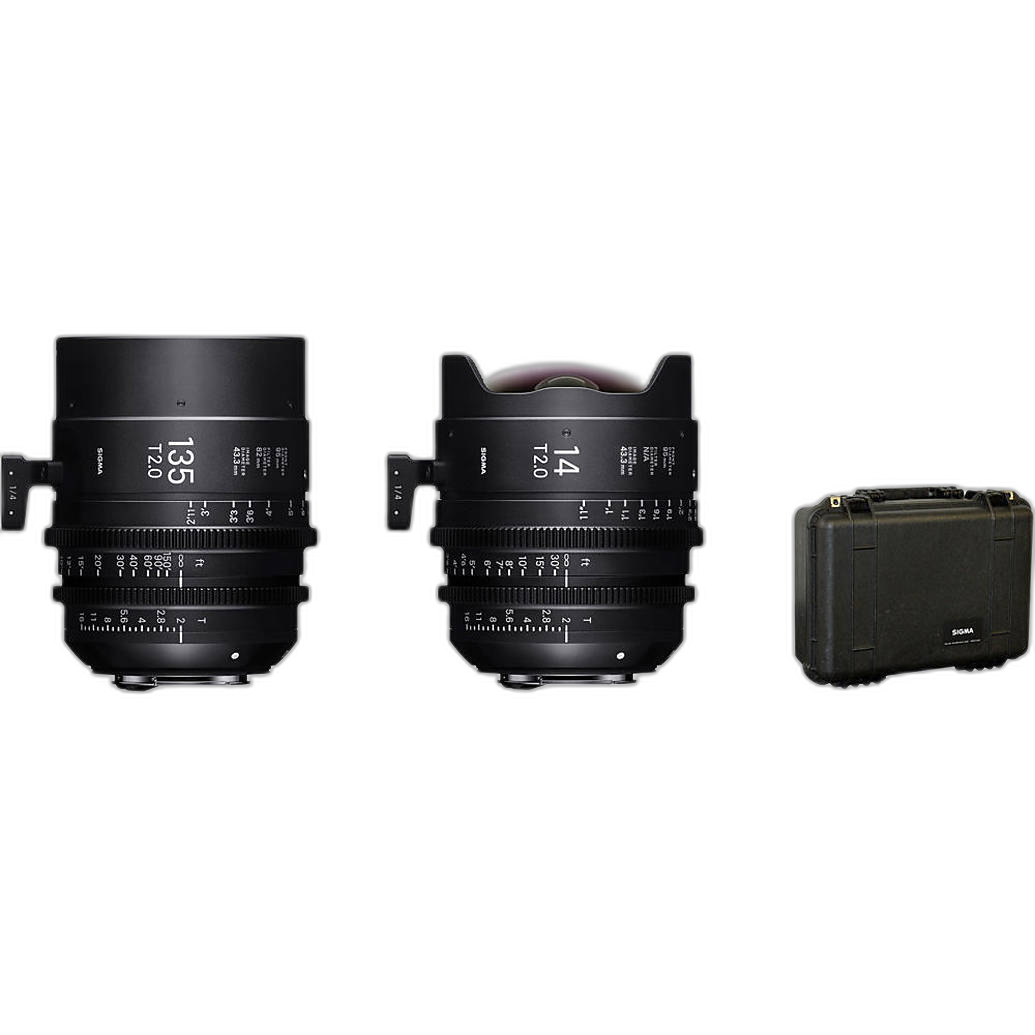
For hybrid shooters building a more cinematic event package, comparing a zoom workflow against a prime set workflow can also be worthwhile. A kit such as the Sigma 14/135mm T2 FF High-Speed Fully Lum. Prime Lens Kit can represent a very different shooting approach centered on planned compositions and controlled perspective choices.
Is it better to build an event kit around one zoom or multiple primes?
For most photographers, one high-quality zoom is the most efficient starting point. It simplifies decision-making, keeps your bag lighter, and covers a wide range of real event scenarios. Once your business or shooting style becomes more defined, adding a prime for specific needs such as portraits or low-light candids often makes more sense than jumping immediately into a full prime kit.
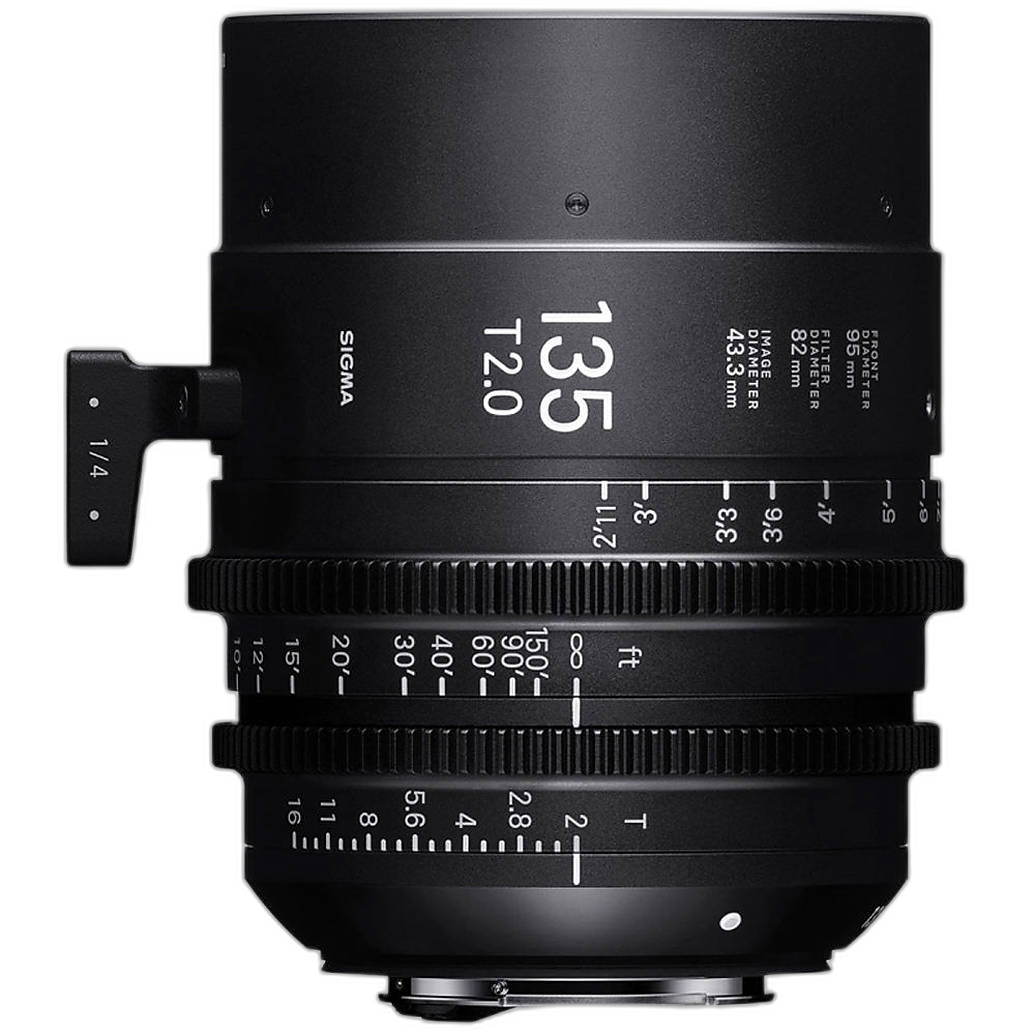
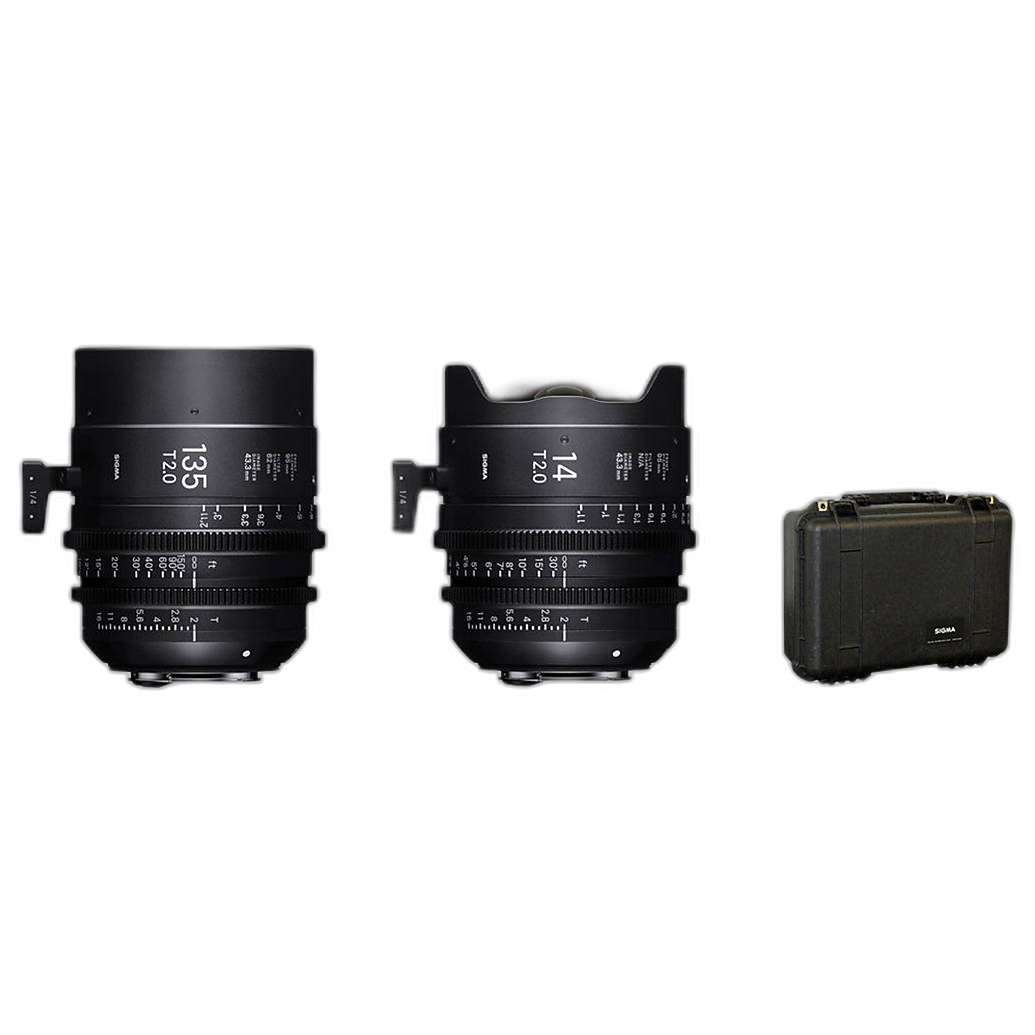
That said, multiple primes can deliver a highly polished look when you have the experience and pace to manage lens changes or multiple camera bodies. A 50mm and 85mm pairing is a classic example for portraits and detail work. For shooters who need dedicated specialty perspectives, longer and wider options can round out the kit. The Sigma 135mm T2 Fully Luminous FF High-Speed Prime Lens and the Sigma 14mm T2 and 135mm T2 FF High-Speed Prime Lens Kit with Case show how far a prime-based system can extend for stylized coverage and selective framing.
What is the most practical lens strategy for fast-paced event photography?
The most practical strategy is usually to match your lens choice to your assignment rather than chase a universal winner. If you need flexibility above all else, a zoom is often the smartest option. If you want maximum low-light performance and a distinctive visual style, a prime can be the better creative tool. Many professionals ultimately use both: a zoom for coverage and a prime for signature moments.
If you are comparing options for Sony event work, think beyond lab-style spec comparisons and focus on how you actually shoot. At Unique Photo, we can help you evaluate the tradeoffs, explore Sony E-mount lens options, and find the right setup for weddings, corporate events, parties, and hybrid productions.
Shop lenses, build your ideal event kit, and get expert guidance from Unique Photo to make your next lens choice with confidence.