Sony Travel Zoom FAQ: Comparing Range, Weight, and Real-World Handling
Choosing a travel zoom for a Sony camera often comes down to more than a chart of sharpness scores. Travel photographers need a lens that balances image quality, focal range, carry weight, and ease of use over long days in cities, airports, and outdoor locations.
Comparison tools can be extremely helpful, but they work best when paired with practical shooting priorities. Below, our Unique Photo team answers the most common questions about evaluating Sony zooms for travel, including how to think about optical gains, portability, and what the numbers do—and do not—tell you in the field.
Does a 24-105mm f/4 usually offer a noticeable upgrade over a basic 28-70mm kit zoom for travel?
In many travel situations, yes. A 24-105mm f/4 class lens typically gives you three meaningful advantages over a starter 28-70mm zoom: wider coverage at the short end, significantly more reach at the long end, and stronger overall consistency in sharpness and correction. That extra width at 24mm matters for interiors, architecture, street scenes, and environmental portraits, while 105mm gives you better framing flexibility for details, food, candid moments, and compressed landscape views.
That said, whether the improvement feels dramatic depends on how you shoot. If you mostly share images online, stay near mid-range focal lengths, and value the lightest possible setup, a kit zoom may still be perfectly serviceable. If you crop often, print larger, or want one lens to handle most of a trip with fewer compromises, the higher-grade standard zoom is usually the more satisfying long-term choice.
How important is the difference between 24mm and 28mm on a travel lens?
It is more important than many shoppers expect. On paper, 4mm may seem minor, but in practice the jump from 28mm to 24mm is very useful when you are shooting in tight spaces. Historic interiors, hotel rooms, museums, marketplaces, and narrow streets often leave you with no room to step back. In those moments, 24mm can make the difference between capturing the whole scene and cutting off key elements.
For travel photographers who prefer one-lens simplicity, starting at 24mm is a major convenience. It reduces lens changes and helps you move quickly through unfamiliar environments. If your photography leans heavily toward landscapes and architecture, this wider starting point can be one of the biggest reasons to upgrade.
Can weight and size data really help me decide what to pack?
Absolutely. Weight and size are not just specification-sheet trivia—they directly affect how long you are willing to carry your camera and whether it actually comes out of the bag. A lens that looks manageable online may feel front-heavy after several hours of walking, especially when paired with a full-frame Sony body. For travel, comfort often translates into more photos and better experiences.
When comparing lenses, think beyond the single lens weight. Consider your complete kit: camera body, extra battery, charger, straps, filters, and personal items. If a larger zoom replaces two smaller lenses, the total packed weight may still make sense. On the other hand, if your style is casual sightseeing, a lighter setup may give you more freedom and less fatigue.
This is also a useful way to think about specialized zooms. Cinema zooms, for example, deliver excellent build quality and repeatable control, but they illustrate how lens size can reshape packing decisions for travel and location work.
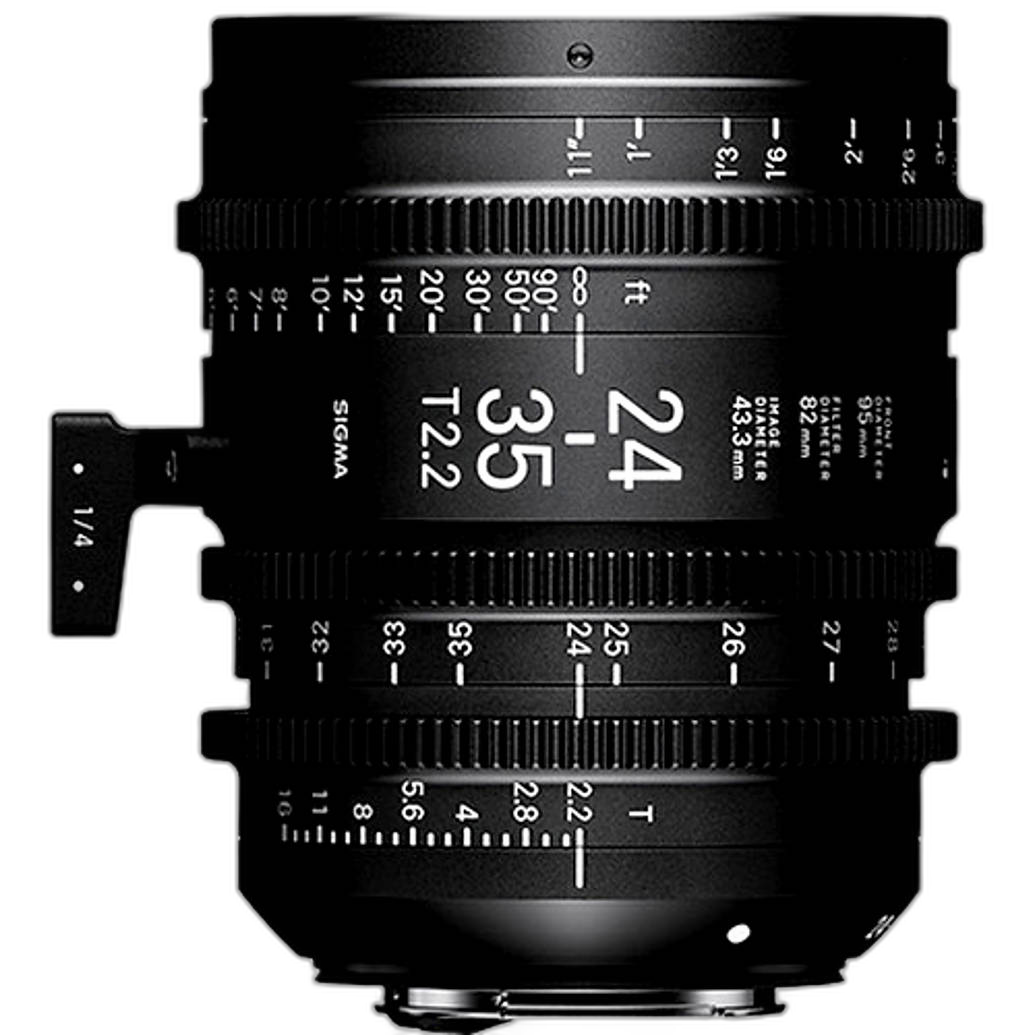
The Sigma 24-35mm T2.2 FF Zoom Lens (Sony E) is a great example of a premium zoom built for image control and professional use. For filmmakers traveling with Sony E-mount systems, this style of lens can be appealing when consistent performance matters more than minimal carry weight.
Do comparison tools tell the whole story about real-life image quality?
No. They are best used as a starting point, not a final verdict. A lens comparison tool can help reveal trends in sharpness, coverage, distortion, and other optical behavior, but real-world photography adds variables that charts cannot fully represent. Autofocus confidence, flare resistance, color rendering, balance on the camera, zoom ring feel, weather conditions, and your own editing workflow all affect the final result.
For travel specifically, reliability matters just as much as optical performance. A technically stronger lens is not always the better travel companion if it is large enough to discourage carrying it or if it slows you down during fast-moving moments. The best choice is often the lens you will happily keep mounted all day.
How closely does real-world distortion match what lens testing tools show?
Testing tools are useful for identifying whether a lens tends toward barrel distortion at the wide end or pincushion distortion farther out, but in practice the impact depends on your subject and your camera settings. Architecture, horizons, tiled floors, and interior lines reveal distortion very quickly. Street scenes, portraits, food, and organic landscapes are generally more forgiving.
Another important factor is correction. Many modern Sony workflows apply lens compensation in-camera or during raw processing, which can make distortion far less noticeable in finished images than it appears in a neutral optical test. The tradeoff is that corrected files can slightly alter edges or crop the frame. For travel photographers, the practical question is not whether distortion exists, but whether it meaningfully affects the subjects they shoot most often.
What matters more for travel: maximum zoom range or better handling?
Usually, handling wins over time. A broad zoom range is appealing because it reduces lens swaps and covers more situations, but a lens that feels awkward or tiring can still become a burden. The ideal travel lens gives you enough range for your subjects without making the camera unpleasant to carry or operate.
Ask yourself how you actually shoot on trips. If you spend most of the day walking and react quickly to scenes, a balanced lens with smooth zooming and comfortable dimensions may be the smarter choice. If you photograph details, distant subjects, and mixed scenes from one position, more reach can be worth the added size. Your travel style should drive the decision—not the spec sheet alone.
Are cine zooms ever a good option for Sony travel shooters?
They can be, especially for hybrid creators and filmmakers who want precise manual control, repeatable focus marks, and a more production-oriented shooting experience. Cine zooms are not the default recommendation for most still-photography travel kits, but they are highly relevant for Sony E-mount users producing documentary, travel film, interviews, or branded content on the road.
For example, the Sigma 18-35mm T2 High-Speed Zoom Lens (Sony E) offers a versatile wide-to-normal range favored by many video shooters, while the Sigma 50-100mm T2 High-Speed Zoom Lens (Sony E) extends that coverage into portrait and detail territory.
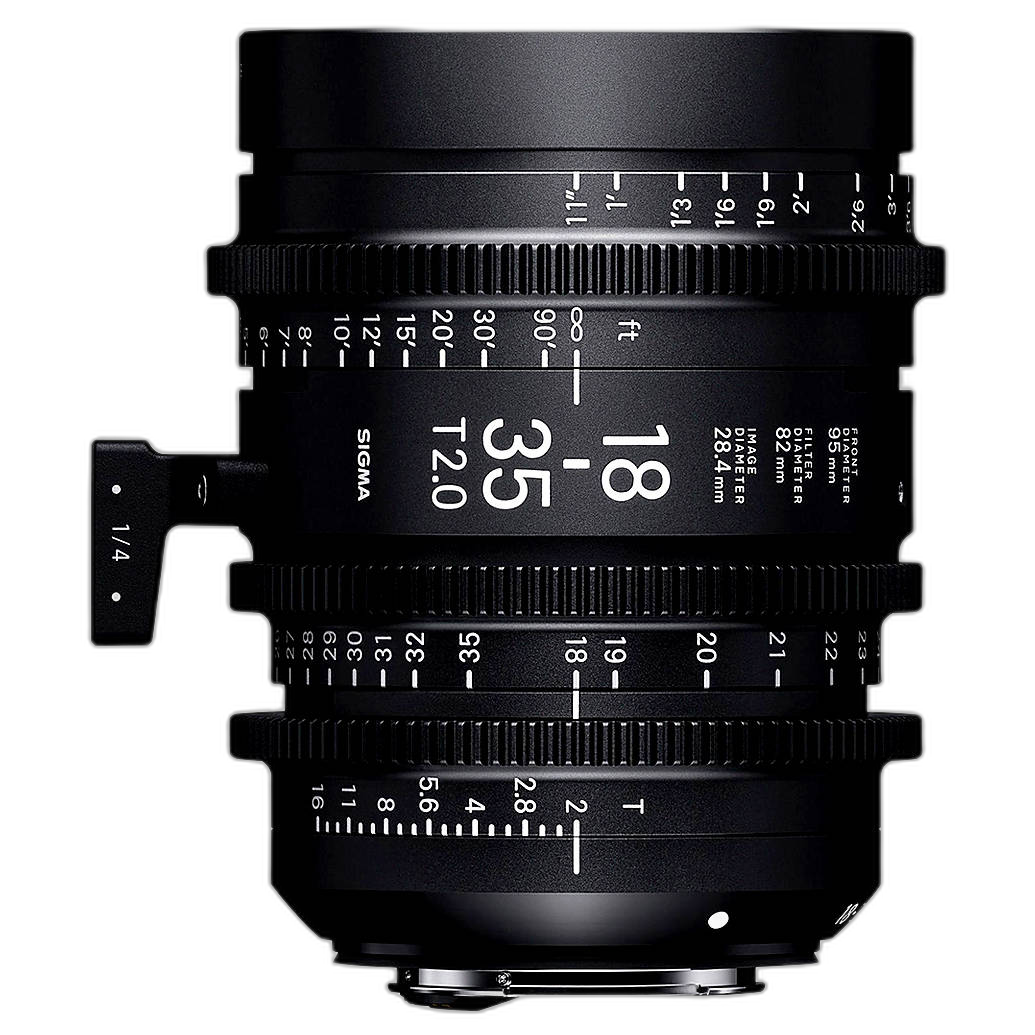
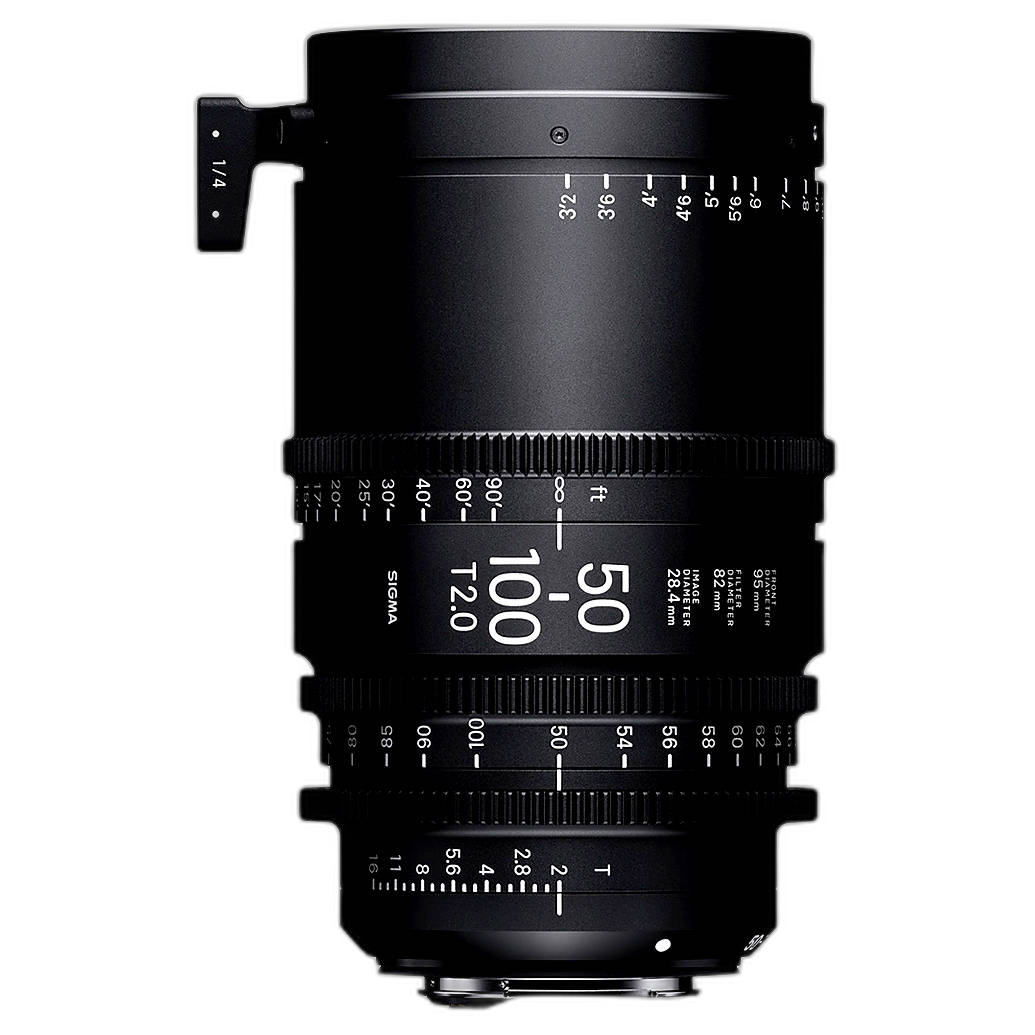
If your goal is cinematic travel footage rather than the lightest vacation setup, these lenses can make sense. They are especially compelling for shooters who prioritize consistent aperture behavior, controlled focus pulls, and a more professional rigging workflow.
How should I judge a lens if I care about both stills and travel video?
Look for balance across three areas: focal range, portability, and operational smoothness. For stills, you may prioritize autofocus speed, corner sharpness, and versatility. For video, you may care more about controlled manual focus, stable framing, predictable distortion, and how the lens behaves while zooming or focusing during a shot.
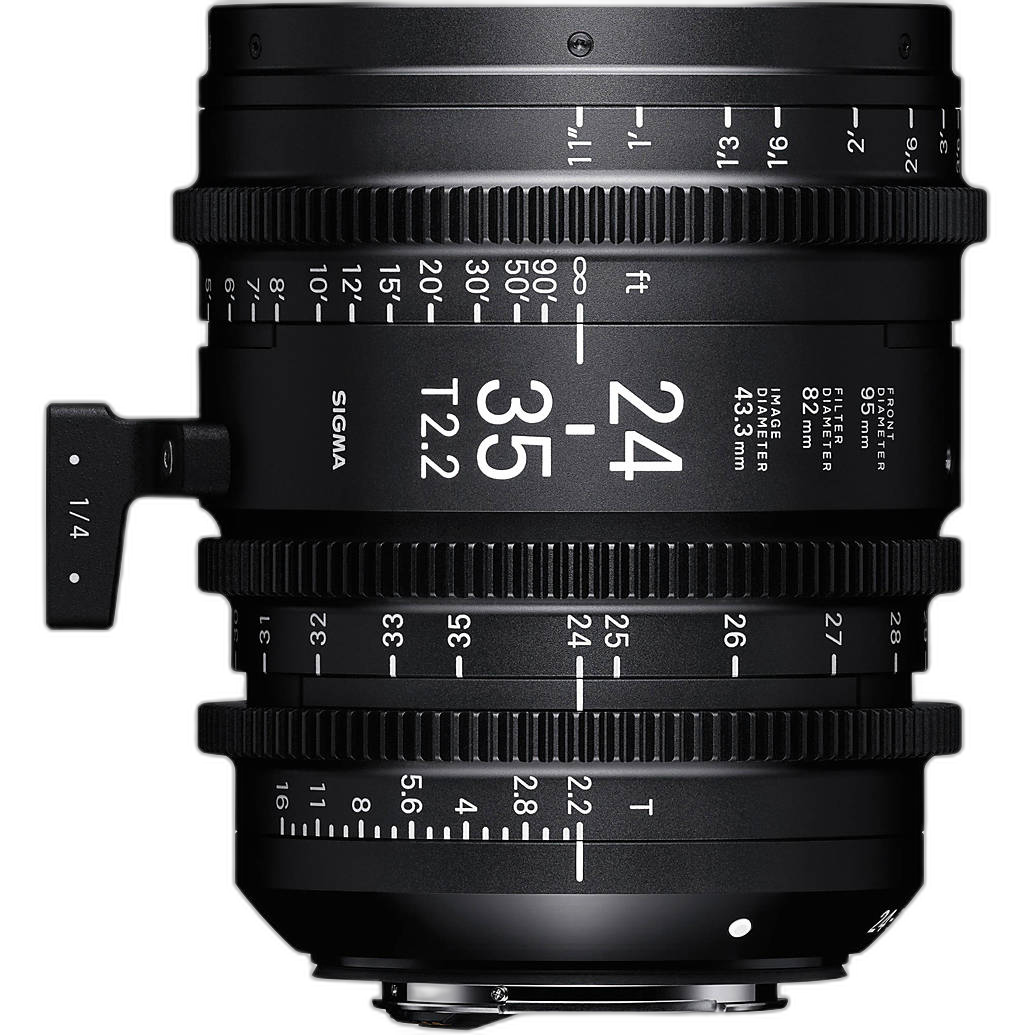
If video is a serious part of your travel workflow, a dedicated cine zoom may deserve consideration. The Sigma 24-35mm T2.2 Fully Luminous FF Zoom Lens (Sony E) is one example of a premium option for creators building a more advanced Sony E-mount production kit.
For many travelers, though, the right answer is still a practical photo zoom supplemented by a lightweight accessory kit. The key is defining whether your trip is primarily about sightseeing, still photography, filmmaking, or a true hybrid mix.
What is the best way to use comparison data before buying a travel zoom?
Start with your shooting needs, then use comparison data to confirm or refine your shortlist. First, decide what focal lengths you use most often and how much weight you are willing to carry all day. Then compare optical behavior at those focal lengths rather than treating every spec equally. A lens may test slightly better in areas that do not matter much to your actual travel subjects.
We also recommend evaluating practical details that tools may not fully communicate: grip comfort, zoom resistance, bag fit, filter size, and whether the lens balances well on your specific Sony body. If you create travel films in addition to stills, looking at professional E-mount options such as Sigma's cine zoom lineup can also help you understand the tradeoffs between portability and production features.
At Unique Photo, we help photographers and filmmakers sort through those tradeoffs every day. Whether you are building a lighter travel kit or stepping up to a more advanced Sony E-mount zoom solution, our team can help you compare the options and choose gear that fits the way you actually shoot.