Best Sony Prime Lenses for Portraits: FAQ for Comparing 50mm, 85mm, and 135mm
Choosing a portrait prime for Sony E-mount is about more than just focal length. Photographers often compare background blur, subject compression, flare control, and overall rendering, and lens comparison tools can be a useful starting point when narrowing down the right look.
At Unique Photo, we recommend using comparison tools to guide your research, then pairing that information with real-world shooting priorities like working distance, framing style, and whether you are shooting stills, video, or both. Below, we answer the most common questions about selecting portrait-focused Sony prime lenses.
Which focal length gives the best background separation for portraits?
In practical portrait shooting, longer focal lengths combined with fast maximum apertures typically create the strongest sense of background separation. That is why 85mm and 135mm lenses are perennial favorites for headshots and tighter portraits. They allow you to frame your subject comfortably while producing flattering compression and a more isolated subject against the background.
For creators working on Sony E-mount and especially those blending portrait photography with cinematic production, a lens like the Sigma 85mm T1.5 Fully Luminous FF High-Speed Prime Lens offers the classic portrait perspective many shooters want. If you want even more compression and an especially dramatic shallow-depth-of-field look for tighter compositions, the Sigma 135mm T2 Fully Luminous FF High-Speed Prime Lens is a strong choice.
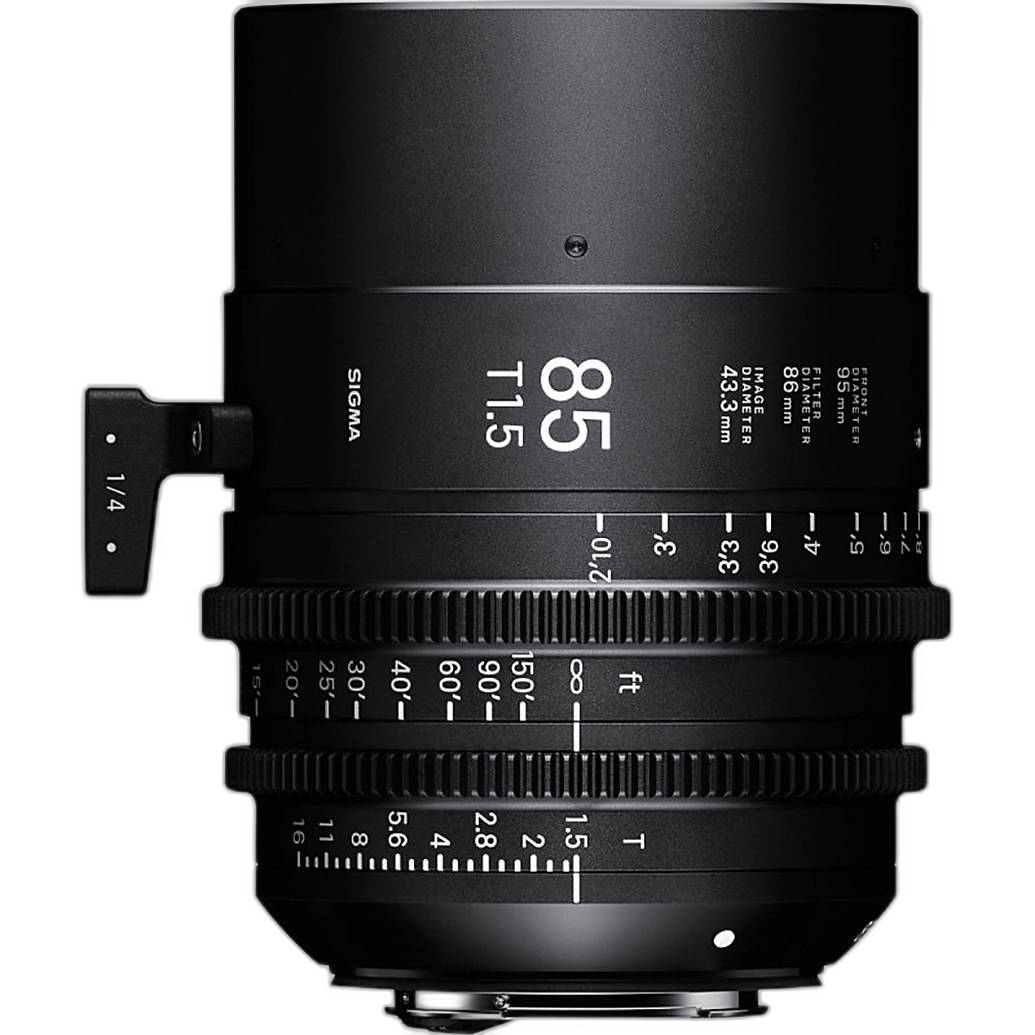
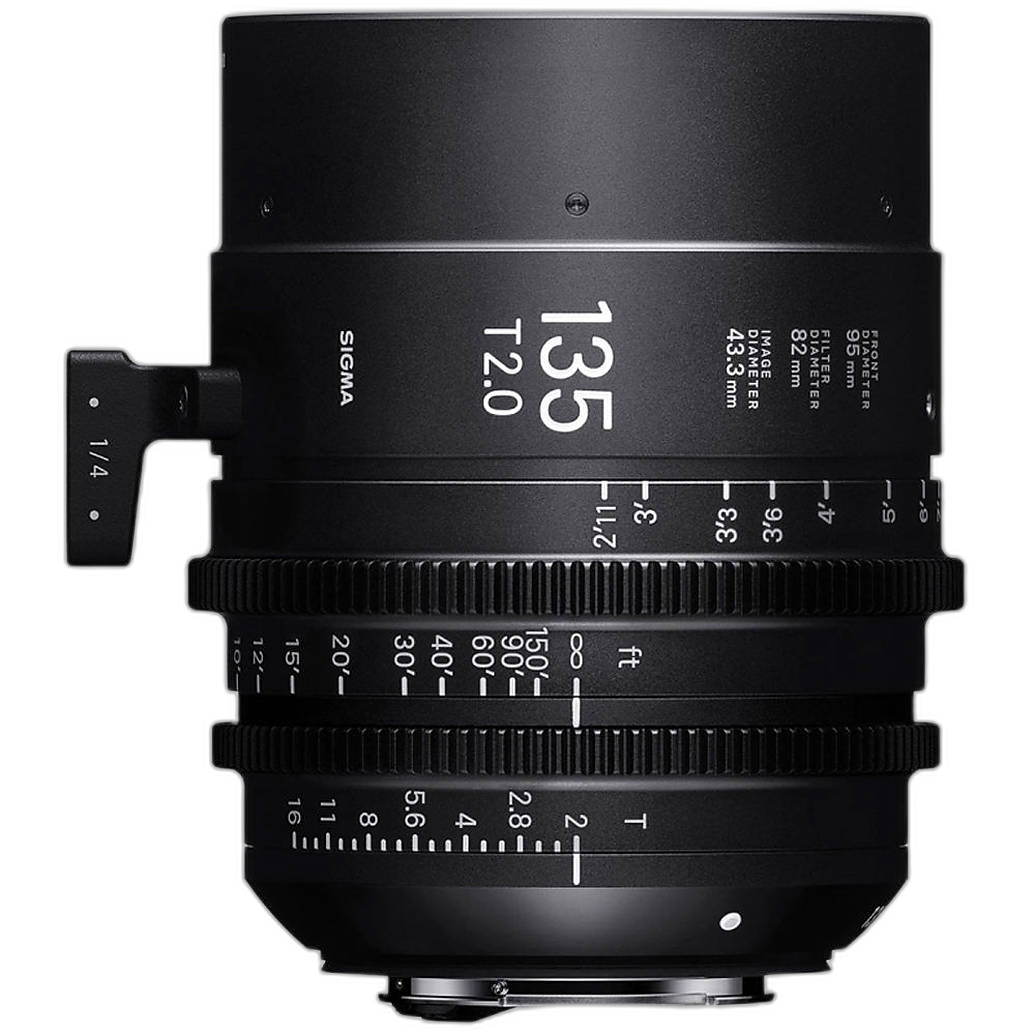
That said, the “best” separation also depends on how much room you have to shoot. In small studios or indoor locations, a 50mm lens may be easier to work with while still delivering attractive subject isolation.
How does 85mm compare with 50mm for portrait work?
An 85mm lens is often the more specialized portrait option, especially for headshots, upper-body portraits, and elegant compression. It typically gives facial features a very natural, flattering look and helps simplify busy backgrounds. A 50mm lens is more versatile. It can handle portraits, environmental work, couples, and general-purpose shooting with a more immersive field of view.
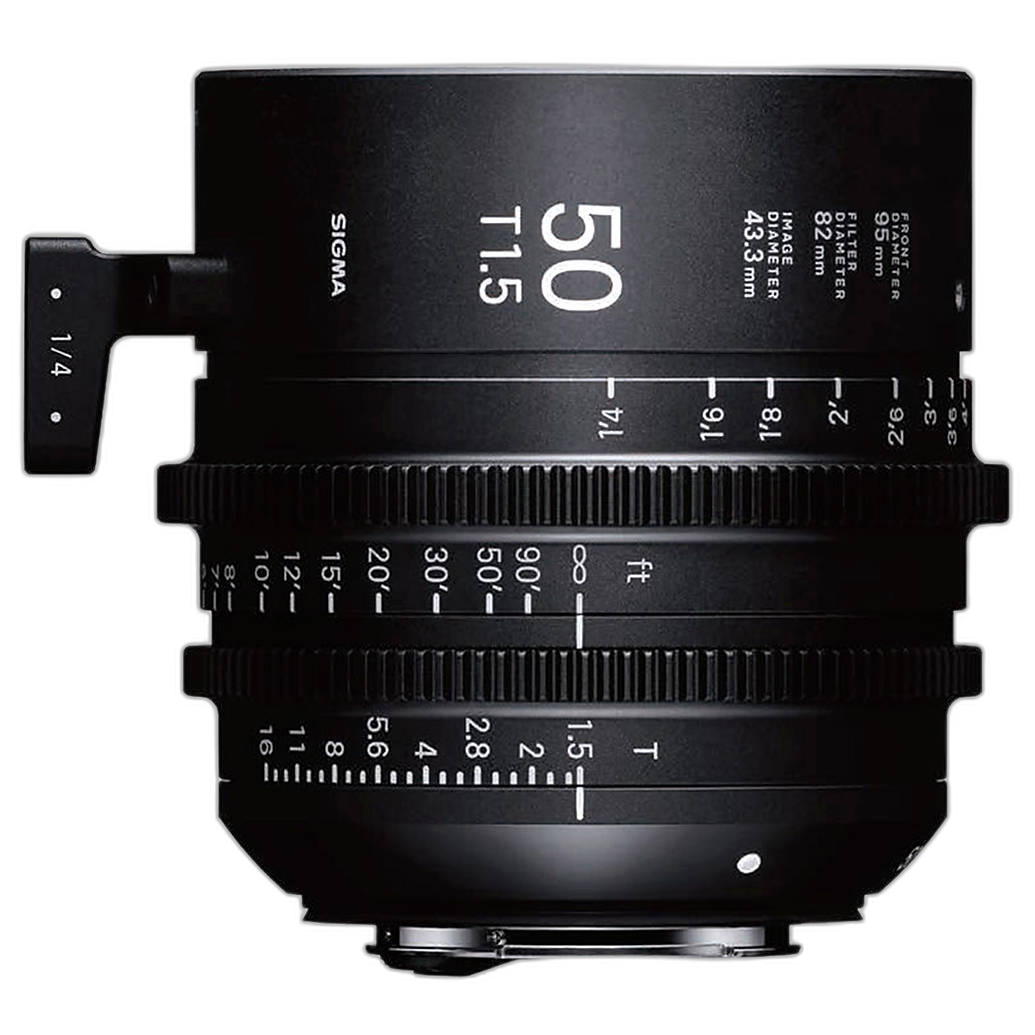
If your portrait style leans toward tighter framing and creamy backgrounds, 85mm generally feels more purpose-built. If you want one lens that can move between portraits and broader storytelling compositions, 50mm is often the more flexible choice. For Sony E users interested in cine-style rendering and controlled manual operation, the Sigma 50mm T1.5 Fully Luminous FF High-Speed Prime Lens is a compelling option.
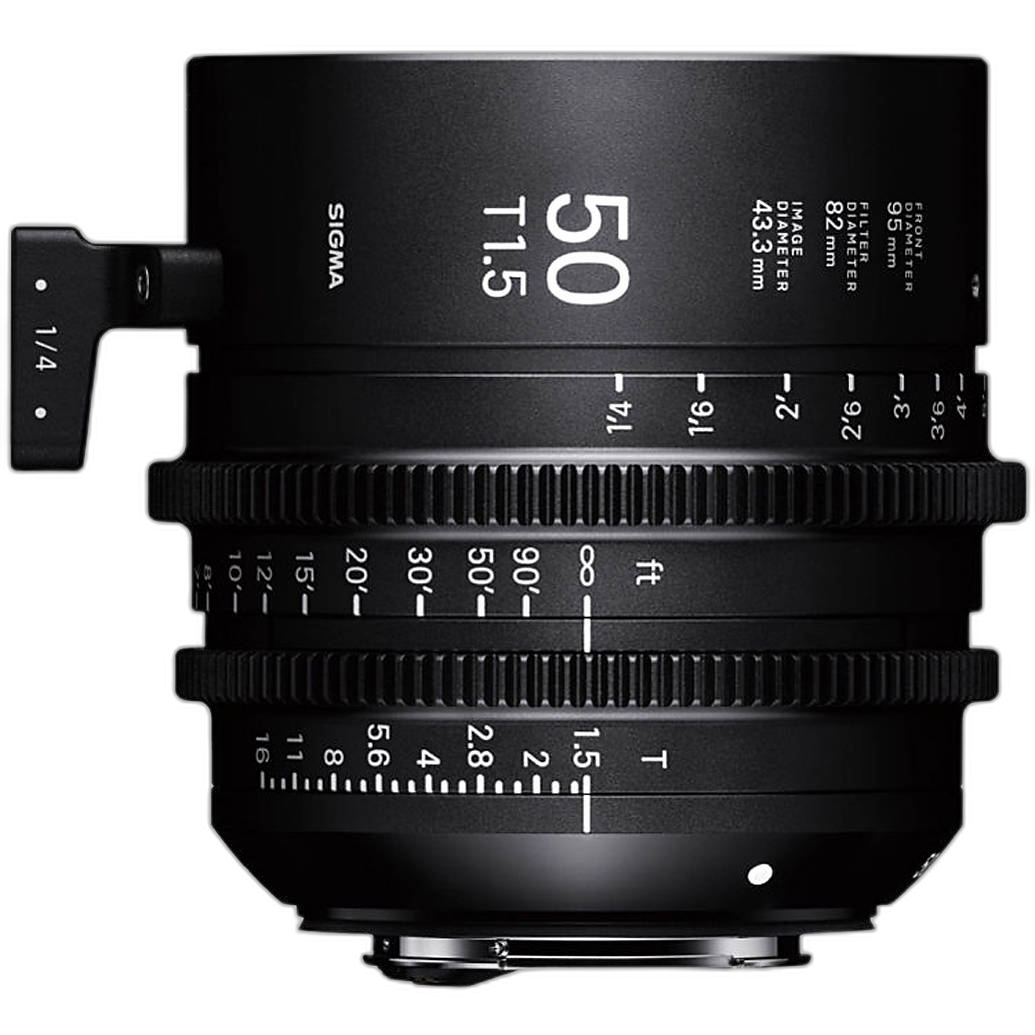
In short, 50mm is the all-rounder, while 85mm is the portrait classic.
Can a lens comparison tool really show background blur differences accurately?
Comparison tools are helpful for visualizing framing, aperture differences, and how focal length affects perceived background blur. They are especially useful when deciding between common portrait lengths like 50mm, 85mm, and 135mm. However, no tool can fully replace hands-on testing because background separation is influenced by several variables beyond the lens itself.
Distance from subject to camera, distance from subject to background, sensor size, and final composition all affect the result. A 50mm lens shot close at a wide aperture can produce strong blur, but an 85mm or 135mm lens may create a more compressed, more dramatic look even if the technical depth of field does not tell the whole story on its own.
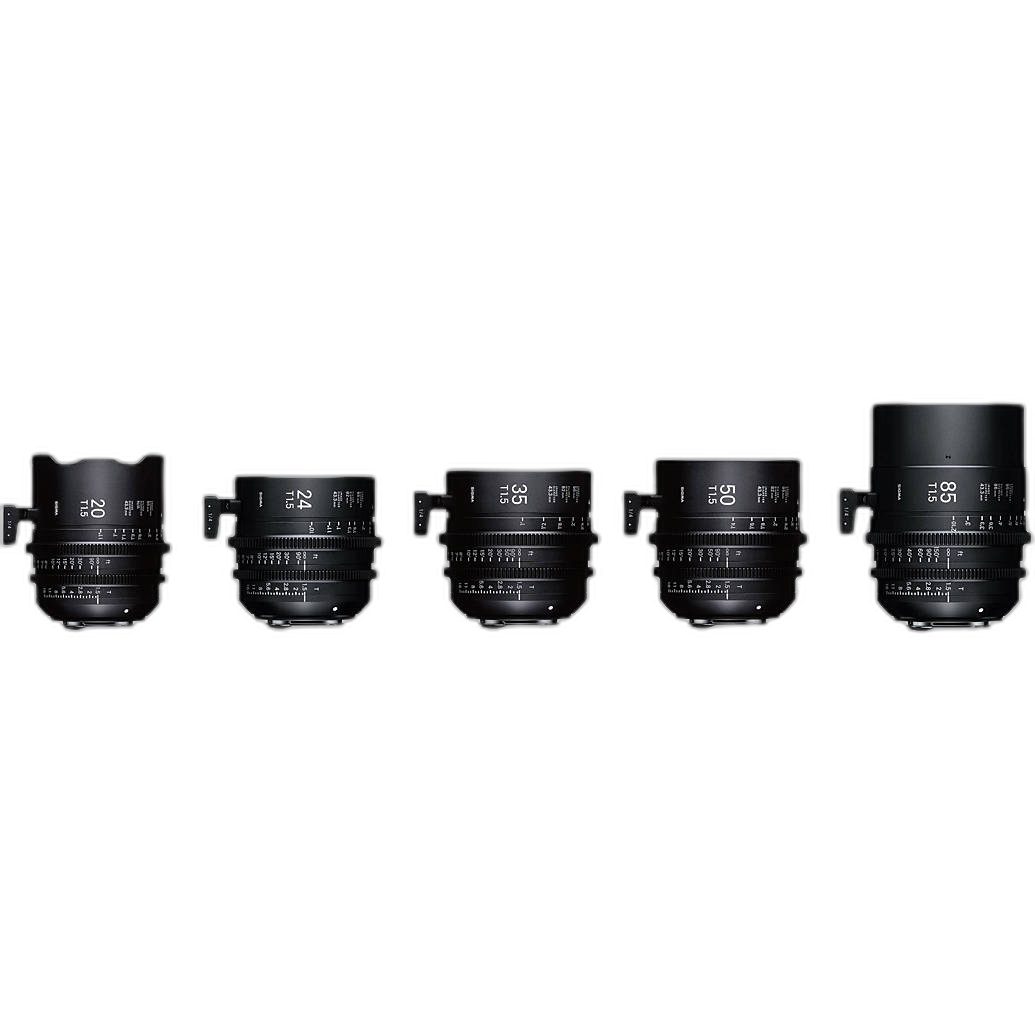
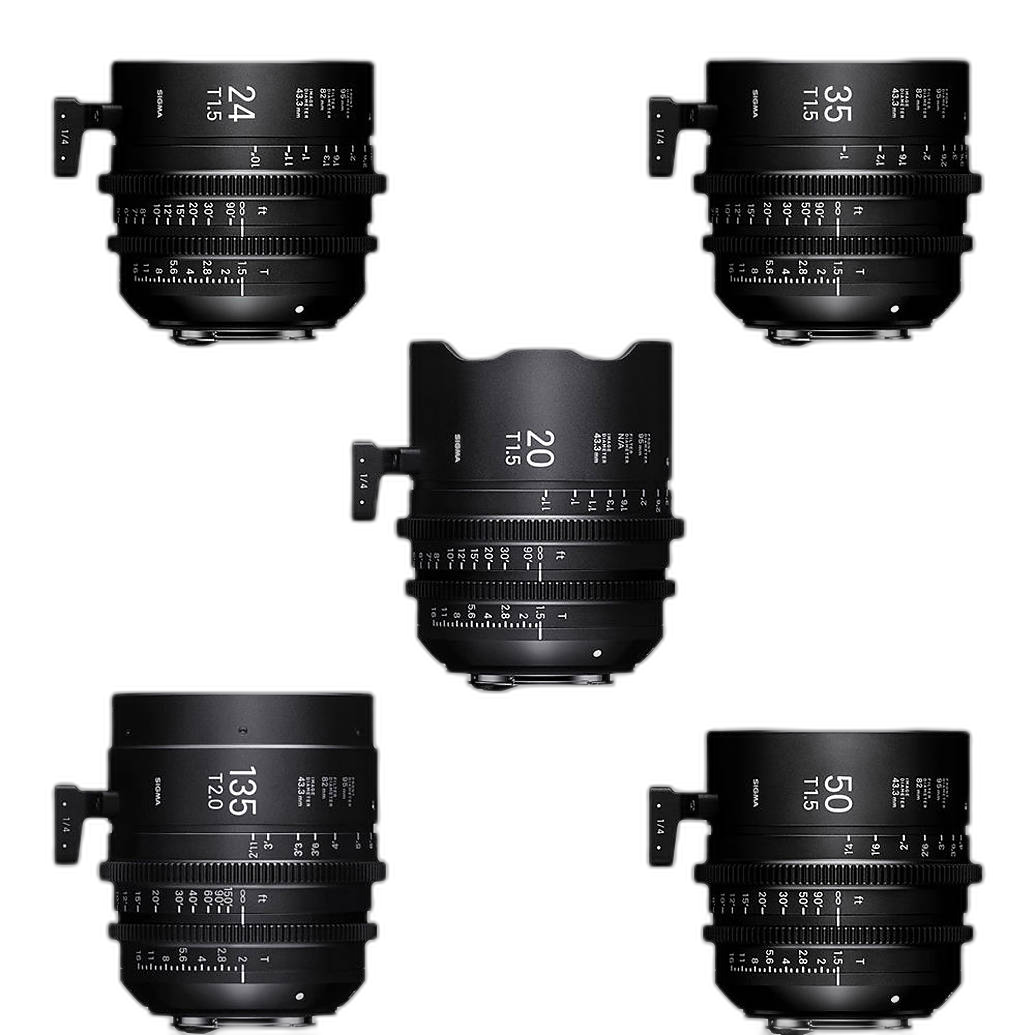
That is why we suggest using a comparison tool as a planning resource, then evaluating how you actually shoot. If your portraits are often in controlled sets or video productions, a matched set like the Sigma T1.5 FF High-Speed 5 Fully Luminous Prime Lens Kit with Case or the Sigma T1.5 FF High-Speed 5 Fully Luminous Prime Lens Kit (Sony E, Metric) can provide consistency across focal lengths.
What matters more for portraits: aperture or focal length?
Both matter, but they influence the image in different ways. Aperture affects how much light enters the lens and how shallow the depth of field can be. Focal length changes perspective, compression, and how you relate spatially to the subject. For portraits, focal length often has the bigger impact on the overall look, while aperture fine-tunes the intensity of blur and the way highlights render.
For example, a fast 50mm can blur a background beautifully, but an 85mm or 135mm will usually deliver a more traditionally flattering portrait perspective. If your priority is dramatic separation with tighter framing, longer focal lengths usually win. If your priority is flexibility across portrait and editorial scenes, 50mm may be the better investment.
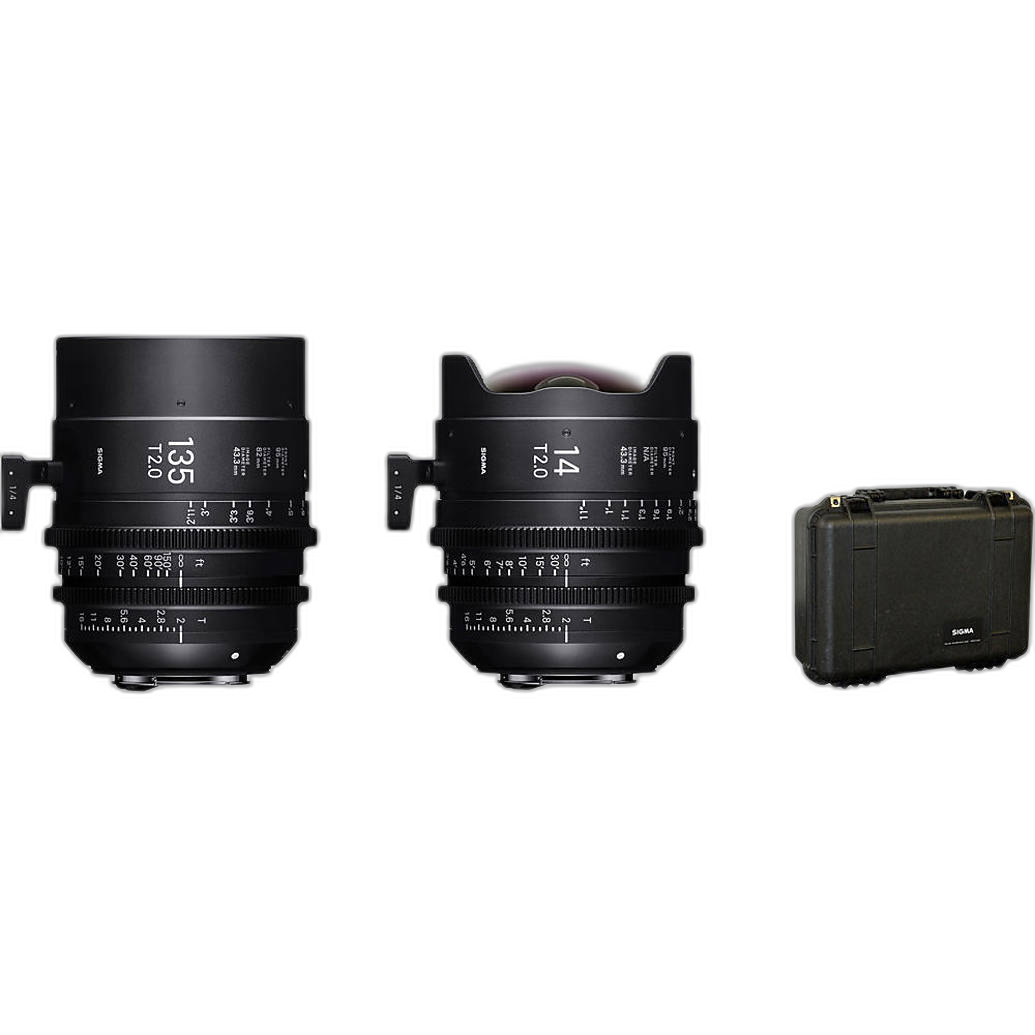
Shooters building a broader toolkit may also consider a matched set such as the Sigma 14/135mm T2 FF High-Speed Fully Lum. Prime Lens Kit, which covers a wide range of creative looks for Sony E productions.
Can comparison tools reveal differences in color rendering for portrait lenses?
They can suggest differences, but color rendering is one of the hardest qualities to evaluate perfectly in a digital comparison environment. Lighting conditions, white balance, camera profiles, and post-processing all influence how color appears. That said, comparison tools can still help you spot tendencies such as warmer or cooler rendering, contrast differences, and how skin tones may appear under consistent test conditions.
For portrait work, these subtle rendering characteristics matter because skin tone reproduction is a major part of the final image. Cinematic primes are often chosen not just for sharpness but for consistency, tonal smoothness, and how they transition from in-focus detail to defocus areas. A lens family designed for a matched rendering style can be especially useful if you are working across multiple focal lengths in portrait films, interviews, or hybrid sessions.
That is one reason many creators appreciate staying within a consistent line such as Sigma’s Fully Luminous primes for Sony E. Maintaining a similar rendering signature across 35mm, 50mm, 85mm, and 135mm can simplify both production and grading.
How important is flare performance when choosing a portrait prime?
Flare performance can be very important, especially if you shoot backlit portraits, golden-hour sessions, practical lights indoors, or cinematic interviews with visible light sources in frame. Some photographers want a cleaner, higher-contrast image with controlled flare, while others intentionally use flare as part of the mood.
A comparison tool may help you identify broad differences in contrast retention and highlight behavior, but flare is highly situational. The angle of the light, the intensity of the source, and the exact framing can all change the result. For that reason, flare performance should be considered in the context of your style. If you frequently place your subject near windows, sunset light, or practical fixtures, lens coatings and optical design become more relevant.
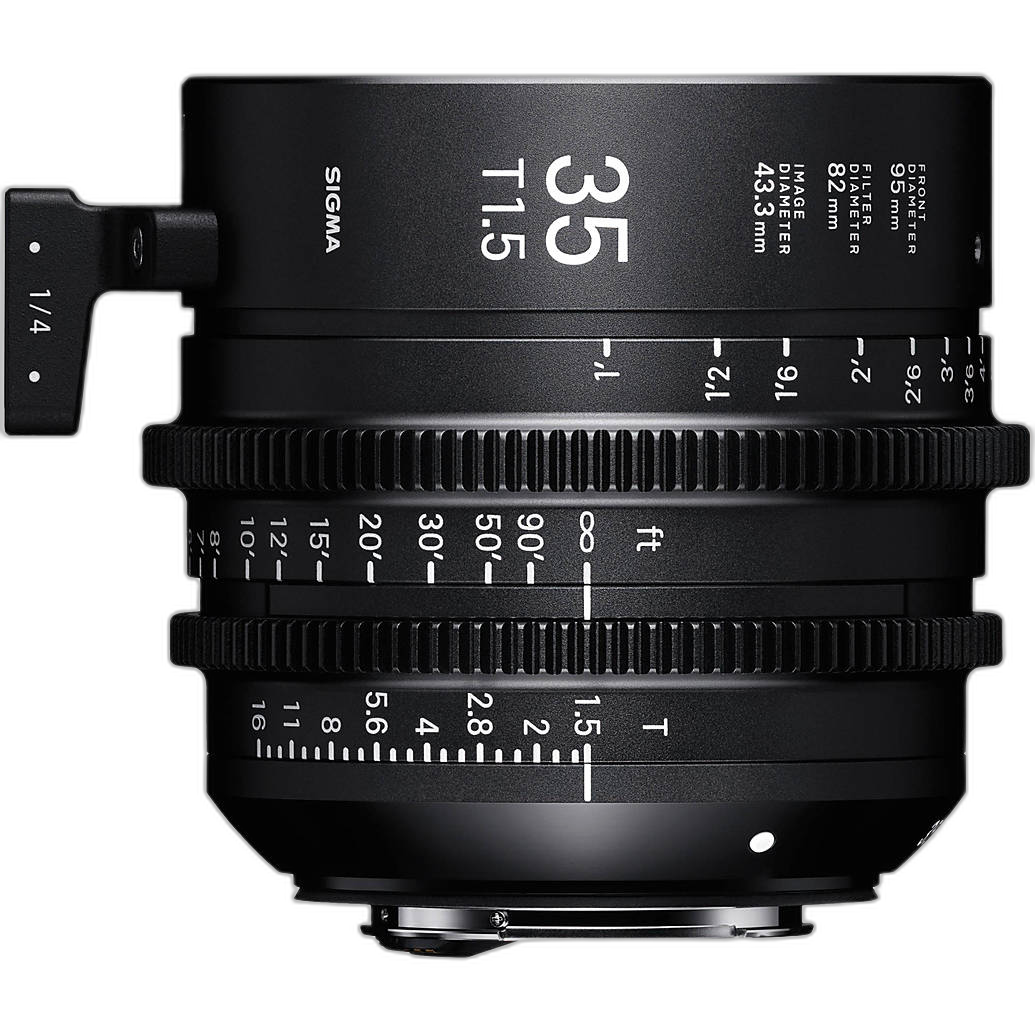
For portrait shooters who also film, cine primes like the Sigma 35mm T1.5 Fully Luminous FF High-Speed Prime Lens and Sigma 50mm T1.5 Fully Luminous FF High-Speed Prime Lens can be especially useful when a controlled, repeatable rendering approach matters from shot to shot.
Is 50mm, 85mm, or 135mm better for different types of portraits?
Each focal length shines in a different role. A 50mm lens is excellent for environmental portraits, couples, half-body framing, and situations where you want to show more of the setting. An 85mm lens is ideal for classic portraiture, including headshots and upper-body compositions with flattering compression. A 135mm lens is often best for tightly framed portraits, fashion details, and situations where you want a strikingly compressed background.
If you mainly shoot in smaller rooms, 50mm may be easier to use. If you shoot outdoors or in a studio with more space, 85mm and 135mm can create a more premium portrait look. Many professionals ultimately carry more than one focal length because each serves a different visual purpose.
That is where a multi-lens solution can make sense. A matched prime set lets you switch perspective while maintaining a cohesive visual character, which is especially valuable for hybrid creators producing both still portraits and video content.
Should portrait shooters consider cine primes for Sony E-mount?
Yes, especially if your work includes video, interviews, fashion films, or carefully directed portrait sessions. Cine primes differ from still-photo lenses in several ways, including geared focus rings, long focus throws, and consistent physical dimensions across a lens set. Those features can make manual focusing and lens changes much easier on set.
For pure still photography, many shooters may prefer autofocus-oriented options. But for controlled portrait environments where manual focus, repeatability, and consistent rendering are priorities, cine primes are absolutely worth considering. Products like the Sigma 85mm T1.5 Fully Luminous FF High-Speed Prime Lens and Sigma 50mm T1.5 Fully Luminous FF High-Speed Prime Lens give Sony E users portrait-friendly focal lengths in a cinema-focused design.
If you are building out a more complete production kit, a matched Sigma lens set can be an efficient way to establish consistency across your portrait and video workflow.
What is the best way to choose the right Sony portrait prime for my needs?
Start by defining your most common portrait style. If you love environmental portraits and versatile everyday framing, begin with 50mm. If you want the classic portrait look with flattering compression, 85mm is often the safest choice. If you want maximum subject isolation and dramatic compression for tighter framing, consider 135mm.
Then think about how you shoot. Small spaces favor shorter focal lengths. Outdoor portrait sessions often reward 85mm and 135mm. If you also shoot video, cine-specific features may be a major advantage. Finally, use a comparison tool to evaluate framing and blur behavior, but make your final choice based on your real shooting distance, lighting style, and delivery needs.
At Unique Photo, we can help you compare Sony E-mount portrait lens options and choose the right focal length for your creative goals. Whether you need a single portrait prime or a complete matched set for hybrid production, explore our selection and find the lens that fits your workflow.