Sony Lens Compare Beta vs. Real-World Landscape Results
Landscape photographers often love comparison tools because they promise quick answers on sharpness, distortion, and corner performance before a lens ever reaches the trail. In discussions around the Sony Lens Compare Beta tool, one of the most common debates is whether the charts and simulated comparisons truly line up with what photographers see at sunrise, at f/11, on a windy overlook, or while stitching panoramas in the field. To make that conversation practical, this comparison focuses on two popular Sony full-frame landscape options: the Sony FE 12-24mm f/2.8 GM and the Sony FE 24-105mm f/4 G OSS.
The Sony Lens Compare Beta tool can be very useful for identifying broad trends, especially when evaluating center versus edge behavior, focal length differences, and optical compromises. But landscape shooters frequently point out that field use adds variables the tool cannot fully represent: flare with the sun in frame, weather, handling on a tripod, filter workflow, stabilization needs, and how a lens actually renders a scene. That is why this head-to-head looks at both what the tool suggests and what photographers tend to report after real use.
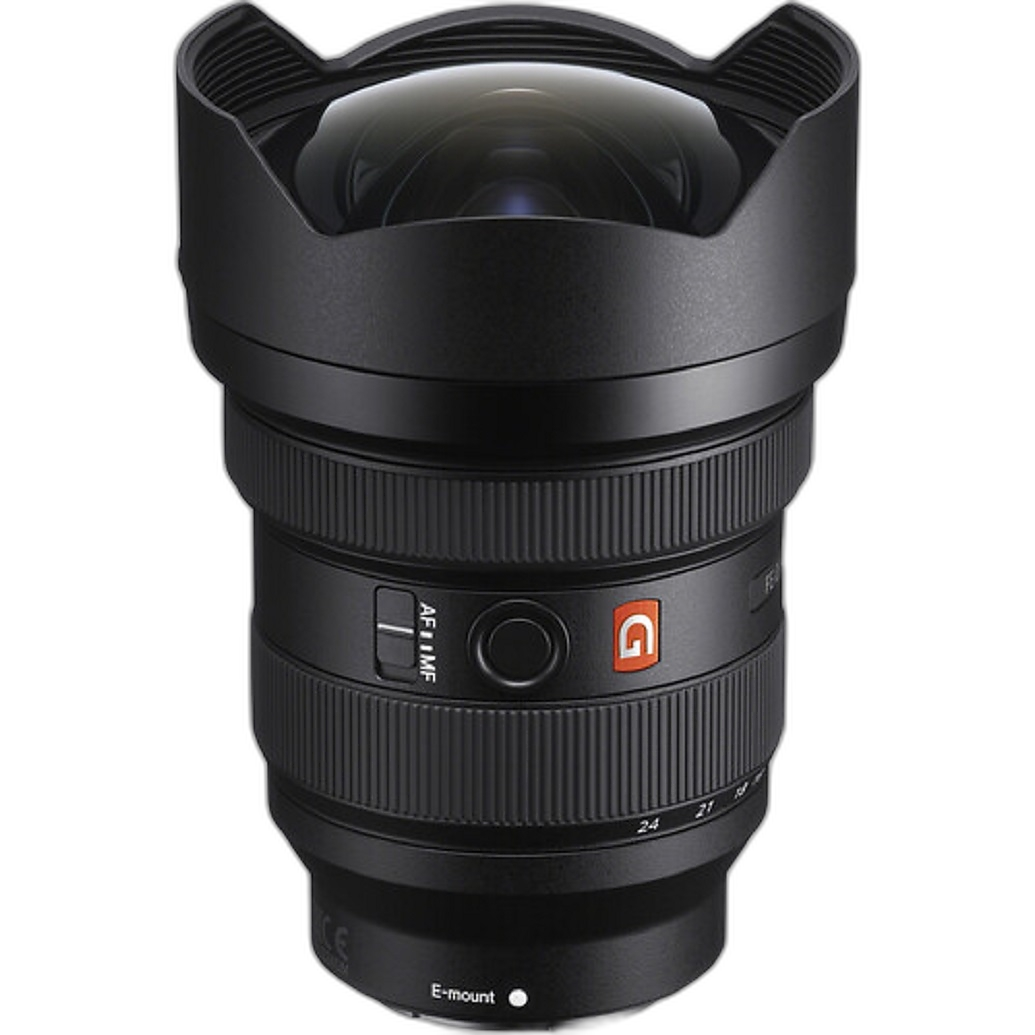
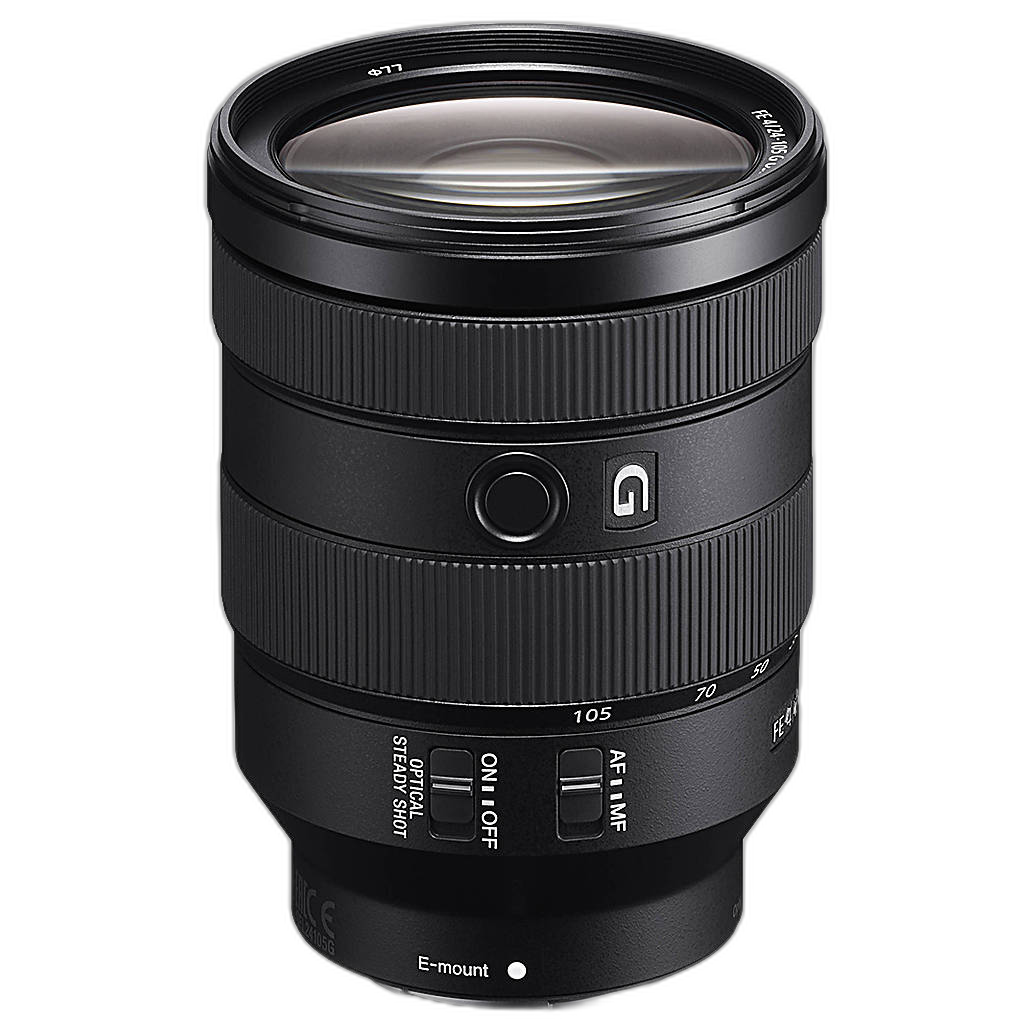
Side-by-Side Specs Comparison
| Feature | Sony FE 12-24mm f/2.8 GM | Sony FE 24-105mm f/4 G OSS |
|---|---|---|
| Product Type | Ultra-wide zoom | Standard zoom |
| Focal Length | 12-24mm | 24-105mm |
| Maximum Aperture | f/2.8 | f/4 |
| Lens Series | G Master | G |
| Image Stabilization | No optical OSS listed | OSS |
| Best Landscape Role | Expansive vistas, foreground emphasis, dramatic skies, interiors | Travel landscapes, compressed scenes, all-purpose hiking lens |
| Field Flexibility | Specialized ultra-wide coverage | Highly versatile wide-to-tele range |
| Filter Workflow | More specialized due to bulbous ultra-wide design | Generally more straightforward for many landscape kits |
What Landscape Photographers Say About the Sony Lens Compare Beta Tool
The Sony Lens Compare Beta tool is generally seen as a strong starting point, not a final verdict. Landscape photographers discussing it often agree on a few key points:
- It is most helpful for spotting patterns, such as whether one lens appears stronger in corners or whether performance changes significantly across focal lengths.
- It is less decisive in actual shooting conditions, because many landscapes are made stopped down, often around f/8 to f/11, where differences can narrow.
- It cannot fully predict flare behavior, resistance to contrast loss, or how easy a lens is to use with filters and tripod setups.
- It does not account for composition style. A photographer who lives at 16mm has very different needs from one who prefers 50mm to 100mm for layered mountain scenes.
That means the Beta tool may accurately show that the 12-24mm is designed for high-end ultra-wide performance, while the 24-105mm makes compromises in exchange for flexibility. But in the field, many photographers still choose the 24-105mm because it simply captures more kinds of landscapes in one outing.
Ultra-Wide Perspective and Composition
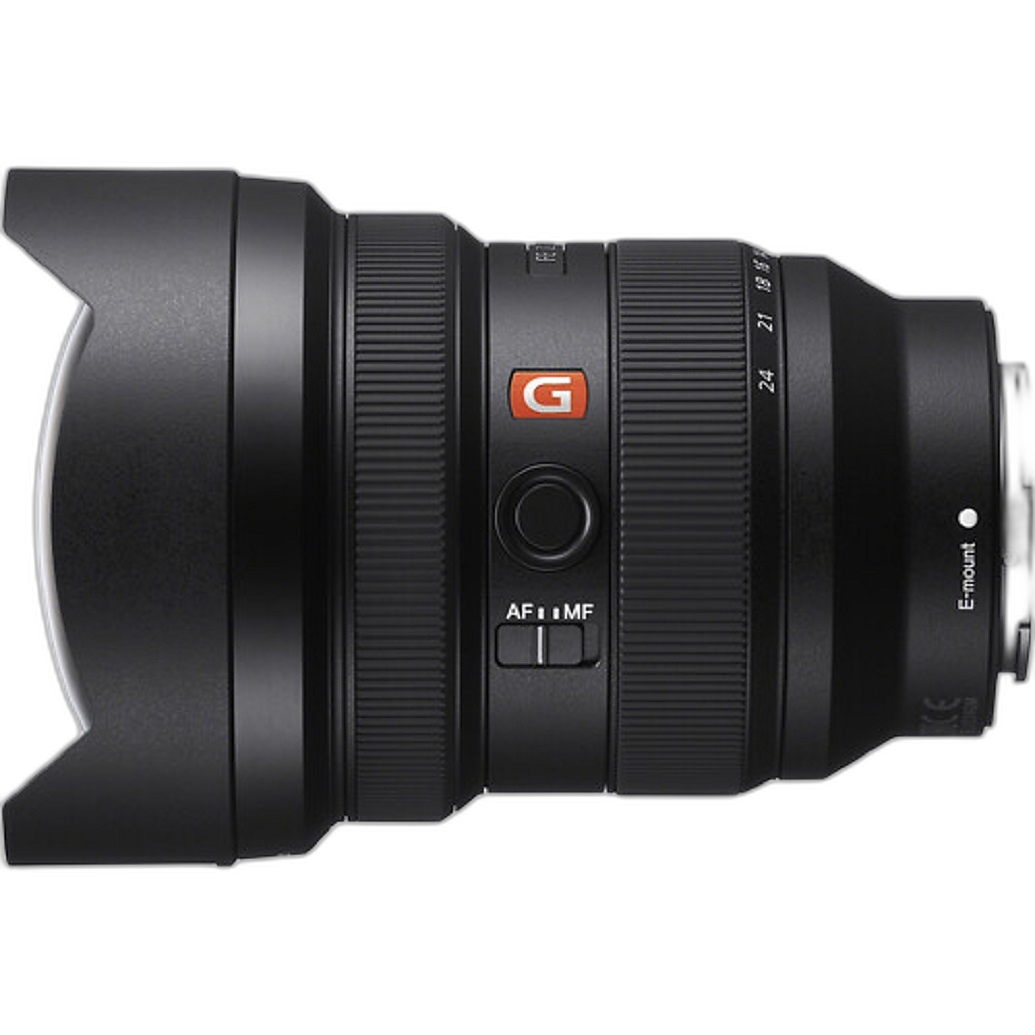
This is where the Sony FE 12-24mm f/2.8 GM clearly separates itself. The Sony Lens Compare Beta tool may highlight optical consistency and edge performance, but the biggest real-world advantage is compositional: 12mm creates images the 24-105mm simply cannot. For photographers who build frames around dramatic foregrounds, sweeping coastlines, canyon walls, and immersive night landscapes, the 12-24mm opens creative options that no standard zoom can replace.
In field discussions, photographers often note that the tool can confirm confidence in sharpness, but it cannot teach restraint. Ultra-wide lenses can make distant mountains look smaller and less impactful if composition is not carefully managed. So while the 12-24mm may look like the more exciting option on paper, it rewards a very specific shooting style.
Versatility on the Trail
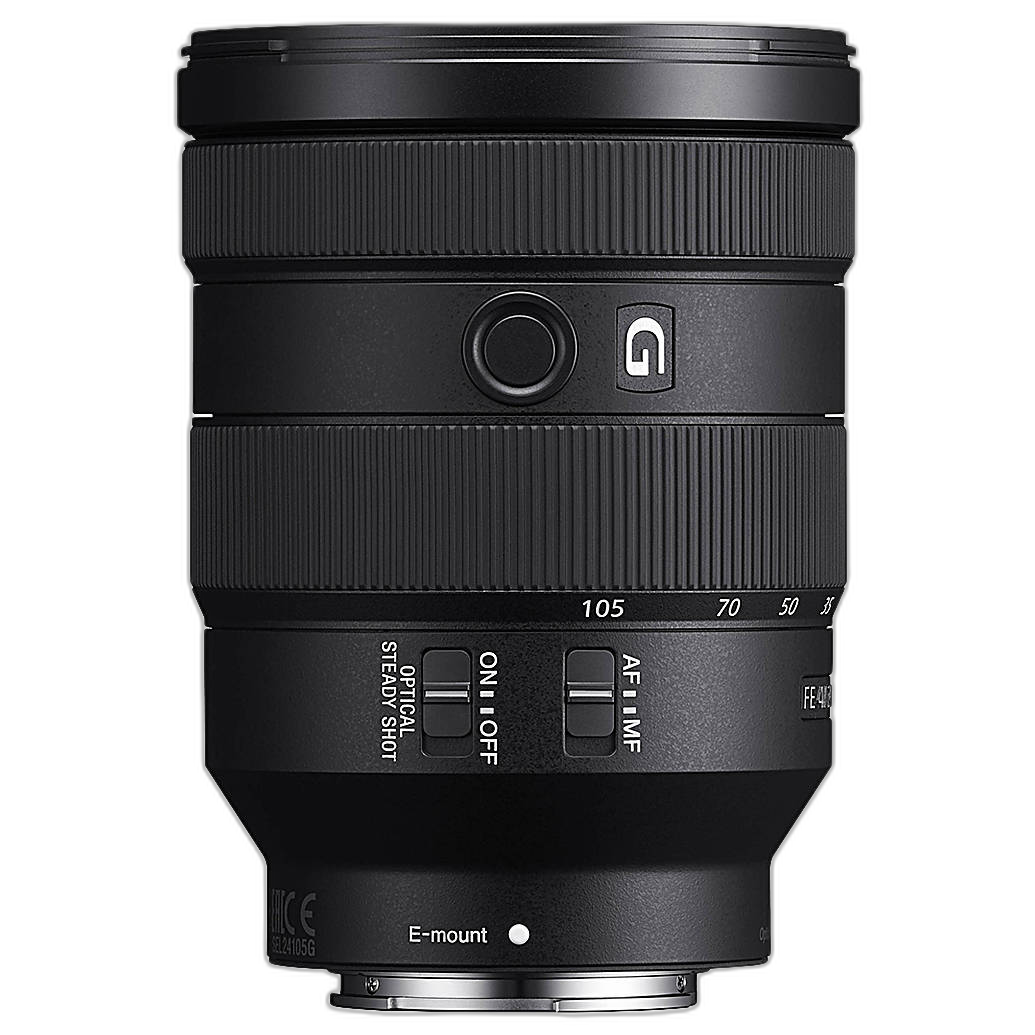
The Sony FE 24-105mm f/4 G OSS often wins this category among working landscape photographers. The Sony Lens Compare Beta tool may show that it is not the absolute optical specialist at every focal length, yet many users report better real-world keeper rates because the focal range is so practical. At 24mm, it can still handle classic wide scenic work. At 50mm to 105mm, it becomes much stronger for isolating ridgelines, picking out light on distant trees, and simplifying cluttered scenes.
For hikers, travelers, and photographers trying to carry one lens, the 24-105mm often produces more useful images over the course of a day. That is a key example of where field experience can outweigh chart-driven thinking.
Sharpness, Corners, and Stopped-Down Use
Landscape photographers debating the Sony Lens Compare Beta tool usually center on one issue: how much chart-visible sharpness differences matter once both lenses are stopped down. In practical use, many landscape shooters work from a tripod at f/8 or f/11, especially in daylight. Under those conditions, both of these lenses can deliver strong results, though for different purposes.
The 12-24mm f/2.8 GM is the more specialized premium optic, and photographers generally expect excellent performance across the frame at ultra-wide focal lengths. The 24-105mm f/4 G OSS, meanwhile, is praised for being consistently good enough across a much broader range. The tool can help indicate where one lens may be cleaner in the corners, but real users often conclude that composition, atmospheric conditions, and tripod technique affect final image quality just as much.
Flare, Sunstars, and Real Sunrise/Sunset Use
One of the biggest reasons photographers caution against relying too heavily on the Sony Lens Compare Beta tool is that flare performance can be highly situational. Landscape shooters regularly work with the sun near or inside the frame. Internal reflections, contrast loss, and rendering of bright edges can dramatically affect the final image, and these are hard to summarize in a comparison tool alone.
In actual use, the 12-24mm f/2.8 GM is often chosen by photographers who want dramatic near-sun compositions and immersive sky-heavy scenes. The 24-105mm f/4 G OSS is frequently preferred for more controlled framing, where repositioning and focal-length choice can help avoid problematic flare angles. So while the Beta tool may guide optical expectations, many photographers still trust field reports for flare behavior.
Filters and Practical Landscape Workflow
This is one area where field experience often matters more than any digital comparison interface. The 12-24mm f/2.8 GM is a dream for dramatic perspective, but ultra-wide designs can complicate filter use. For landscape photographers who rely on circular polarizers, ND filters, or a lightweight travel filter setup, that practical limitation can matter a lot.
The 24-105mm f/4 G OSS is usually the easier everyday landscape tool. If a photographer’s workflow depends on quick filter changes, lighter bags, and less specialized accessories, the 24-105mm often feels more efficient in actual use, even if it appears less exciting in a head-to-head tool comparison.
Tripod Work vs Handheld Flexibility
For tripod-based, carefully composed landscape work, both lenses make sense depending on subject matter. But if the day includes handheld scouting, travel shooting, roadside stops, or changing light, the 24-105mm f/4 G OSS gains an advantage thanks to its broader range and OSS. Many landscape photographers discuss this point when comparing tools with experience: a lens that is slightly less ideal on a chart can still be the better image-maker when time, weather, and mobility are part of the equation.
Our Pick
Our Pick: Sony FE 24-105mm f/4 G OSS Lens
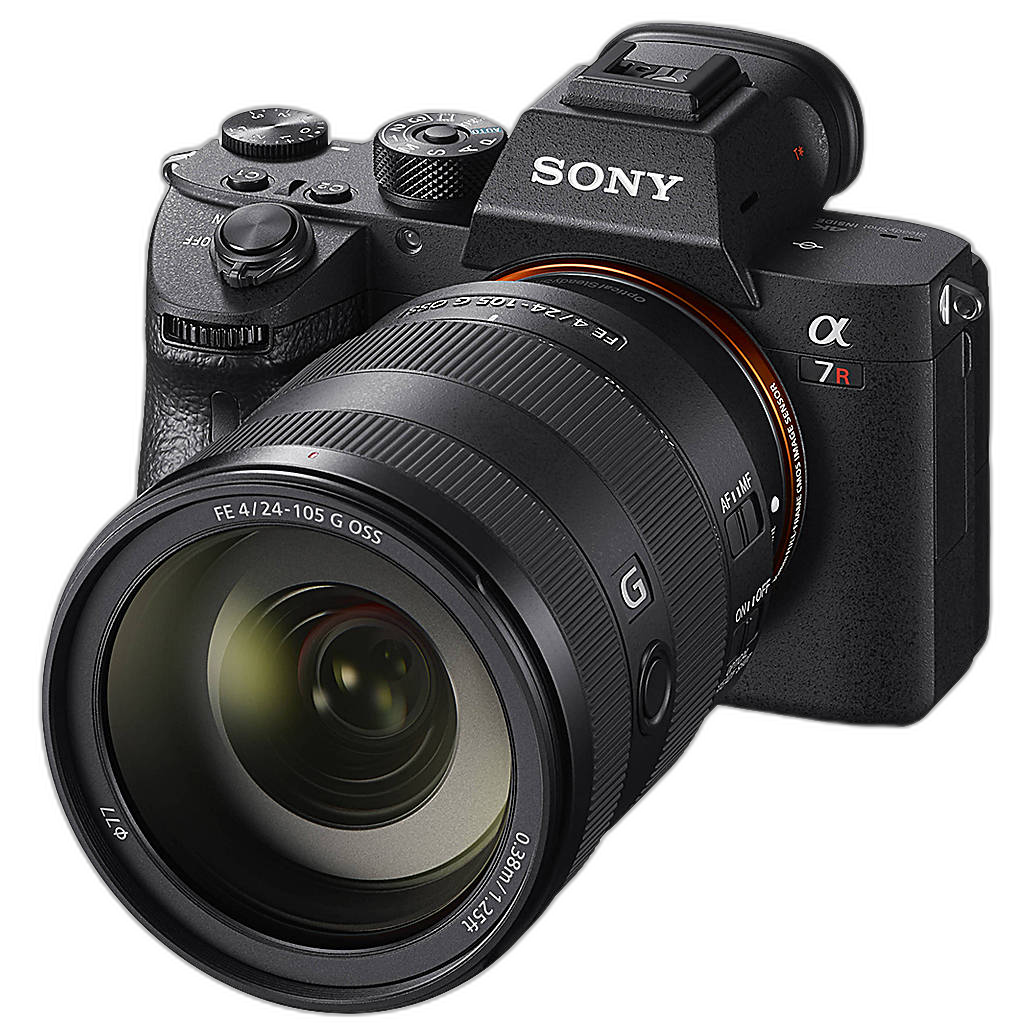
For most landscape photographers, the Sony FE 24-105mm f/4 G OSS is the smarter overall recommendation. The Sony Lens Compare Beta tool may tempt users toward the more specialized and premium-looking ultra-wide option, but field experience consistently shows that the 24-105mm is the more practical choice for real-world landscape shooting. It covers classic wide scenes, mid-range compositions, and distant details in one lens, making it especially strong for travel, hiking, and changing conditions.
Choose the Sony FE 12-24mm f/2.8 GM if your work is built around dramatic ultra-wide compositions, astrophotography, architecture, or foreground-heavy landscape images where 12mm is a creative necessity. But if you want one lens that aligns best with what photographers actually bring home from the field, the 24-105mm gets the nod.
Final Thoughts
The Sony Lens Compare Beta tool is valuable, especially for narrowing choices and understanding design tradeoffs, but landscape photographers are right to question whether lab-style comparisons tell the whole story. In this matchup, the tool can highlight why the Sony FE 12-24mm f/2.8 GM is such a compelling specialist, yet field results often favor the Sony FE 24-105mm f/4 G OSS as the more adaptable and productive landscape companion.
If you are deciding between these Sony landscape lenses, the best approach is to use comparison tools as a guide, then weigh your actual shooting habits, subjects, and workflow. For photographers ready to build or refine a Sony landscape kit, Unique Photo is a great place to explore the right lens for your style.