For landscape photographers, a travel tripod has to do two conflicting jobs at once: remain light enough to carry all day, yet stable enough for sunrise long exposures, blue-hour cityscapes, stitched panoramas, and precise composition on uneven ground. The challenge is that not every “lightweight” support is actually suitable for serious landscape work. Many ultralight options save weight by sacrificing rigidity, load handling, or useful working height.
That is why the best lightweight travel tripod recommendations for landscape photography come down to a careful balance of portability, stability, setup speed, and packability. Whether you hike to overlooks, fly with a compact kit, or simply want a support you will actually bring with you, the ideal model is one that disappears in your bag but performs confidently in the field.
At Unique Photo, photographers can find gear, education, and accessories that support a complete landscape workflow. While the available products here are not full tripod systems, they do help illustrate what matters in a lightweight setup: modularity, compactness, support accessories, and the broader discipline of landscape photography itself.
What to Look for in a Lightweight Travel Tripod
Before choosing a recommendation, it helps to define the features that matter most for landscape photography. A good travel tripod should be light enough for frequent use, but not so light that it becomes unreliable in wind or on rough terrain.
Weight and Packability
If your tripod is too heavy, it will stay home. Travel-focused models usually fold down compactly, often with reverse-folding legs, making them easier to fit in carry-on luggage or attach to a backpack. Carbon fiber is often the preferred material because it reduces weight while helping damp vibrations.
Stability for Long Exposures
Landscape photographers frequently work with slow shutter speeds, graduated light, and precision framing. Stability matters more than absolute lightness. Look for solid leg locks, a dependable apex, and a design that can handle wind, water, and uneven surfaces.
Working Height and Low-Angle Flexibility
A travel tripod should still reach a comfortable shooting height without forcing you to use an extended center column all the time. Equally important is the ability to go low for foreground-heavy compositions, macro-like detail work, and dramatic perspective control.
Head Compatibility and Quick Setup
Ball heads remain the most popular option for travel because they are fast and compact. Arca-type compatibility is especially useful for landscape photographers who want quick mounting, L-brackets, and accessory integration.
Recommendation Approach: Prioritize Practical Lightweight Support
Rather than chase the absolute lightest possible tripod, landscape photographers should prioritize the lightest tripod that still feels planted with their camera and lens combination. In practical terms, that usually means choosing a travel tripod with strong leg sections, a reliable locking mechanism, and support accessories that improve versatility.
Accessories can make a meaningful difference in a lightweight field setup, especially when they reduce complexity or improve mounting flexibility.
Featured Gear Relevant to a Lightweight Travel Setup
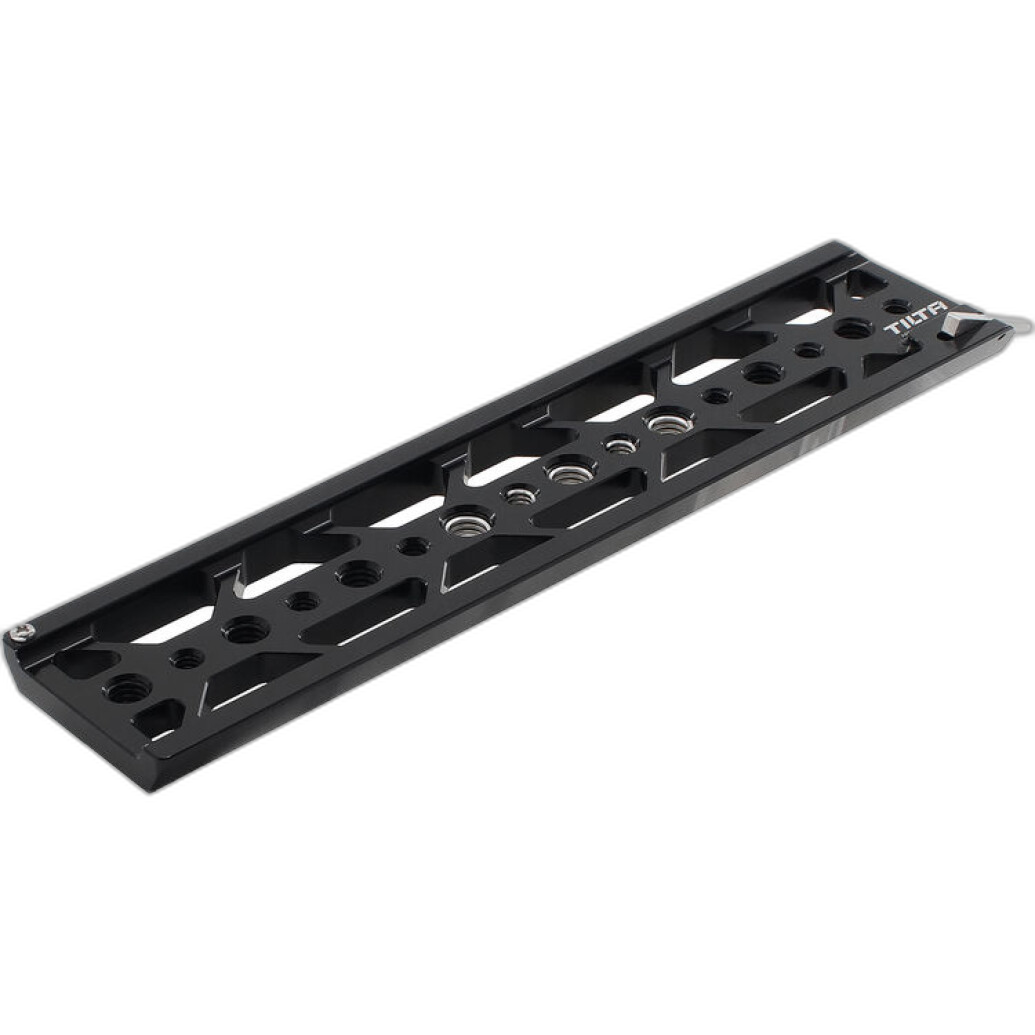
Tilta 10 Lightweight Dovetail Plate (Black)
The Tilta 10 Lightweight Dovetail Plate (Black) is not a tripod on its own, but it reflects an important idea in lightweight support systems: streamlined mounting hardware. For photographers who build hybrid stills/video kits or use modular support gear, a lightweight plate can reduce unnecessary bulk while maintaining secure attachment points.
For landscape photographers working with compact rigs, panoramic setups, or tripod-based modular accessories, this kind of plate emphasizes efficient packing and reduced carried weight. The Tilta design also suggests a sturdy, minimalist approach that complements travel-oriented field kits.
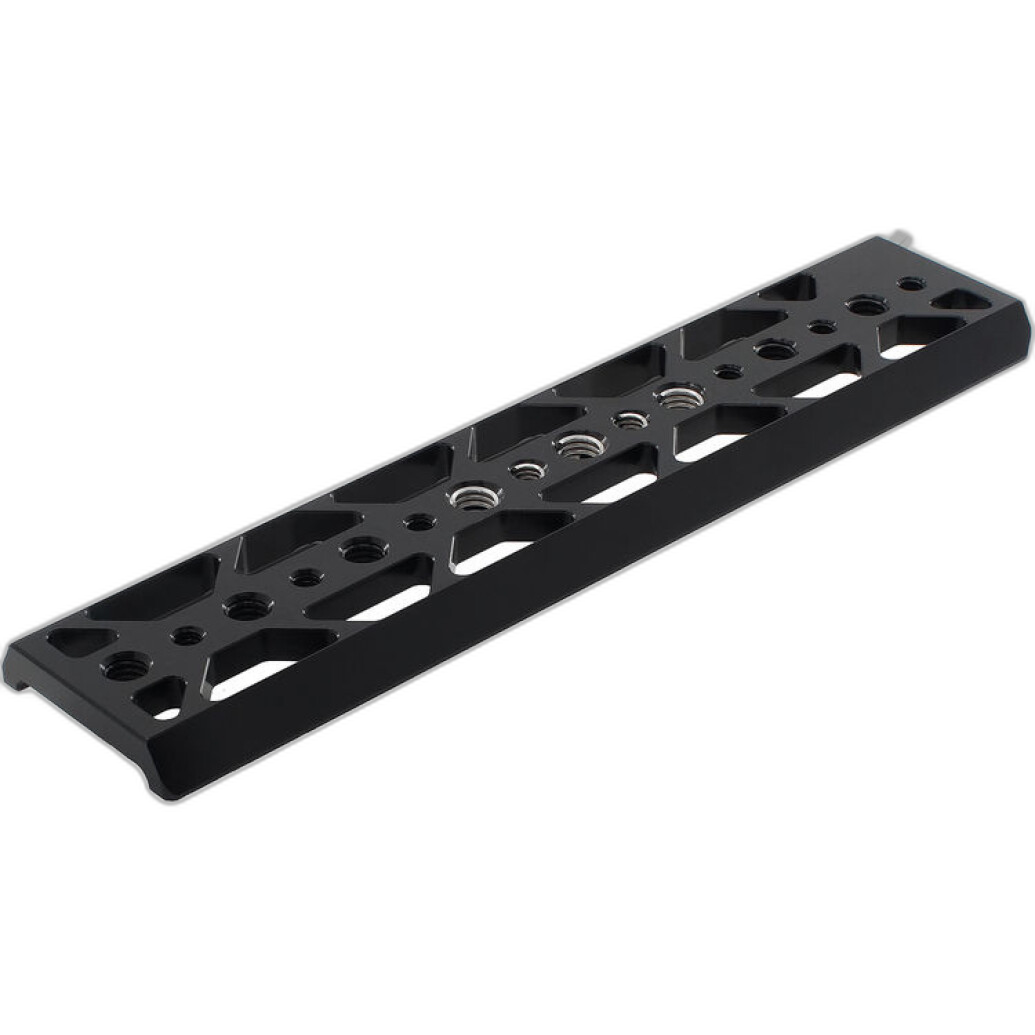
Why it matters for travel tripod users: every ounce counts when assembling a hiking or flight-ready kit, and lighter support accessories help keep the overall system manageable.
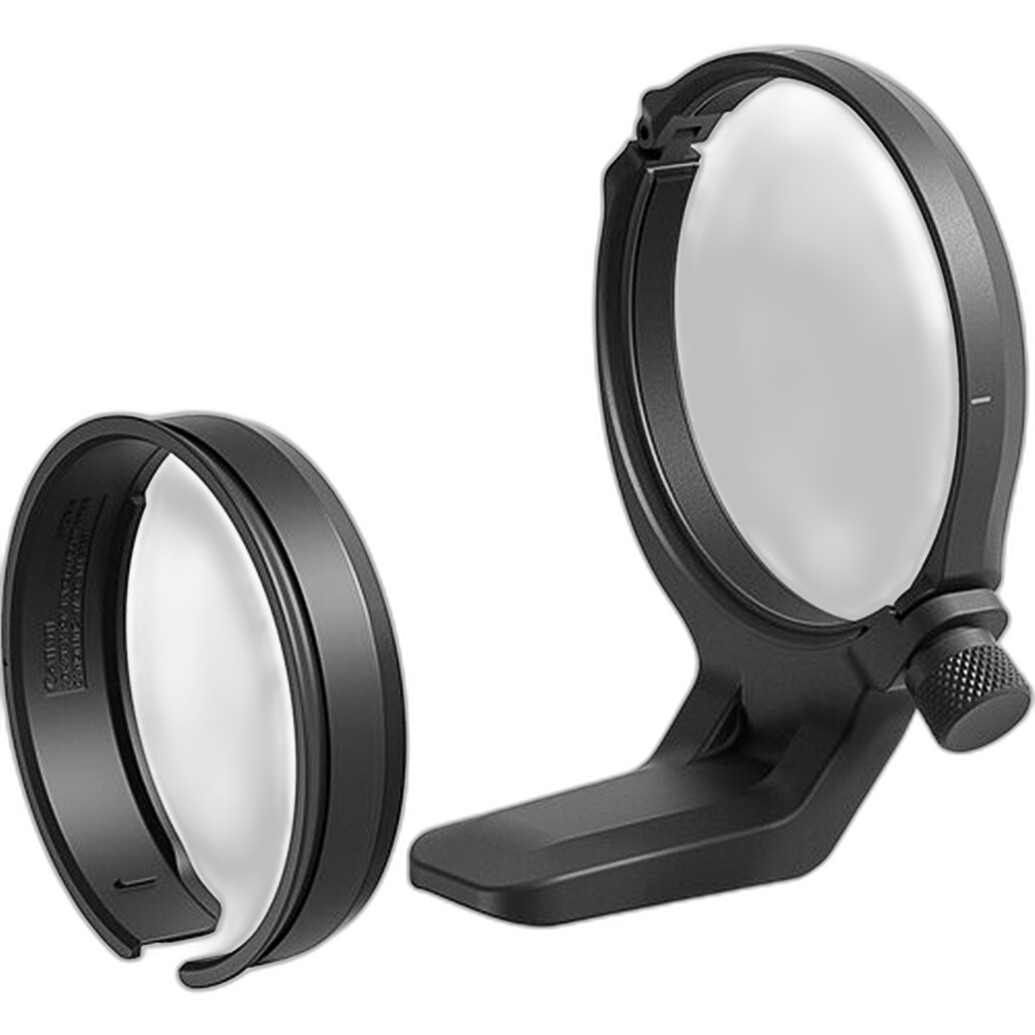
Canon Tripod Mount Ring and Adapter for RF 100mm f/2.8L Macro IS USM Lens
The Canon Tripod Mount Ring and Adapter for RF 100mm f/2.8L Macro IS USM Lens highlights another important principle for landscape photographers: proper balance on support systems. While designed specifically for Canon’s RF 100mm f/2.8L Macro lens, it reinforces how tripod collars and balanced mounting can improve stability, especially with longer or front-heavy optics.
For landscape shooters who also explore close-up nature work, flowers, textures, and detail studies while traveling, lens support accessories like this can improve handling and reduce stress on the camera mount. On a lightweight tripod, balanced weight distribution becomes even more important.
Macro and Landscape Photography at Duke Farms with Michael Downey
One of the smartest recommendations for improving landscape photography is not just hardware, but education. Macro and Landscape Photography at Duke Farms with Michael Downey represents the kind of field-based learning that helps photographers get more from a lightweight tripod setup. Understanding composition, perspective, lens choice, and how to use support gear effectively often matters more than buying the lightest possible model.

A travel tripod is most effective when paired with good technique: careful leg placement, delayed shutter release, center column discipline, and awareness of wind and terrain.
Editing and Enhancing Landscape and Nature Photography with Photoshop
Landscape photography does not end in the field. Editing and Enhancing Landscape and Nature Photography with Photoshop speaks to the full workflow that often begins with a tripod-stabilized capture. Sharp bracketed exposures, stitched panoramas, and carefully aligned compositions are all easier to produce when your support system is dependable.
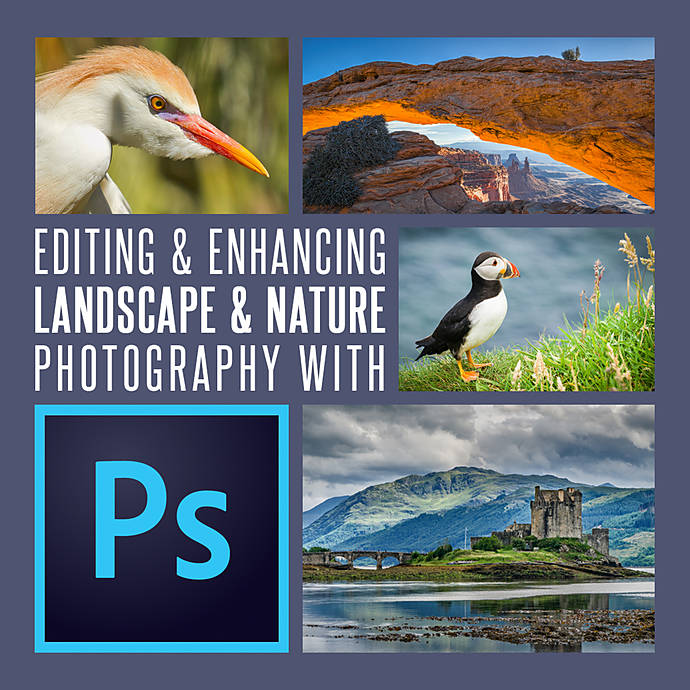
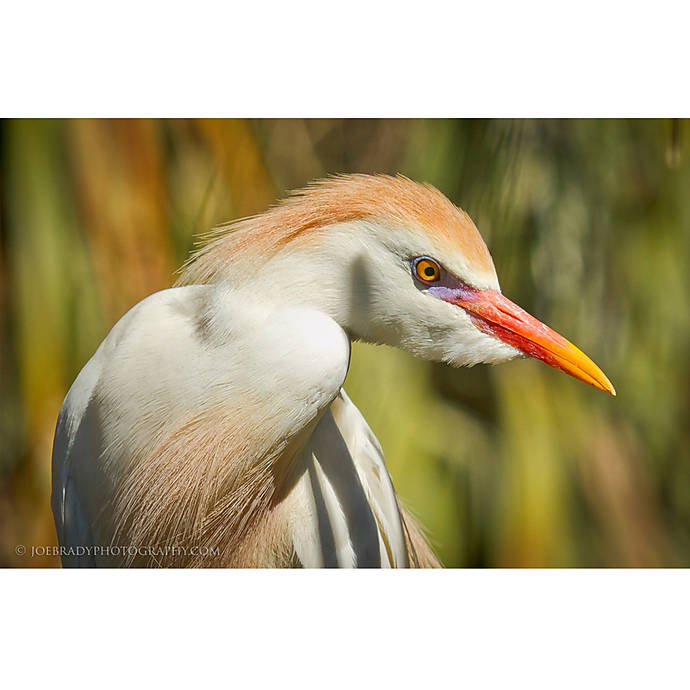
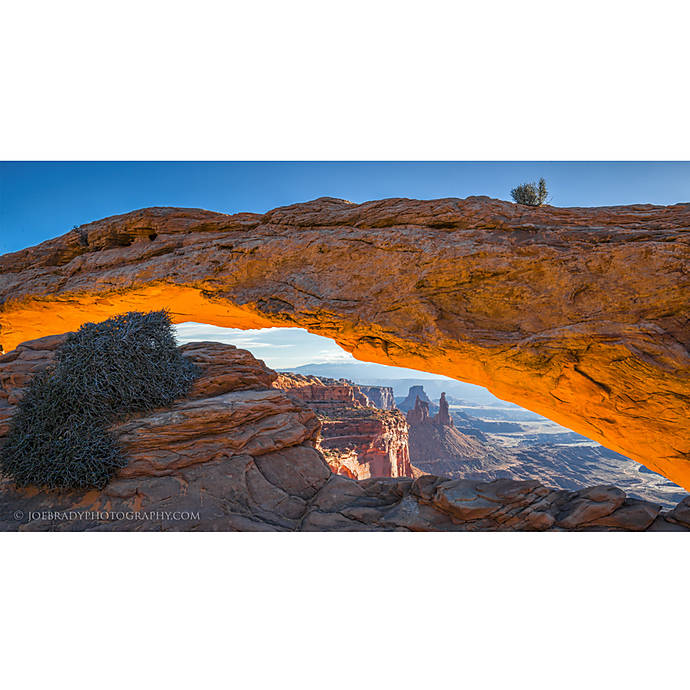
This is a useful reminder that a lightweight tripod recommendation should support not just portability, but image quality. A stable capture saves time later and preserves detail for editing.
EXPO: Stories from the Road - Photography Across Worlds w. Matthew Borowick
Travel and landscape photography are closely linked, so EXPO: Stories from the Road - Photography Across Worlds w. Matthew Borowick fits naturally into this discussion. For photographers who travel frequently, the best tripod is one that supports storytelling without slowing you down. Lightweight gear enables mobility, but real-world experience teaches when to compromise between size, speed, and stability.



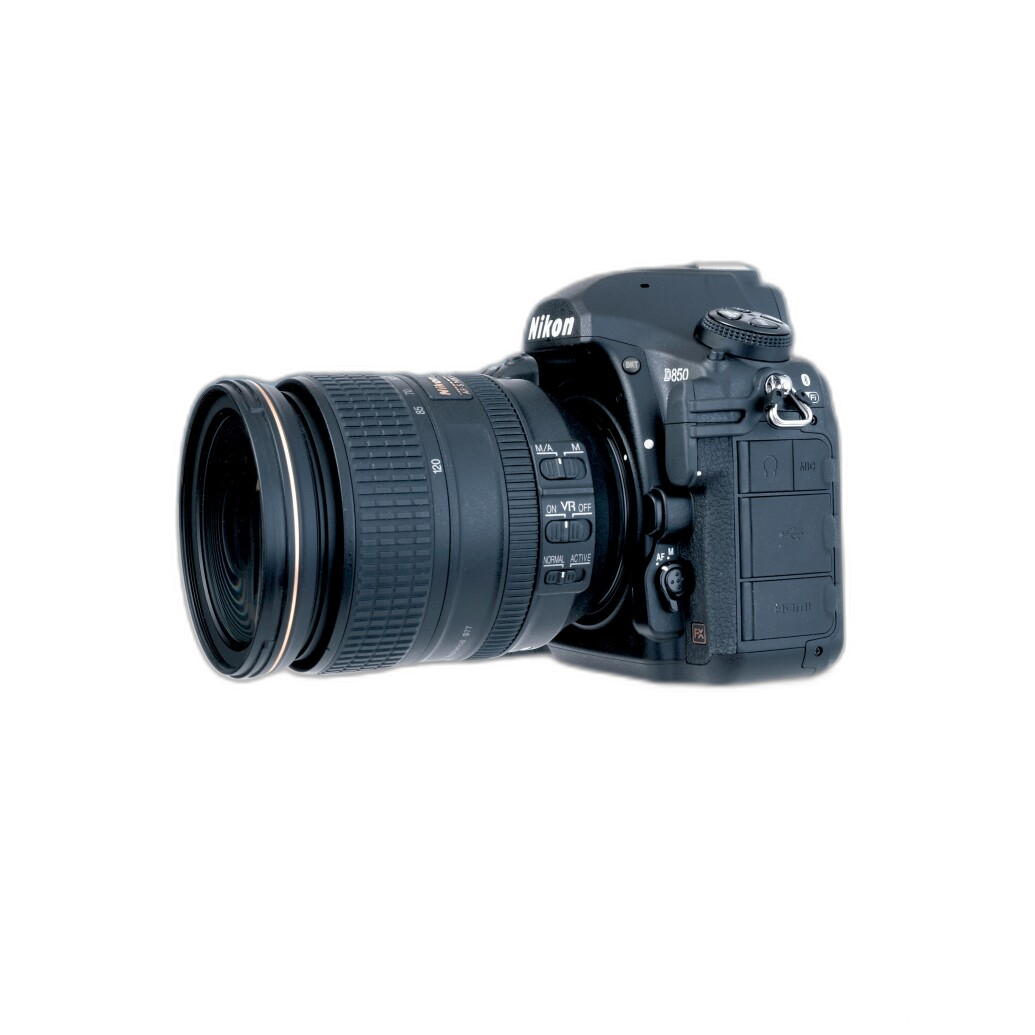
Nikon D850 Guide to Digital SLR Photography by David Busch
Even though this is a camera guide, the Nikon D850 Guide to Digital SLR Photography by David Busch is relevant because high-resolution bodies demand better technique. Cameras with substantial resolving power reveal even small vibrations, making tripod choice and use more critical. A lightweight tripod for landscape photography must still be capable enough to support modern high-resolution cameras without compromise.
Best Lightweight Travel Tripod Recommendations: Practical Buying Advice
If you are shopping for a travel tripod for landscape photography, here is the most practical way to narrow your options:
Choose Carbon Fiber if Budget Allows
Carbon fiber remains the sweet spot for travel landscapes. It is lighter than aluminum, generally better at damping vibration, and more comfortable to handle in cold weather.
Favor Stability Over Maximum Height
A tripod that is slightly shorter but significantly more rigid is often the better field tool. Extending a center column too far can undermine stability in wind or during long exposures.
Check Folded Length for Travel
For airline travel and hiking, folded length matters almost as much as total weight. Compact folding designs are easier to live with and more likely to come along on every trip.
Match the Tripod to Your Typical Lens
If you mainly shoot with an ultra-wide zoom or standard zoom, an ultralight tripod may be sufficient. If you use telephotos, macro lenses, or high-resolution bodies, step up to a sturdier travel model.
Look at System Expandability
Accessories, plates, rings, and compatible mounting standards can improve the usefulness of a lightweight support kit. That is why products like the Tilta plate and Canon tripod ring are worth considering as part of the broader setup.
Pros and Cons of Lightweight Travel Tripods for Landscape Photography
Pros
- Easy to carry on hikes, road trips, and flights
- More likely to be packed and actually used
- Ideal for sunrise, sunset, and long-exposure work on the go
- Compact folded designs save space in luggage and backpacks
- Can support a high-quality landscape workflow when chosen carefully
Cons
- Ultralight designs may sacrifice rigidity in wind
- Shorter travel models can be less comfortable for tall photographers
- Center-column-heavy designs may reduce long-exposure stability
- Premium carbon fiber options can be expensive
- Accessories may be needed to optimize balance and mounting flexibility
Verdict
The best lightweight travel tripod recommendations for landscape photography are the ones that balance low carry weight with real-world steadiness. Landscape photographers should avoid choosing purely by specs and instead focus on dependable field performance, compact packing, and compatibility with the rest of their kit.
While the products shown here are not complete tripod kits, they highlight the surrounding ecosystem that matters: lightweight support accessories, balanced mounting solutions, and educational resources that help photographers make better use of tripod-based techniques. If you are building a travel-ready landscape setup, Unique Photo is a strong place to buy both gear and learning resources that support the entire process.
Recommendation: choose a compact carbon fiber travel tripod with strong leg locks, Arca-style compatibility, and enough stability for your heaviest regularly used lens. Then round out the setup with smart accessories and education from Unique Photo to get the most from every landscape outing.