Sony Lens Compare Beta FAQ: How Accurate Is It for Real-World Sharpness?
Sony's Lens Compare Beta can be a useful starting point when you are narrowing down lenses, especially if you want a quick visual sense of sharpness at different apertures and focal lengths. But like any controlled comparison tool, it works best when you understand what it can show clearly, what it simplifies, and where real-world shooting still matters.
At Unique Photo, we recommend treating comparison tools as one part of the buying process rather than the final answer. Portrait, landscape, event, and video shooters all evaluate sharpness differently, so the best lens choice often depends on how you actually work in the field.
How accurate is Sony's Lens Compare Beta for real-world sharpness?
In general, Sony's comparison tool is most helpful for spotting broad trends rather than tiny practical differences. If one lens is clearly stronger in the center at wide apertures, or if another improves significantly when stopped down, the tool can point you in the right direction. Where it becomes less definitive is in the subtle territory: small rendering differences, sample variation, autofocus consistency, and performance under changing light are harder to judge from a standardized test view alone.
Real-world sharpness depends on more than lens optics. Camera body resolution, shutter speed, subject distance, atmospheric conditions, focus precision, and post-processing all affect what you see in actual photographs. That means a lens that looks only marginally better in a comparison widget may perform dramatically better for your style of shooting, or the opposite.
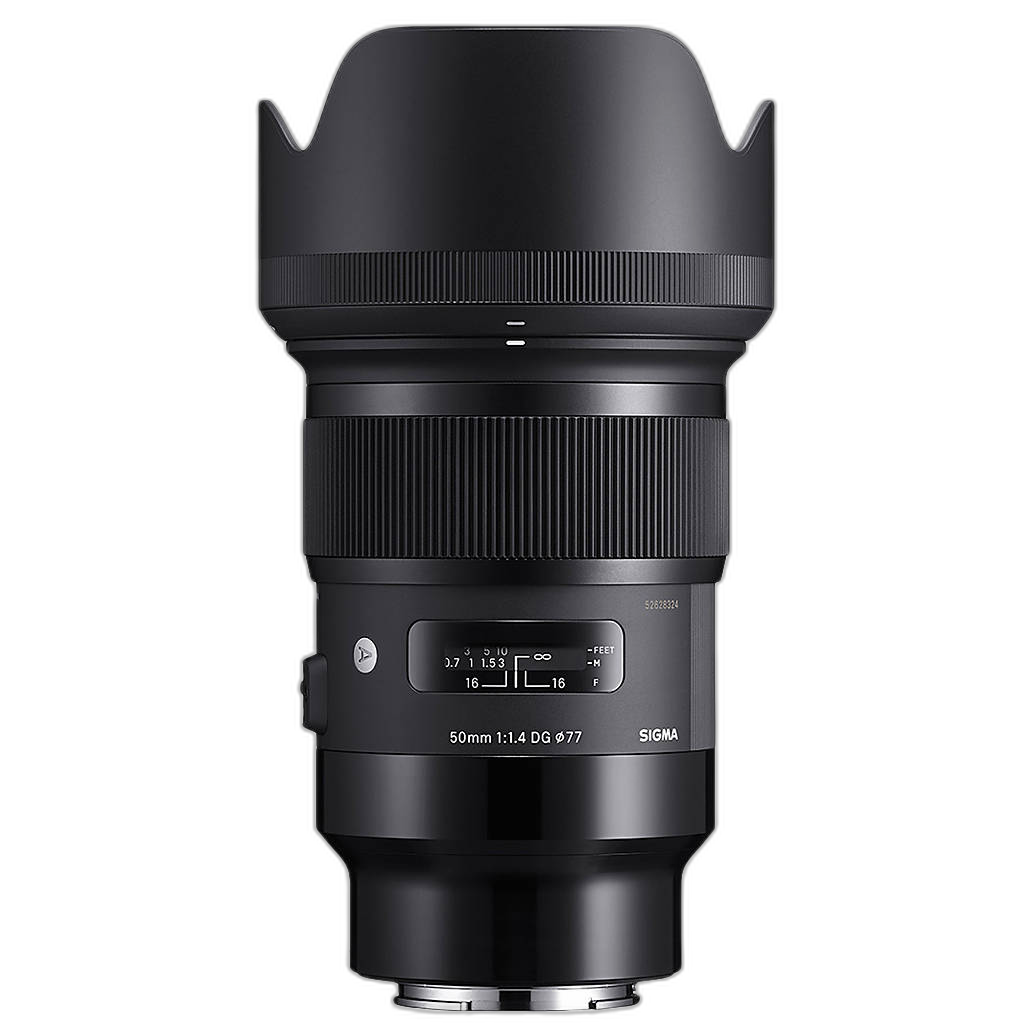
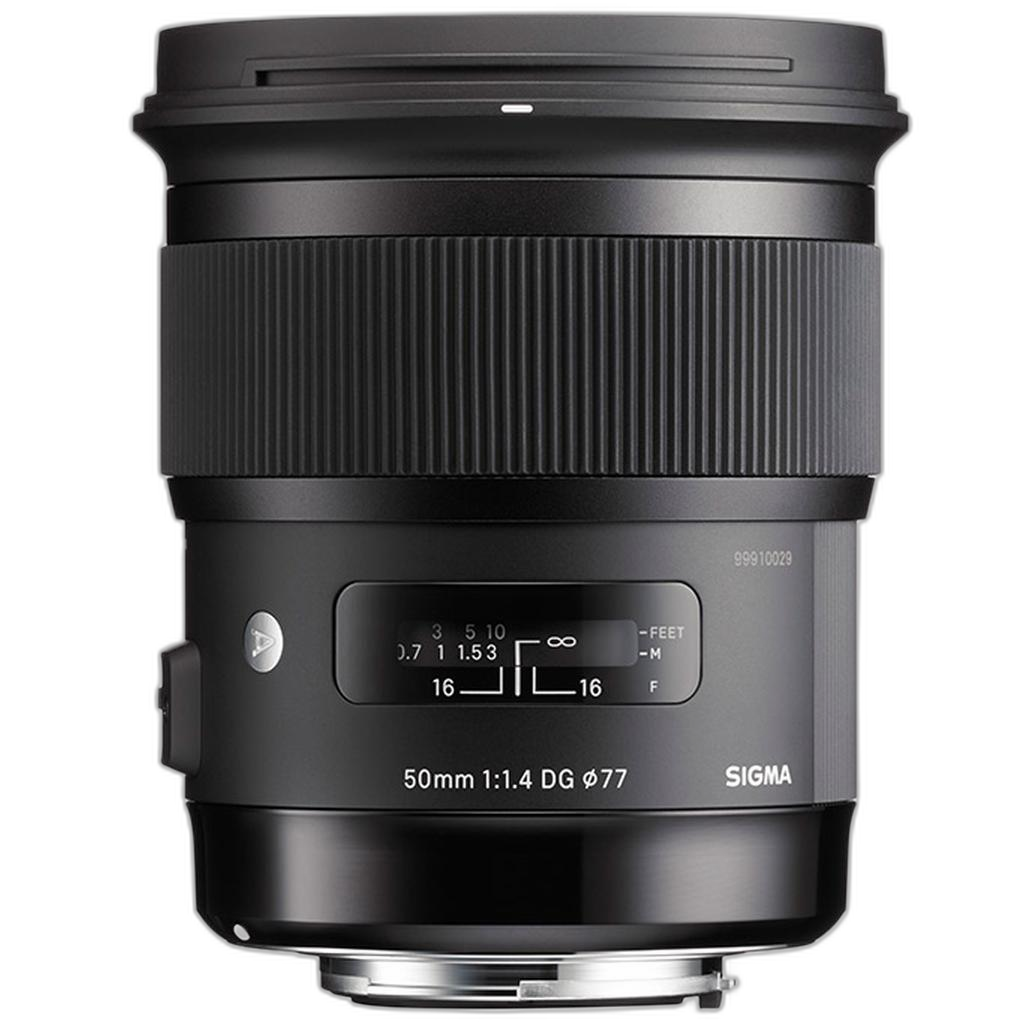
For example, a fast prime such as the Sigma 50mm f/1.4 DG HSM Art Lens for Sony E offers the kind of wide-aperture performance many photographers evaluate differently in portraits than in test charts. A controlled tool can reveal center detail, but field use shows how it behaves with depth of field, subject separation, and practical focusing conditions.
Has anyone cross-checked a tool like this with field testing, and what usually matches?
When photographers compare chart-style previews against their own shooting, the biggest areas of agreement are usually general center sharpness trends, aperture-related improvement, and whether a lens is obviously stronger or weaker at the frame edges. If a lens looks excellent in the center at f/1.4 and stronger across the frame by f/2.8, those broad patterns often hold up in outdoor and studio use.
What tends to diverge is how meaningful those differences feel in practice. A landscape photographer printing large may care deeply about edge and corner resolution at mid apertures. A portrait photographer may care far more about the focus plane, falloff, skin-detail rendering, and how a lens transitions from sharp focus to blur. In that situation, test views and lived results can tell slightly different stories.
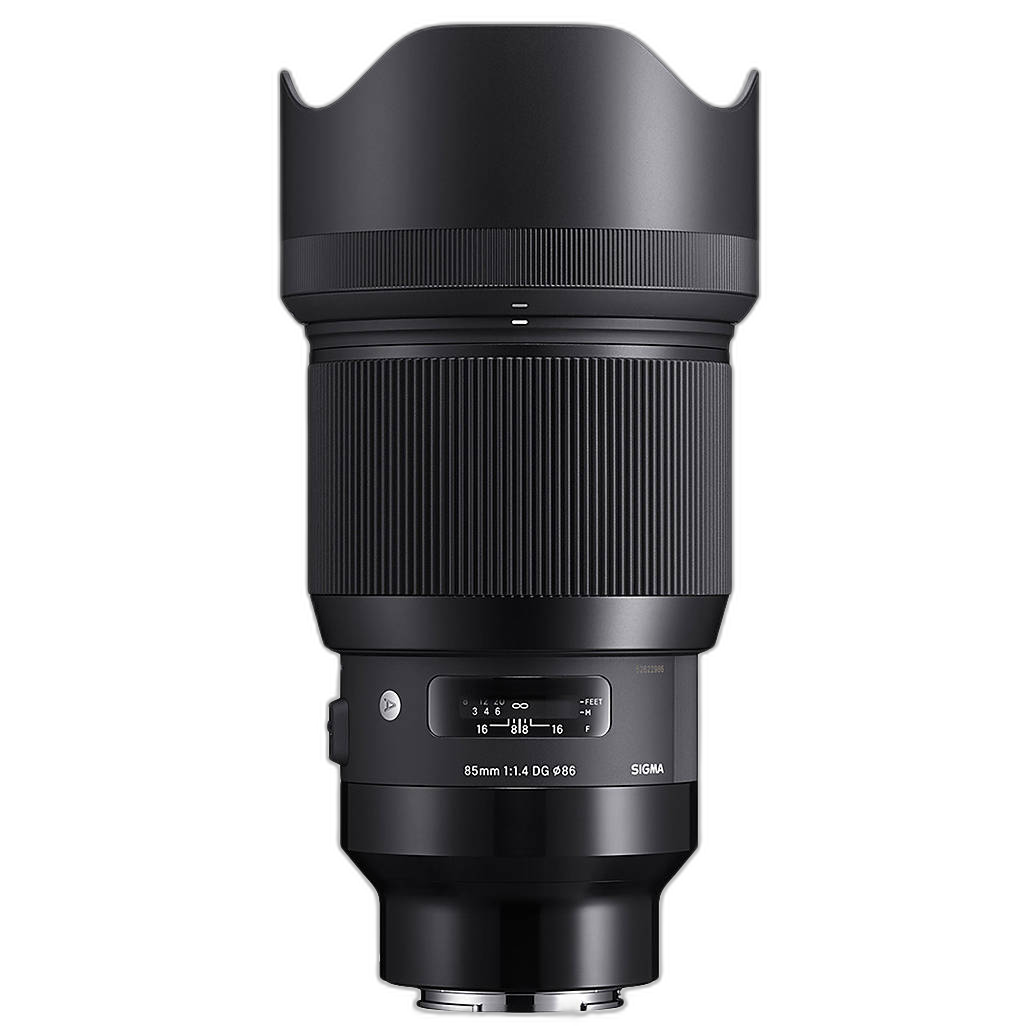
That is why lenses such as the Used Sigma 85mm f/1.4 ART for Sony E remain popular choices for portrait shooters even beyond lab-style sharpness discussions. Portrait performance is not just about maximum line detail; it is also about subject emphasis, working distance, and image character.
Does the Beta reflect edge sharpness as well as center sharpness?
It can help identify edge behavior, but edge sharpness is exactly where photographers should be cautious. In a controlled comparison, you may get a good sense of whether corners lag behind the center or whether stopping down improves border performance. However, edge sharpness in the real world can be influenced by field curvature, focus placement, decentering, stabilization behavior, and subject distance.
This matters especially for landscape, architecture, and environmental work. If you are shooting flat subjects or detailed scenes from corner to corner, edge performance is more important than it is for portraits. A comparison tool can suggest which lenses deserve closer attention, but it does not replace reviewing full-resolution sample files or trying the lens in your own workflow.
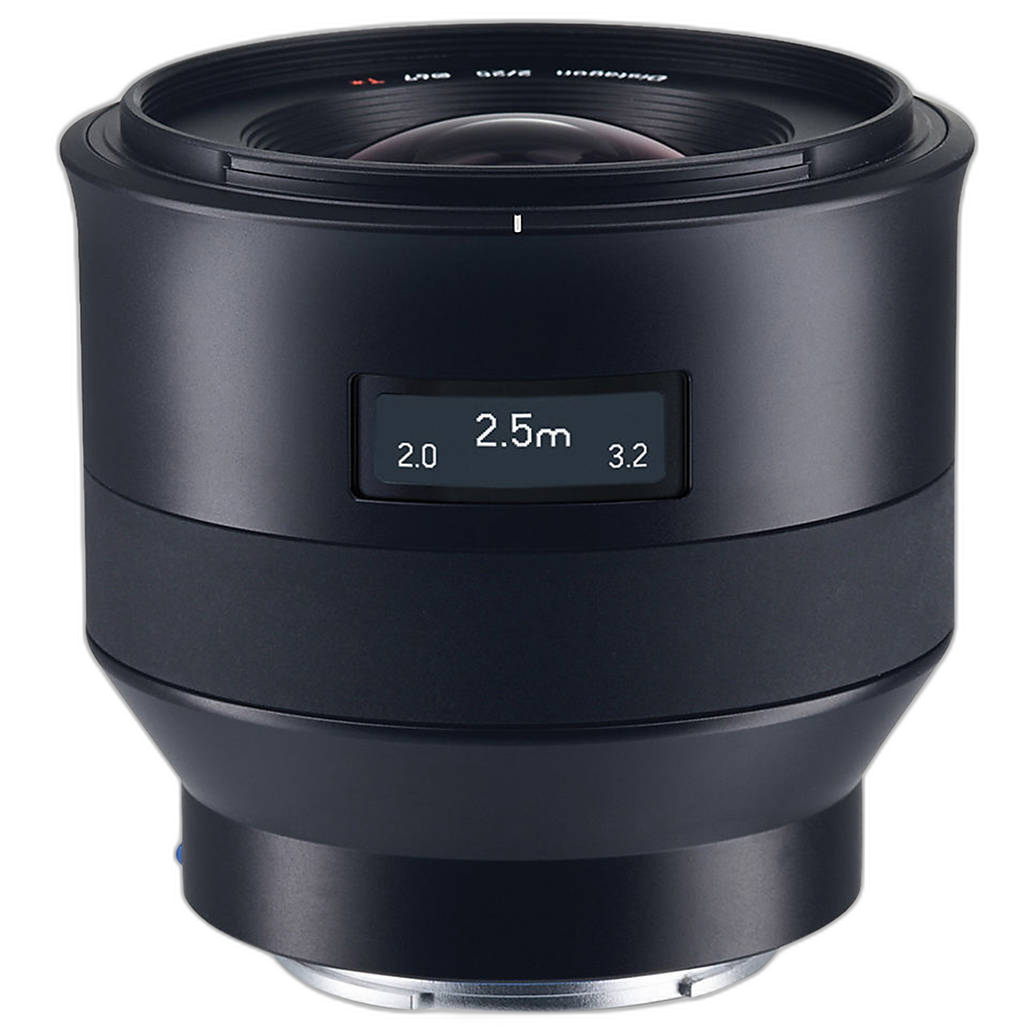
Zoom lenses can be even more complex because edge sharpness may change a lot across the focal range. A lens such as the Sony E PZ 18-105mm f/4 G OSS may behave differently at the wide end versus the telephoto end, and one test screen cannot always capture how that feels in practical stills and video use.
What are the main limitations of the tool for portrait lens selection?
For portrait shooters, sharpness is only one piece of the buying decision. A comparison tool can show whether a lens resolves fine detail wide open, but it cannot fully communicate background rendering, transition smoothness, facial feature compression, flare behavior, or how comfortable the focal length feels for your shooting style.
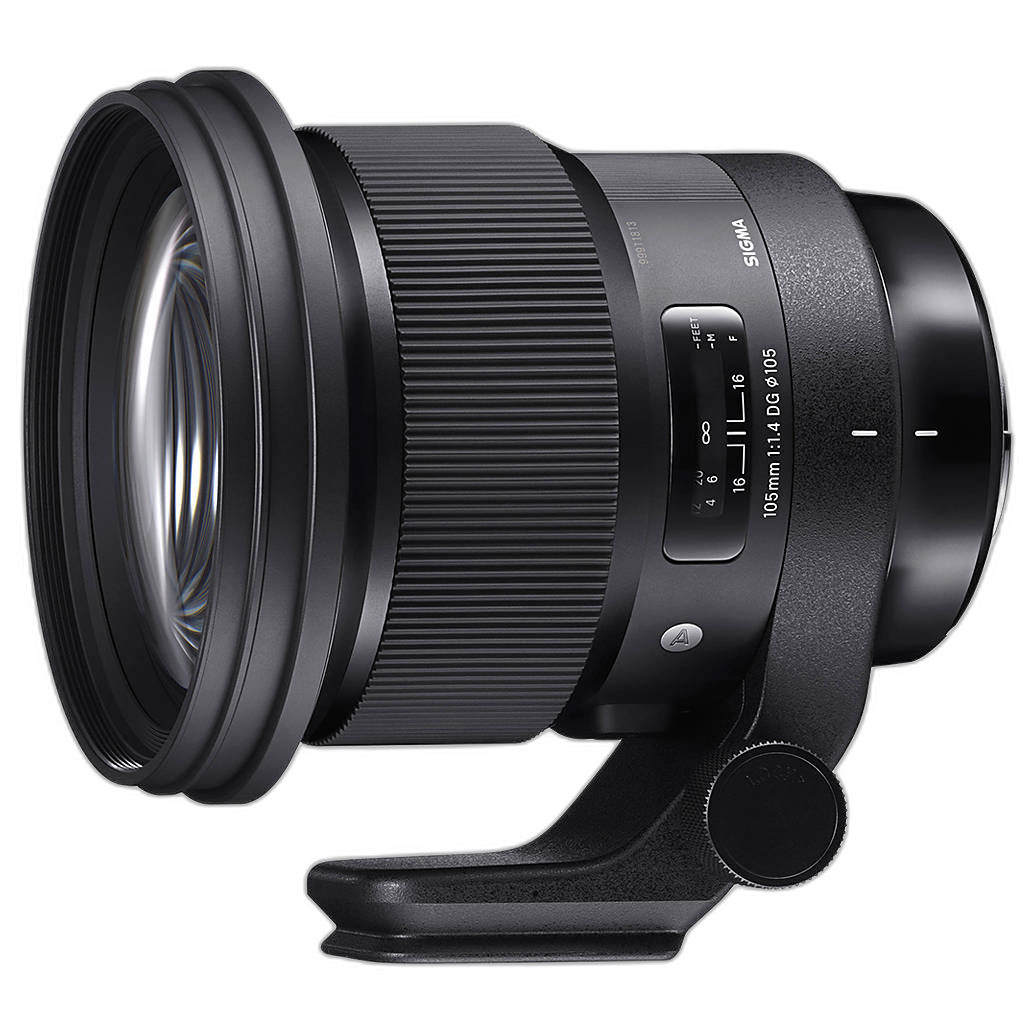
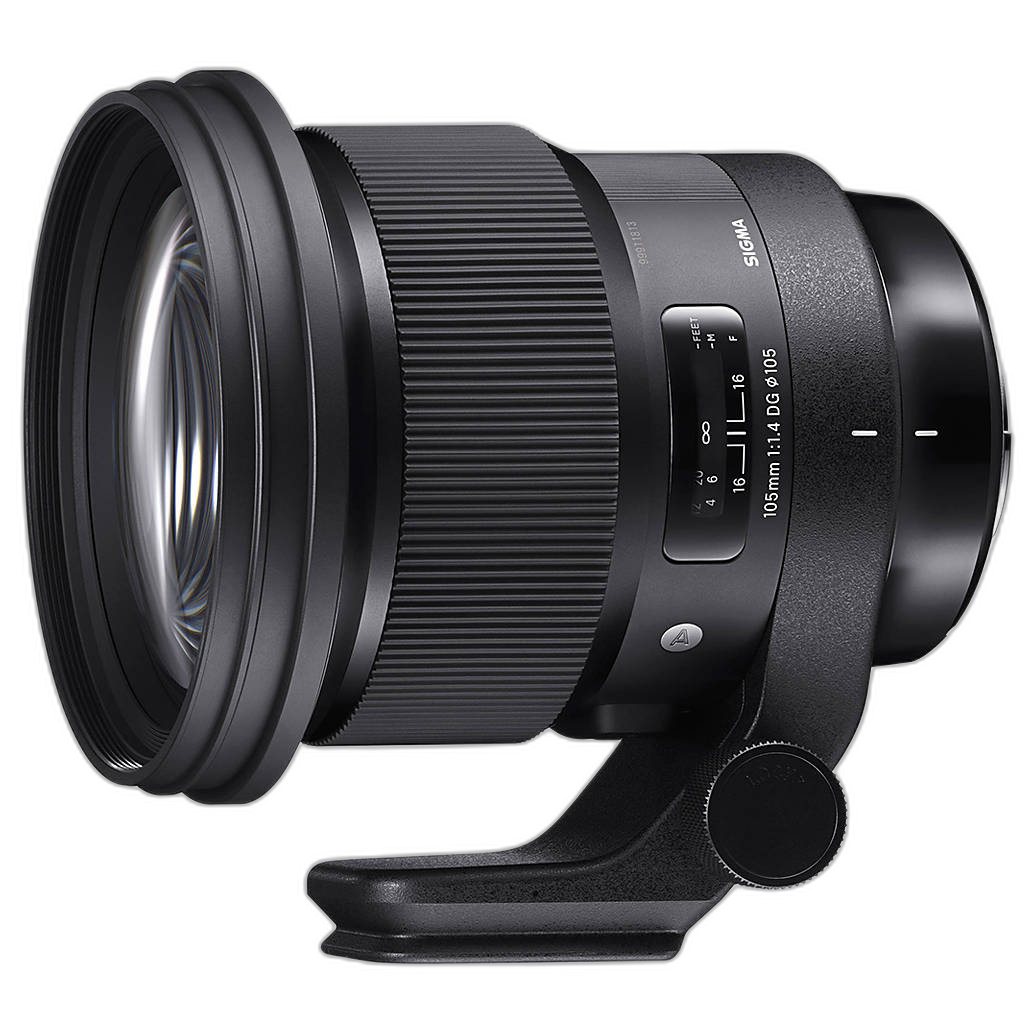
That is one reason lenses in the 85mm and 105mm range are often evaluated differently than standard lenses. The Used Sigma 105mm f/1.4 DG HSM Art Lens for Sony E, for instance, appeals to photographers who want strong subject isolation and a longer portrait perspective. On a chart, you may focus on absolute detail. In a portrait session, you may care more about how flattering the focal length is, how the lens separates the subject from the background, and whether it delivers the look you want at working distance.
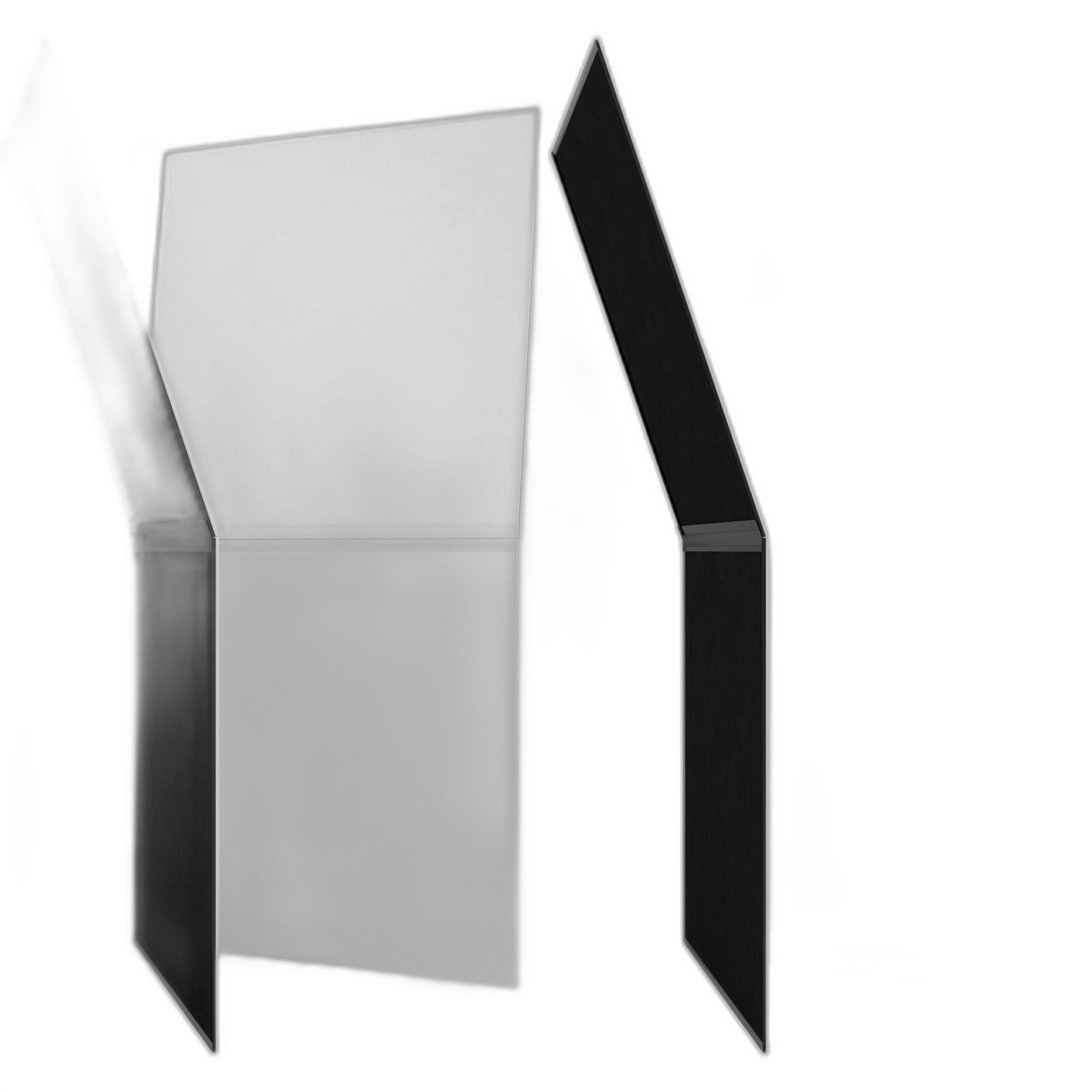
For studio portraiture, your setup also matters. A controlled lighting environment can help you judge a lens more fairly. Tools like the V-FLAT WORLD Foldable V-Flat 2.0 2-Pack Bundle can make it easier to shape light and maintain consistency when comparing lenses yourself.
What are the main limitations for landscape lens selection?
Landscape photographers often need to know how a lens performs across the frame at practical shooting apertures such as f/5.6, f/8, or f/11. A comparison tool can be useful here, but it still cannot fully represent field conditions like atmospheric haze, backlit contrast, focus stacking workflow, diffraction tradeoffs, and how a lens handles distant fine detail.
Another limitation is that chart views do not always show how a lens behaves in high-contrast natural scenes. Microcontrast, flare resistance, color transmission, and consistency across focus distances can all influence perceived sharpness outdoors. A lens that appears strong in a controlled comparison may still be less satisfying in sunrise, sunset, or heavily backlit situations.
If landscapes are your priority, look for patterns instead of obsessing over single-pixel differences. A good tool can help you shortlist lenses, but final decisions should include sample image review and, ideally, hands-on testing.
Can the Beta help compare primes and zooms fairly?
It can, but only to a point. Primes often show strengths in maximum aperture, consistency, and optical simplicity, while zooms offer flexibility that matters in travel, events, and hybrid shooting. A comparison tool may show a prime winning on peak sharpness, but that does not automatically make it the better lens for every photographer.
The Sigma 50mm f/1.4 DG HSM Art Lens for Sony E is a good example of a lens that may appeal to shooters who prioritize wide-aperture performance and image quality. Meanwhile, a zoom such as an 18-105mm can be more practical if you need framing flexibility for video, documentary work, or everyday carry. The right answer depends on whether your priority is maximum optical performance, versatility, or a balance of both.
Even older designs can remain relevant. The Sigma 50mm f/1.4 EX DG HSM Standard Lens for Sony may not be judged the same way as newer lenses on a comparison screen, but actual value depends on budget, system fit, and the type of images you make.
How should I use Sony's Lens Compare Beta when shopping for a lens?
The smartest approach is to use it as an early filter. Start by comparing lenses in the focal lengths you are considering. Pay attention to big differences in center performance, edges, and aperture behavior. Then narrow your list and evaluate the remaining choices based on your actual use case: portraits, landscapes, events, studio work, or video.
After that, think beyond sharpness alone. Consider size, weight, autofocus behavior, stabilization, minimum focus distance, price, and whether new or used gear makes more sense for your budget. At Unique Photo, many photographers find that a used premium lens gives them better real-world value than a new lower-tier option, especially in portrait focal lengths.
For example, the Used Good Sigma 105mm f/1.4 DG HSM Art Lens for Sony E may be a compelling route for photographers who want top-tier portrait results without paying full new-lens pricing.
What is the best way to validate sharpness differences yourself?
If you want to confirm what a comparison tool suggests, create a repeatable test. Use a tripod, good light, consistent shutter speeds, and careful focus. Photograph both a flat detailed subject and a real-world scene. Check center, edges, and corners at the apertures you actually use, not just wide open. Then review files at realistic output sizes in addition to pixel-level crops.
For portrait lenses, test on an actual subject rather than only on charts. For landscape lenses, include distant detail and high-contrast edges. If you shoot in studio conditions, controlling your light with tools like V-Flats can make your comparisons more reliable and repeatable.
The goal is not to prove one lens wins by a tiny margin. It is to identify which lens best supports your style, your subjects, and your budget.
Sony's Lens Compare Beta is a helpful research tool, but it is most valuable when combined with hands-on evaluation and expert guidance. If you are deciding between Sony-mount portrait lenses, standard primes, or practical zooms, Unique Photo can help you compare options, explore new and used gear, and find the lens that performs where it counts most: in your real photography.