Introduction
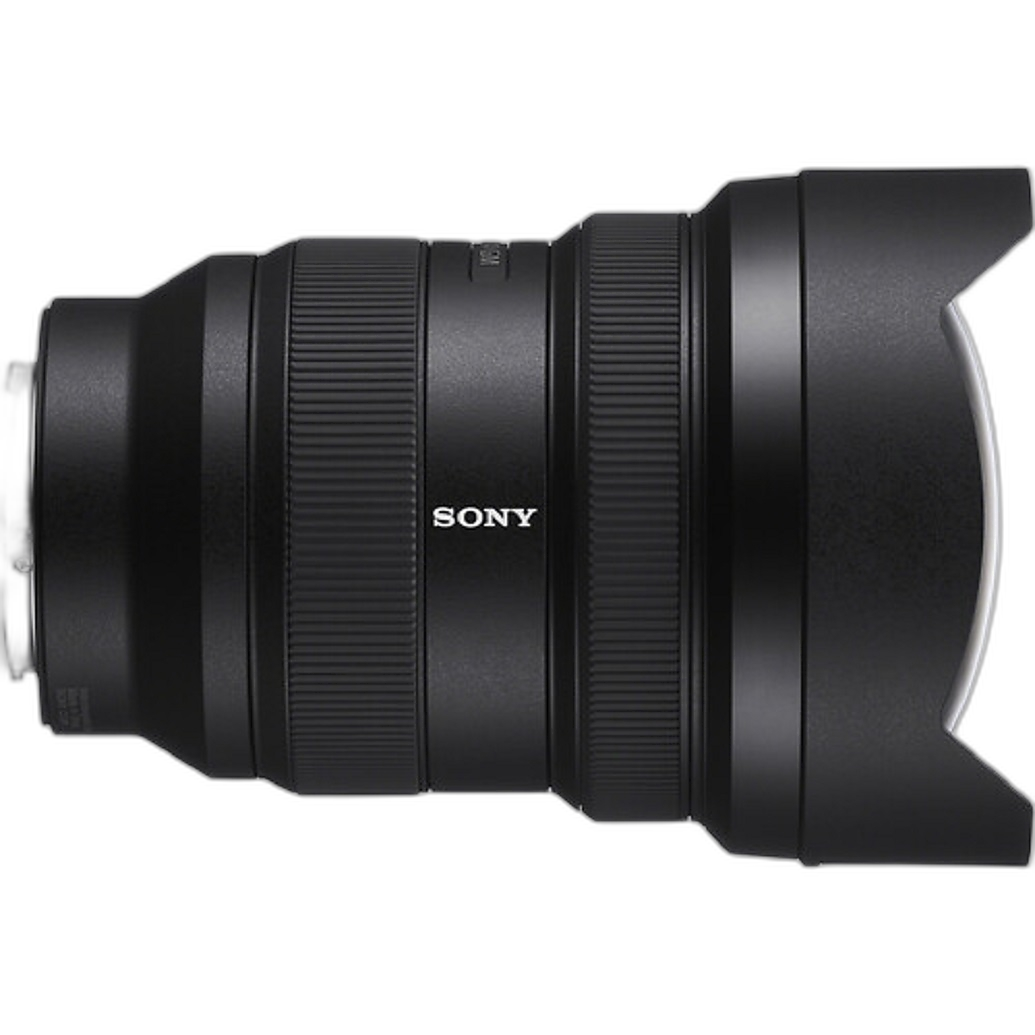
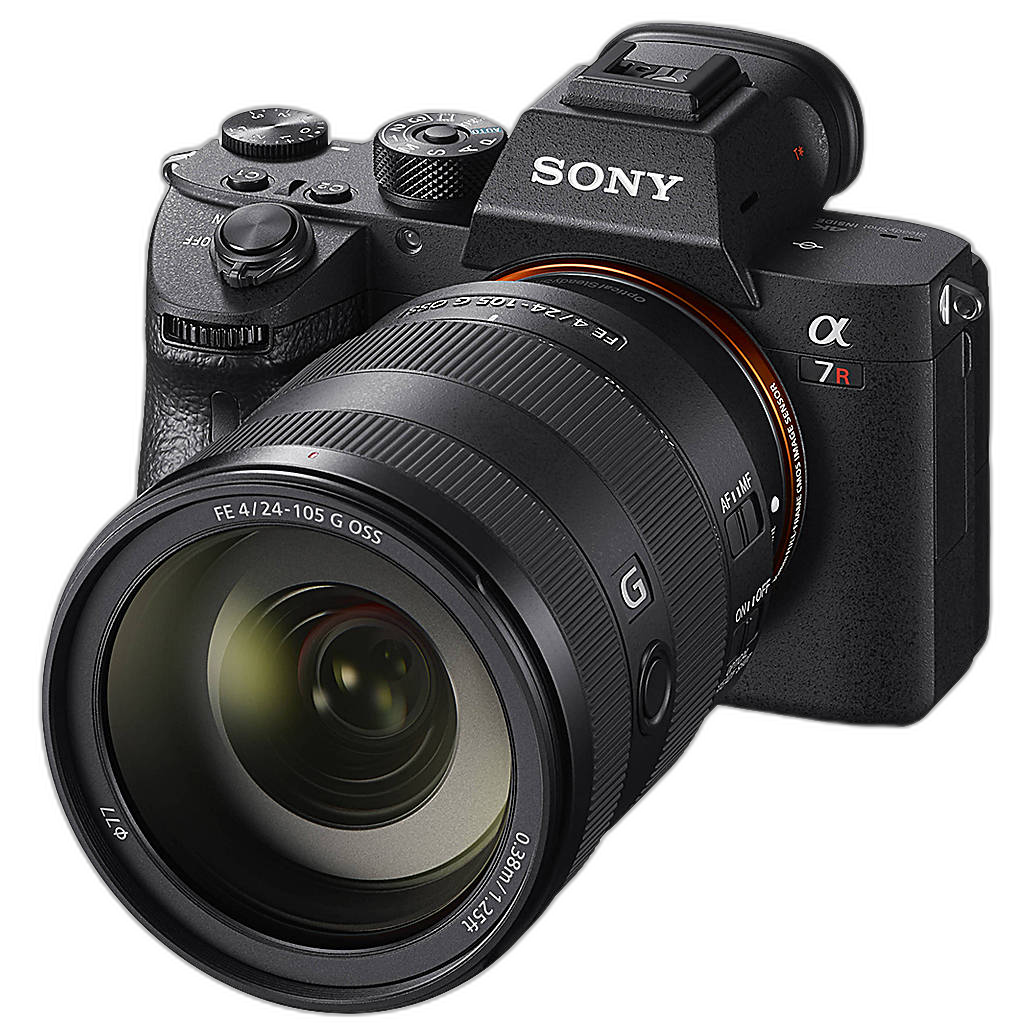
For this Sony lens comparison, we're looking at two very different full-frame E-mount options: the Sony FE 12-24mm f/2.8 GM Lens and the Sony FE 24-105mm f/4 G OSS Lens. On paper, both are premium Sony zooms, but they serve very different photographers and videographers. The real question is not just which lens is better, but what limitations should you watch out for before choosing one.
The 12-24mm f/2.8 GM is an ultra-wide, high-end G Master lens designed for dramatic landscapes, architecture, interiors, and astrophotography. The 24-105mm f/4 G OSS is a more practical standard zoom built for everyday versatility, travel, events, and hybrid shooting. If you're comparing them in a beta-style buying process or early shortlist, the key is understanding where each lens gives you freedom—and where each one creates compromises.
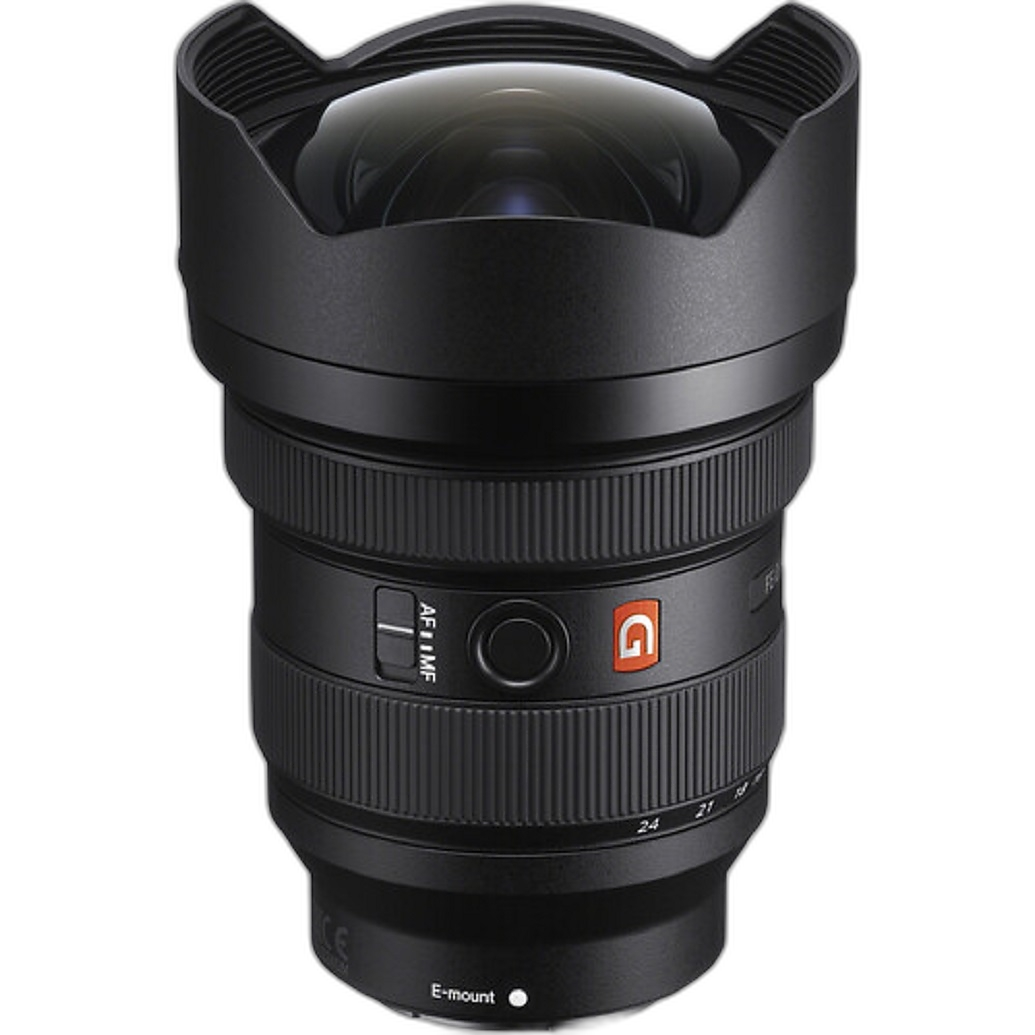
Side-by-Side Specs Comparison
| Specification | Sony FE 12-24mm f/2.8 GM | Sony FE 24-105mm f/4 G OSS |
|---|---|---|
| Mount | Sony E-mount | Sony E-mount |
| Format | Full-Frame | Full-Frame |
| Focal Length | 12-24mm | 24-105mm |
| Maximum Aperture | f/2.8 | f/4 |
| Lens Class | G Master ultra-wide zoom | G series standard zoom |
| Optical Stabilization | Not specified in provided data | OSS |
| Best For | Landscapes, architecture, interiors, astro, video gimbal wide shots | Travel, events, walkaround use, portraits, documentary, general video |
| Main Limitation | Limited range and specialized use | Slower aperture and less dramatic wide end |
What “Beta Limitations” Really Means Here
When photographers compare lenses early in the buying process, they often focus on the headline strengths: wider is better, faster is better, more zoom range is better. But the limitations are what determine long-term satisfaction. In this matchup, the Sony FE 12-24mm f/2.8 GM can look like the aspirational choice, while the Sony FE 24-105mm f/4 G OSS can look like the safe choice. The truth is that each lens has a very specific set of trade-offs.
If you're trying to avoid buyer's remorse, the biggest thing to watch out for is choosing based on what sounds impressive instead of what fits your actual shooting style.
1. Focal Range Limitations
The biggest limitation of the Sony FE 12-24mm f/2.8 GM is obvious but important: it is a highly specialized focal range. Ultra-wide coverage is amazing when you need it, but it is not an all-purpose range for most photographers. You get dramatic perspective, huge environmental context, and the ability to work in tight spaces—but you give up portrait-friendly compression, normal perspective, and telephoto reach.
By contrast, the Sony FE 24-105mm f/4 G OSS covers a much more practical range. It starts at a classic wide angle and extends into short telephoto territory, making it far easier to leave on the camera all day. The limitation here is at the wide end: 24mm is useful, but it is nowhere near as expansive as 12mm for architecture, real estate, or ultra-wide creative work.
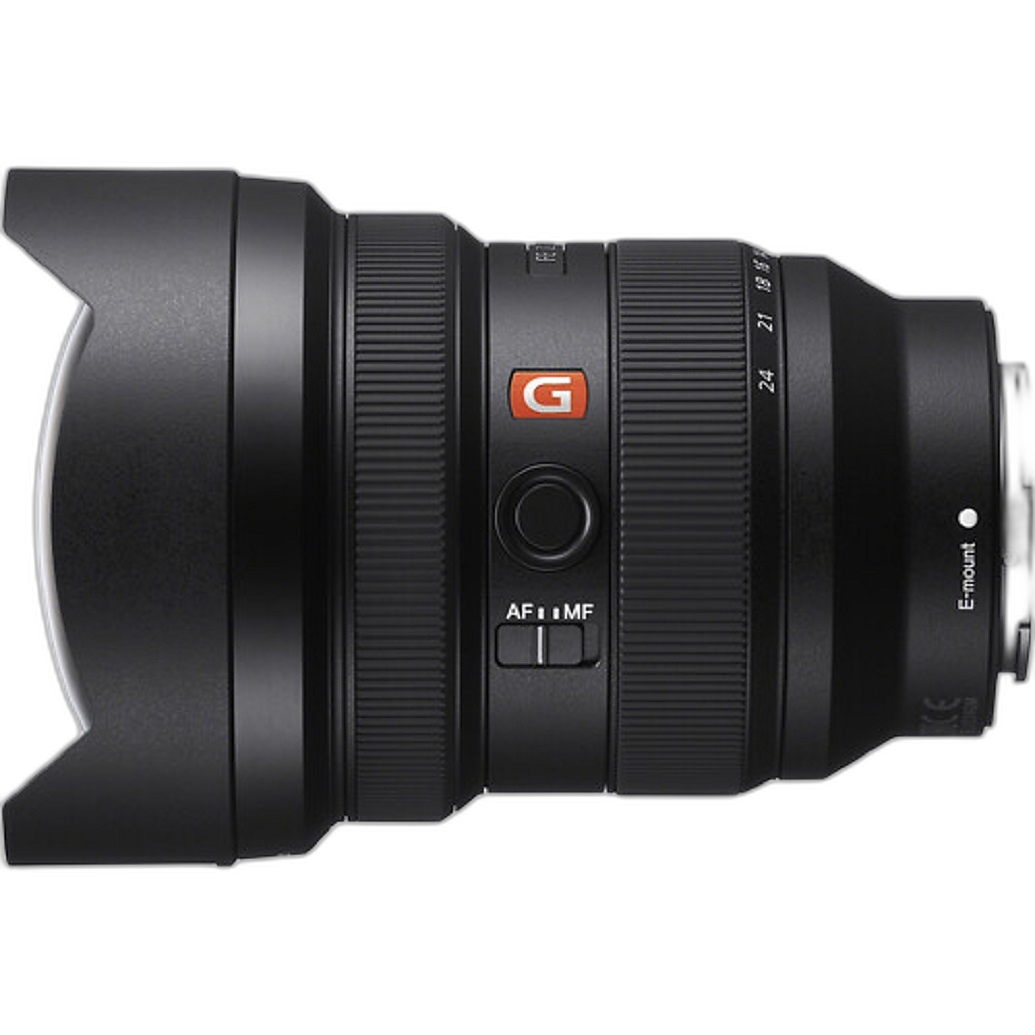
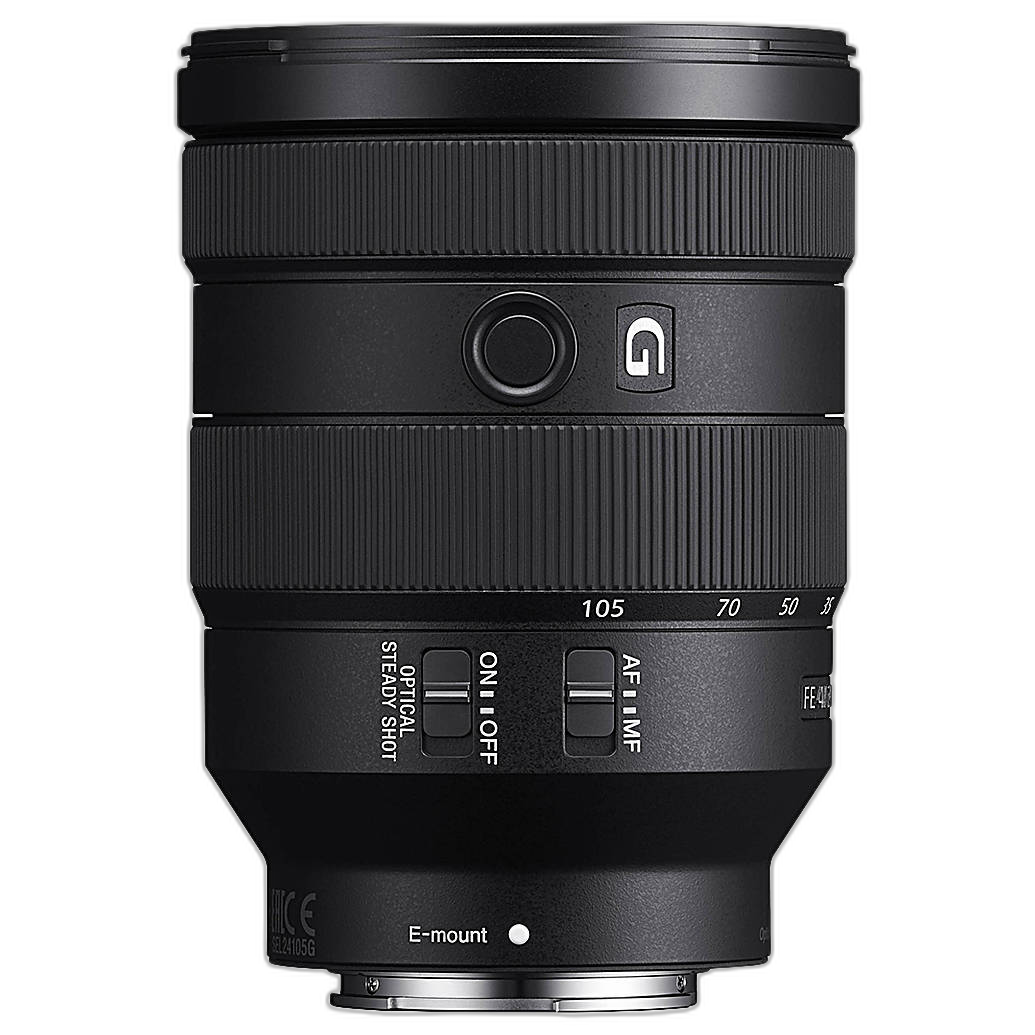
Watch out for: buying the 12-24mm and expecting it to replace a standard zoom, or buying the 24-105mm and later realizing you really need true ultra-wide coverage.
2. Aperture and Low-Light Trade-Offs
The 12-24mm f/2.8 GM has a clear advantage in maximum aperture. That extra stop over f/4 matters in low light, especially for nightscapes, astrophotography, dim interiors, and event work where every bit of light helps. It can also help keep ISO lower and shutter speeds more manageable.
The 24-105mm f/4 G OSS gives up that speed, so one of its main limitations is lower light-gathering ability. For stills shooters, OSS can help with static subjects, but it does not freeze motion the way a faster aperture can. For video and travel use, this may be a reasonable compromise. For night shooters or those wanting the most premium low-light ultra-wide performance, it is more of a drawback.
Watch out for: assuming OSS fully replaces a faster aperture. It helps, but it does not solve every low-light challenge.
3. Versatility vs. Specialization
This is where many lens comparisons are decided. The Sony FE 24-105mm f/4 G OSS is simply the more versatile lens for most users. It can handle landscapes, portraits, detail shots, street scenes, travel, family events, and run-and-gun video with minimal lens swapping. If you want one premium zoom to cover a broad range of situations, this lens makes more practical sense.
The Sony FE 12-24mm f/2.8 GM is more of a specialist's tool. It excels in areas where very few lenses can compete, but its limitation is that it may spend more time in the bag unless your work regularly demands ultra-wide coverage.
Watch out for: paying for elite specialty performance that your real-world workflow rarely uses.
4. Composition Challenges
Ultra-wide lenses are powerful, but they can also be harder to use well. The 12-24mm GM exaggerates perspective dramatically, which can create stunning foreground emphasis and dynamic scenes. At the same time, it can make subjects appear small, distort edges, and punish sloppy framing. This is not a limitation of image quality—it is a limitation of usability for shooters who are not comfortable composing at extreme wide angles.
The 24-105mm f/4 G OSS is easier to compose with across more scenarios. Its range is familiar, flexible, and forgiving. You can go moderately wide, normal, or short telephoto without radically changing your visual language.
Watch out for: mistaking “more dramatic” for “easier to use.” Ultra-wide lenses often require more intentional composition.
5. Travel and Carry Considerations
For travel shooters, both lenses can make sense, but in different ways. The 24-105mm f/4 G OSS reduces lens changes and covers a broad shooting envelope, making it the more efficient single-lens travel option. The 12-24mm f/2.8 GM is better as part of a kit built around landscape, architecture, or cinematic wide-angle work.
That means one of the biggest practical limitations of the 12-24mm is system dependency: in many kits, it almost requires a second lens to cover standard and telephoto needs. The 24-105mm is more self-contained.
Watch out for: underestimating how often you'll need another lens when using an ultra-wide zoom as a primary option.
6. Value Limitations
Value is not just about price; it's about how much of the lens you actually use. The Sony FE 12-24mm f/2.8 GM offers premium performance and premium capability, but it is easiest to justify for photographers who specifically need 12mm coverage and f/2.8 speed. Without those needs, much of its value may go unrealized.
The Sony FE 24-105mm f/4 G OSS tends to deliver stronger everyday value because it is useful in so many shooting situations. Its limitation is that it may not feel as specialized or exciting, but that broad usability is exactly why it remains such a strong practical choice.
Our Pick
Our Pick: Sony FE 24-105mm f/4 G OSS Lens
For most photographers and hybrid shooters, the Sony FE 24-105mm f/4 G OSS is the smarter buy. It offers the better balance of range, convenience, and real-world versatility, with fewer limitations for day-to-day use. If you're still in the comparison stage and trying to avoid the biggest beta-style buying mistake, this is the lens that makes the safest and most useful long-term investment.
Choose the Sony FE 12-24mm f/2.8 GM if your work clearly centers on ultra-wide imagery, interiors, landscapes, architecture, or night shooting. In those niches, its strengths are exceptional—but its limitations are also much more noticeable outside them.
Conclusion
When comparing the Sony FE 12-24mm f/2.8 GM and Sony FE 24-105mm f/4 G OSS, the main thing to watch out for is not image quality, but fit. The 12-24mm is a high-performance specialist with a narrower use case, while the 24-105mm is the more flexible all-arounder with fewer practical compromises. If you want a lens that can stay on your camera through more situations, the 24-105mm is the easier recommendation. If you need truly expansive perspectives and faster ultra-wide performance, the 12-24mm earns its place.
To explore both Sony lenses and find the right match for your shooting style, shop with Unique Photo.