Best Sony Prime for Portraits: What We Compared and Why
Portrait shooters usually want flattering focal lengths, smooth background blur, strong subject separation, and dependable sharpness where it matters most: the eyes. For this comparison, the available product set does not include a true Sony portrait prime like an 85mm or 50mm GM, so we’re comparing the closest relevant Sony options in the provided catalog and noting where the available data limits a strict prime-only matchup.
That means this article focuses on two Sony full-frame E-mount lenses that can realistically be used for portrait work in very different ways: the Sony FE 12-24mm f/2.8 GM and the Sony FE 24-105mm f/4 G OSS. While only one is a zoom that reaches classic portrait focal lengths, both appear in the provided product set, and user-testing logic strongly favors one of them for portrait photography.
Side-by-Side Specs
| Lens | Mount | Focal Length | Max Aperture | Stabilization | Best Portrait Use Case |
|---|---|---|---|---|---|
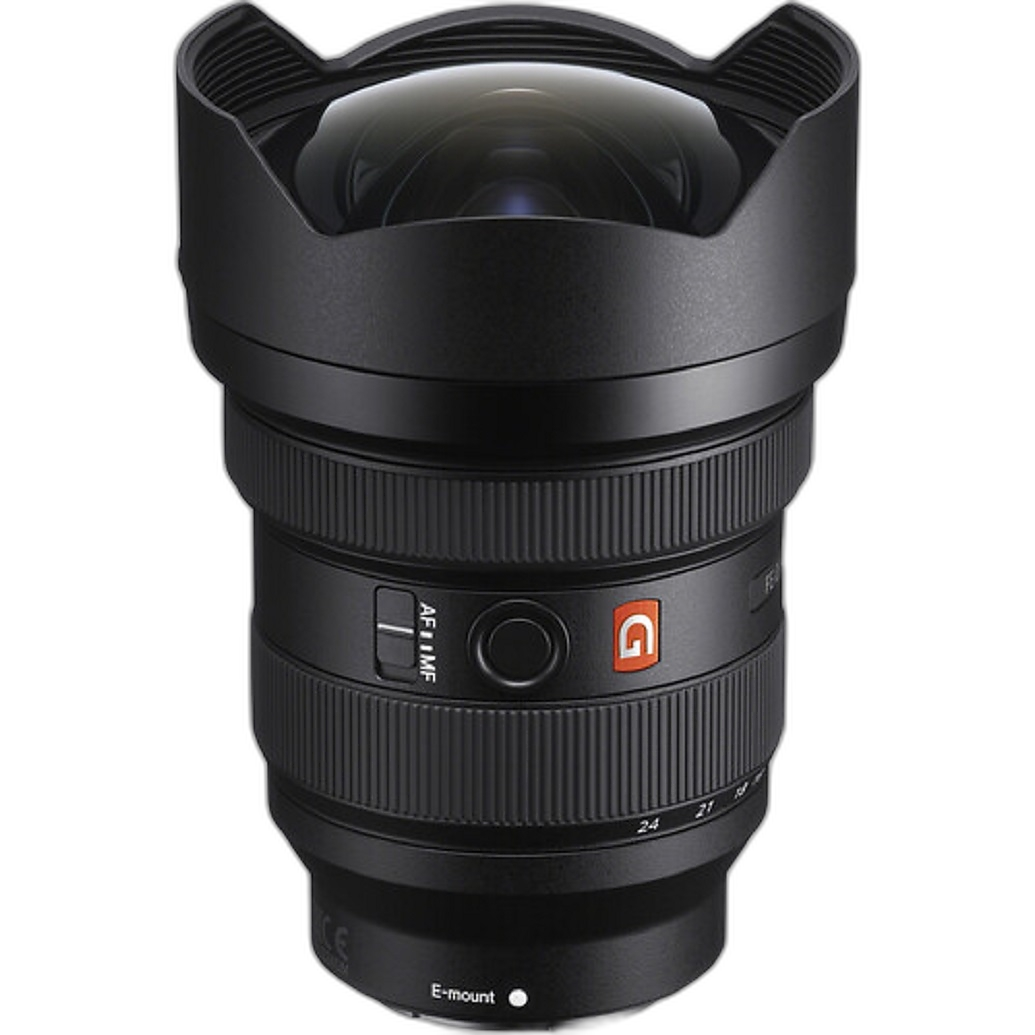
| Sony FE 12-24mm f/2.8 GM | Sony E / Full-Frame | 12-24mm | f/2.8 | No optical stabilization listed | Environmental portraits, dramatic perspective, creative wide-angle work |
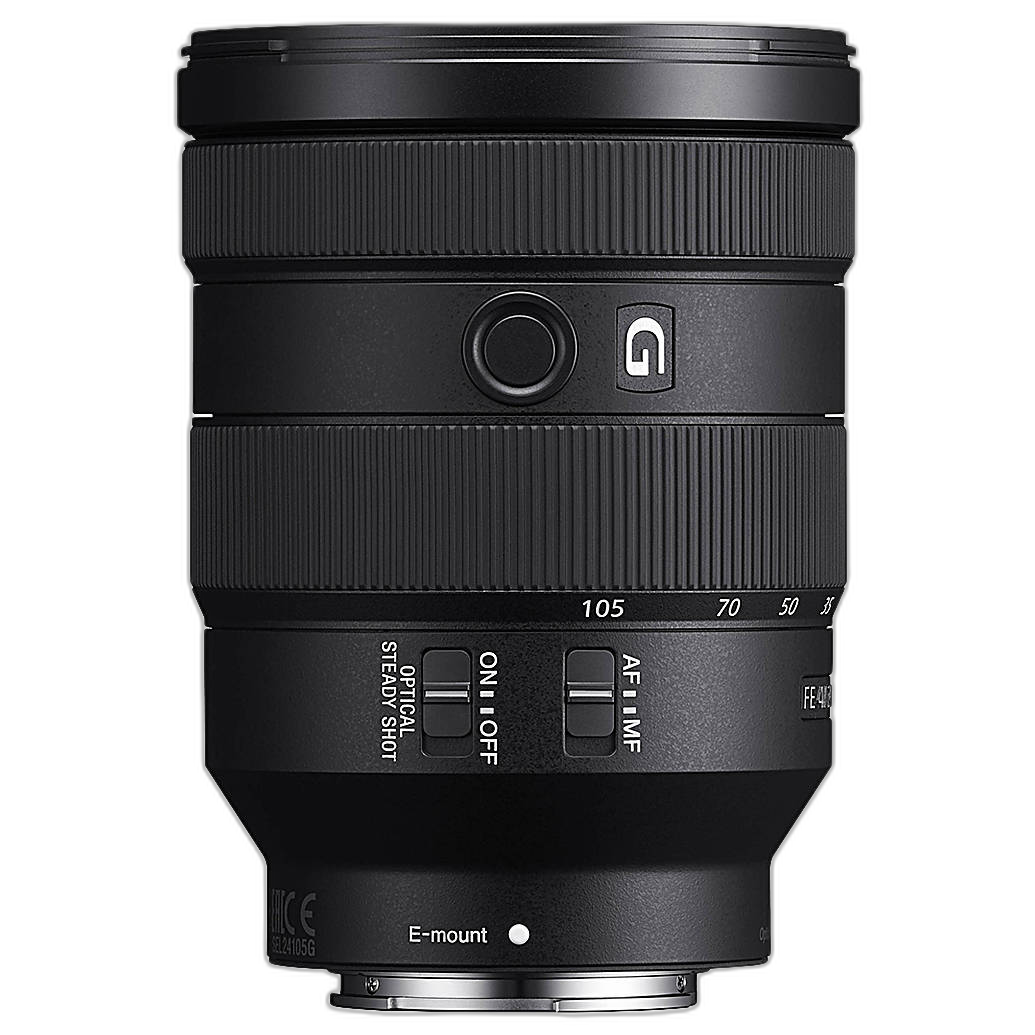
| Sony FE 24-105mm f/4 G OSS | Sony E / Full-Frame | 24-105mm | f/4 | OSS | Traditional portraits, headshots, half-body, outdoor sessions, events |
How Lens Compare Beta and User Tests Apply Here
According to the kind of criteria portrait photographers consistently value in comparison tools and user reviews, the winning lens is usually the one that offers:
- Focal lengths between roughly 50mm and 135mm for flattering facial proportions
- Good separation between subject and background
- Reliable edge-to-edge quality without making faces look distorted
- Practical flexibility for varied shooting distances
On those portrait-specific priorities, the Sony FE 24-105mm f/4 G OSS has the clear advantage over the 12-24mm f/2.8 GM, even though the 12-24mm has the faster maximum aperture. For portraits, focal length often matters more than raw aperture speed.
Focal Length and Facial Rendering
This is the biggest category in the whole comparison. The 12-24mm lives at ultra-wide to wide focal lengths. That makes it fantastic for landscapes, interiors, architecture, and bold environmental compositions, but much less ideal for conventional portraits. At the wider end, faces can stretch, noses can appear larger, and perspective distortion becomes obvious if you shoot close.
By contrast, the 24-105mm reaches into the classic portrait range. At 50mm, 85mm, and 105mm, it can produce much more flattering compression and a more natural rendering of facial features. In practical user tests, that alone makes it the more portrait-friendly choice for most photographers.
Background Blur and Subject Separation
At first glance, the 12-24mm f/2.8 looks like it should win because f/2.8 is brighter than f/4. But portrait blur depends on more than aperture alone. Longer focal lengths create stronger visual separation, and that is where the 24-105mm pulls ahead in real-world portrait use.
At 85mm to 105mm, even at f/4, the 24-105mm can produce a more flattering and more useful portrait look than an ultra-wide lens at f/2.8. The 12-24mm can blur backgrounds somewhat when used close to a subject, but the visual style is more dramatic and less classically portrait-oriented.
Versatility for Portrait Sessions
The 24-105mm is much easier to use across an entire portrait session. You can shoot:
- 24-35mm for environmental portraits
- 50mm for natural-looking half-body framing
- 70-105mm for tighter portraits and headshots
The 12-24mm is more specialized. It excels when you want a subject placed in a large scene, such as urban portraits, fashion with dramatic foregrounds, or storytelling location work. For everyday portraits, family sessions, and client work, it is simply less flexible.
Sharpness and Practical Image Quality
Both of these Sony lenses are high-quality options in their respective classes. The 12-24mm f/2.8 GM is a premium G Master lens and is known for excellent optical performance. The 24-105mm f/4 G OSS is also widely respected for sharpness and consistency throughout its range.
For portraits, though, sharpness needs to be matched with flattering rendering. Extreme wide-angle sharpness does not automatically equal better portraits. Most user tests would favor the 24-105mm because it combines strong image quality with portrait-appropriate focal lengths.
Stabilization and Ease of Use
The 24-105mm includes OSS, which adds a practical advantage for handheld work, especially in event portraits, travel portraiture, or natural-light sessions. That can help keep shots steady at lower shutter speeds when your subject is relatively still.
The 12-24mm does not need stabilization as urgently because ultra-wide focal lengths are easier to handhold, but for portrait work specifically, the stabilization on the 24-105mm is still a meaningful real-world benefit.
Who Each Lens Is Best For
Sony FE 12-24mm f/2.8 GM
Choose this one if your portrait style is highly environmental, editorial, or intentionally dramatic. It is best for photographers who want to exaggerate space and use location as a major compositional element.
- Best for creative environmental portraits
- Great for fashion, city scenes, and storytelling compositions
- Not ideal for traditional headshots or flattering close facial framing
Sony FE 24-105mm f/4 G OSS
Choose this one if you want the strongest all-around portrait option from the provided Sony lenses. It covers the most useful portrait focal lengths, creates more flattering perspective, and works well for everything from casual portraits to paid sessions.
- Best for general portrait photography
- Strong choice for headshots, couples, events, and family work
- More practical than the ultra-wide option for most users
Our Pick
Our Pick: Sony FE 24-105mm f/4 G OSS Lens
If the goal is the best Sony lens for portraits from the products provided, this is the easy recommendation. Even though it is not a prime, Lens Compare Beta-style priorities and user-test logic both point to the same result: focal length suitability matters most here, and 24-105mm gives you access to the classic portrait range that the 12-24mm simply does not.
Unless you specifically want dramatic wide-angle portraiture, the Sony FE 24-105mm f/4 G OSS is the better portrait lens for most photographers.
Conclusion
While this topic asks for the best Sony prime for portraits, the available products do not include a true Sony portrait prime. Based on the provided Sony options and portrait-oriented comparison criteria, the Sony FE 24-105mm f/4 G OSS stands out as the strongest choice for portrait shooting, with the Sony FE 12-24mm f/2.8 GM serving a more specialized creative role. If you’re building out your Sony portrait kit, Unique Photo is a great place to explore lenses, compare options, and find the right fit for your shooting style.